How to Clean Textured Walls without Damage
The safest way to clean textured walls is to start dry, using a vacuum brush attachment or a soft microfiber duster to lift loose dust and cobwebs out of the ridges and grooves. Only move to a damp cloth with a mild soap solution if dry cleaning doesn’t remove the marks, and always test a small hidden area first, since paint type and texture depth affect how much moisture the wall can handle.
Textured finishes like popcorn ceilings-turned-walls, orange peel, or hand-troweled plaster trap dust and grease differently than smooth drywall, and scrubbing them the way you’d scrub a flat wall is one of the fastest ways to knock texture loose or leave streaks that are hard to blend back in.
⚡ The TidyFormula™ Quick Decision
Best approach: Vacuum or dust the wall first with a soft brush attachment, then spot-clean marks with a barely damp microfiber cloth and a mild soap solution, working in gentle circles instead of scrubbing.
Use caution with: Unpainted or unsealed texture, flat or matte paint finishes, and older painted surfaces that may contain lead paint, since moisture and pressure can pull texture off or dull the finish.
Stop and reassess if: Paint starts flaking, texture crumbles or feels soft under light pressure, or a test spot dulls, discolors, or leaves a visible water mark.
What I Use For This Job
Using the right tools saves time and protects your belongings. Here are my exact recommendations:
*As an Amazon Associate, TidyFormula earns from qualifying purchases.
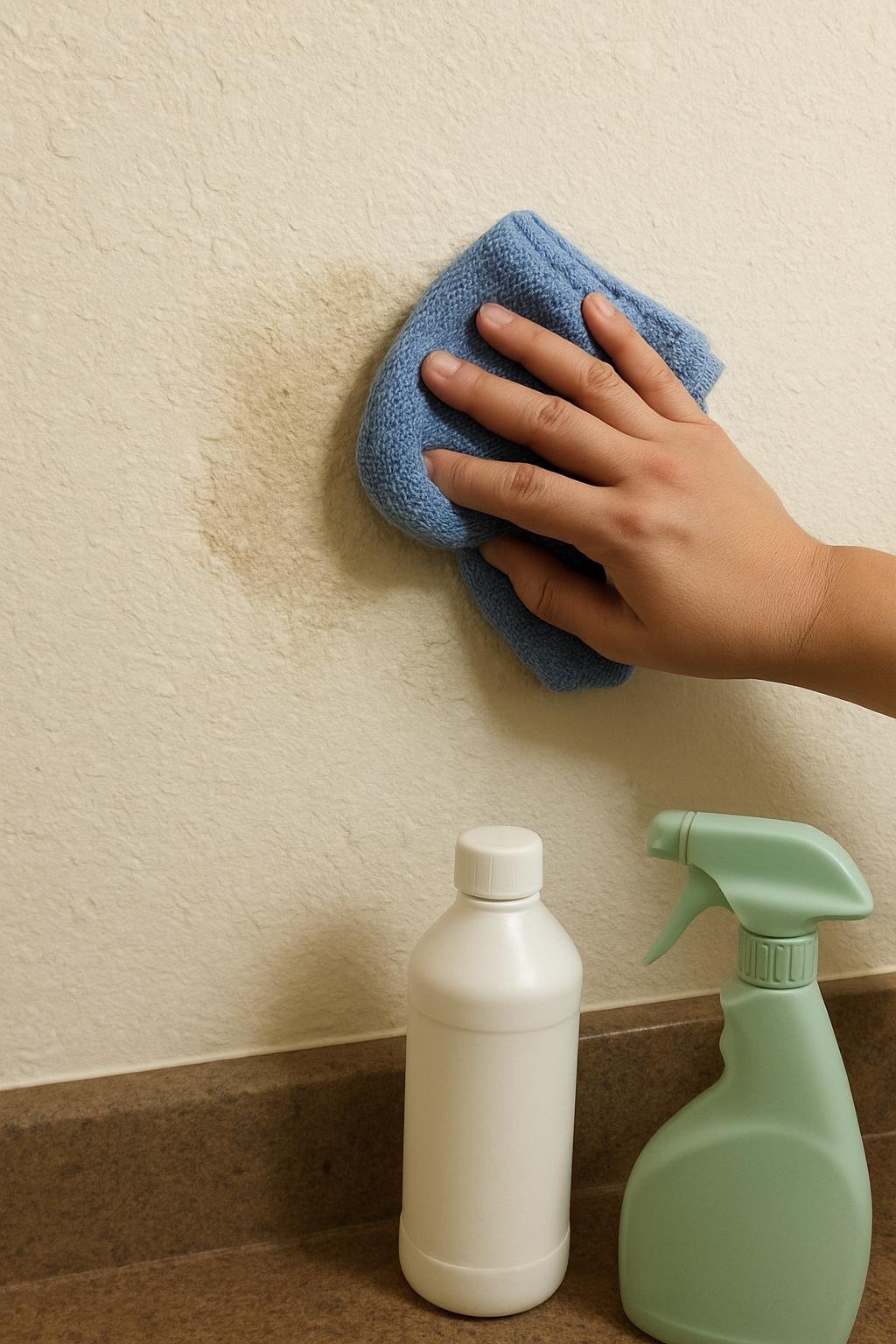
Check the Wall Before You Start
Not all textured walls tolerate the same treatment, and skipping this step is where most damage happens. Before you clean anything, take a minute to identify what you’re actually working with.
- Paint finish: Semi-gloss and satin paints handle light moisture better than flat or matte finishes, which can burnish or discolor if you rub too hard or use too much water.
- Texture type: Heavier textures like popcorn, hand-troweled plaster, or Venetian plaster can hold more debris but are also more fragile if the texture isn’t fully sealed or painted over.
- Age and condition: Older walls, especially in homes built before 1978, may have layers of older paint. If you suspect that’s the case, check with a qualified professional before sanding, scraping, or aggressively scrubbing the surface, since disturbing old paint can raise safety concerns beyond the scope of routine cleaning.
- Test spot: Pick a low-visibility area, like behind furniture or near a baseboard, and try your cleaning method there first. Let it dry completely and check for discoloration, dulling, or texture loosening before treating the whole wall.
Best Way to Clean Textured Walls Without Damage
Work from dry to damp, and only add moisture when dry methods don’t fully solve the problem. This order protects the paint and texture and gives you the least invasive option first.
- Vacuum with a soft brush attachment. Starting at the top of the wall, move the brush in slow, overlapping passes to pull dust, cobwebs, and loose debris out of the texture’s grooves. This step alone often handles most day-to-day buildup without any liquid at all.
- Follow with a dry microfiber duster or cloth for any spots the vacuum missed, especially in corners or around light switches where dust tends to collect.
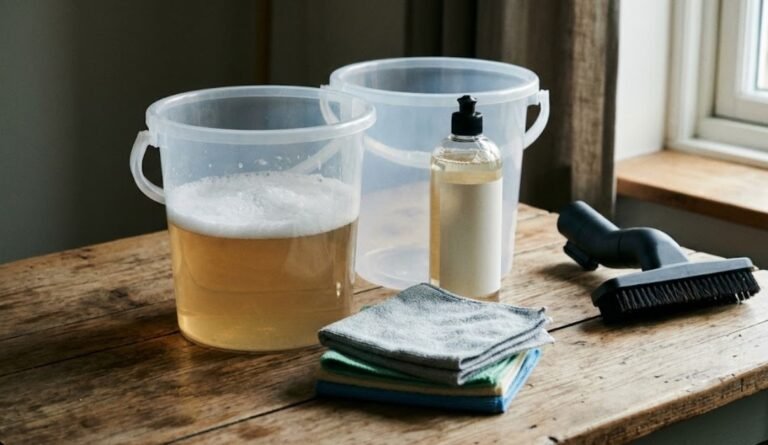
- Mix a mild cleaning solution using a few drops of dish soap in a bowl of warm water. Avoid stronger degreasers or all-purpose sprays unless you’ve confirmed they’re safe for painted walls, since some formulas can strip or discolor certain paint finishes.
- Wring your cloth or sponge until it’s just barely damp, not wet. Excess water is the most common cause of streaking, warping, or texture damage on these surfaces.
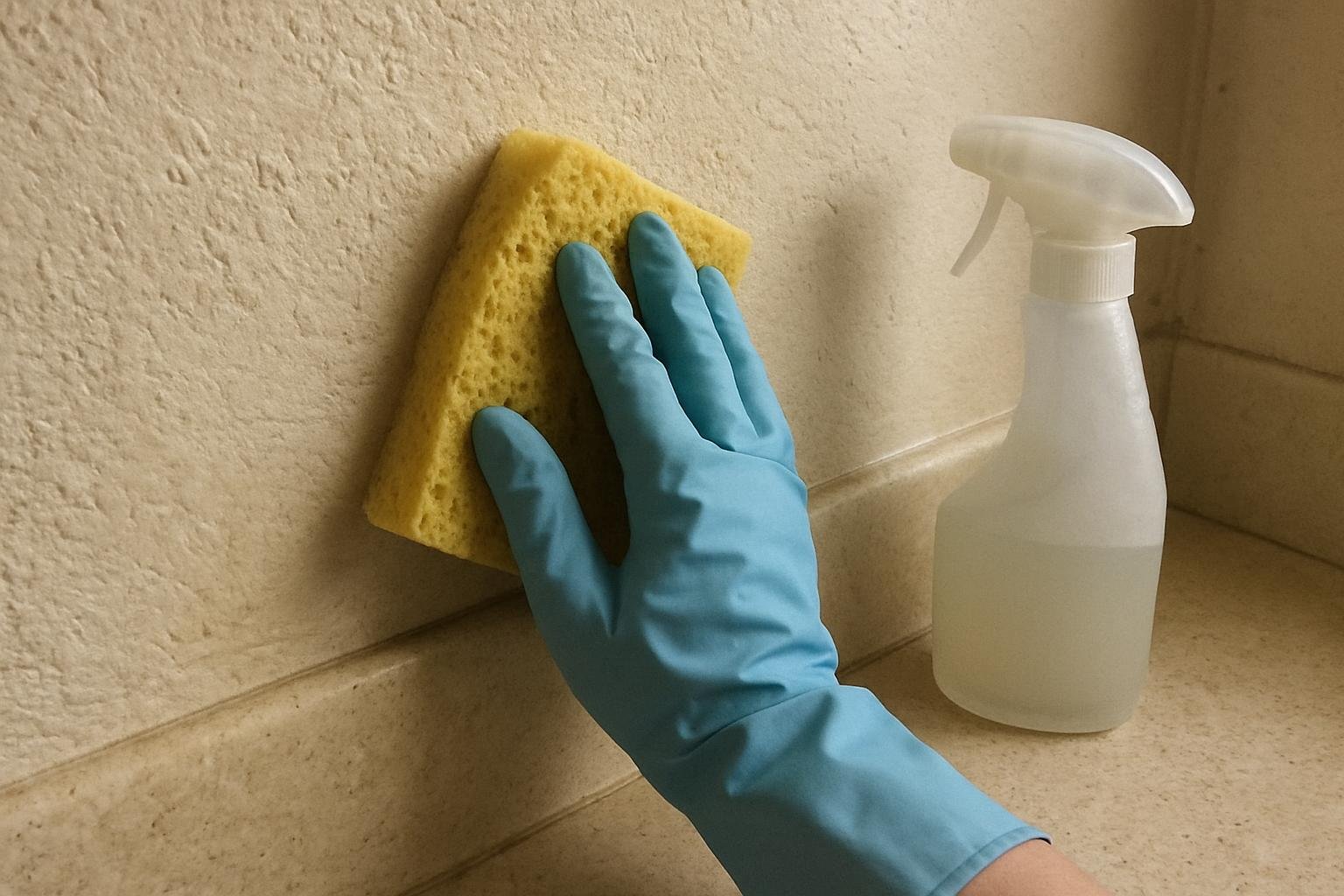
- Clean in small sections using gentle, circular motions, letting the cloth work into the texture rather than pressing hard against it. Rinse the cloth often so you’re not redistributing dirt.
- Dry each section with a clean, dry cloth immediately after cleaning it. This prevents water from sitting in the texture’s grooves, which can lead to soft spots or slow drying that shows up as a dull patch later.
- Check your progress as you go. If a mark isn’t lifting with light pressure and mild soap, stop rather than increasing pressure or switching to a stronger cleaner. Some marks, especially grease, crayon, or old stains, may need a specialized approach rather than more scrubbing.
Textured Wall Cleaning Mistakes That Cause Damage
A few habits show up again and again as the cause of textured wall damage, and most of them come from treating the wall like a smooth, painted surface.
- Scrubbing instead of dabbing. Textured surfaces are more fragile than they look. Firm scrubbing can flatten texture, pull paint away from high points, or create shiny burnished spots that don’t match the surrounding wall.
- Using too much water. Oversaturating the wall can soften drywall compound or plaster underneath, especially around seams or repaired areas, leading to soft spots or bubbling paint.
- Reaching for abrasive tools. Scouring pads, stiff brushes, or melamine sponges can strip texture peaks and leave visible bald patches that are difficult to repair without repainting.
- Skipping the test spot. Every texture and paint combination reacts differently. A method that works fine on one wall can dull or discolor another, so a quick test saves you from cleaning an entire room the wrong way.
- Ignoring the paint sheen. Flat and matte paints are more porous and more likely to show cleaning marks than satin or semi-gloss. If you’re not sure what sheen you have, treat it as flat and use extra caution.
How Often You Should Clean Textured Walls
Textured walls generally need less frequent cleaning than smooth walls because dust tends to settle into the grooves rather than showing up right away on the surface. That said, texture also holds onto dust and allergens longer once it accumulates, so a light dusting every few weeks prevents the kind of buildup that eventually requires a wet cleaning.
High-traffic areas like hallways, stairwells, and kitchens benefit from more frequent dry dusting, sometimes monthly, since cooking residue and everyday contact accumulate faster there. Bedrooms and less-used rooms can usually go longer between cleanings, often every few months, unless you notice visible dust or marks sooner.
When to Choose a Different Approach
If a stain or mark doesn’t respond to a mild soap solution, resist the urge to switch to a stronger household chemical on your own. Certain combinations of cleaning products can create harmful fumes, and textured walls in particular can hide residue in ways that make it hard to know if a stronger product has fully rinsed out. If you’re dealing with a stubborn stain, suspected mold, or an area that seems soft or damaged under the paint, it’s worth checking with a painting or restoration professional rather than experimenting further.
Similarly, if your test spot shows discoloration, texture loss, or the paint starts to lift, stop cleaning that wall with liquid altogether and stick to dry dusting until you can evaluate the paint condition more closely or consult a professional.
If you’re tackling other parts of a deep home clean at the same time, you might also find it useful to review how to clean a rug without a carpet cleaner for another room-by-room approach that avoids harsh equipment, or how to clean an oven without chemicals if you’re trying to limit strong cleaning products throughout your home.
Everything Mentioned Above
Before you leave, grab the tools you need to get the job done right the first time:
*As an Amazon Associate, TidyFormula earns from qualifying purchases.