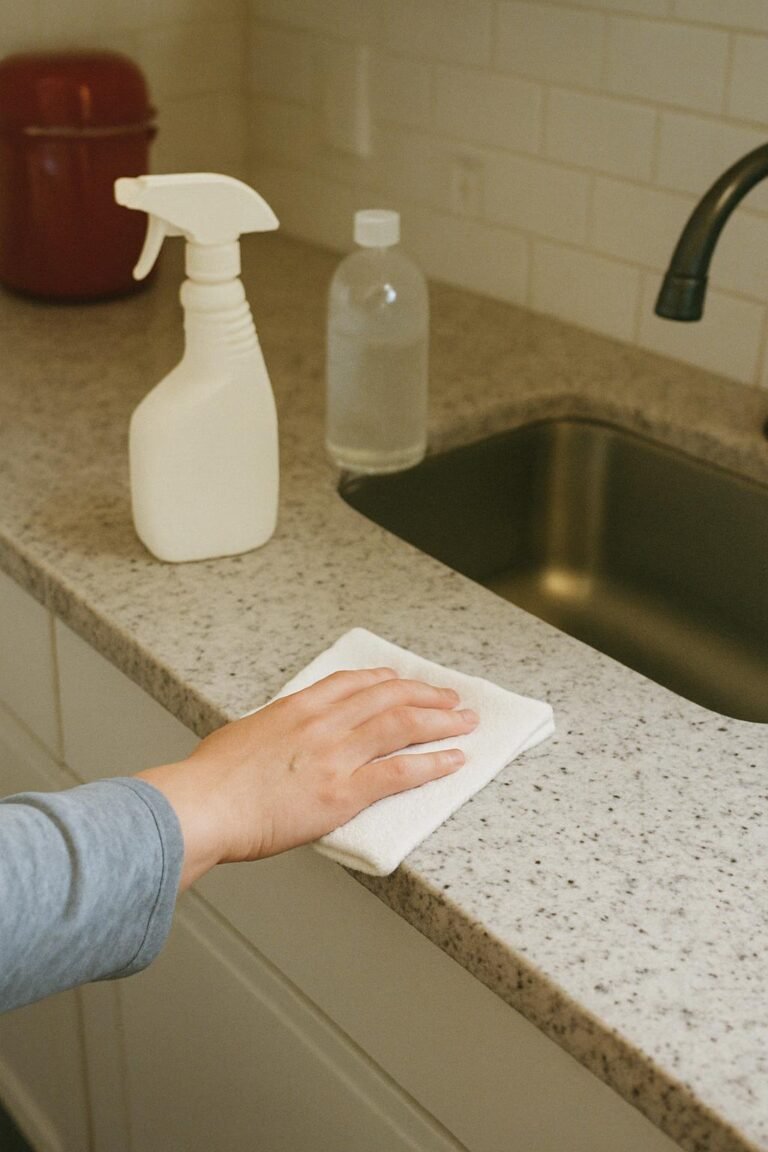

How to Clean an Oven Without Chemicals: The Alkaline-Hydrolysis Protocol
There is a distinct, acrid smell that can come with some conventional oven cleaners. If you are wondering how to clean an oven without chemicals—more accurately, without harsh commercial cleaners—you likely want to avoid strong fumes and highly caustic ingredients.
This method respects the air quality of your home while loosening baked-on food and grease. Baking soda, water, and vinegar are chemicals too, but they present different handling concerns from caustic oven-cleaner sprays.
The black residue inside an oven is usually a mixture of carbonized food, dehydrated spills, and heat-hardened fat. A damp alkaline paste helps soften that buildup and provides mild abrasion. Time and repeated wiping do more of the work than a dramatic chemical reaction.
⚡ The TidyFormula™ Quick Answer
The Recommendation: Apply a baking soda paste to compatible enameled and glass surfaces, leave it overnight, then rewet and wipe it away. Use a plastic scraper for stubborn deposits. Vinegar is optional for a final chalky film and should not be sprayed directly onto the baking soda paste.
What I Use For This Job
Using the right tools saves time and protects your belongings. Here are my exact recommendations:
*As an Amazon Associate, TidyFormula earns from qualifying purchases.
- The Mix: ½ cup baking soda + about 3 tablespoons water.
- Time: 8–12 hours of passive contact time.
- Best For: Greasy residue, food spills, and moderate baked-on deposits.
- Not For: Heating elements, gas openings, door gaskets, aluminum, or catalytic/continuous-clean liners.
Before You Clean: Check the Oven Surface
Not every oven interior should be coated with baking soda. Read the cleaning section of the appliance manual first, particularly if the oven has textured side panels or a continuous-clean feature.
- Standard porcelain or vitreous enamel: Usually suitable for this method if the manufacturer permits mild baking soda cleaning.
- Interior door glass: Usually suitable, but avoid flooding the edges because liquid can seep between the glass panels.
- Catalytic or continuous-clean liners: Do not coat them. Paste can block the porous surface that allows these panels to work.
- Bare aluminum: Avoid baking soda because alkaline residue can discolor or dull it.
- Self-cleaning ovens: Confirm the permitted hand-cleaning method in the manual. Never run the self-clean cycle while paste or cleaner residue remains inside.
- Heating elements and gas components: Do not apply paste to exposed elements, igniters, burner holes, fan openings, sensors, or electrical connections.
Before starting, make sure the oven is completely cool. Turn it off at the controls and unplug it if the plug is safely accessible. Remove racks, thermometers, pizza stones, foil, and other accessories. Note the rack positions or take a photo so everything can be reassembled correctly.
The Method: “The Alkaline-Paste Encapsulation”
When you ask how to clean an oven without harsh chemicals, you are essentially asking how to loosen heat-hardened grease without a highly caustic cleaner.
A wet baking soda paste stays in contact with vertical and horizontal surfaces longer than a thin liquid. The moisture softens dried food, the mild alkalinity helps loosen greasy residue, and the fine particles provide gentle abrasion during wiping. This is slower than a strong commercial oven cleaner, so contact time matters.
🧪 Tools & Ingredients
- Sodium Bicarbonate (Baking Soda): A mildly alkaline powder and gentle abrasive.
- Water: Used to make the paste and rewet dried residue.
- White Vinegar: Optional for removing a chalky film after the baking soda has been wiped away.
- Silicone Spatula or Paintbrush: To apply the paste evenly.
- Spray Bottle: Useful for plain water when rewetting dried paste.
- Damp Microfiber Cloth: For removal and rinsing.
- Plastic Scraper or Old Plastic Card: For deposits that do not release with a cloth.
- Gloves: Helpful because prolonged contact with baking soda can dry or irritate skin.
Step-by-Step Oven Cleaning Instructions
Step 1: Remove Loose Debris
Remove the oven racks and treat them separately. Use a dry paper towel, soft brush, or cloth to collect loose, fully cooled crumbs and charred food from the oven floor. Removing this material first prevents it from turning into sooty mud when water is added.
Inspect the oven for damaged enamel, loose components, or an unidentified textured liner. Stop and consult the manual if you are uncertain which surfaces can be cleaned.
Step 2: Mix the Paste
In a small bowl, mix ½ cup of baking soda with about 3 tablespoons of water. Adjust the ratio until you have a spreadable consistency similar to peanut butter or cake frosting. A larger oven may require a second batch.
Do not add vinegar, dish soap, bleach, ammonia, or another cleaner to the paste.
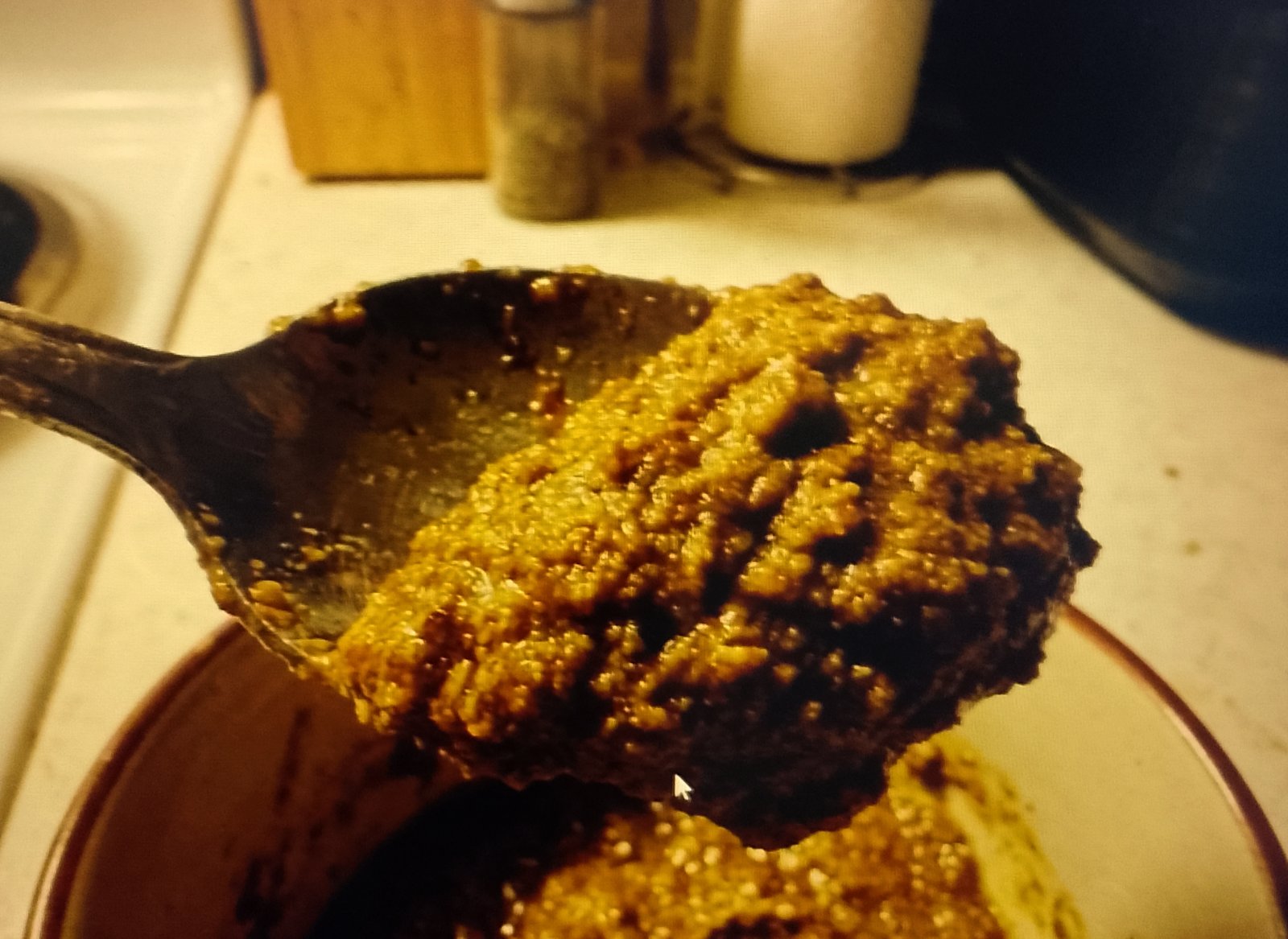
Step 3: Apply the Paste to Compatible Surfaces
Using a silicone spatula or paintbrush, spread a layer over dirty enameled surfaces. Apply more paste to visible spills and greasy patches. A layer approximately ⅛ inch thick is usually easier to remove than a heavy coating.
You can apply a thin layer to accessible interior door glass if the manual permits it. Keep the paste away from:
- Exposed heating elements and their sockets
- Gas igniters, burner holes, and vents
- Convection-fan openings
- Temperature sensors and thermostat bulbs
- Door gaskets and rubber seals
- Catalytic or continuous-clean panels
- Bare aluminum trim and foil
The paste may turn brown as it picks up loosened residue. That color change does not mean every dark stain will disappear in one treatment.
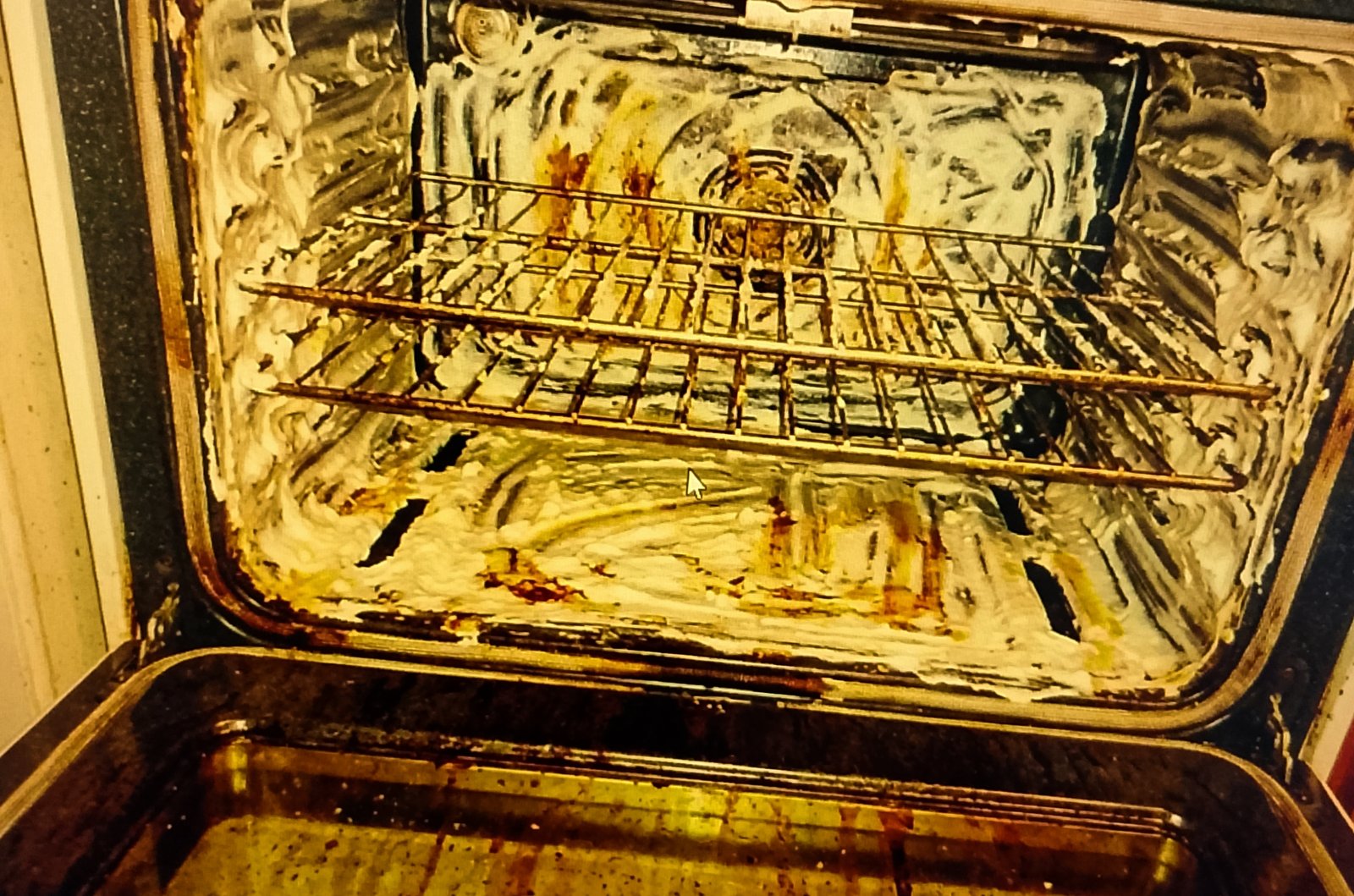
Step 4: Leave It for 8–12 Hours
Close the oven door and let the paste remain in place for 8–12 hours or overnight. Keep children and pets away from the appliance during this period.
For a recent spill or light greasy film, two to four hours may be enough. Thick black deposits usually need the full overnight contact time and may require a second treatment.
Step 5: Rewet and Loosen the Dried Paste
After the contact period, lightly mist the dried paste with plain water or press a warm, damp cloth against it. Wait five minutes, then lift softened deposits with a silicone spatula or plastic scraper. Hold the scraper at a shallow angle so it does not gouge the enamel.
Do not use a metal putty knife, steel wool, pumice stone, or razor blade unless the oven manufacturer specifically approves that tool for the exact surface.
Spraying vinegar directly over baking soda produces fizz, but it also neutralizes the alkalinity and creates additional foam to remove. The bubbling is not necessary for effective cleaning.
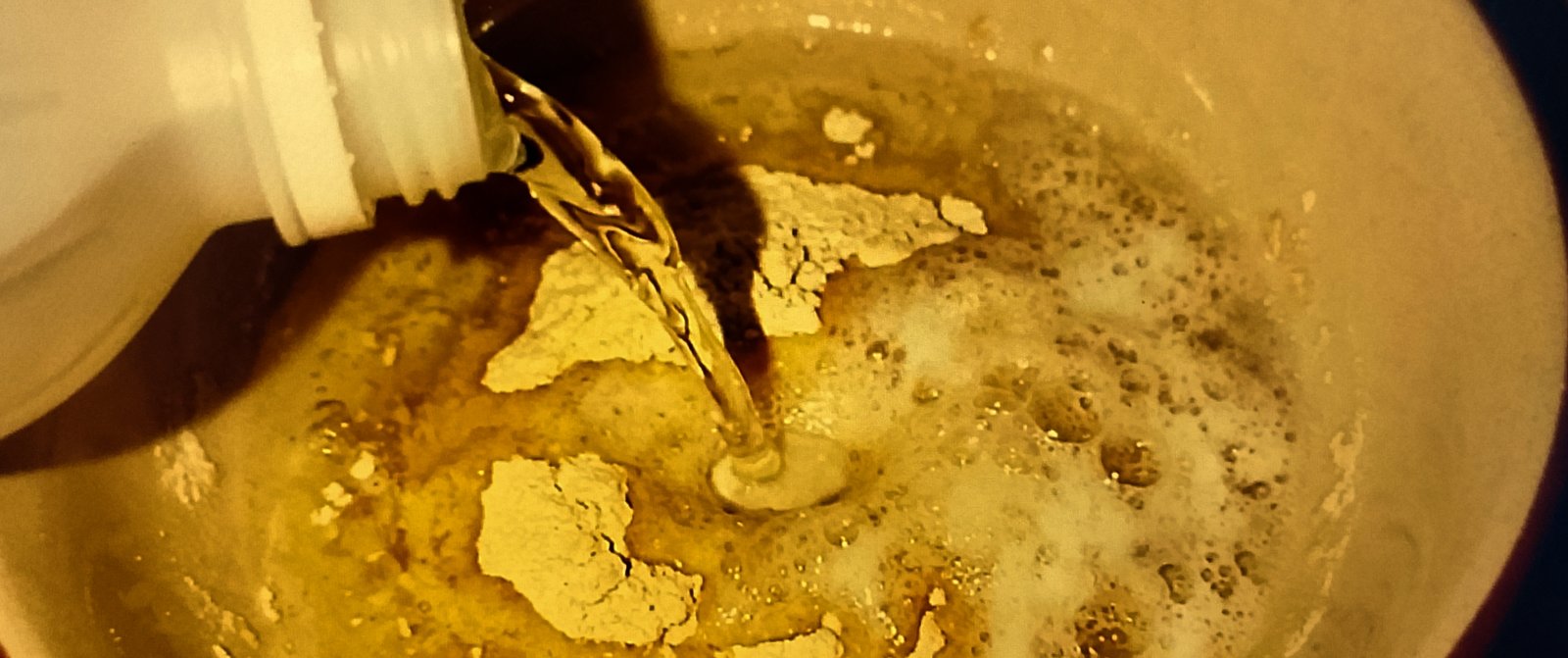
Step 6: Wipe, Rinse, and Inspect
Wipe out the loosened paste and grime with a damp microfiber cloth. Rinse the cloth frequently in clean, warm water. Expect to make several passes because baking soda can leave a white film in corners and seams.
After all visible paste is gone, inspect the oven with a flashlight. Run a clean, damp cloth along the bottom edges, door corners, rack supports, and around—but not inside—vents.
If a chalky film remains, first rinse again with plain water. As an optional final step, use a cloth lightly dampened with equal parts white vinegar and water only after the baking soda paste has been removed. Wipe the surface, then follow with a separate cloth dampened with plain water. Do not use vinegar if another cleaning product is present.
🧪 The Science: Why It Works
Baking soda is mildly alkaline, but it is much weaker than the sodium hydroxide found in some oven cleaners. It does not rapidly dissolve heavy carbonized deposits. Instead, the wet paste holds moisture against dried food and grease, helps loosen oily residue, and supplies mild abrasion during removal.
Vinegar and baking soda react to form carbon dioxide gas, water, and sodium acetate. The visible fizz can disturb loose residue, but the reaction also consumes both the acid and the alkaline ingredient. Using them together is not what performs most of the cleaning; soaking, gentle scraping, and thorough wiping are more important.
Troubleshooting Stubborn Oven Residue
The Paste Dried Before It Loosened the Spill
Rewet a small section with a warm, damp cloth and wait five minutes before scraping. Work one area at a time rather than soaking the entire oven. The paste should soften without liquid running into vents or electrical components.
A Black Patch Remains After Wiping
Apply a fresh layer of paste only to that spot and leave it for another four to eight hours. If the patch is smooth, does not transfer to a damp cloth, and appears integrated with the surface, it may be permanent discoloration or damaged enamel rather than removable food residue. Stop before aggressive scraping damages the finish.
White Powder Keeps Appearing
Baking soda is probably trapped in a seam, screw recess, or rack support. Use a clean damp cloth wrapped around a plastic card or silicone spatula to reach the edge. Do not pour water into the seam.
The Oven Smokes After Cleaning
Turn it off and let it cool. Remaining food, grease, baking soda, or cloth fibers may be present on the oven floor or near an element. Wipe and rinse the interior again before using it. Persistent smoke, sparking, a gas odor, or an electrical smell requires professional inspection rather than further cleaning.
Drying and Reassembly
Leave the oven door open until the interior is completely dry. Wipe the racks dry before returning them to their original positions. Reinstall only accessories approved for use during cooking.
Do not use a high-temperature cycle to dry the oven, and never start the self-clean cycle to burn off baking soda residue. Once the oven is visibly clean, dry, and free of powder, reconnect power if it was unplugged.
During the next normal use, remain nearby. Turn the oven off if you notice persistent smoke, sparking, a gas smell, or an unusual electrical odor.
How to Clean Oven Racks Without Harsh Cleaners
Rack-cleaning instructions depend on the finish. Confirm whether the racks are chrome-plated, enameled, cast iron, or telescoping before soaking them.
For ordinary removable chrome or enameled racks:
- Place an old towel in a bathtub or large utility sink to prevent scratches.
- Set the racks on the towel and add enough hot water to cover them.
- Sprinkle baking soda over greasy areas and soak for up to four hours.
- Wipe with a non-scratch pad or nylon brush.
- Rinse thoroughly and dry immediately before reinstalling.
Do not soak telescoping racks unless the manufacturer allows it. Prolonged soaking can remove lubricant from slides and bearings. Avoid putting oven racks through a self-clean cycle unless the manual specifically says they may remain inside.
How to Clean a Stove Without Chemicals
Stovetops vary widely, so do not assume the surface is identical to the oven interior. Check the manufacturer’s instructions for ceramic glass, enamel, stainless steel, cast iron, and coated burner parts.
For Glass Cooktops (The “Hot Towel” Method)
- Make sure the cooktop is off and completely cool.
- Apply a thin layer of baking soda paste to the burnt-on rings.
- Soak a towel in hot water and wring it out thoroughly.
- Lay the damp towel over the paste without covering controls or openings.
- Let it sit for 20 minutes.
- Wipe with a non-scratch cloth, rinse with clean water, and dry to prevent streaks.
Do not use baking soda on a glass cooktop if its manual prohibits abrasive powders. Never work on warm glass or use sudden temperature changes.
For Gas Burner Grates
Remove fully cooled grates and soak compatible enameled grates in hot water with a small amount of dish soap for up to one hour. Clean with a nylon brush, rinse, and dry completely before reinstalling.
Avoid prolonged vinegar exposure on bare cast iron because acid can promote rust. Do not soak burner caps, igniters, or components unless the appliance manual permits it. Never turn on a gas burner until every part is correctly positioned and dry.
Alternative: How to Clean an Oven Without Scrubbing (Steam Method)
Some readers specifically search for how to clean an oven without scrubbing using vinegar and baking soda. No low-strength method guarantees zero scrubbing, especially on carbonized grease. Steam is best for fresh spills and light residue, while the paste method is more suitable for thicker deposits.
For a gentler steam-softening method:
- Check the manual to confirm that steam cleaning with an oven-safe dish is permitted.
- Place an oven-safe dish containing about 2 cups of hot water on a middle or lower rack while the oven is cool. Lemon slices are optional for scent and do not provide meaningful extra cleaning power.
- Heat the oven to 250°F (120°C) for 30 minutes. Do not let the dish boil dry.
- Turn the oven OFF and leave the door closed for another 15–20 minutes.
- Open the door carefully and allow the oven to cool until the surfaces are safe to touch.
- Remove the dish with dry oven mitts, then wipe the softened residue with a cloth.
Never pour water directly onto a hot oven floor or hot glass. Sudden temperature changes can damage surfaces, and escaping steam can cause burns.
Comparison: TidyFormula Protocol vs. Commercial Foam
| Cleaning Method | Main Handling Concern | Odor | Scrubbing? |
|---|---|---|---|
| Alkaline Paste (Ours) | Residue and possible skin or surface irritation | Low | Low to medium |
| Commercial Spray (Lye) | Requires strict label directions and surface compatibility checks | Varies by product | Usually low |
| Steam Cleaning | Hot water, steam, and thermal-shock risk | Neutral or citrus | Medium; best for light soil |
How to Keep the Oven Cleaner Longer
- Wipe fresh spills after the oven has cooled instead of allowing them to bake through several cooking cycles.
- Place food in a larger baking dish or on a rimmed sheet pan to catch drips. Do not place foil directly on the oven floor unless the manufacturer explicitly permits it.
- Use covered cookware for foods likely to splatter.
- Inspect the oven monthly for grease pooling near the door, floor, or rack supports.
- Clean small deposits promptly; the paste method is faster when residue has not become heavily carbonized.
Frequently Asked Questions
Does this method work on self-cleaning ovens?
It may work on compatible enameled areas, but “self-cleaning” describes several different oven designs. Check the manual before applying baking soda. Do not coat catalytic or continuous-clean panels, and never run a self-clean cycle while baking soda residue remains inside.
How do I clean the oven racks without harsh cleaners?
For compatible chrome or enameled racks, soak them in hot water with baking soda for up to four hours, wipe with a nylon brush or non-scratch pad, rinse, and dry. Do not soak telescoping racks or lubricated slides unless the manufacturer permits it.
Will vinegar damage my oven?
Brief contact with diluted vinegar is often tolerated by intact porcelain enamel and glass, but it can affect bare aluminum, natural stone, damaged finishes, and some seals. Consult the manual, avoid saturating gaskets and seams, and use vinegar only as an optional final wipe after the baking soda has been removed.
Why should the baking soda paste sit overnight?
Baking soda is a mild alkali rather than a fast-acting caustic oven cleaner. The extended contact time allows water to soften dried residue and gives the paste time to loosen greasy buildup. Light soil may release sooner, while heavily carbonized deposits can require a second application.
Can I use lemon juice instead of vinegar?
Lemon juice is acidic, but it can contain sugars and pulp that leave residue. Plain water is the best first choice for removing baking soda. If a chalky film remains and the oven manual permits mild acids, a lightly dampened cloth with diluted white vinegar is easier to rinse clean.
Everything Mentioned Above
Before you leave, grab the tools you need to get the job done right the first time:
*As an Amazon Associate, TidyFormula earns from qualifying purchases.