
How to Clean a Sink Drain Without Chemicals (The “Volcano” Method)
Honestly, I didn’t wake up planning to fight my kitchen sink—but here we are. Last Tuesday it was full of grey, stagnant water that wouldn’t drain, and the smell was awful.
I almost reached for that neon-blue drain cleaner, then remembered the last time: burning fumes and a leak a week later. Not again.
So I tested the “internet hacks.” Most were useless—until I found what actually works: how to clean sink drain without chemicals, without melting your pipes or fumigating your kitchen.
⚡ The TidyFormula™ Quick Answer
The Verdict: Create a pressure seal with a plunger first, then use a baking soda and vinegar reaction to break down the biofilm.
- The Mix: 1/2 cup Baking Soda + 1/2 cup White Vinegar + Boiling Water.
- Time: 15 Minutes.
- Effectiveness: 9/10 (Works on everything except solid plastic/metal obstructions).
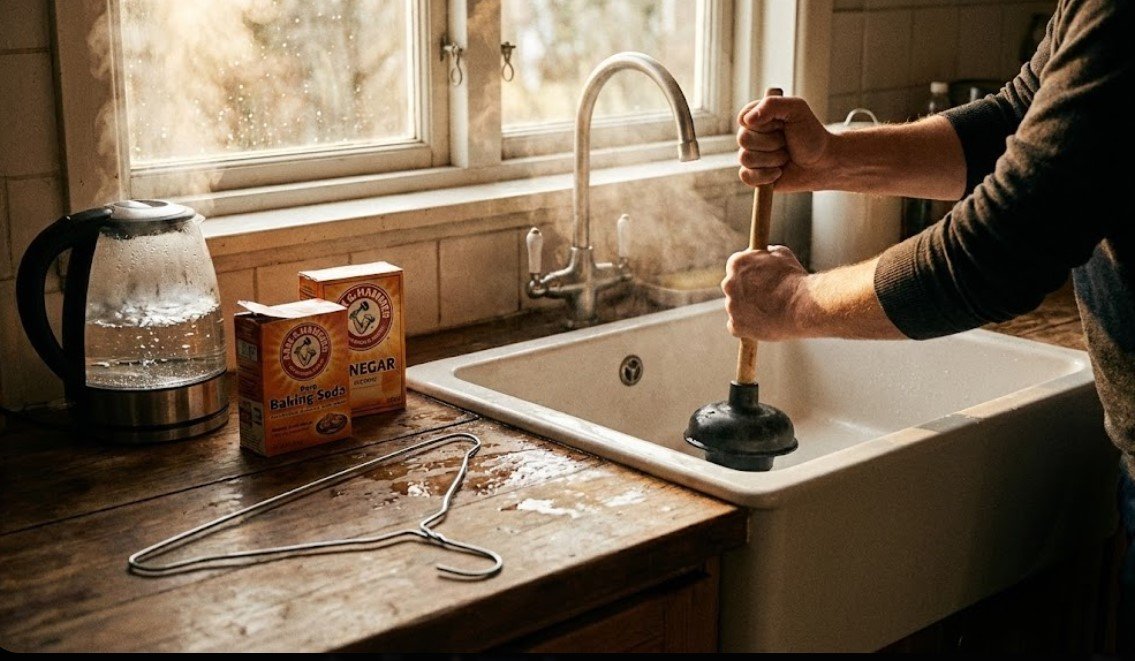
The Setup: What You Actually Need
Forget the fancy tools. You likely have this stuff. If you don’t, your neighbor does.
What I Use For This Job
Using the right tools saves time and protects your belongings. Here are my exact recommendations:
*As an Amazon Associate, TidyFormula earns from qualifying purchases.
- A Cup Plunger: Not the flange one you use for the toilet. A flat-bottomed sink plunger.
- Baking Soda: The cheap stuff.
- White Vinegar: Don’t use your fancy apple cider vinegar. Waste of money.
- A Wet Rag: To block the overflow drain. (Crucial step).
- Flashlight: To see the horror inside the drain.
Step 1: Manual Removal (Be The Disposal)
If you don’t have a disposal, you are the disposal. Sorry, but it’s true.
Before we start the chemistry experiment, we need to get the physical junk out. If there is standing water, scoop it out with a cup and dump it in a bucket. Get the sink as dry as possible.
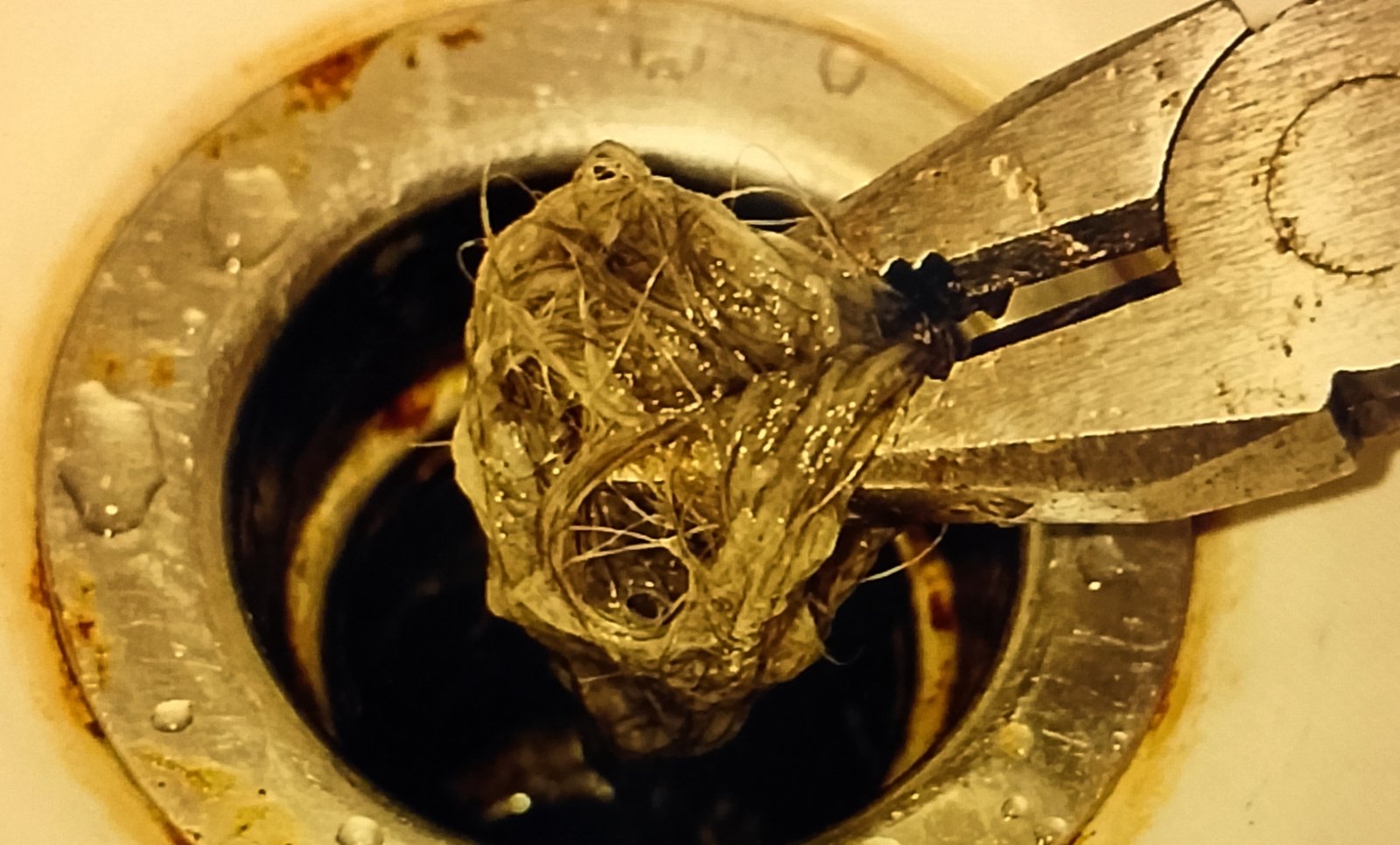
Grab your flashlight and look down the drain. Do you see hair? A piece of plastic wrapper? A clump of mystery slime? If you can see it, grab it. I use a pair of needle-nose pliers (dedicated to gross tasks only), but you can use a bent wire or one of those plastic drain snakes.
Step 2: Cleaning P-Trap Without Removing (The Plunger Method)
Most clogs happen in the P-trap (that U-shaped pipe under the sink). Taking it off is a messy nightmare involving buckets and inevitably spilling sewage water on your socks.
Let’s try physics first.
- Block the Overflow: This is the step everyone forgets. Stuff that wet rag firmly into the overflow hole (the little hole near the top of the sink). If you don’t block this, the air pressure from the plunger will just shoot out the overflow hole right into your face. I learned this the hard way. (It tasted salty.)
- Fill the Basin: Add about 2 inches of hot water to the sink. You need water to create a seal; you can’t plunge air.
- The Plunge: Place the cup plunger over the drain. Push down gently to get the air out, then pull up sharply. The pulling motion is actually more important than the pushing. You want to suck the clog up and loosen it, not hammer it down deeper.
- Repeat: Do this vigorously for 20-30 seconds. It’s a workout.
🧪 The Science: Why It Works
Water is incompressible. When you push and pull with a plunger on a water-filled pipe, that force is transferred directly to the clog with almost zero loss. It acts like a hydraulic ram, rocking the obstruction back and forth until the friction holding it in place breaks.
Step 3: Unclogging Drain Without Drano (The Volcano)
Okay, the water is draining, but it’s slow. That means the main block is gone, but the pipe walls are still coated in grease and soap scum. This “biofilm” creates friction and grabs onto new debris. We need to strip it.
- The Base: Pour 1/2 cup of baking soda directly down the drain. Use a spoon handle to poke it down if it piles up. You want it in the pipe, not sitting in the basin.
- The Acid: Pour 1/2 cup of white vinegar down after it. Be prepared.
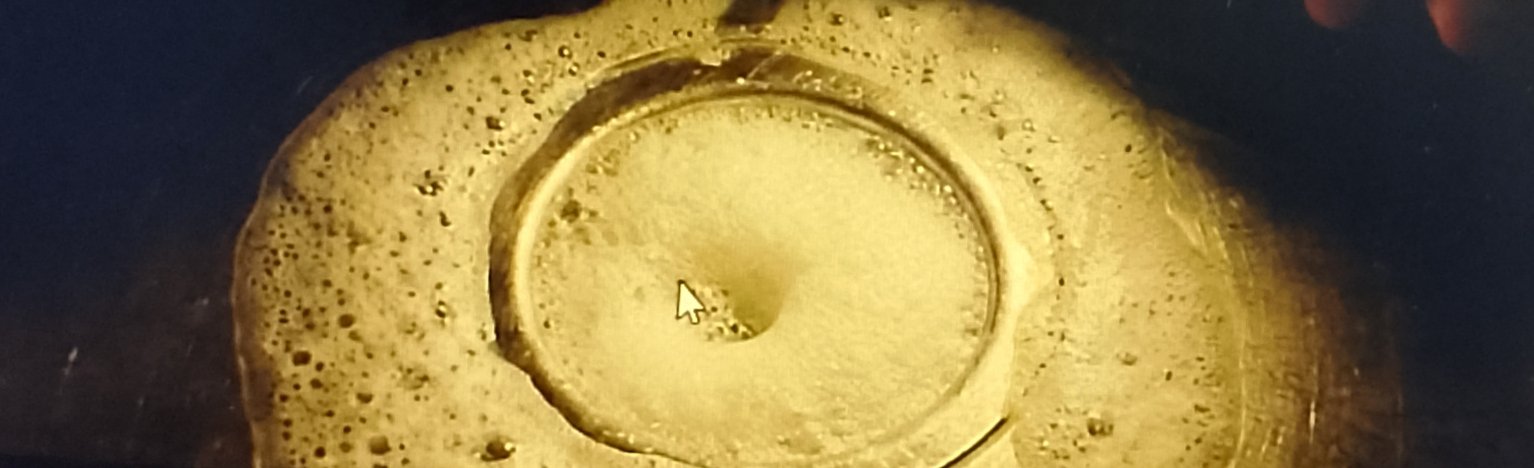
- The Cap: Quickly place the drain stopper (or a wet rag) over the drain. The reaction produces gas (Carbon Dioxide). We want that expanding gas to push down the pipe, scouring the walls, not escaping up into the kitchen.
- The Flush: Wait 15 minutes. Boil a kettle of water. Remove the stopper and pour the boiling water straight down. This flushes the loosened grease and soda residue. Do this carefully—don’t splash boiling water on yourself.
When This Method Fails (Reality Check)
I’m not going to lie to you. Sometimes, the clog wins.
If you’ve done the pliers, the plunger, and the volcano, and the water is still standing… you have a solid obstruction. This could be a tree root (if you’re on the ground floor), a toddler’s toy, or a solidified greaseberg deeper in the line. At this point, no amount of baking soda will save you. You need a mechanical snake or a professional.
One Lazy Maintenance Tip
Every Sunday, I dump my leftover coffee grounds in the trash (never the sink!) and then pour a kettle of boiling water down the drain. Just water. It keeps the grease from hardening. Takes 30 seconds. Saves me hours of plunging later.
FAQ: The Skeptic’s Answers
1. Can I use Coke or Pepsi to unclog a drain?
Technically, the phosphoric acid helps a little. But then you are pouring sticky sugar syrup down a drain that is already having issues. It’s counterproductive. Stick to vinegar.
2. Will boiling water melt my PVC pipes?
PVC is rated for around 140°F (60°C). Boiling water cools rapidly as it hits the pipes, usually making it safe. But if you have very old, cheap plastic pipes, let the water cool for a minute off the boil just to be safe.
3. Does baking soda and vinegar really dissolve hair?
No. Absolutely not. It dissolves the soap scum and grease holding the hair clump together, allowing the water pressure to push the hair ball down the line. Nothing dissolves hair except harsh lye (or fire).
4. Why does my sink smell even after cleaning?
Bacteria is living in the overflow hole. Pour some of the vinegar/baking soda mix down that little hole too. It’s often the culprit.
5. Is a toilet plunger okay to use?
If you clean it… sure? But the shape is wrong. Toilet plungers have a flange to fit the toilet hole. Sink plungers are flat to seal against the basin. Using the wrong tool makes the job 10x harder.
Everything Mentioned Above
Before you leave, grab the tools you need to get the job done right the first time:
*As an Amazon Associate, TidyFormula earns from qualifying purchases.
2 Comments