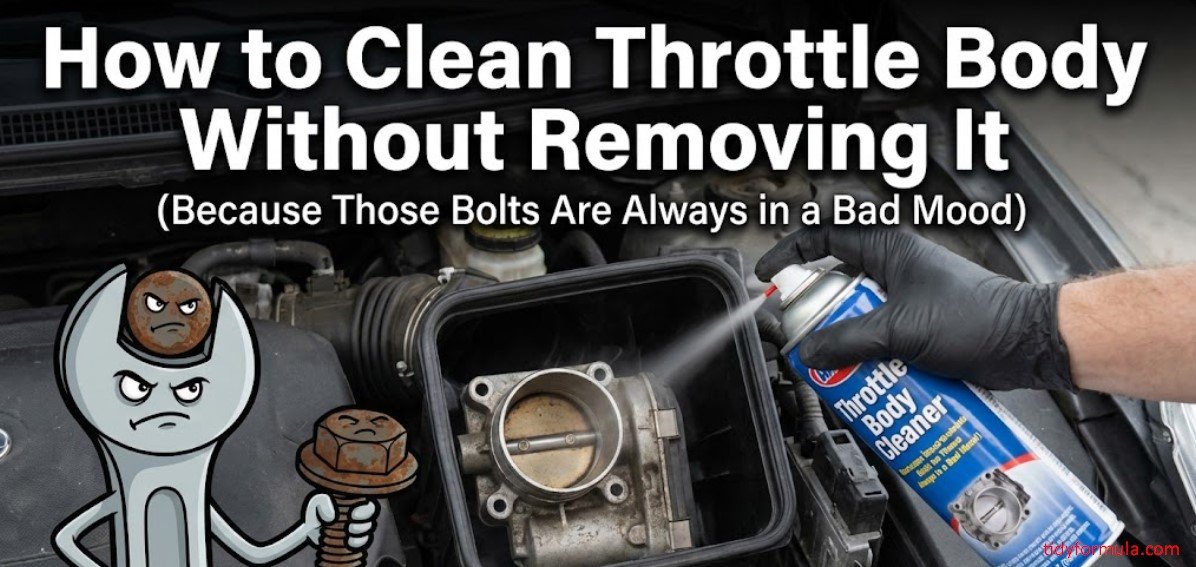
How to Clean a Throttle Body Without Removing It (The Idle Fix)
I didn’t wake up planning to clean a throttle body—I just got tired of my car acting weird at every red light.
The first time I did this, my car was idling like it was nervous. Not constant. Just… shaky. And every stoplight felt like a tiny argument between the engine and gravity. When I popped the intake tube off, I saw it: a black, sticky film around the throttle plate.
It smelled like burnt dust mixed with old oil. Lovely.
If you’re here for how to clean throttle body without removing it, good news: you can usually get it 80–90% better without pulling the whole unit off. And yes, 90% is a win. I’m not trying to make it look factory-new. I’m trying to make it run normal again.
⚡ The TidyFormula™ Quick Answer
The Recommendation: Wipe the throttle bore and plate edges with throttle body cleaner on a rag (not a full spray bath), then let it relearn idle if needed.
What I Use For This Job
Using the right tools saves time and protects your belongings. Here are my exact recommendations:
*As an Amazon Associate, TidyFormula earns from qualifying purchases.
- The Mix: Throttle body cleaner + lint-free rags + soft brush/toothbrush.
- Time: 20–35 minutes (plus a short drive).
- Effectiveness: High for mild-to-medium gunk, Medium for heavy carbon.
Quick note: throttle bodies vary. A lot. Some are cable-operated, some are electronic (drive-by-wire). If you’re not sure which one you have, look for a throttle cable. No cable? It’s probably electronic. (For the nerdy details, check Wikipedia’s overview on Throttles).
The “Wipe-Down” Method (No Removing Required)
We’ve cleaned enough throttle bodies at TidyFormula to say this plainly: the mess is usually concentrated right where the plate closes. That’s why idle gets weird. The plate can’t “seat” the same way, and the airflow at idle gets jumpy.
What you’ll grab (and why)
- Throttle body cleaner: It cuts the oily varnish fast. Brake cleaner is too aggressive for some plastics and coatings.
- Lint-free rags: Paper towels shred and leave fuzz. Ask me how fun that is.
- Soft brush / toothbrush: For the crusty ring. It makes a faint scratchy sound as it lifts buildup. Satisfying, honestly.
- Screwdriver or pliers: For the intake clamp. These clamps always act innocent until you touch them.
- Gloves: The cleaner smell sticks to your hands like regret.
Step-by-Step: The Safe Way
1. Cool Down & Access
Let the engine cool down. And don’t do this right after a drive. Cleaner + hot metal = sharp fumes and a bad time. You want the parts cool to the touch.
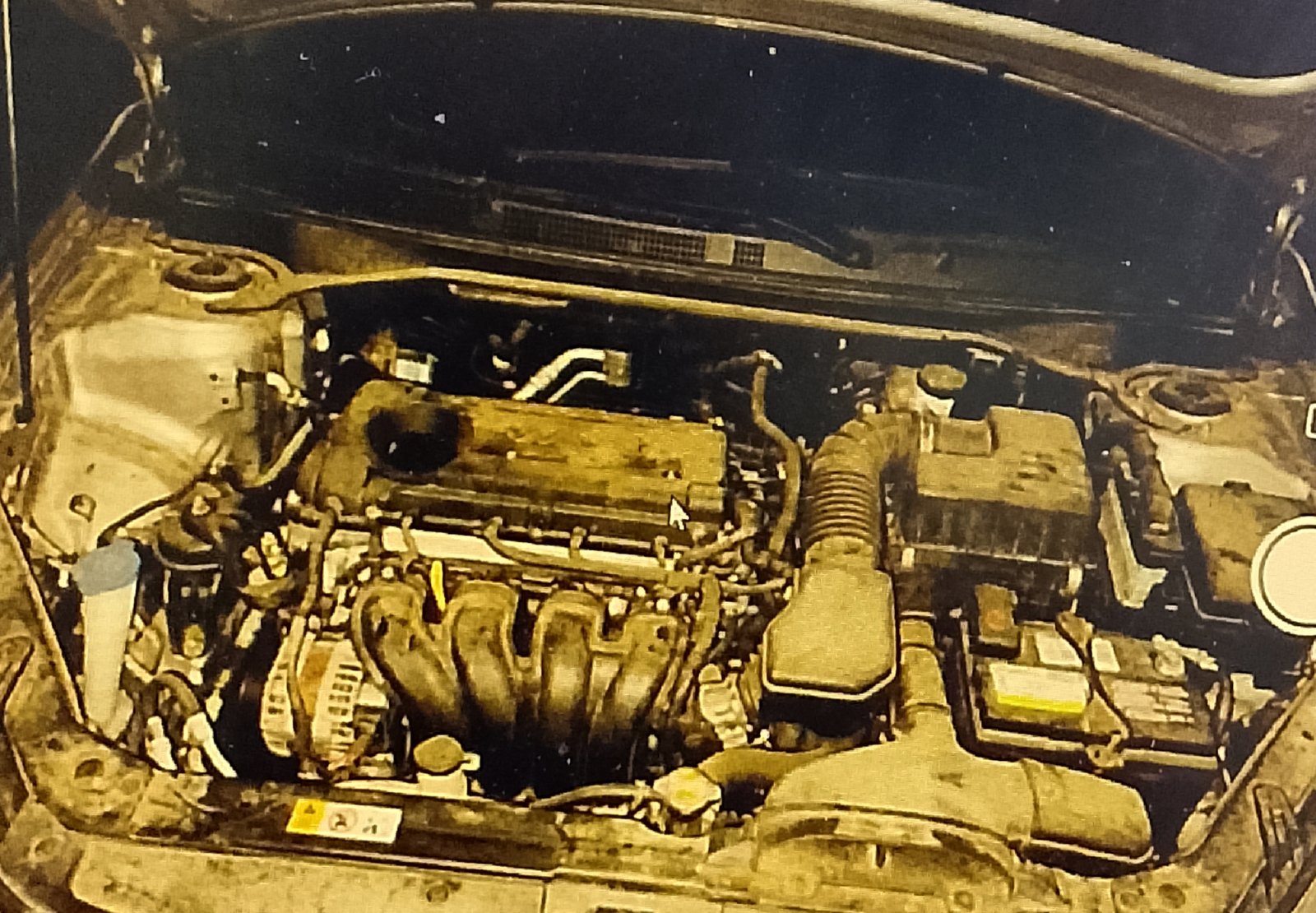
Pull the intake hose off the throttle body. Loosen the clamp, wiggle the hose, and slide it off. You might hear a soft rubber squeak as it breaks free. Look inside with a flashlight. If you see black goo around the rim, yep… that’s the problem.
2. The Rag Technique (Don’t Spray Directly)
Spray the cleaner onto your rag. Not into the throat like a firehose. This is where people get wild. I get it. Spraying feels productive. But overspray can run places you don’t want (sensors, motor housing, intake puddles). So I wet the rag first, then wipe.
3. The Scrub
Wipe the bore and the throttle plate face. Start with the easy surfaces: the inside ring (bore) and the front of the plate. You’ll feel the rag drag at first because the film is tacky. After a few passes it turns slick, and the rag slides easier. That’s progress.
Clean the edge where the plate closes (this is the money spot). That dark ring at the edge is usually what causes sticking and idle weirdness. Use the soft brush lightly, then wipe again with the rag. It makes this faint “scritch-scritch” sound, like brushing chalk dust off a board.
4. Plate Access (Be Careful)
Open the plate only the safe way for YOUR setup. If you have a cable throttle, you can usually open the plate by rotating the linkage by hand. If it’s electronic, don’t force it (we’ll talk electronic in the next section). Either way, clean what you can reach without bending anything or jamming tools in there. (I once dropped a screwdriver bit near the intake and my heart stopped. It was fine. But wow. Don’t be me.)
🧪 The Science: Why It Works
That black film isn’t just “dirt.” It’s usually oil vapor from the PCV system mixed with dusty air, then cooked into a sticky varnish by heat. Think of it like the gummy layer that builds up on a kitchen vent hood. Throttle body cleaner uses strong solvents that soften that varnish so you can wipe it off instead of scraping.
Reassemble & Start
Put the intake hose back on, tighten the clamp, and start the engine. It might stumble or rev a little weird for the first 30–60 seconds. That’s normal. The cleaner burns off, the ECU adjusts, and the idle usually settles down. If it smells solvent-y for a bit, that’s also normal.
How to Clean Electronic Throttle Body Without Removing It
Electronic throttle bodies are the ones that make people nervous. Fair. There’s no cable. The plate is controlled by a motor and sensors. So if you force the plate open by hand, you can mess with the mechanism or calibration on some vehicles.
Steps (Electronic, Without Removing)
- Key off. Engine off. Let it cool. Same rule. No hot parts.
- Remove the intake hose and inspect. You’ll usually see the same sticky ring around the bore. It looks like shiny black lip gloss, which is not something I want in an engine.
- Clean the front-facing area first. Put cleaner on the rag, wipe the bore and the visible plate surface. Use a soft brush for the ring, then wipe again. Keep your sprays controlled.
- If you need plate access, open it the non-forcing way. Some vehicles let the plate open with the ignition on (engine not started) and the accelerator pressed. If you don’t know what your car supports, don’t guess. Clean what you can reach and stop there.
- Reassemble and let it idle. Let it idle a few minutes with accessories off (no AC, no headlights). Then take a short drive.
One Practical Pro Tip
Clean the inside of the intake hose while you’re there. Just wipe the oily film. If you leave that slick sludge in the hose, it loves to redecorate the throttle body later. And yes, I’ve watched it happen. Annoying.
FAQ (Real Questions)
Should I disconnect the battery before cleaning?
Sometimes it helps with safety and relearn, but it can reset radios and settings. If you’re working around an electronic throttle, it’s not a bad idea. If you don’t want the hassle, just keep the key off and hands clear.
Can I spray throttle body cleaner with the engine running?
I don’t. It turns into a coughing, stalling mess fast. Wipe-cleaning is calmer and more controlled.
Why does my idle get worse right after cleaning?
Cleaner is burning off and the ECU is adjusting airflow. Give it a few minutes and a short drive. If it stays bad, you may need a relearn procedure for your vehicle.
What if the check engine light comes on after cleaning?
Scan it. Don’t guess. A loose intake hose clamp can trigger issues too, so re-check your connections first.
Everything Mentioned Above
Before you leave, grab the tools you need to get the job done right the first time:
*As an Amazon Associate, TidyFormula earns from qualifying purchases.