how to clean travelpro luggage
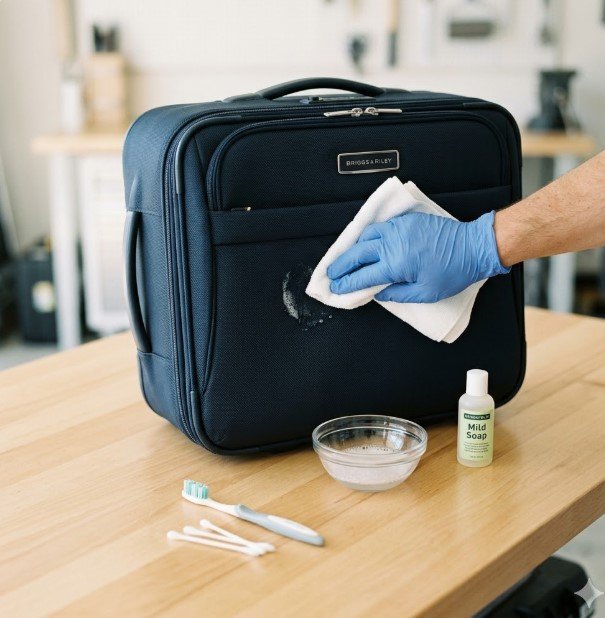
To clean Travelpro luggage, empty and vacuum the bag first. Spot-clean softside fabric with mild soap foam and a soft brush, or wipe hardside shells with a damp, soapy cloth. Clean the wheels and handles separately, avoid soaking the suitcase, and let every part air-dry completely before closing or storing it.
Travelpro makes both softside and hardside luggage, so the safest method depends on the material. Before cleaning, check the care label or instructions supplied with your specific model. Always test soap on a hidden area, such as the underside, before treating the entire bag.
⚡ The TidyFormula™ Quick Answer
The safest approach: Use as little moisture as possible and clean each component separately.
- Softside luggage: Vacuum, apply mild soap foam, gently scrub, and wipe with a barely damp cloth.
- Hardside luggage: Wipe with diluted mild soap, rinse with a clean damp cloth, and dry promptly.
- Avoid: Bathtubs, washing machines, pressure washers, bleach, abrasive pads, and soaking.
Check the Luggage Material Before Cleaning
Most Travelpro suitcases fall into one of two categories:
- Softside luggage: Woven polyester or nylon fabric over a structured frame. Spot-clean this material rather than saturating it.
- Hardside luggage: A molded plastic shell, such as polycarbonate or polypropylene. It can be wiped with a damp cloth but should not be flooded around seams, zippers, handles, or wheel housings.
Some bags also have leather trim, coated fabric, metal hardware, or decorative accents. Keep soap off these areas unless the care instructions specifically permit it. Test your cleaning solution on an inconspicuous spot and stop if you notice color transfer, fading, a change in texture, or a sticky finish.
What I Use For This Job
Using the right tools saves time and protects your belongings. Here are my exact recommendations:
*As an Amazon Associate, TidyFormula earns from qualifying purchases.
The Essential Travelpro Cleaning Toolkit
You do not need a specialized luggage shampoo for routine dirt. Gather the following:
- Mild Liquid Soap: Use a small amount of gentle dish soap or mild laundry detergent without bleach.
- A Vacuum with Attachments: Use the crevice tool and a brush attachment if available.
- A Soft or Medium Nylon Brush: A clean nail brush works well on durable woven fabric. Keep an old toothbrush handy for seams and zipper tracks.
- Microfiber Cloths: Have at least three available so you can clean, rinse, and dry with separate cloths.
- A Small Bowl: Use it to prepare the diluted soap solution or foam.
- Tweezers or Small Scissors: These help remove hair wound around wheel axles. Keep sharp tools away from the wheel surface and fabric.
Do not use bleach, acetone, paint thinner, adhesive remover, undiluted alcohol, melamine foam, or abrasive scouring pads. Commercial carpet cleaner can also leave residue or affect a fabric treatment, so it should not be the first choice.
Prepare the Suitcase
Remove clothing, packing cubes, removable pouches, luggage tags, and loose accessories. Open every pocket and shake the suitcase outdoors or over an easy-to-clean floor.
Extend the telescoping handle and inspect the bag for torn fabric, cracked shells, loose trim, damaged zipper teeth, and gaps around the wheels. Avoid forcing water or cleaner into damaged areas. If the suitcase has powered components, a tracking device, or a removable battery, follow the model instructions and remove or protect those parts before cleaning.
If you are treating a stain, identify it if possible. Blot wet spills instead of rubbing them deeper into the fabric.
Step 1: The Dry Extraction
If you add water to a dusty bag, the moisture can turn loose soil into mud and push it farther into the weave. Start by opening the suitcase completely.
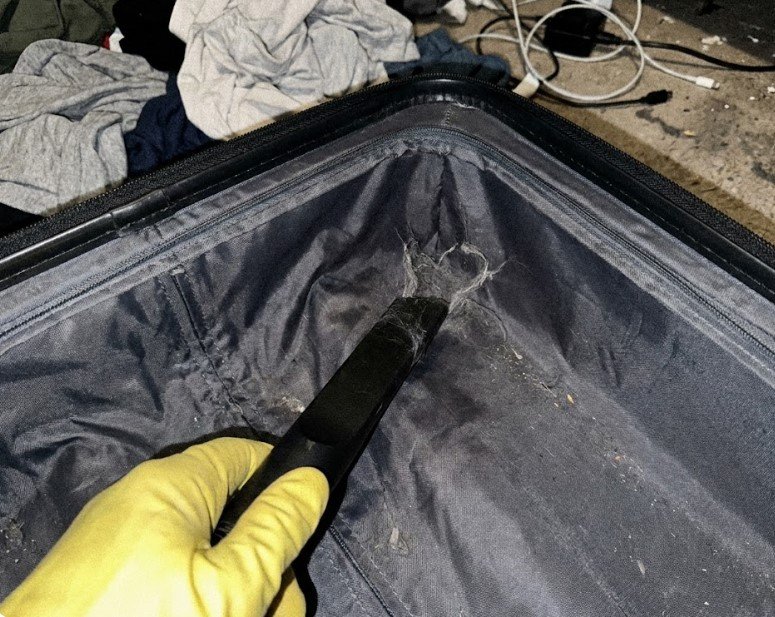
Use the crevice tool on your vacuum to go over the interior, pockets, seams, piping, and corners. Vacuum the exterior fabric as well, using light pressure so you do not pull loose threads into the nozzle.
For hardside luggage, remove loose dust with a dry microfiber cloth before using any moisture.
Step 2: Clean Travelpro Softside Luggage with Foam
A low-moisture foam method helps lift surface dirt without saturating the fabric, backing, frame, adhesives, or interior components.
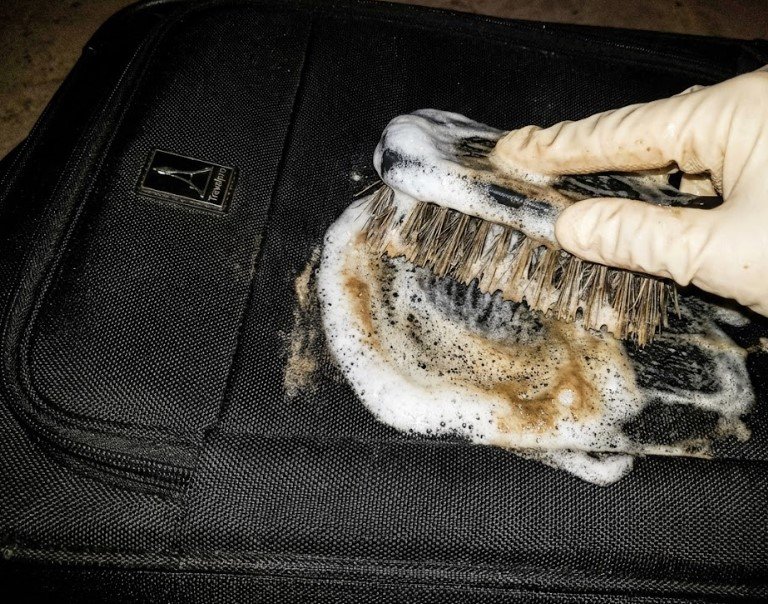
Add a few drops of mild liquid soap to a bowl of warm water and agitate it until foam forms. Use the bubbles from the top rather than loading the brush with liquid from the bottom. More soap is not better; excess detergent is harder to remove and can leave a dirt-attracting residue.
🧪 Why a Low-Moisture Method Helps
Foam lets you apply a small, controlled amount of cleaning solution to the surface. Gentle brushing loosens soil held between woven fibers, while a damp microfiber cloth removes the soap and suspended dirt. This reduces the chance of moisture reaching the suitcase structure or leaving water marks.
Test the foam on the bottom of the suitcase. Wait for the test area to dry and check for fading, darkening, stiffness, or color transfer.
If the test is successful, work on one small section at a time:
- Pick up foam with the brush or a microfiber cloth without soaking it.
- Gently agitate the fabric in short, overlapping motions. Follow the weave where practical.
- Do not scrub aggressively over printed logos, piping, loose threads, or worn fabric.
- Blot and wipe away the dirty foam before moving to the next section.
How to Clean Travelpro Hardside Luggage
Hardside luggage does not need the foam-and-brush treatment used for woven fabric.
- Mix a few drops of mild soap with warm water.
- Dampen a microfiber cloth and wring it out thoroughly.
- Wipe the shell in sections, paying attention to textured areas where dirt collects.
- Use a second cloth dampened with plain water to remove soap residue.
- Dry the shell with a clean towel, especially around seams, zipper tape, locks, and hardware.
Do not use an abrasive sponge or melamine foam on a glossy or coated shell. These materials can dull the finish. Deep scratches, stress marks, and transferred paint may not be removable through routine cleaning.
Step 3: Wipe Away Soap Residue
Grab a clean microfiber cloth and wring it out until it is barely damp. Wipe away the dirty foam from the luggage. Rinse and wring out the cloth frequently so you do not spread the soil to another section.
Make a final pass with a separate cloth lightly dampened with plain water. The fabric should feel clean rather than slick or soapy. If it still feels stiff after drying, soap residue may remain; repeat the plain-water wipe without saturating the material.
Clean the Wheels, Handles, and Zippers
Wheels
Wipe each wheel and its housing with a damp, mildly soapy cloth. Rotate the wheel as you clean so you can reach the full surface.
Use tweezers to pull out visible hair, thread, and carpet fibers wrapped around the axle. If necessary, carefully cut long fibers without nicking the wheel or axle. Do not flood the wheel bearing or spray lubricant onto the fabric. Stop and seek repair if a wheel remains locked, wobbles noticeably, or has a cracked housing.
Top, Side, and Telescoping Handles
Wipe fixed handles with a damp, soapy cloth, follow with a plain damp cloth, and dry them. Extend the telescoping handle and wipe the exposed tubes without pouring liquid into the openings.
If the handle sticks, first remove visible grit and wipe the tubes clean. Do not force a jammed handle or apply oil unless the instructions for your model recommend it, because lubricant can collect dust and stain nearby fabric.
Zippers
Use a dry toothbrush to dislodge grit from the zipper teeth and coils. Wipe the zipper pulls with a damp cloth, but do not push soapy water into the zipper tape.
Do not force a zipper that catches. Check for trapped lining, bent teeth, or loose thread before trying it again.
How to Clean the Interior Lining
Vacuum the interior first. For ordinary marks, spot-clean the lining with a microfiber cloth dampened with diluted mild soap. Blot from the outside of the mark toward the center, then wipe with a second cloth lightly dampened with plain water.
A zipper in the lining may provide repair access and does not necessarily mean the lining is removable or washable. Do not pull out or hand-wash the lining unless the instructions for your specific suitcase identify it as removable.
For a fresh liquid spill:
- Blot up as much liquid as possible with a clean, absorbent towel.
- Do not rub or push the spill toward seams and internal panels.
- Spot-clean the affected area with diluted mild soap.
- Blot again with a plain damp cloth.
- Leave the bag fully open until the lining and padding are dry.
Troubleshooting Stains and Odors
Grease or Baggage-Belt Marks
Blot fresh grease with a dry cloth. Apply a small amount of mild soap foam and work from the edge of the mark toward the center. Repeat light treatments instead of using a strong solvent.
Some dark marks are permanent abrasion or material transfer rather than removable dirt. Stop if the fabric color begins transferring to your cloth or the finish changes.
Soap Rings or Water Marks
Visible rings usually indicate uneven moisture or residue. Lightly wipe a slightly larger area with a clean, barely damp cloth, feathering the edge rather than wetting only the center. Blot with a dry towel and allow it to air-dry.
Musty Odor
Vacuum the suitcase and leave it open in a dry, well-ventilated location. Remove any damp accessories and confirm that pockets, padding, and seams are dry.
If you see fuzzy growth, recurring spots, or extensive moisture damage, stop cleaning indoors. Avoid brushing suspected mold because that can spread particles. Significant growth or damage inside padded sections may require professional assessment or replacement.
Sticky Handle
Clean the handle with mild soap and water, rinse it with a damp cloth, and dry it. If the surface remains tacky after it is clean and dry, the grip material may be deteriorating rather than dirty. Strong solvents can make the damage worse. A replacement part is the most durable solution; a clean handle wrap can be a temporary measure.
Drying, Reassembly, and Storage
Leave the suitcase fully open in a shaded, well-ventilated location. Open every pocket and position the bag so air can circulate around the lining, exterior, base, and wheel housings.
Avoid a clothes dryer, hair dryer, space heater, radiator, or prolonged intense sunlight. Excess heat can affect coatings, adhesives, plastic components, and the shape of the bag.
Before reassembly and storage:
- Check the corners, seams, pockets, padding, and underside for remaining moisture.
- Make sure the wheels and telescoping handle operate normally.
- Reattach only accessories that are completely dry.
- Close the suitcase only after the interior no longer feels cool or damp.
- Store it in a dry area rather than a humid basement, hot attic, or sealed plastic bag.
For routine prevention, wipe the handles and wheels after trips, remove crumbs and damp items promptly, and allow the open suitcase to air out before storing it.
The Final Results: What Cleaning Can and Cannot Fix
Routine cleaning can remove dust, surface soil, mild grease, and many fresh spills. It can also improve wheel movement when hair and fibers are obstructing the axles.
Cleaning will not repair deep shell scratches, worn coatings, torn fabric, bent zipper teeth, deteriorating rubber, cracked wheel housings, or a damaged telescoping-handle mechanism. Repeated aggressive scrubbing is more likely to damage the finish than remove permanent wear.
Frequently Asked Questions
Can I machine-wash, soak, or pressure-wash my Travelpro suitcase?
No. A washing machine, bathtub, hose, or pressure washer can drive water into internal panels, padding, bearings, seams, locks, and the telescoping-handle assembly. Use controlled spot-cleaning instead.
How do I clean the inside lining after a liquid spill?
Blot the spill immediately, vacuum loose debris after the area dries if necessary, and spot-clean with diluted mild soap. Follow with a plain damp cloth and leave the suitcase fully open. Do not assume a zippered lining is removable unless the model instructions say so.
Can I use commercial carpet cleaner on softside luggage?
It is better to start with diluted mild soap. Carpet cleaners may leave residue, discolor the fabric, or affect protective finishes. If another product is necessary, check the label for material compatibility and test it on the underside before broader use.
What should I do if the suitcase still smells musty after drying?
Recheck hidden pockets, seams, padding, and removable accessories for moisture. Vacuum the bag and ventilate it in a dry location. If the odor returns or visible growth appears, stop using the suitcase until the affected material can be properly assessed.
Does cleaning Travelpro luggage affect the warranty?
Routine care with mild soap is less risky than using harsh chemicals, solvents, excessive water, or abrasive tools. Warranty terms and model-specific care requirements can vary, so verify them before attempting stain removal or mechanical repair.
External Resource: For specific warranty questions or replacement parts, always verify details directly with the official Travelpro Product Care page.
Everything Mentioned Above
Before you leave, grab the tools you need to get the job done right the first time:
*As an Amazon Associate, TidyFormula earns from qualifying purchases.