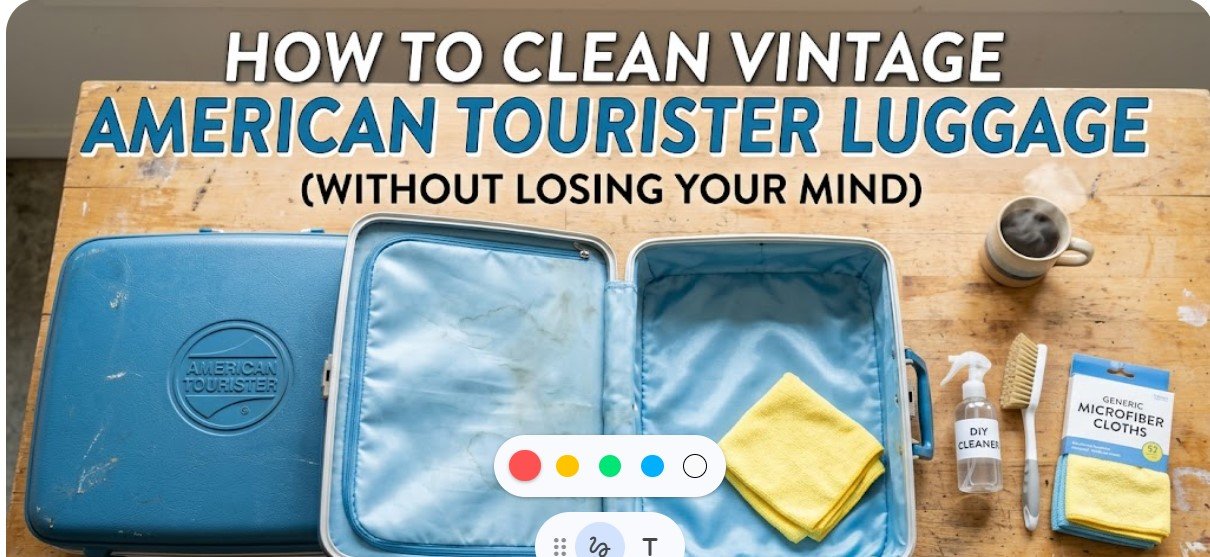
How to Clean Vintage American Tourister Luggage (Without Losing Your Mind)
I just dragged a heavy, hard-shell suitcase out of a thrift store, and it smells like a damp basement mixed with sour milk. I spent three hours yesterday scrubbing a mustard-yellow plastic brick from 1978. I tried three different methods that failed miserably before finding this one. And I learned the hard way that you cannot treat these old bags like modern plastic. (My cat actually hissed at the bag when I brought it home; it was that gross).
So, if you are looking for how to clean vintage american tourister luggage, put the hose down. The outside is tough, but the inside is basically paper waiting to disintegrate. I know the hacks say to soak it, but that is a disaster waiting to happen. Let’s get this done so you can actually use the bag without your clothes smelling like a 1940s attic.
⚡ The TidyFormula™ Quick Answer
The Verdict: Spot treat the hard shell with automotive foaming upholstery cleaner and a soft brush, then neutralize odors with a dry baking soda treatment.
- The Mix: Foaming aerosol cleaner, microfiber cloths, and white vinegar.
- Time: 45 minutes of active scrubbing.
- Effectiveness: 9/10. It won’t look brand new, but it will be clean.
The Tools I Used (And Why)
I am a cleaning realist. I refuse to buy expensive specialty luggage kits. If it isn’t under the sink or in my garage, I’m not interested. But I found that standard dish soap just isn’t enough for forty years of built-up grime.
- Automotive Foaming Upholstery Cleaner: This is the secret. It lifts dirt without soaking the cardboard interior.
- Soft Nylon Brush: An old toothbrush works for the metal latches.
- Microfiber Cloths: Expect these to turn black. And don’t use your good towels.
- White Vinegar: For the “science” part of killing the funk.
The Step-by-Step Method
Step 1: The Dry Brush and Vacuum
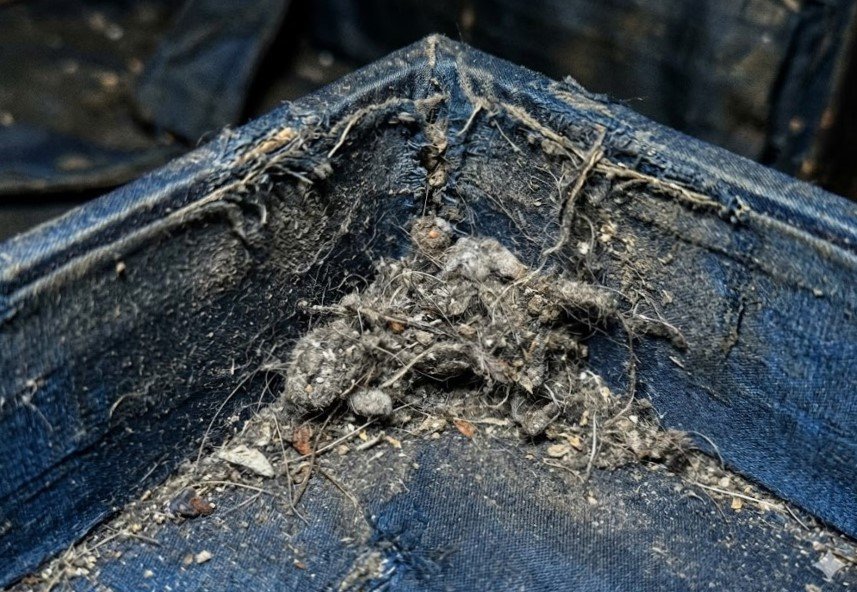
Start outside. Seriously. Open the suitcase and brush every inch of the lining with a dry brush. And listen to that awful crunching sound of old dust and mystery crumbs. Vacuum it all out. You want to remove the loose stuff before you add any liquid, or you’ll just be moving mud around.
What I Use For This Job
Using the right tools saves time and protects your belongings. Here are my exact recommendations:
*As an Amazon Associate, TidyFormula earns from qualifying purchases.
Step 2: Attacking the Hard Shell
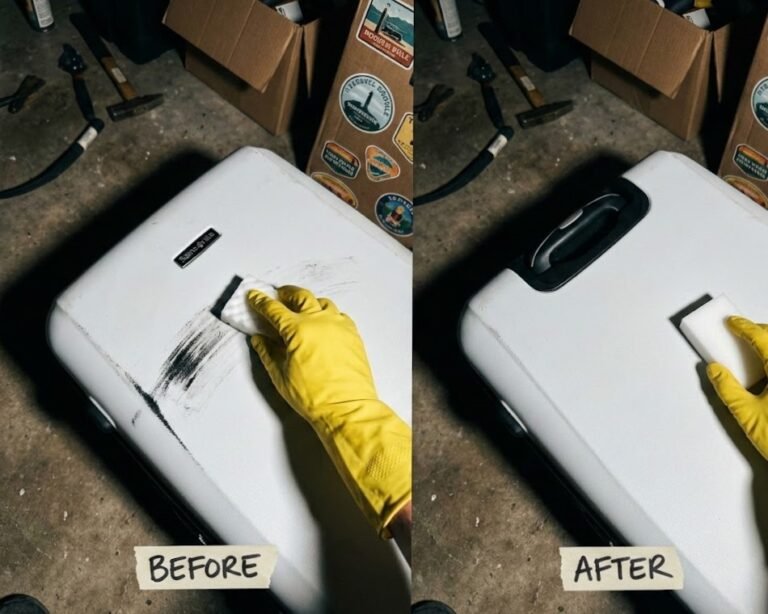
Spray the foaming cleaner on one section of the exterior plastic at a time. It will hiss and bubble. Use your nylon brush in circular motions. But work fast! You don’t want the foam to sit long enough to drip into the seams.
🧪 The Science: Why It Works
The surfactants in the foam act like microscopic magnets. They surround the grease and oxidized plastic particles, lifting them away from the textured surface so you can wipe them off. It’s basically an exfoliation for your suitcase.
Step 3: Deodorizing the Interior
To learn how to clean american tourister luggage interiors, you have to be gentle. Spray a very light mist of 50/50 vinegar and water on a cloth—not the bag—and wipe the lining. (I ruined a great vintage set once by being too aggressive here, so don’t be me). Let it air dry in the sun. Sunlight is the best natural disinfectant for that musty smell.
Reality Check: It Won’t Be Perfect
Will it look like it just came off the assembly line in 1965? No. But it will be 90% better. If the latches are rusted, you can use a tiny bit of steel wool and vinegar, but don’t expect miracles. If the smell is still there, you might need to check out our detailed guide on how to remove musty smells from old items.
Or, if you’re lazy like me sometimes, just throw a few of our recommended upholstery cleaner sheets inside and keep it closed for a week. Good enough for storage!
FAQ: The Skeptic’s Corner
Can I use bleach?
I wouldn’t. Bleach can make old plastic brittle and yellow. Stick to the foam or a mild soap.
What if the lining is torn?
Don’t clean it. Patch it first with fabric glue or it will shred even more when you touch it.
Is the vinegar smell permanent?
No, it vanishes in about an hour, taking the old basement smell with it.
Can I use a steam cleaner?
Bad idea. Heat can melt the old glues holding the lining together. (Ask me how I know… it wasn’t pretty).
How do I fix scratched plastic?
You can’t really “clean” a scratch, but the foaming cleaner will remove the dirt inside the scratch, making it much less visible.
What about the wheels?
Most vintage bags don’t have them, but if yours does, a little WD-40 on the axles works wonders for that squeak.
For more deep-cleaning and restoration tips, you can read our internal tutorials on safely cleaning mold from fabric, or restoring handles by cleaning vintage leather. For more general guidelines on modern bags, the experts at Good Housekeeping have a great maintenance checklist.
Everything Mentioned Above
Before you leave, grab the tools you need to get the job done right the first time:
*As an Amazon Associate, TidyFormula earns from qualifying purchases.