How to Clean Briggs and Riley Luggage at Home: The Frugal Guide
|
📅 Published: March 1, 2026
|
🔄 Last Updated: March 25, 2026
|
⏱️ 6 min read
You just dragged your bag off the baggage carousel, and it looks rough. It smells faintly of acrid tarmac dust and maybe some sour airplane coffee that spilled in the overhead bin.
What I Use For This Job
Using the right tools saves time and protects your belongings. Here are my exact recommendations:
*As an Amazon Associate, TidyFormula earns from qualifying purchases.
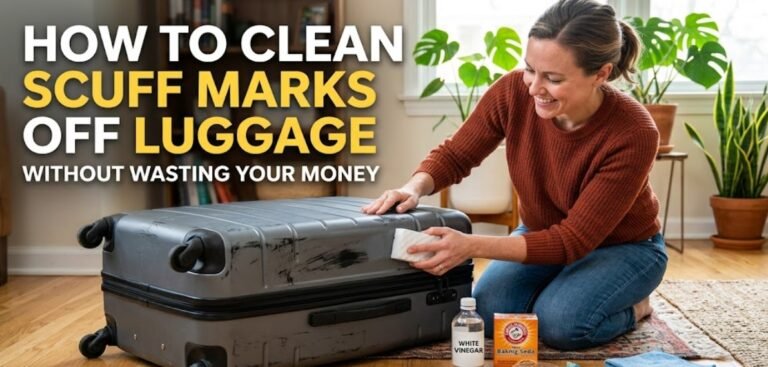
The plastic bumpers are scuffed—a common issue if you’re also used to cleaning hard shell luggage—and the ballistic nylon is covered in mystery gray streaks. You want to figure out how to clean Briggs and Riley luggage quickly, using stuff you already own. Because buying a $30 bottle of “specialty luggage shampoo” is ridiculous when simple DIY fabric cleaner mixes can do the trick.
⚡ The TidyFormula™ Quick Answer
The Verdict: Spot clean the nylon with dry foam, wipe the interior, and scrub the wheels with a toothbrush.
- The Mix: 3 drops of Dawn dish soap + 1 cup warm water (whipped into a froth).
- Total Time: 25–30 minutes (full clean) or 15 minutes (exterior only).
- Effectiveness: 9/10 — looks like a well-maintained bag, not a neglected one.
- Cost: $0 — everything you need is already under your sink.
Cleaning Methods at a Glance
This guide covers the full bag — exterior nylon, interior lining, wheels, and zippers. Here’s a quick map of what works where:
| Part | Best Method | Avoid | Time |
|---|---|---|---|
| Ballistic Nylon Exterior | Dish soap foam + stiff brush | Soaking, washing machine | 10–15 min |
| Interior Lining | Vacuum + barely damp cloth | Wet cloth, sprays | 5–8 min |
| Wheels & Housing | Damp cloth + toothbrush | Magic Eraser on nylon | 3–5 min |
| Zippers | Toothbrush + soapy water | Forcing stuck zippers dry | 2–3 min |
| Odors | Fresh air or baking soda | Chemical sprays inside | 1 hr – overnight |
The Frugal Setup: What You Actually Need
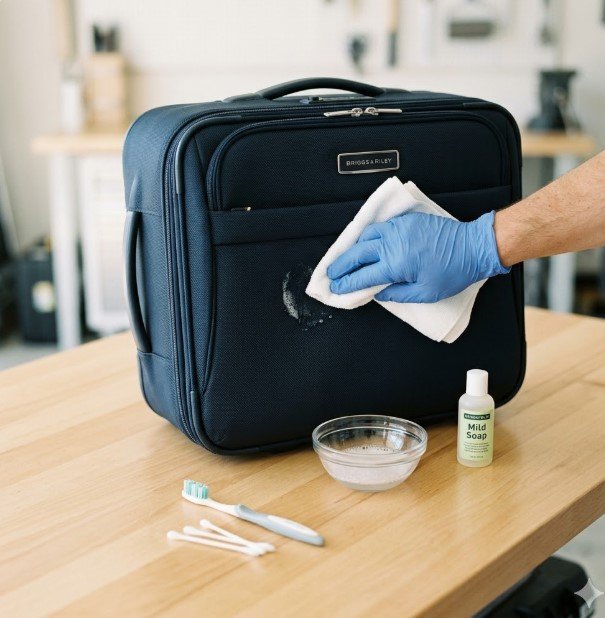
Don’t overcomplicate this. You need a dry scrubbing brush, a bowl of water, some basic dish soap, a microfiber cloth, and an old toothbrush for the corners and zippers. That’s it.
But before we get to the scrubbing, understand the physics. Briggs & Riley builds their bags from high-grade ballistic nylon — a tightly woven, extremely durable fabric originally developed for military body armor. It resists tearing beautifully, but that tight weave traps dirt like a net. It also sits over a semi-rigid internal frame with cardboard stiffeners, which means you can never soak the bag.
Part 1: Cleaning the Exterior Ballistic Nylon
Step 1 — Dry Brush First
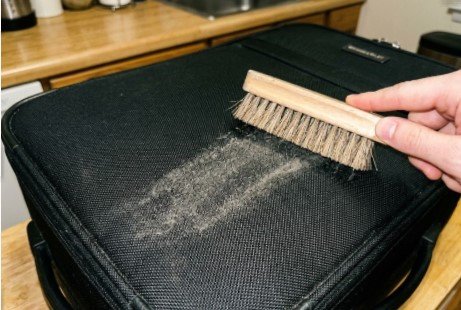
Start completely dry. Take your stiff brush and scrape the outside of the bag hard. You will hear a satisfying scratching sound as the bristles dig into the nylon weave. This knocks loose all the dried, crusted dirt before any water touches it. You will be surprised how much dust and grit flies off in this step alone.
Step 2 — Whip Up the Foam
Add a few drops of dish soap to your bowl of warm water. Agitate it hard with your brush until you get thick, hissing suds. The goal is to use the foam, not the water underneath it.
🧪 The Science: Why Foam Works on Ballistic Nylon
Dish soap contains surfactants — molecules with one water-loving end and one oil-loving end. When you apply foam instead of liquid, you deposit surfactants directly on the greasy tarmac stains without saturating the nylon weave. The surfactants lift the grease off the fibers and into the foam, which you then wipe away. Minimal moisture, maximum cleaning power.
Step 3 — Spot Scrub the Stains
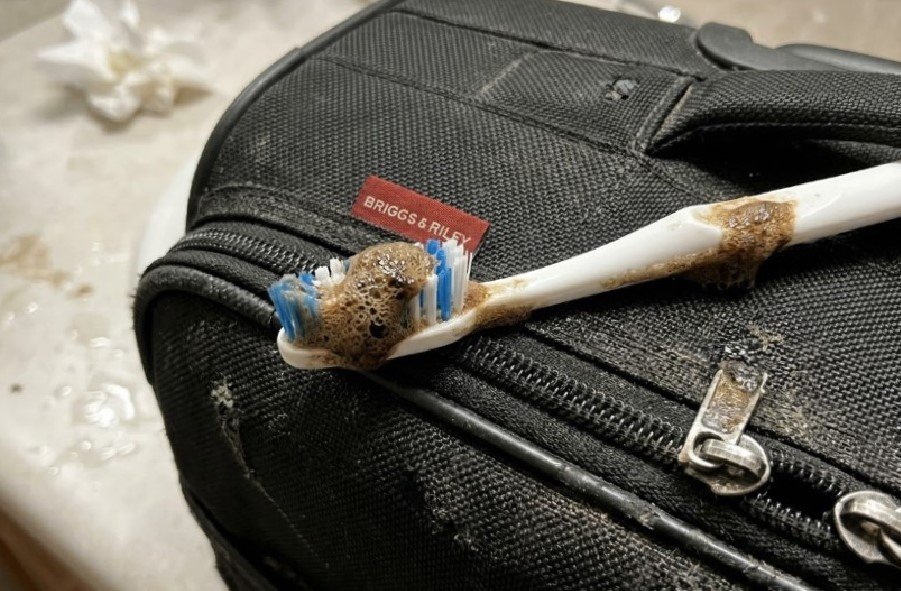
Scoop up just the foam with your brush. Scrub it directly onto the stains in tight circles. Watch the white foam turn brown. Work in small sections and don’t let the foam dry on the fabric. If you’re dealing with heavy tarmac grease from the airport conveyor belts, you might need to treat it like dealing with heavy grease stains on tough surfaces — multiple passes with fresh foam.
Step 4 — Wipe Down the Exterior
Take your microfiber cloth, get it slightly damp, and wring it out until it is barely wet. Wipe away all the dirty foam. The nylon should feel slightly textured and clean, not stiff or soapy. If it feels soapy, do one more pass with a clean damp cloth to remove residue. Leave it to air dry in a well-ventilated area.
Part 2: Cleaning the Interior Lining
This is the section most guides skip — and it is where most of the smell comes from. The interior of a Briggs & Riley bag is usually a nylon tricot lining that traps crumbs, dust, and spilled liquids from months of travel.
Step 1 — Vacuum It Out First
Use a vacuum with a brush attachment on the interior before any moisture goes in. Get into the pockets, corners, and along the seams. You will pull out a disturbing amount of debris — cracker crumbs, lint, hair, and mystery dust.
Step 2 — Wipe the Lining
Dampen your microfiber cloth with warm water and add the tiniest drop of dish soap — we are talking one drop for the whole interior. Wipe down the lining in sections, working from top to bottom. Pay attention to the flat bottom panel, which takes the most abuse. The key is barely damp — you are cleaning the surface, not washing the lining.
Step 3 — Air Dry With the Bag Open
Leave the bag unzipped and standing open for at least 2–3 hours before closing. This prevents moisture from being trapped inside, which is the main cause of musty smells returning.
Part 3: Cleaning the Wheels and Zippers
The Wheels
The spinner wheels on Briggs & Riley bags are built tough, but the wheel housing collects a black, compacted ring of tarmac grit and hair. Here’s how to deal with it:
- Flip the bag on its side.
- Wipe the outer surface of the wheel housing with a damp cloth.
- Use an old toothbrush dipped in soapy water to scrub into the tight gap between the wheel and the housing — that’s where the gunk packs in.
- A Magic Eraser is safe on the hard plastic wheel housing to remove scuff marks. Do not let it touch the nylon fabric.
- Wipe dry and spin each wheel to check it rolls smoothly.
The Zippers
Briggs & Riley uses YKK zippers, which are excellent but still collect dirt in the teeth over time — especially on checked luggage that goes through conveyor belts. A stuck or gritty zipper is usually just dirty, not broken.
- Dip an old toothbrush in plain soapy water.
- Scrub along the zipper teeth in both directions — you will see brown dirt lift off immediately.
- Wipe with a damp cloth.
- Once dry, run a graphite pencil tip along the teeth or use a tiny amount of zipper lubricant to keep them gliding smoothly.
The Reality Check: When This Method Falls Short
Let’s be real. This method makes the bag about 90% better. It will not look new. If you dragged it through a puddle of motor oil, dish soap foam is going to struggle. For serious grease, you might need a heavier solvent — but test it on a hidden seam first because rubbing alcohol can bleach dark nylon.
The “Lazy Alternative” for quick touch-ups: grab a baby wipe and aggressively wipe down the plastic wheels and handles. Honestly, clean wheels make the whole bag look twice as clean without touching the nylon at all.
The Skeptic’s FAQ
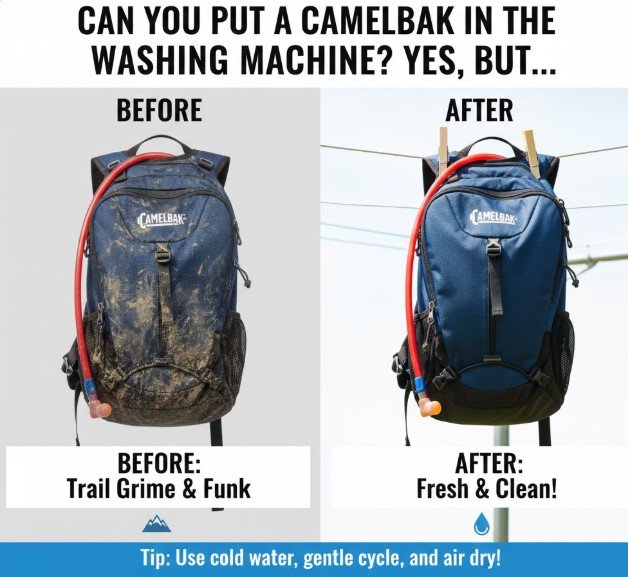
Can I put my Briggs and Riley bag in the washing machine?
Absolutely not. The machine will destroy the internal frame and permanently warp the cardboard stiffeners.
Do I need a special ballistic nylon cleaner?
No. Basic dish soap foam works just as well and costs pennies. The expensive “luggage shampoos” are mostly marketing.
How do I clean the inside of my Briggs and Riley luggage?
Vacuum it first, then wipe with a barely damp cloth with one drop of dish soap. Let it air dry completely with the bag standing open for at least 2–3 hours.
How do I clean the wheels?
Use an old toothbrush and soapy water to scrub the wheel housing and the gap between the wheel and the frame. A Magic Eraser works on the hard plastic housing only — never the nylon fabric.
How do I get rid of the airplane smell?
Leave it open outside in the shade for a day. For stubborn smells, use baking soda inside for a few hours, then vacuum it out. Fresh air beats chemical sprays every time.
What if the stain is oil-based?
You might need a tiny dab of rubbing alcohol, but spot test it on a hidden seam first so you don’t bleach the fabric.
Will this make the bag look brand new?
No. It will look like a clean, well-maintained used bag. Scuffs on the plastic bumpers and wheel housing are permanent.
Is a Magic Eraser safe to use on Briggs and Riley luggage?
Only on the hard plastic wheels or handles. Never use it on the ballistic nylon — it will abrade and shred the fibers.
For warranty information on your specific bag, always double-check the official Briggs & Riley care page. But for routine maintenance, everything you need is already under your sink.
Everything Mentioned Above
Before you leave, grab the tools you need to get the job done right the first time:
*As an Amazon Associate, TidyFormula earns from qualifying purchases.