How to Remove Mildew Smell from Shoes
To remove mildew smell from shoes, start by drying them completely, then treat the inside with baking soda or a diluted vinegar wipe-down (if the material allows it), and finish with several days of full air-drying in a well-ventilated spot. The smell almost always comes from trapped moisture, so odor treatment only works if you also fix the drying problem.
Shoes that sit in a gym bag, a damp mudroom, or a closed car for even a day or two can pick up that musty smell fast, especially mesh sneakers and lined boots that hold moisture longer than they show on the surface.
⚡ The TidyFormula™ Quick Decision
Best approach: Fully dry the shoes first, then use baking soda for ongoing odor and a light vinegar wipe (only on materials that tolerate it) for a deeper mildew smell, followed by open-air drying.
Use caution with: Suede, leather, glued soles, and any shoes with a care label that restricts moisture or specific cleaners.
Stop and reassess if: You see dark or fuzzy spots, the smell returns within a day of drying, or the insole material feels soft, crumbly, or discolored after treatment.
What I Use For This Job
Using the right tools saves time and protects your belongings. Here are my exact recommendations:
*As an Amazon Associate, TidyFormula earns from qualifying purchases.
Why Shoes Develop a Mildew Smell
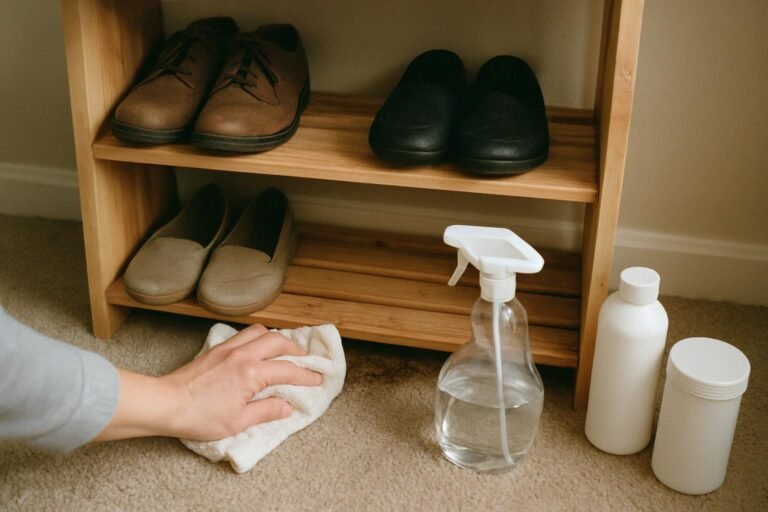
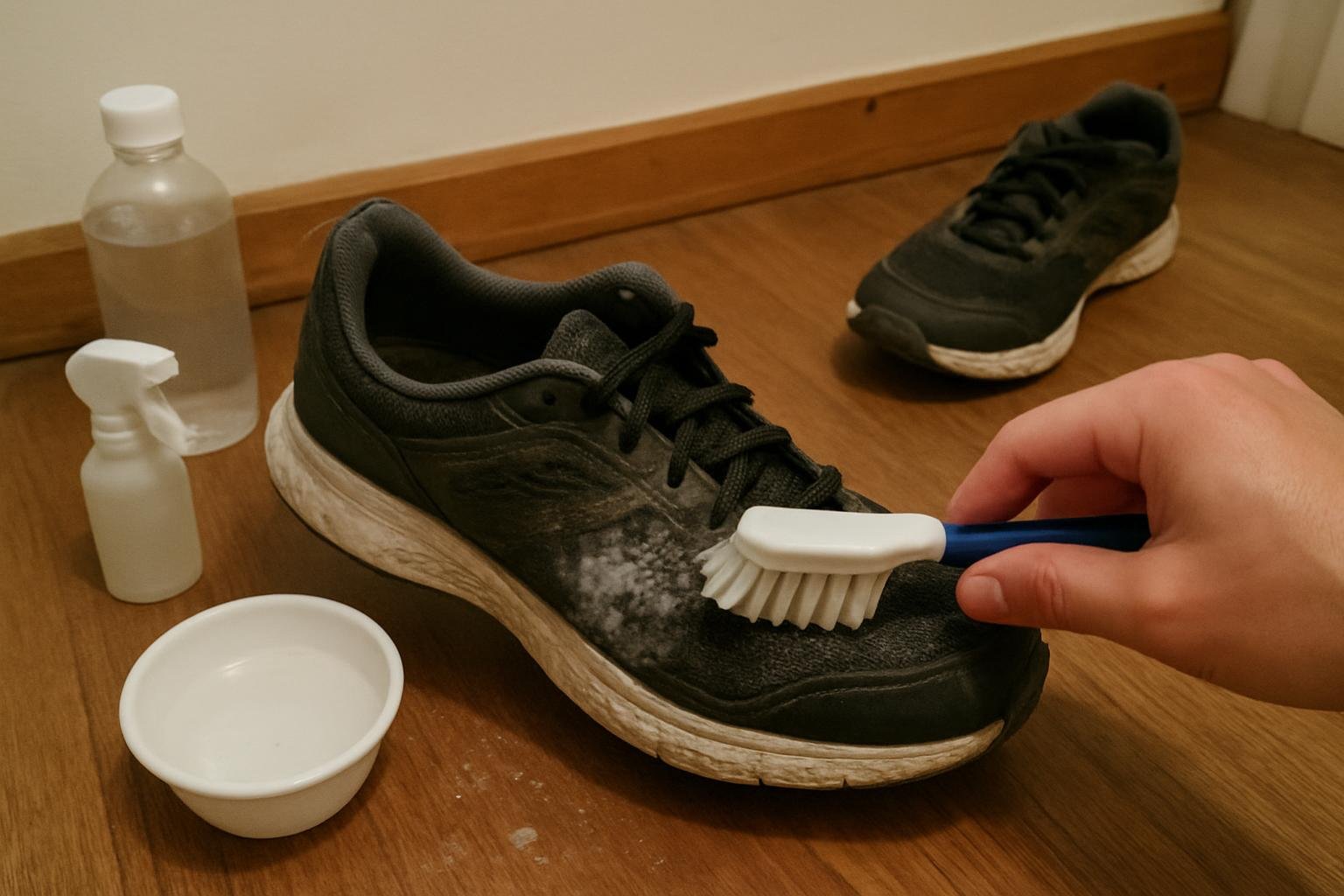
Mildew smell in shoes usually points to moisture that never fully evaporated, combined with sweat, dirt, or organic residue trapped inside the lining or insole. Closed-toe shoes and boots are especially prone to this because air can’t circulate once you take them off and toss them in a closet or bin.
The smell itself is not something you can verify or eliminate with certainty just by cleaning at home, and this guide does not claim to disinfect or eliminate mold. The goal here is practical: reduce moisture, lift odor-causing residue, and let the shoes dry the way they were designed to.
Check the Shoe Material Before You Treat It
Before choosing a method, look at what the shoe is actually made of, since the safest approach changes depending on the material.
- Canvas or mesh sneakers: Generally tolerate light moisture and machine washing on some models, but check the care tag or manufacturer instructions first.
- Leather or faux leather: Can dry out, crack, or stiffen with too much moisture or the wrong cleaner. Avoid soaking.
- Suede: Very sensitive to moisture and vinegar. A dry method, such as baking soda alone, is the safer choice.
- Synthetic athletic shoes with foam midsoles: Usually handle light cleaning well, but glued components can loosen if left wet too long.
- Boots with removable liners: Take the liner out whenever possible so both pieces can dry independently.
If you’re not sure what a shoe is made of, treat it as a delicate material and choose the gentlest method first.
Step-by-Step: Removing Mildew Smell from Shoes
- Remove insoles and laces. Take out anything removable so air and any treatment can reach the full interior, not just the surface.
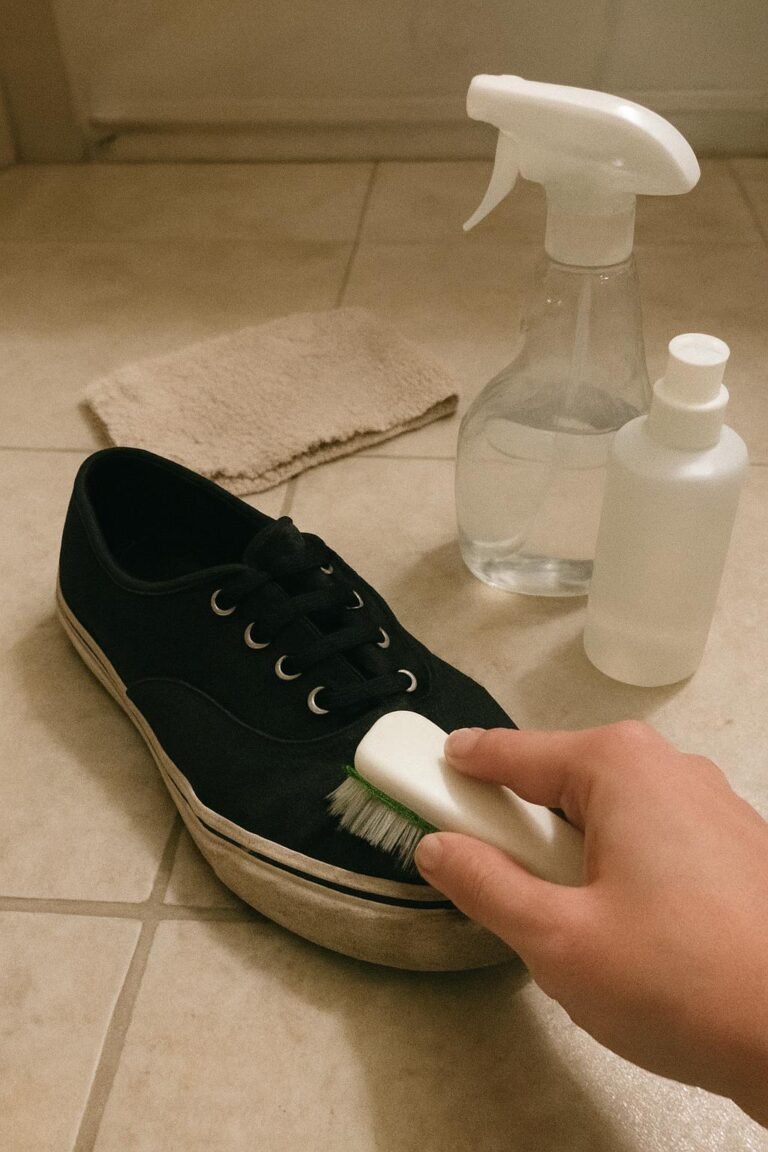
- Wipe away visible dirt or residue. Use a dry cloth or soft brush on the interior lining before adding any moisture.
- Sprinkle baking soda inside each shoe. Let it sit for several hours, or overnight if the odor is strong. Baking soda helps absorb residual moisture and some surface odor without adding more dampness.
- Shake out the baking soda thoroughly. Turn the shoes upside down and tap out as much powder as possible, then vacuum the interior if any residue remains.
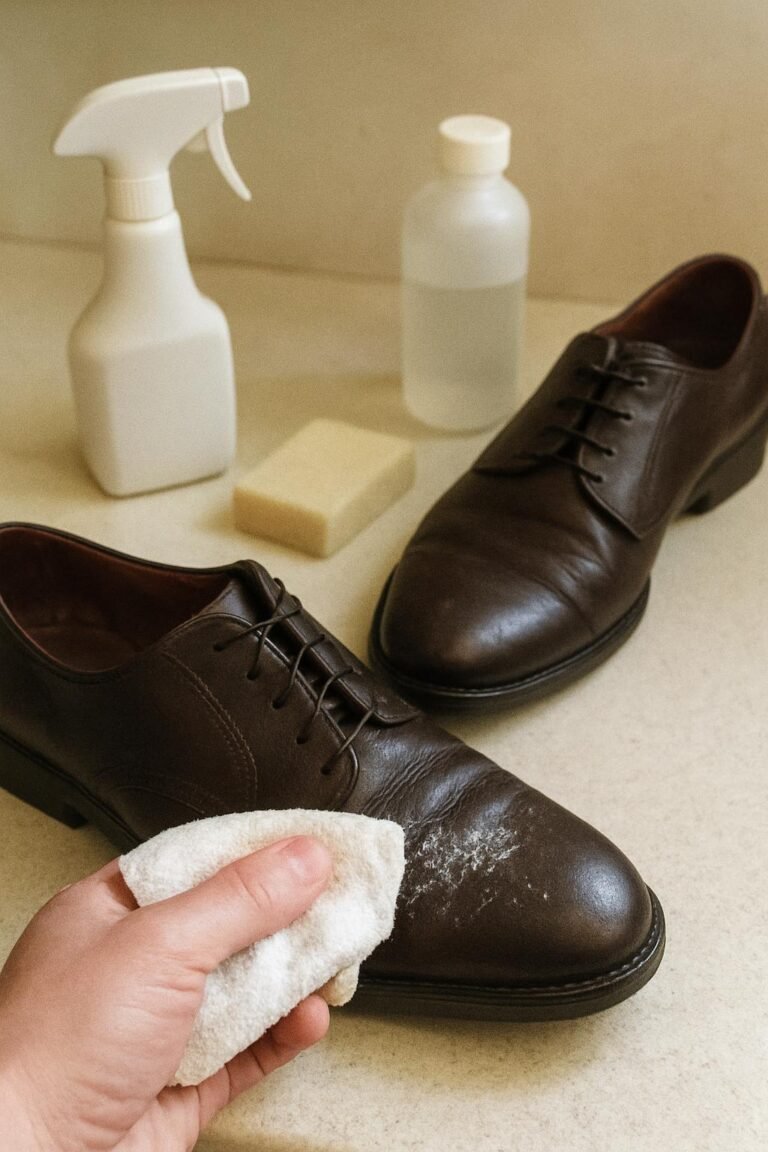
- If the smell persists and the material allows it, lightly wipe the interior with a cloth dampened in a mild vinegar-and-water mix. Avoid this step on suede, leather, or shoes with a care label that advises against moisture or vinegar. Do not soak the shoe, and never combine vinegar with bleach or other cleaning products.
- Let the shoes air-dry completely in a ventilated area. Avoid direct heat sources like radiators or hair dryers, which can warp glue lines or shrink certain fabrics. Drying fully, inside and out, typically takes longer than it looks from the outside, especially for lined boots.
- Wash removable insoles separately if they’re washable. Let them air-dry fully before placing them back in the shoe, since a damp insole can undo the rest of the treatment.
When Machine Washing Makes Sense
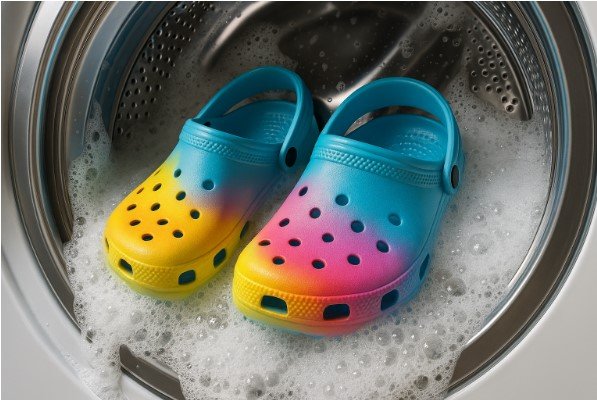
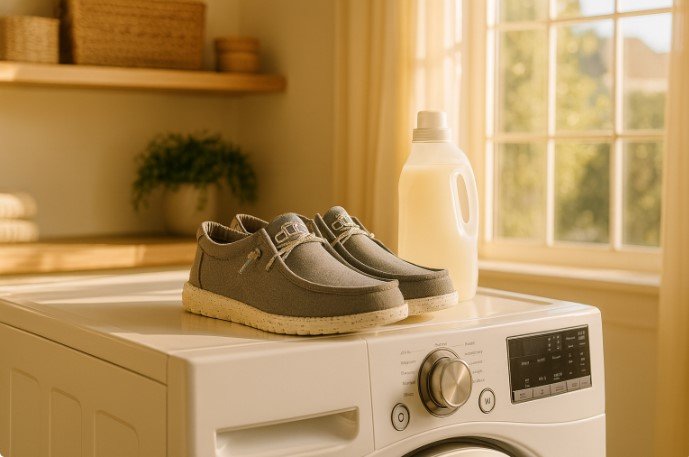
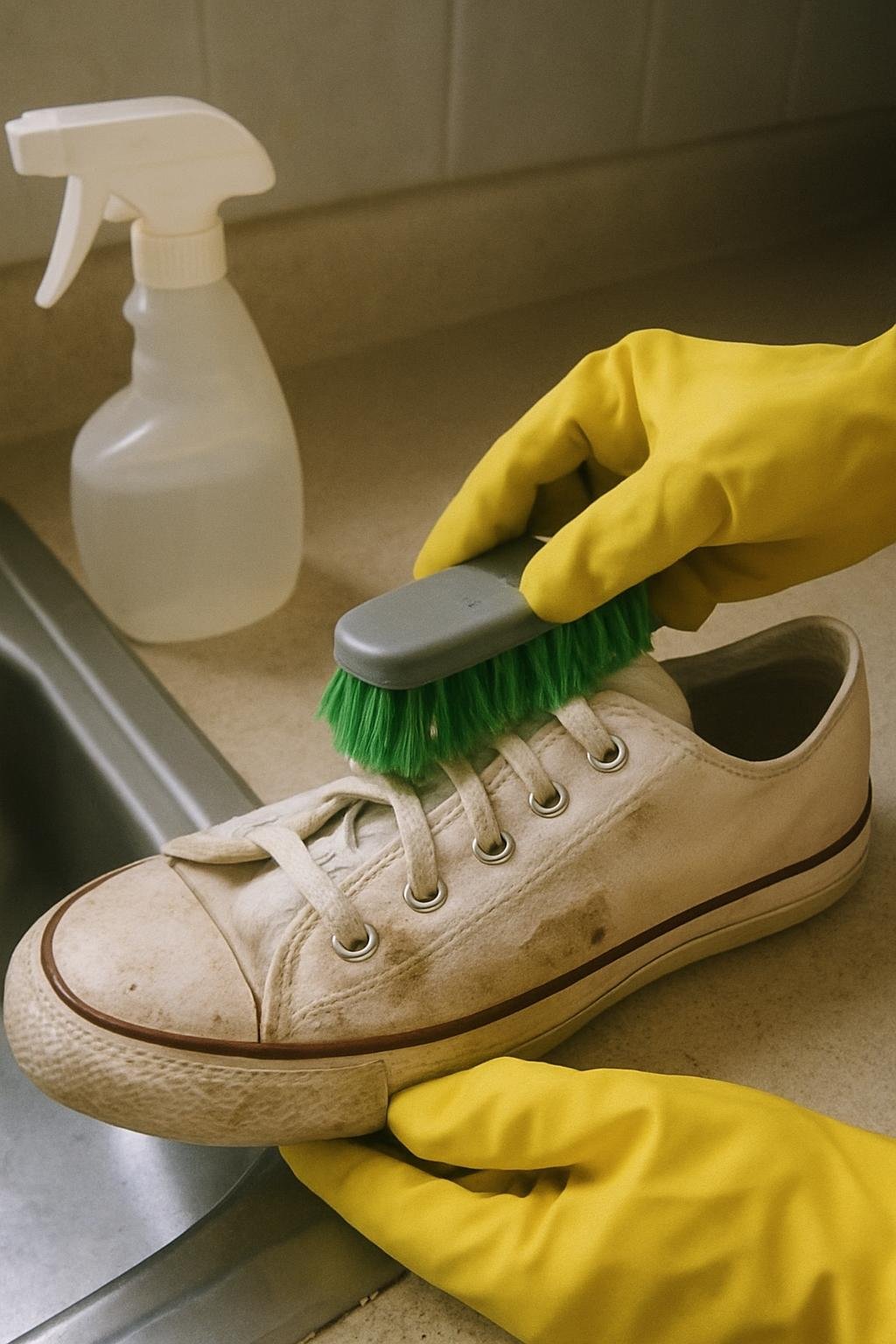
Some canvas or mesh sneakers can go in a washing machine on some models, but only if the manufacturer’s care instructions confirm it. Even then, avoid high heat in the dryer afterward, since heat can shrink fabric or loosen glued soles. Air-drying is the safer choice for washable sneakers as well as delicate ones.
If you’re building out a broader home cleaning routine, the household cleaning checklist can help you keep shoe care on a regular schedule instead of only addressing it once odor shows up.
Cleaning Mistakes That Make Mildew Smell Worse
- Storing shoes while still damp. This is the most common reason mildew smell returns even after cleaning.
- Using too much liquid on leather or suede. Excess moisture can cause staining, stiffening, or warping that no odor treatment will fix.
- Sealing shoes in a closed bin or plastic bag right after cleaning. Trapped humidity restarts the same problem you just treated.
- Skipping the insole. A damp or dirty insole can hold odor even when the rest of the shoe smells clean.
- Applying heat to speed up drying. Direct heat can damage adhesives, foam, and certain synthetic materials.
Preventing Mildew Smell from Coming Back
Let shoes dry fully between wears, especially athletic shoes and boots used in wet or sweaty conditions. Rotating two pairs so each gets a full day to dry out helps more than any cleaner. Store shoes somewhere with airflow rather than a sealed bin, and keep a small container of baking soda inside shoes you’re not currently wearing to help absorb ongoing moisture.
If you’re also dealing with odor or stains elsewhere in the house, the cleaning chores checklist can help you stay ahead of moisture-related problems before they set in.
When to Stop and Consider Replacing the Shoes
If the mildew smell returns within a day of thorough drying, or if you notice fuzzy growth, soft or crumbling material, or a smell that seems to be coming from inside the sole rather than the lining, further home treatment may not resolve it. At that point, the shoes may have retained moisture in a layer you can’t reach, such as internal padding or sole material, and replacing them is often more practical than continued cleaning attempts.
Everything Mentioned Above
Before you leave, grab the tools you need to get the job done right the first time:
*As an Amazon Associate, TidyFormula earns from qualifying purchases.