

How to Clean Fish Tank Glass Safely (Inside and Outside)
To clean fish tank glass, wipe the outside with a diluted vinegar-and-water solution on a cloth, then clean the inside with a magnetic algae scraper for everyday film and a razor blade (glass tanks only) for stubborn, calcified spots. This can be done without draining the tank or removing the fish, as long as you avoid soap, harsh chemicals, and sudden disturbances to the substrate.
Quick Answer
Use a magnetic scrubber for regular maintenance and a razor blade scraper for stubborn algae on glass tanks only. Clean the outside with a vinegar-water mix on a cloth, never sprayed directly at the tank. Keep soap, cleaning sprays, and other chemicals away from the water at all times.
- Tools: Magnetic algae scraper, razor blade scraper (glass tanks) or plastic/melamine scraper (acrylic tanks), a cloth, and diluted vinegar for the outside.
- Time: Roughly 10–15 minutes for routine maintenance, longer if algae has built up.
Glass vs. Acrylic: Check Your Tank Type First
Before scraping anything, confirm what your tank is made of, because the safe tools are different.
- Glass tanks: Can generally tolerate a razor blade scraper for hardened algae, since glass is far more scratch-resistant than acrylic.
- Acrylic tanks: Scratch much more easily. Never use a razor blade or an abrasive sponge on acrylic. Use only pads, cards, or scrapers labeled “acrylic safe,” and check your tank manufacturer’s care instructions if you’re unsure what’s appropriate for your specific model.
If you don’t know which material your tank is made from, treat it as acrylic and use the gentler tools until you can confirm otherwise.
The Gear: What Actually Works
Magnetic Scrubbers vs. Razor Blades
Most tanks benefit from having both tools on hand, used for different jobs.
What I Use For This Job
Using the right tools saves time and protects your belongings. Here are my exact recommendations:
*As an Amazon Associate, TidyFormula earns from qualifying purchases.
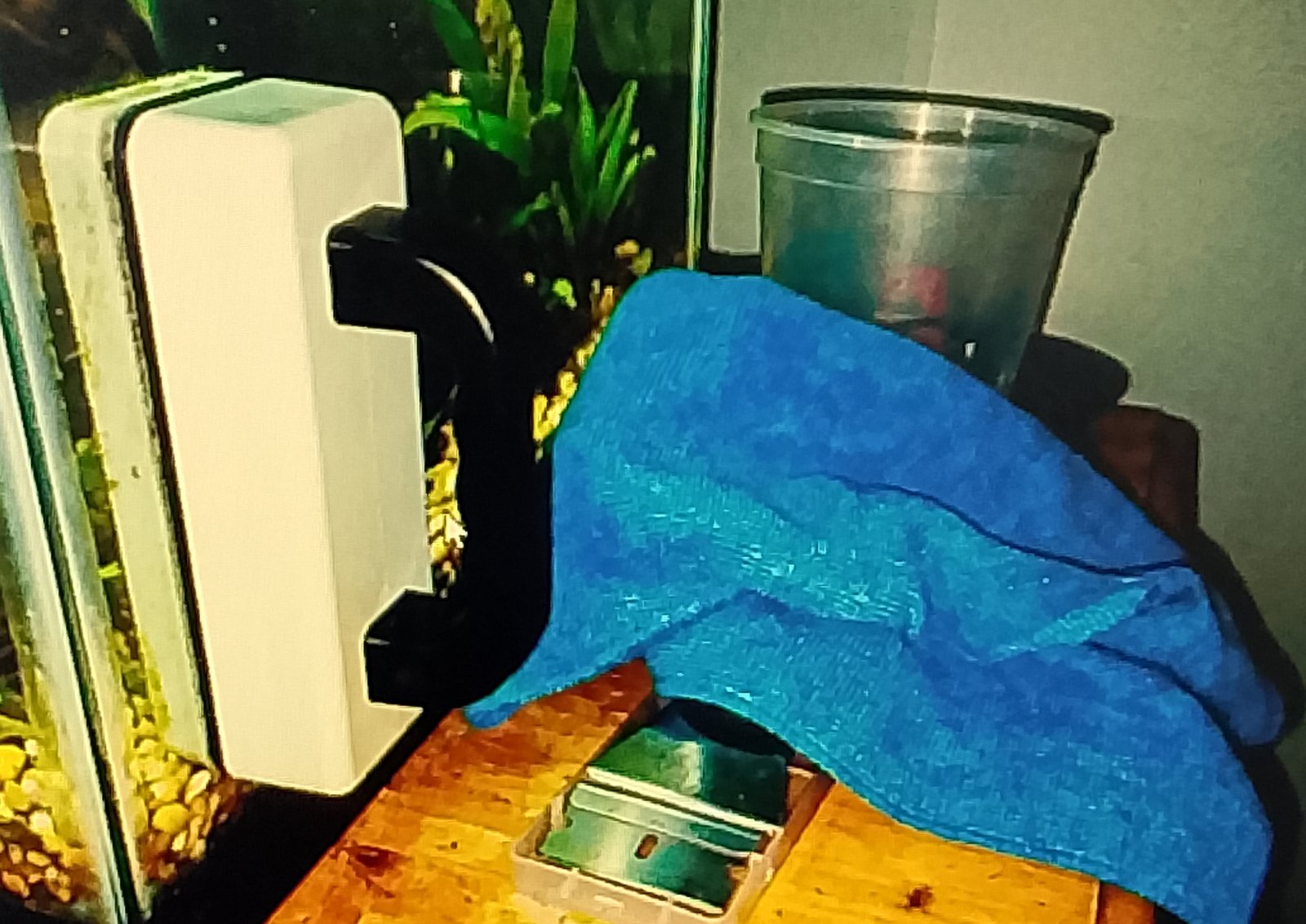
- Magnetic scrubbers: A two-part magnet, one half inside the tank and one outside. Good for soft brown algae or light green film. Grit or sand caught between the magnet and the glass can scratch the surface, so check the pads for debris before and during use.
- Razor blades: For glass tanks only, a razor blade scraper handles hardened, calcified green spots that a magnet won’t remove. Never use a razor blade on acrylic.
Step 1: Clean the Outside Glass First
Before assuming you have an algae problem, check whether what you’re seeing is simply dried water spots or fingerprints on the outside of the tank. Cleaning the outside is straightforward, since it doesn’t involve the aquarium ecosystem at all.
Mix white vinegar and water in roughly equal parts in a spray bottle. Never spray directly onto or into the tank. Spray a cloth or paper towel away from the tank, then wipe the glass down.
- Check the smell: It should smell mild and vinegary, not strongly chemical.
- Check the result: If streaks are gone from the outside but green residue remains, the issue is on the inside.
Step 2: Clean Aquarium Glass Inside With a Magnetic Scrubber
Use the magnetic scrubber for the inside first, moving it slowly and steadily. Moving too quickly can cause the inside magnet to detach, drop to the bottom, and stir up debris that takes time to settle.
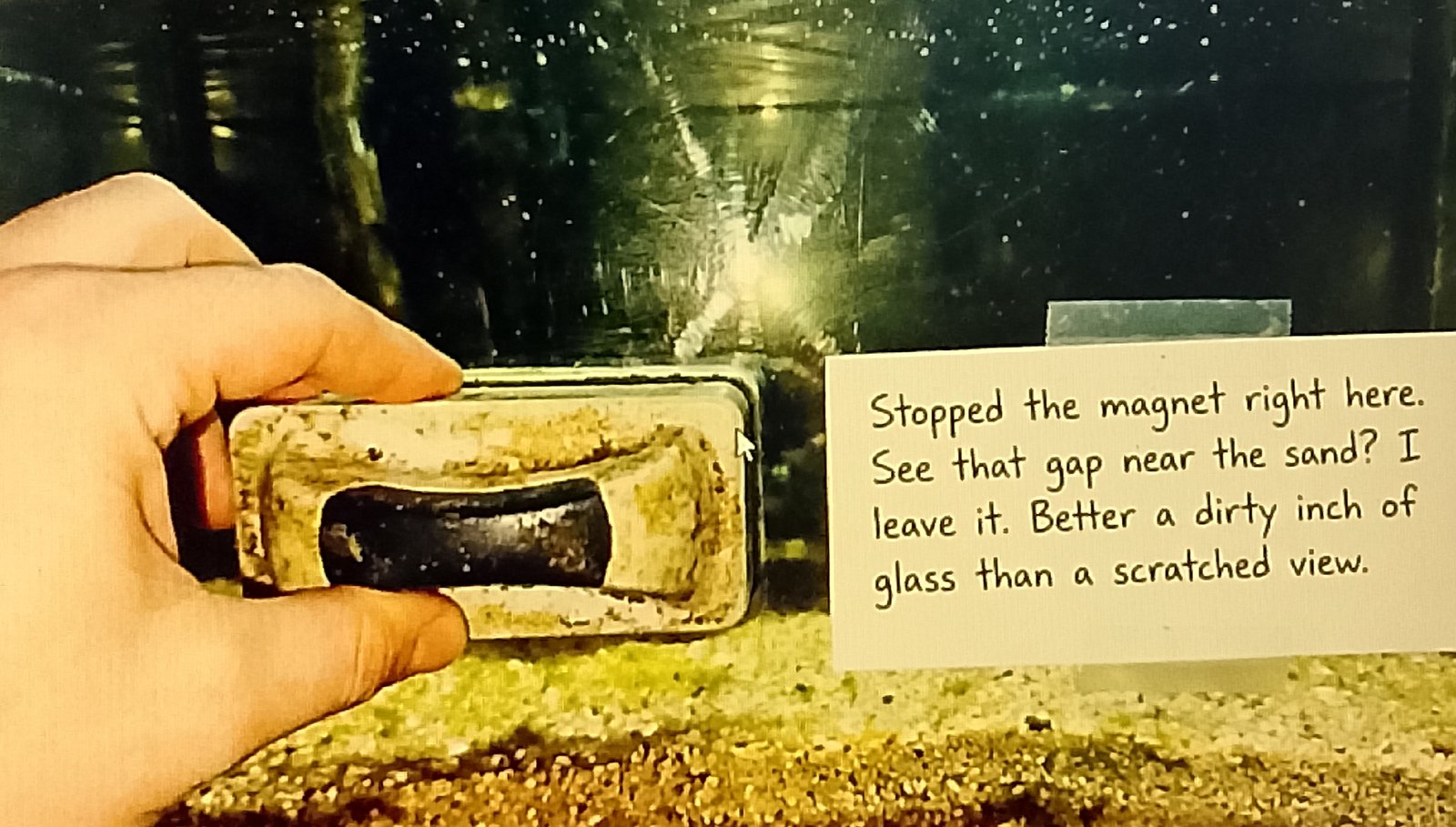
Stay clear of the substrate. Stop the magnet a couple of inches above the sand or gravel line rather than pushing all the way down, to avoid picking up grains that could scratch the glass.
Step 3: Scrape Stubborn Algae (Glass Tanks Only)
For hardened green spot algae that the magnet doesn’t remove, a razor blade scraper can help — but only on glass tanks.
- Wash and rinse your hands thoroughly, with no soap residue left behind.
- Reach into the tank with the scraper.
- Hold the blade at roughly a 45-degree angle against the glass.
- Scrape downward in smooth, controlled strokes.
The algae will come off in small flakes or ribbons that float into the water column temporarily.
Why Soap Doesn’t Belong in the Tank
Avoid using dish soap, kitchen sponges with cleaning agents, or scented sponges on any surface that touches the tank water. Even trace amounts of surfactant residue can affect water chemistry and are difficult to rinse away completely. Use plain water and dedicated aquarium tools instead.
Step 4: Let the Filter Handle the Debris
After scraping, the water will look cloudy with small flakes of algae suspended in it. This is normal and doesn’t require netting everything out by hand.
- The filter: Your filter will pull most of the floating debris out of the water column within an hour or so.
- A water change: If there’s a large amount of algae, this is a convenient time to do a routine partial water change (commonly around 10–20%, depending on your tank’s usual schedule) and siphon out debris while it’s still suspended.
How to Clean Fish Tank Glass Without Removing Fish
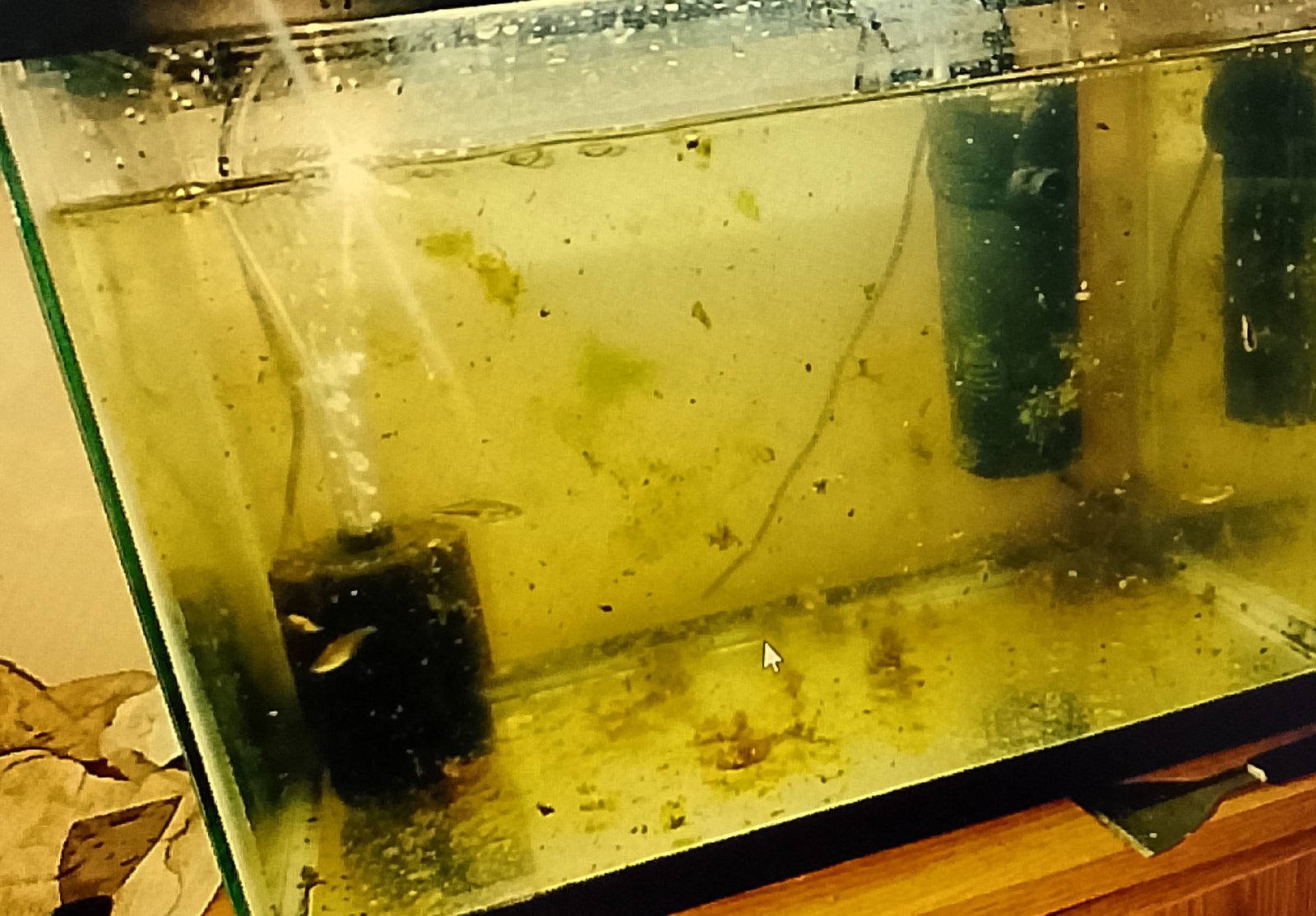
None of the steps above require draining the tank or catching the fish. Working directly in an established tank avoids unnecessary stress to the fish and disruption to the beneficial bacteria that help keep the water stable. A few precautions make this safer:
- Rinse your hands and forearms thoroughly before reaching into the water — no soap, lotion, hand sanitizer, or perfume residue.
- Move slowly and avoid sudden movements near the fish.
- Keep any cleaning products (glass cleaner, disinfectant, etc.) in a different room while you work.
- If you’re cleaning decorations or ornaments outside the tank, rinse them thoroughly with plain water before returning them, especially if any cleaning product was used.
Safety of Cleaning Agents Around Aquatic Life
Aquarium water chemistry is sensitive, and residues that seem minor can affect it. A tank isn’t meant to be sterile — the goal is to manage buildup, not eliminate all biological activity.
- Hand sanitizer: Avoid using it right before working in the tank. If you have used it, wash your hands thoroughly with plain soap and water, then rinse well before touching the tank.
- Lotion or perfume: Rinse your arms up to the elbow if you’re reaching in deep.
- Household glass cleaners (e.g., ammonia-based sprays): Keep these away from the tank area entirely; even airborne residue can be a concern.
Optional: Leaving Some Algae on the Back Wall
Some aquarium keepers deliberately leave the back wall of the tank uncleaned. It can hide cords and tubing behind the tank and give grazing fish something to pick at. This is a matter of preference rather than a required maintenance step, and it doesn’t replace cleaning the front and side viewing panels.
Mistakes to Avoid
- Using a razor blade or abrasive sponge on an acrylic tank.
- Spraying glass cleaner or vinegar solution directly at or into the tank.
- Letting the magnetic scrubber drop and drag through the substrate.
- Using a sponge or cloth that has ever had soap, dish detergent, or scented cleaner on it.
FAQ
Can I use a magic eraser inside my fish tank?
Plain melamine foam sponges are sometimes used by aquarium keepers on glass, but only if the product has no added soap, cleaning agents, or fragrance. Check the packaging carefully — many “magic eraser” products include additives not intended for aquarium use. If in doubt, choose a scraper or pad specifically labeled for aquarium use.
Why does algae come back a few days after cleaning?
Recurring algae is usually a sign of a nutrient or lighting imbalance — often overfeeding or too many hours of light per day. Reducing feeding slightly and shortening the light period (many hobbyists start around 6–8 hours) can help, though the right balance depends on your specific tank and livestock.
Is it safe to put my arm in the tank with the fish?
Most freshwater fish will not harm you, though some larger or territorial species may nip. Wash your hands and arms thoroughly before and after reaching into the tank to avoid introducing oils, lotion, or soap residue into the water.
Do algae-eating fish clean the glass on their own?
Species like plecos or otocinclus eat some algae but typically leave patches or trails rather than clearing the glass completely. They can reduce how often you need to scrape, but they don’t eliminate the need for manual cleaning.
What if I have an acrylic tank?
Skip the razor blade entirely. Use a soft plastic scraper or melamine sponge designed for acrylic, and check your tank’s manufacturer instructions for any specific product recommendations, since acrylic scratches far more easily than glass.
Everything Mentioned Above
Before you leave, grab the tools you need to get the job done right the first time:
*As an Amazon Associate, TidyFormula earns from qualifying purchases.