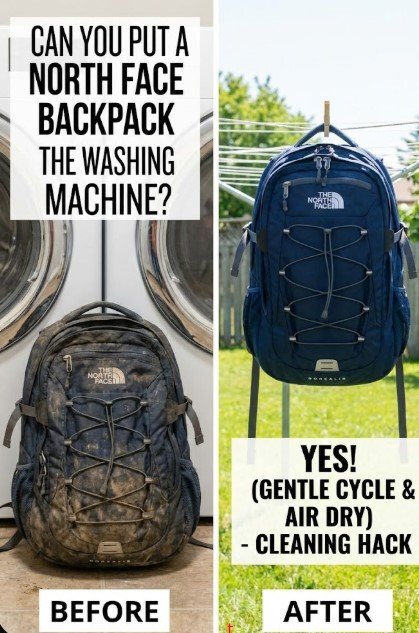
Can You Put a North Face Backpack in the Washing Machine? Usually No — Here’s the Safe Way
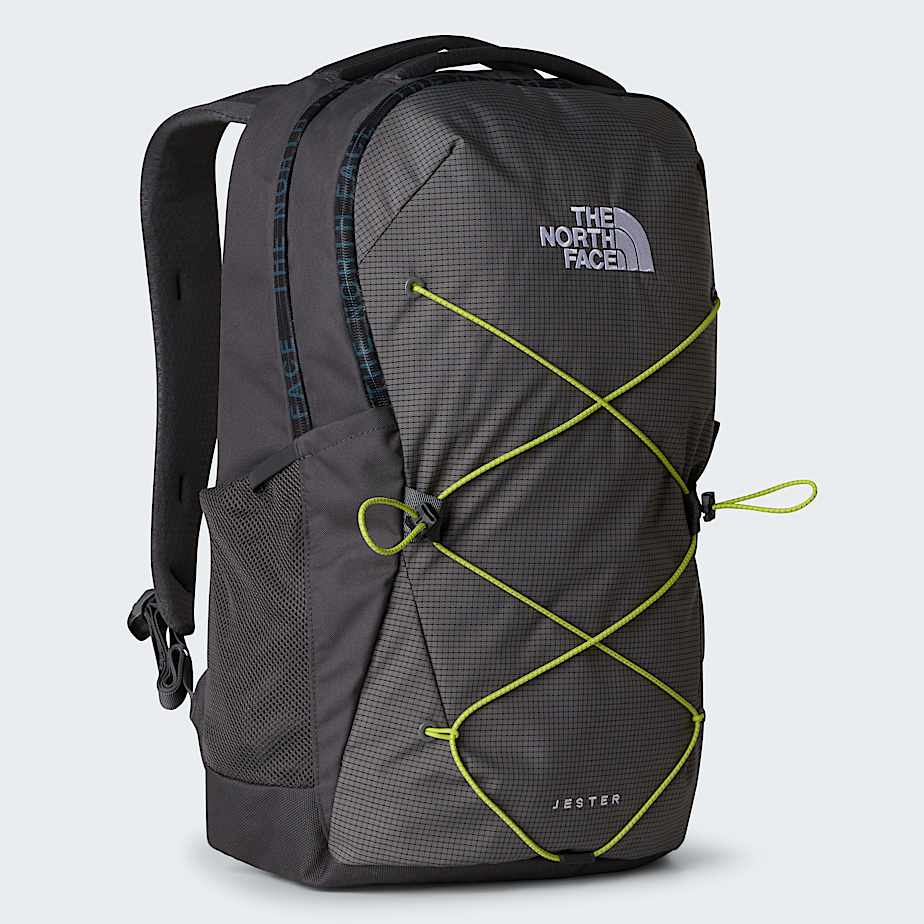
Usually, you should not put a North Face backpack in the washing machine. Check the care label for your exact model, but the safest method for most North Face bags is spot cleaning with a damp cloth and mild soap, followed by thorough air drying.
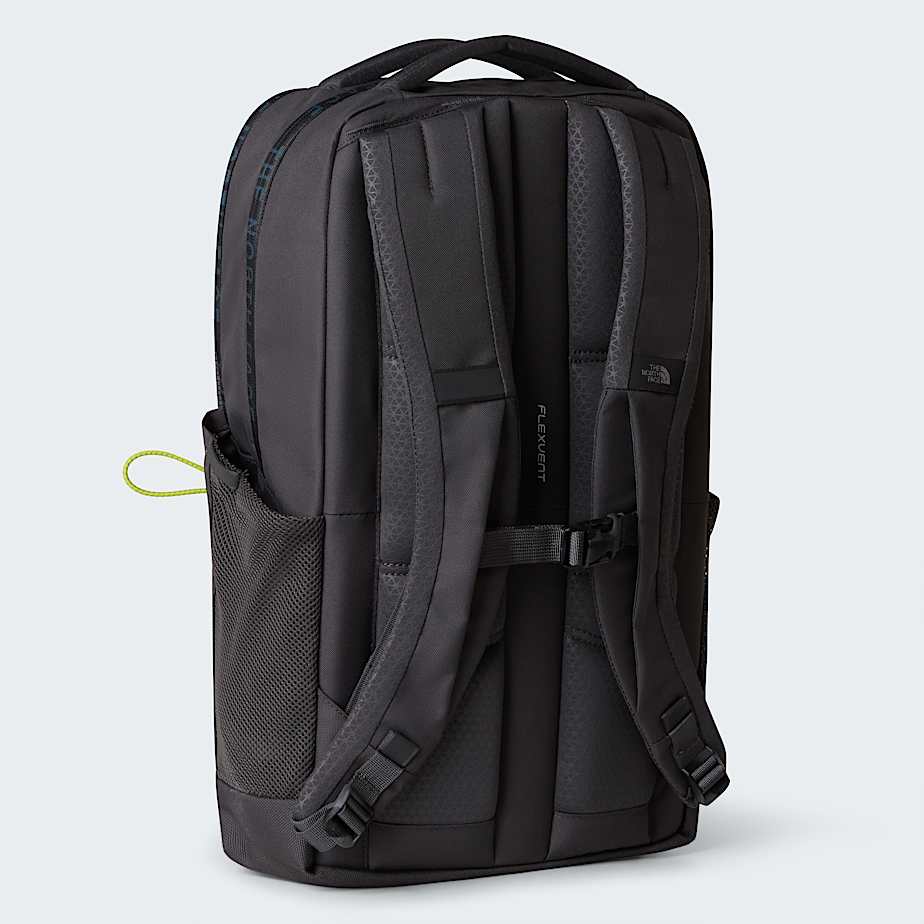
That matters because many North Face backpacks are not just simple fabric bags. They often include padded shoulder straps, structured back panels, coated interiors, laptop sleeves, mesh pockets, and stitched parts that do not respond well to aggressive washing. A washing machine may not destroy the bag instantly, but it can shorten its lifespan, leave trapped moisture in the padding, and create lingering odor if the backpack does not dry fully.
Quick Answer
Usually, no. Check the care label first. Unless it specifically permits machine washing, empty the backpack, remove dry debris, spot clean it with a damp cloth and mild soap, wipe away the residue, and air dry it with every pocket open.
If you want a broader guide for regular fabric bags, you can also read
Can You Put a Backpack in the Washing Machine?.
But for North Face bags specifically, it is smarter to take the cautious route first.
Check the Care Label and Backpack Construction First
Care instructions can vary by model and material. Look inside the main compartment and along the interior seams for a care label. Follow that label if it gives instructions that differ from general advice.
What I Use For This Job
Using the right tools saves time and protects your belongings. Here are my exact recommendations:
*As an Amazon Associate, TidyFormula earns from qualifying purchases.
If you cannot find or read the label, identify the model name or style code before choosing a cleaning method. When the instructions remain unclear, treat the backpack as spot-clean only.
Inspect the bag before adding water. Look for:
- peeling, bubbling, or sticky interior coating
- cracked synthetic trim or damaged mesh
- frayed seams and loose threads
- rigid inserts, stays, or frames
- leather or suede details
- removable electronics, lights, or battery packs
These features require extra caution. Do not wash a bag with electronics still inside, and avoid saturating damaged coatings or trim.
Why You Should Be Careful
A washing machine can be rough on a backpack even when the outer fabric looks durable. The real problem is not just the fabric itself. It is the combination of agitation, trapped moisture, padded sections, zipper pulls, buckles, and protective coatings.
During a wash cycle, shoulder straps can twist, padded areas can stay wet longer than expected, and interior coatings can wear down faster over time. Even if the bag looks fine right after washing, the damage sometimes shows up later as a warped shape, sticky interior coating, weakened seams, or a smell that keeps coming back.
How Different Backpack Materials Affect Cleaning
Many North Face backpacks combine several materials, so a method that is safe for the outer fabric may not be safe for every part of the bag.
Nylon or Polyester Fabric
Wipe woven synthetic fabric with a damp cloth and a small amount of mild soap. Avoid hard scrubbing, which can roughen the surface or wear the finish unevenly.
Coated Interior Fabric
Use as little moisture as possible on coated areas. Peeling, bubbling, or tackiness is a sign to stop scrubbing. Soaking and aggressive cleaning may make an already deteriorating coating worse.
Foam-Padded Straps and Back Panels
Clean the surface without saturating the foam. Press with a damp cloth rather than pouring water onto the padding. These sections take the longest to dry and are common sources of lingering odor.
Mesh Pockets and Elastic Cord
Support mesh from behind while wiping it so it does not stretch. Do not pull hard on elastic cords, and avoid catching them with a brush.
Leather, Suede, or Delicate Trim
Do not treat these sections like ordinary synthetic fabric. Avoid soaking them and follow any material-specific instructions on the label.
The Safest Way to Clean a North Face Backpack
If your backpack is dusty, stained, sweaty, or starting to smell musty, this is the method to use first.
1. Empty Every Pocket
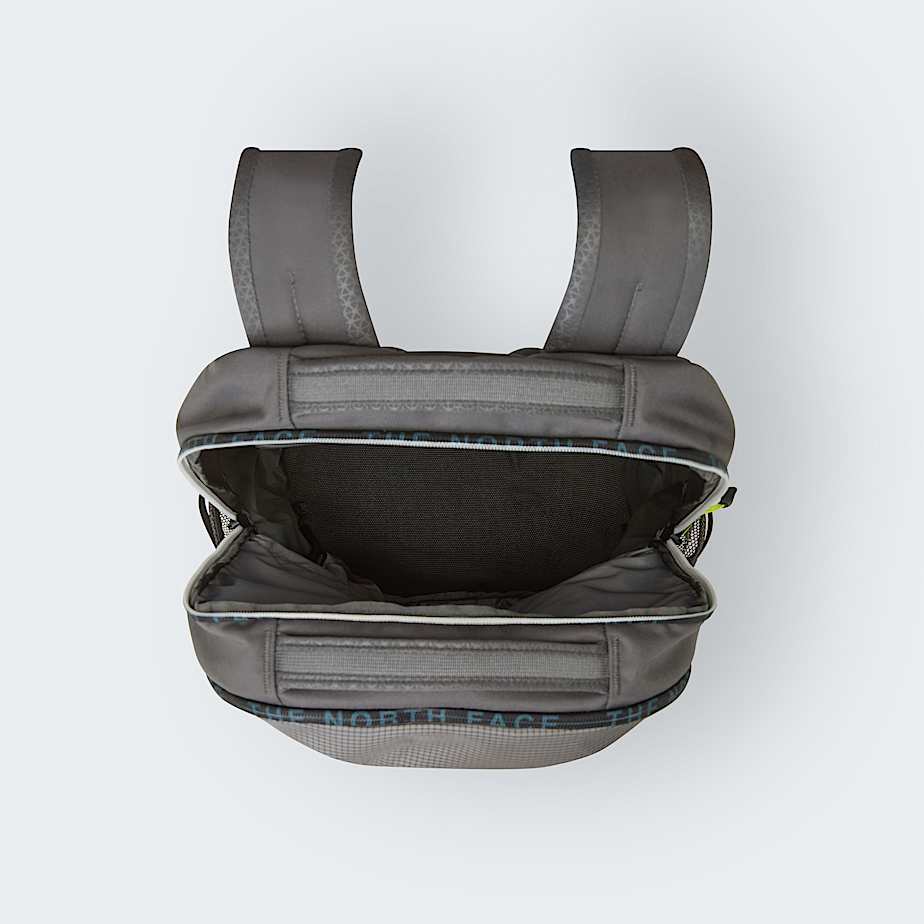
Take everything out of the backpack. Check the front pocket, side pockets, organizer compartments, and laptop sleeve. Remove any detachable accessories the care instructions allow you to remove, and note how straps and buckles are arranged so you can put them back correctly.
Then shake the bag upside down to remove crumbs, dust, grit, and loose debris. Do not skip this step, because dry dirt turns into muddy residue the second you start cleaning with water.
2. Remove Dry Dirt First
If the inside is dusty or sandy, use a handheld vacuum on low suction or a soft brush to remove loose debris from seams and corners. Keep the vacuum nozzle from pulling on loose lining or mesh. This helps you avoid spreading dirt deeper into the fabric when moisture is added.
Let dried mud dry completely before brushing it away. Adding water too early can spread the mud over a larger area.
3. Test an Inconspicuous Area
Before cleaning a visible stain, test the damp cloth and mild soap on a hidden interior area. Stop if color transfers to the cloth, the surface becomes sticky, or the finish changes.
4. Spot Clean with Mild Soap
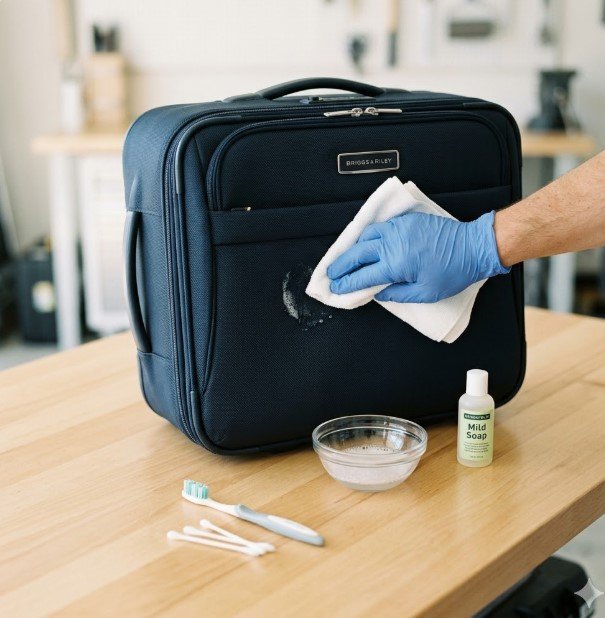
Use a soft cloth or nonabrasive sponge with cool to lukewarm water and a small amount of mild soap. Apply the soapy water to the cloth instead of pouring soap directly onto the backpack.
Focus on the dirtiest areas first, especially the shoulder straps, back panel, bottom of the bag, zipper edges, and any obvious stains. Work from the outside of a stain toward the center to avoid spreading it.
Do not scrub aggressively. The goal is to lift grime without stressing the fabric, weakening the seams, or wearing down any protective finish.
5. Wipe Off Soap Residue
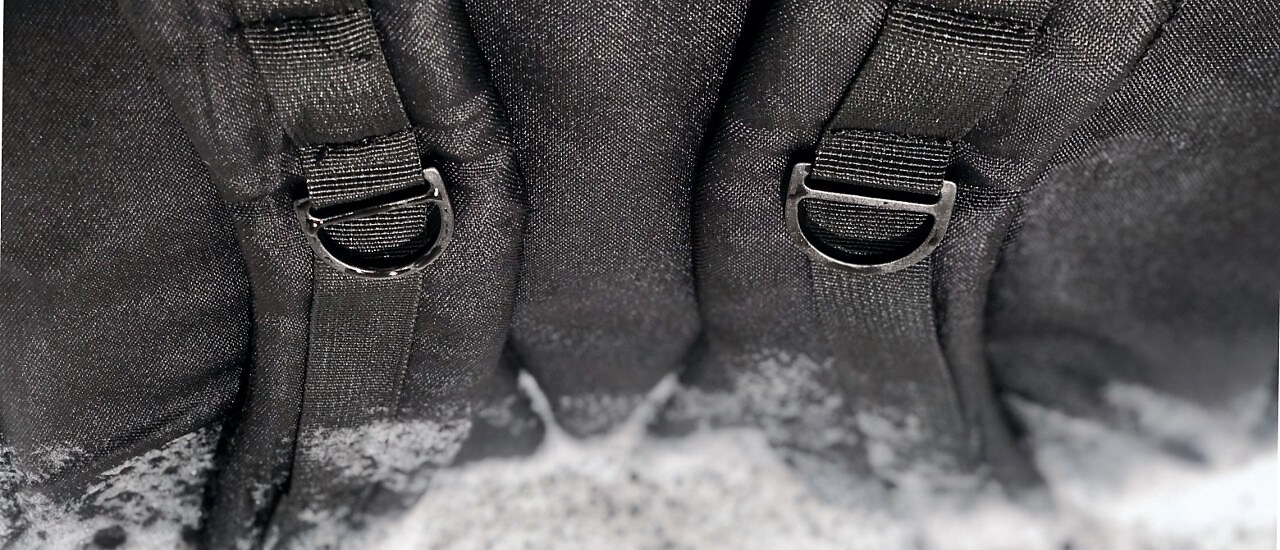
Take another clean damp cloth and wipe away the soap. Rinse and wring out the cloth as needed until no visible residue remains. Do not leave detergent sitting in the fabric or padding. Residue can attract dirt faster, make the backpack feel stiff, and leave behind a strange smell once it dries.
6. Blot Excess Moisture
Press a clean, dry towel against the cleaned sections. Do not twist or wring padded straps because that can distort the foam and strain the stitching.
7. Air Dry Completely
Leave the backpack open in a well-ventilated area. Open every compartment, spread out the straps, and restore the bag’s normal shape. A fan placed nearby can improve airflow, but avoid direct heat.
Do not use a dryer, radiator, hair dryer, or other heat source. Avoid prolonged direct sunlight, which may fade colors or affect some materials. A backpack that feels “almost dry” can still trap moisture inside the padding, and that is when the bad smell comes back.
Before storing the bag, press a dry towel firmly against the shoulder straps, back panel, and bottom corners. If the towel picks up moisture, continue air drying.
How to Handle Common Stains
Mud and Dirt
Allow mud to dry, brush off as much as possible, and then wipe the remaining mark with mild soapy water. Repeated light cleaning is safer than one aggressive scrub.
Sweat and Salt Marks
Wipe the straps and back panel with mild soapy water, then go over them several times with a separate damp cloth. Thorough residue removal is important because both grime and leftover soap can make the fabric feel stiff.
Food or Oily Marks
Blot fresh residue instead of rubbing it outward. Apply a small amount of mild soap with a damp cloth, blot again, and repeat if needed. Do not pour concentrated detergent or stain remover directly onto coated fabric.
Ink, Paint, or Adhesive
Avoid automatically using alcohol, acetone, paint remover, or other solvents. They may discolor the fabric or damage interior coatings and printed details. If mild soap does not work, consult the care guidance for the exact model before trying a stronger product.
Can You Ever Machine Wash It?
Only consider machine washing if your specific backpack’s care label clearly allows it. Even then, machine washing should be the exception, not the default.
If the label allows it and the backpack is a simple fabric daypack without rigid inserts, peeling coating, or delicate trim, use the gentlest approach possible:
- wash it alone
- remove detachable rigid parts and accessories if the instructions permit
- close zippers and secure loose straps so they cannot snag
- use cold or cool water
- use a very small amount of mild detergent
- place it inside a pillowcase or laundry bag
- use a gentle cycle only
- skip bleach and fabric softener
- air dry only
A washer with a central agitator can be especially hard on straps and buckles. Do not proceed if the backpack cannot move safely in the machine without being compressed, twisted, or caught.
If the care label does not clearly allow machine washing, go back to spot cleaning. That is the safer option.
When You Should Definitely Not Use a Washing Machine
Do not machine wash your North Face backpack if:
- the interior coating is peeling or sticky
- the bag has a structured frame or rigid insert
- the seams are already fraying
- the backpack has leather trim or delicate decorative details
- it contains electronics or nonremovable powered components
- the padding takes a long time to dry
- the care label says spot clean only
- the care instructions are missing or unclear
In those cases, machine washing creates more risk than benefit. Even if the bag survives the cycle, the damage may show up later as warped foam, stressed stitching, or trapped moisture inside the padding.
Signs You Should Stop Cleaning
Stop and switch to a gentler approach if:
- color transfers noticeably to your cloth
- the interior coating becomes tacky, flakes, or bubbles
- mesh begins stretching or threads start pulling loose
- padding becomes misshapen
- a stain spreads as you work
- water reaches a part that cannot dry thoroughly
Blot away excess moisture and allow the area to dry before deciding whether to continue. More water and harder scrubbing are not always better.
What If the Backpack Smells Bad?
A bad smell usually comes from sweat, trapped moisture, food crumbs, or detergent residue. The straps and back panel are often the biggest problem areas because they absorb body oils and stay damp longer than the rest of the bag.
Start by removing all dry debris. Clean the straps and back panel carefully with mild soap and a damp cloth, then wipe them again with a clean damp cloth to remove soap residue. Leave the backpack fully open until it is completely dry inside and out.
If the smell returns, the bag may still have hidden moisture in the padding or residue in a seam or pocket. Repeat localized cleaning rather than soaking the entire bag. If you see extensive growth, find widespread coating damage, or cannot remove a persistent odor without saturating the backpack, stop and seek model-specific guidance or professional cleaning advice.
What About the Dryer?
Do not put a North Face backpack in the dryer. Dryer heat and tumbling can stress seams, distort padding, affect coatings, and make plastic parts wear out faster. Air drying is the safer choice every time.
Aftercare and Storage
Once the backpack is completely dry:
- reinstall only the accessories you removed during preparation
- check that zippers, buckles, and strap adjusters move normally
- reshape padded straps rather than folding them sharply
- store the bag empty in a dry, ventilated place
- avoid sealing it in a plastic container while any moisture remains
Emptying food, damp clothing, and drink containers promptly can reduce stains and odors. Brushing off dirt after use also makes future spot cleaning easier.
Final Verdict
So, can you put a North Face backpack in the washing machine?
Usually, no.
The safest approach is to check the care label, remove dry debris, spot clean the backpack with a damp cloth and mild soap, wipe away the residue, and let it air dry fully. Only machine wash it if the instructions for your exact model clearly permit that method.
FAQ
Can I put a North Face backpack in the washer on gentle?
You should not do that unless the care label on your exact backpack clearly allows it. A gentle cycle can still twist straps, stress coatings, and saturate padding. For most cases, spot cleaning is the safer method.
Can I put a North Face backpack in the dryer?
No. Air drying is the safer option. Dryer heat and tumbling can damage padding, coatings, plastic parts, and the bag’s shape.
What is the safest way to clean a North Face backpack?
Empty it, shake out or vacuum loose dirt, test a hidden area, spot clean with a damp cloth and mild soap, wipe off residue, blot excess moisture, and let it air dry completely.
Can I soak a North Face backpack in water?
That is not the preferred method. Soaking can saturate foam, stress coatings, and make complete drying difficult. Spot cleaning is safer for the structure and padded sections.
How long does a North Face backpack take to air dry?
Drying time depends on how wet the bag became, its padding, and the available airflow. Do not rely on a fixed number of hours. Keep every compartment open and continue drying until the seams, straps, back panel, and bottom corners no longer transfer moisture to a dry towel.
Can I use bleach or fabric softener?
Do not use bleach or fabric softener unless the care label explicitly directs you to do so. These products are unnecessary for routine spot cleaning and may affect the fabric, coating, color, or feel.
Why does my backpack still smell after cleaning?
Moisture may still be trapped in the padding, soap residue may remain, or debris may be hidden in a seam or pocket. Wipe the affected areas again with a clean damp cloth and allow more drying time with good airflow.
Everything Mentioned Above
Before you leave, grab the tools you need to get the job done right the first time:
*As an Amazon Associate, TidyFormula earns from qualifying purchases.