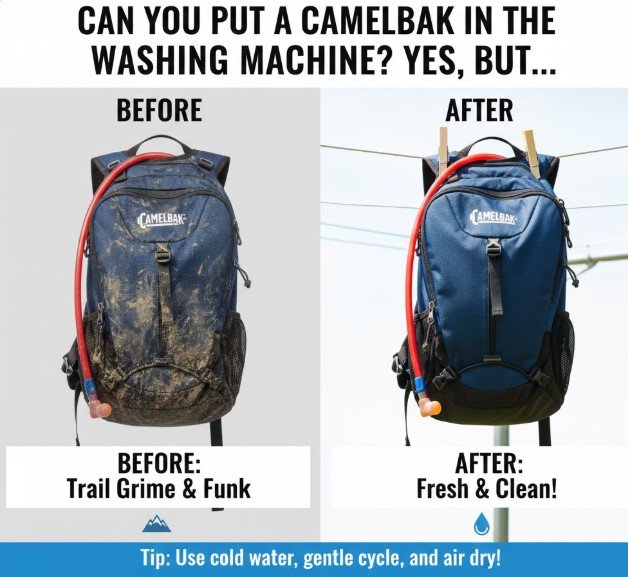
Can You Put a CamelBak Backpack in the Washing Machine? I Tried the “Easy Way” Once… Never Again
Look, if you’ve ever carried a CamelBak for more than one sweaty hike, you already know this moment is coming.
I know the temptation. Your CamelBak pack comes back from a hike smelling like damp leaves and old sweat, the shoulder straps feel a little salty and stiff, and there’s that gritty dust sitting in the seams like it moved in permanently.
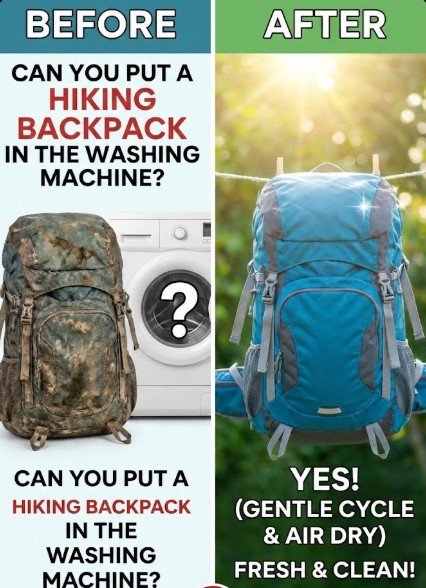
You glance at the washing machine. You think, can you put a camelbak backpack in the washing machine and just be done with it?
I’ve done the lazy version. The “eh, gentle cycle will be fine” version. The washer sounded like someone tossed shoes and spoons in a drum. Thump-thump-thump. The pack came out cleaner, sure… but also kind of sad. The padding held water forever, and the smell didn’t fully leave because it stayed damp inside. Annoying.
⚡ The TidyFormula™ Quick Answer
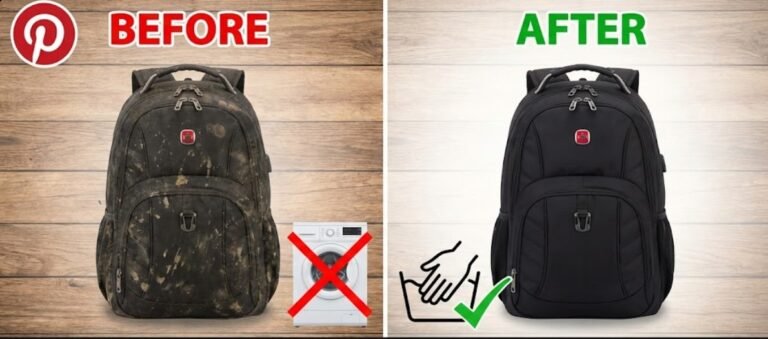
The Recommendation: CamelBak’s own guidance is “no” for machine washing—hand wash the pack and reservoir, then air dry completely.
What I Use For This Job
Using the right tools saves time and protects your belongings. Here are my exact recommendations:
*As an Amazon Associate, TidyFormula earns from qualifying purchases.
- The Mix: Mild soap, soft brush/toothbrush, microfiber cloth, towel, (optional) baking soda for odor
- Time: 20–35 minutes hands-on + drying time (the slow part)
- Effectiveness: High for sweat + trail grime, Medium for deep stains
What CamelBak Says (And Why I Listen This Time)
Here’s the boring truth that saves you money: CamelBak says you shouldn’t machine wash their backpacks or reservoirs. Hand wash only, and air dry. That lines up with what we’ve seen as a team—agitation can beat up straps, yank on fixtures, and mess with coatings over time.
If you want the official wording straight from the source, it’s in their FAQ here: CamelBak FAQ. (I know. Reading FAQs is not fun. But it’s still less annoying than a busted strap.)
The Method We Use: The “Keep-It-Out-of-the-Drum” Clean
We clean CamelBak packs like you’d clean a good pair of running shoes: targeted, gentle, and a little obsessive about drying. Not because we love cleaning (we don’t), but because these packs trap moisture in padding like a sponge that refuses to let go.
Sensory check before you start: smell the straps. Seriously. If it’s just “sweat” and dust, this method works great. If you get that sharp, sour-mildew funk? That means moisture sat too long, and you need to dry faster after cleaning.
What You’ll Need
- Mild soap: a tiny amount. If you can feel slick residue later, you used too much.
- Soft brush or old toothbrush: amazing for strap grime… also kind of disgusting after. Retire it.
- Microfiber cloth: for wiping without shredding fabric.
- Towel: to blot and to stuff the pack so it dries with shape.
- Optional: a spoon of baking soda (odor help, not magic).
Step 1: Strip It Down
Pull out the reservoir/bladder, tube, bite valve—anything you can detach. Open every pocket and unzip everything. You’ll usually hear it: tiny grit tapping around inside. That “sand in the lining” sound. Shake it upside down outside. The dust that falls out is always more than you expect. Always.
Step 2: Dry Clean First
If you skip this, you end up rubbing gritty sludge into fabric. It feels like sanding. Quick vacuum with a nozzle (if you have it) or a firm shake + wipe. The inside will look less dusty. The air will smell less… earthy.
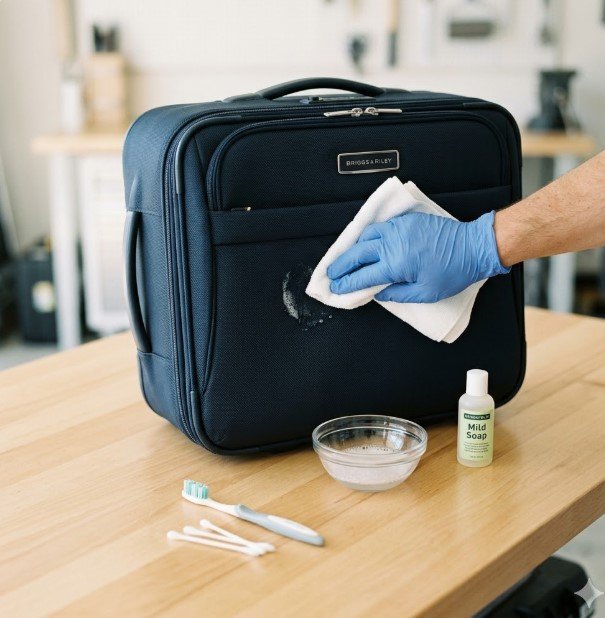
Step 3: Wipe-Wash the Pack
I fill a bowl with cool-to-lukewarm water and add a few drops of mild soap. Not a squeeze. Drops. Dip the cloth, wring it hard, then wipe in sections. The runoff on the cloth turns grey-brown fast, especially around the back panel where sweat sits.
For shoulder straps: I use the toothbrush lightly. You can feel the difference—strap fabric goes from stiff and salty to softer once the grime lifts. You’ll also hear the little “scritch scritch” sound of bristles hitting textured fabric. It’s weirdly satisfying.
Step 4: Rinse Like You Mean It
Soap left behind is a sneaky problem. It dries into a slightly slick film that attracts dirt again. So I switch to a second cloth dipped in plain water, wrung out hard, and wipe everything again. Twice if needed. Yes, it’s extra. It also works.
Step 5: Clean the Reservoir Separately
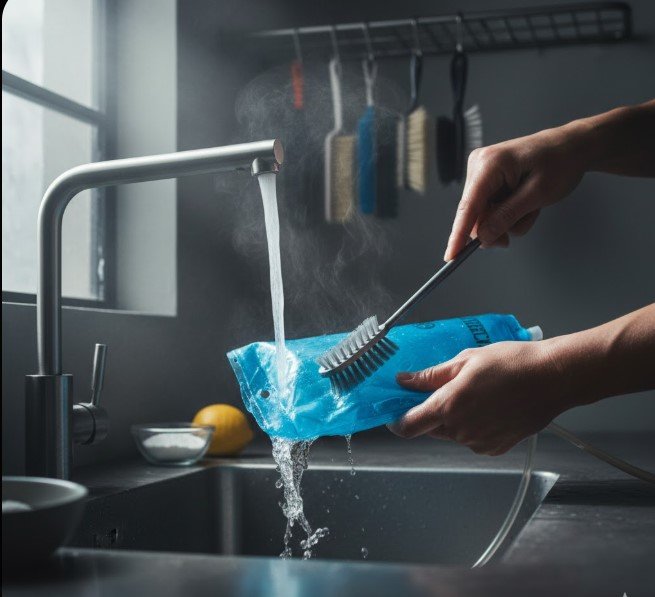
Reservoir smell is its own category. Sometimes it’s a faint “plastic-water” smell. Sometimes it’s… swampy. If it smells funky, you’ll notice it the second you open the cap—warm, stale water odor, like a bottle left in a hot car.
We rinse with warm water, then wash with mild soap. Get water through the tube too. If you don’t have a long brush, you can still do a lot by sloshing soapy water inside, then rinsing until it doesn’t smell like soap. Not perfect. But 90% clean is fine.
Drying is the Whole Game
If you want a pack that doesn’t smell weird next week, drying matters more than scrubbing. The pack should feel dry-dry, not “seems dry.”
I blot with a towel first (you’ll feel the towel grab water out of the padding). Then I stuff the main compartment with a dry towel for 20–30 minutes to pull moisture out. After that, remove the towel and let air circulate. Fan helps. A lot. The sound of the fan rattling in the corner is the soundtrack of “I don’t want mildew.”
🧪 The Science: Why It Works
Think of sweat and trail grime like cooking grease on a pan. Water alone doesn’t grab it well. Mild soap has “grabby” ends that cling to oils and dirt, then let water carry them away. The reason we keep water low is simple: padding and fabric layers act like a sponge-and-sandwich. If you soak the whole thing, moisture sits deep inside and dries slowly, which is when smells come back. Plain-English version: a damp wipe + real drying beats a full dunk almost every time.
Reality Check: When This Won’t Fix It
If the pack has visible mold inside padding, or the lining is peeling, or it smells sour even after a full dry… you might be dealing with funk that’s living deep in foam. At that point, you can clean it, but it may never smell “fresh fresh.” Annoying, but true.
Also: if your pack has a stiff frame sheet you can’t remove, hand cleaning is safer. Structure and washing machines don’t get along.
⚠️ Warning for Structured Packs: If you want a cautionary example of “structure hates washing,” check this guide:
Can You Put a Loungefly Backpack in the Washing Machine? (Safe Cleaning Guide)
If You Still Want to Machine Wash It (Not Recommended)
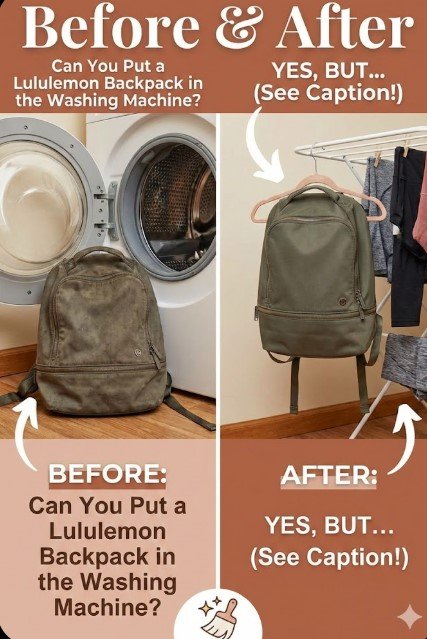
I’m not going to pretend nobody does it. People do. We’ve tested it on a few fabric-only packs and sometimes it’s “fine.” But if you do it, understand the trade: more convenience, more risk.
- Remove reservoir/tube/valve. Always.
- Cold water. Gentle cycle. Low spin if you can choose it.
- Put the pack in a large mesh laundry bag or a tied pillowcase so straps don’t whip around.
- Use a small amount of mild detergent. Extra rinse if available.
- Air dry only. No dryer. No heat.
If the washer starts banging like it’s mad at you, stop it. Seriously. That’s the sound of straps twisting and hardware hitting the drum.
One Practical Pro Tip
Once everything is dry, sprinkle a little baking soda into an old sock, tie it, and toss it into the main compartment overnight. It helps with leftover odor. Not magic. Just helpful. Helpful, helpful.
FAQ (Real Questions)
1) Why does my CamelBak backpack still smell after cleaning?
Most of the time it’s not “still dirty,” it’s “still damp.” Padding holds water longer than you think. Open every pocket, spread straps out, and add airflow (a fan helps).
2) Can I put the CamelBak reservoir in the washing machine instead?
I wouldn’t. It can get twisted and stressed at the seams, and it’s hard to dry fully afterward. Hand washing + thorough drying is the safer move.
3) What if my pack has salt stains on the straps?
That crunchy white stuff is usually dried sweat salts. Wipe with a damp cloth first (plain water), then a tiny bit of mild soap if needed, then rinse-wipe again. It’s a rinse problem more than a scrubbing problem.
4) Is vinegar okay for the reservoir smell?
Sometimes, but go easy. Start with warm water + mild soap first. If you experiment, rinse like crazy afterward so you don’t end up sipping “salad dressing vibes” on your next ride.
5) How do I dry the tube if I don’t have a fancy brush kit?
Shake it out hard, hang it so gravity helps, and give it time. If you store it wet and coiled up, that’s when it gets gross.
Everything Mentioned Above
Before you leave, grab the tools you need to get the job done right the first time:
*As an Amazon Associate, TidyFormula earns from qualifying purchases.