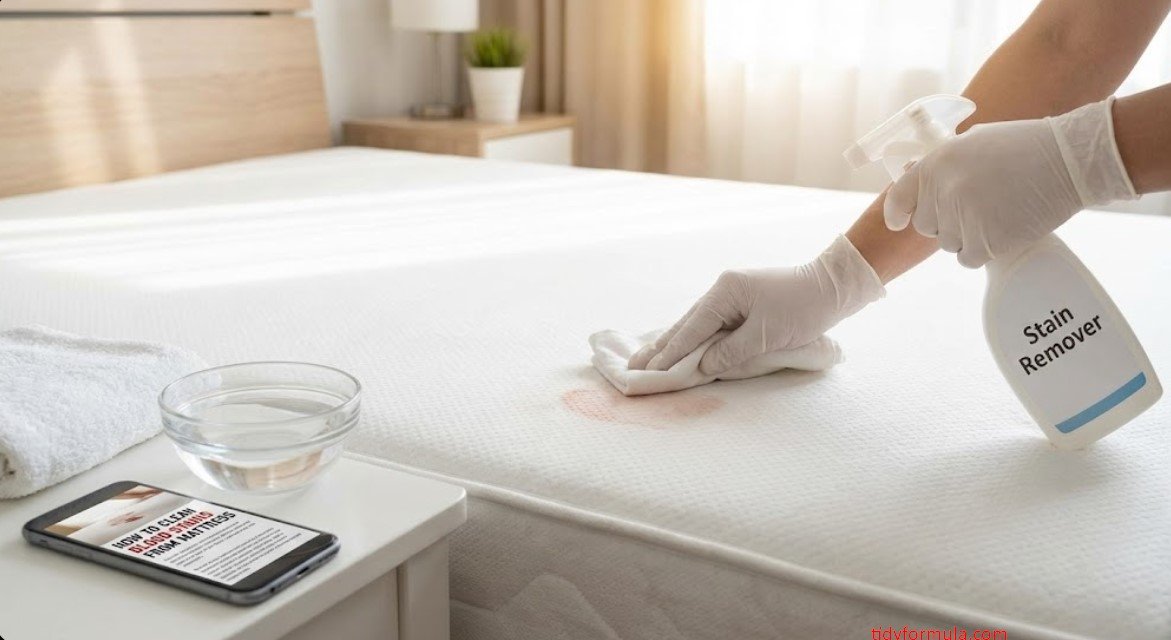
How to Clean Blood Stains from a Mattress (Fresh & Dried)
For fresh blood, blot immediately with a white towel and cold water—never rub or use heat. For dried blood, soften the spot with cold water, then carefully apply 3% hydrogen peroxide or an upholstery-safe enzyme cleaner. Use as little liquid as possible and dry the mattress completely before replacing the bedding.
A mattress cannot be rinsed like clothing, so the goal is to lift the blood without spreading it into the cover, padding, or foam. The best method depends on whether the stain is fresh or dried and whether the mattress fabric is light, dark, removable, or heavily padded.
⚡ The TidyFormula™ Quick Answer
The Recommendation: For fresh stains, immediately blot—don’t rub—with ice-cold water. For dried stains, use a small amount of 3% hydrogen peroxide or an enzyme cleaner to break down the protein-based residue.
- The Mix: Ice-cold water, white towels, 3% hydrogen peroxide, or an upholstery-safe enzyme pet stain remover.
- Treatment Time: About 15–45 minutes, plus several hours of drying time.
- Best Choice: Cold water for fresh blood; peroxide for light, colorfast fabric; enzyme cleaner for older stains or colored fabric.
Before You Start: Protect Yourself and the Mattress
If the blood is not yours or its source is unknown, wear disposable gloves and avoid touching it with bare skin. Bag heavily soiled disposable materials before placing them in the trash. If there is broken glass, a needle, or another sharp object in the bed, stop and handle that hazard safely before cleaning.
Remove the sheets and mattress protector without pressing them against clean areas. Wash those items separately according to their care labels, using cold water at first. Do not put stained bedding in the dryer until the stain is gone because dryer heat can set the remaining blood.
What I Use For This Job
Using the right tools saves time and protects your belongings. Here are my exact recommendations:
*As an Amazon Associate, TidyFormula earns from qualifying purchases.
Check the mattress care label and warranty before applying a cleaner. A zippered cover is not automatically removable or washable. Some covers protect the mattress’s fire barrier, so do not unzip or remove one unless the manufacturer specifically says you can.
What You’ll Need
- Cold Water: Cold tap water is usually sufficient. Ice water can be helpful, but do not place ice directly on the mattress or soak the fabric.
- White Cotton Towels: White towels make it easy to see whether blood or mattress dye is transferring.
- Hydrogen Peroxide (3%): Use only after testing a hidden spot. It can fade beige, gray, patterned, or dark mattress fabric.
- Optional Enzyme Cleaner: Choose one whose label allows use on upholstery or mattresses, and follow its contact-time and rinsing directions.
- Disposable Gloves: Especially important when cleaning someone else’s blood.
- A Fan: Needed to dry the treated area thoroughly.
Always patch-test hydrogen peroxide or enzyme cleaner on a hidden seam. Let the test spot dry before checking for fading, texture changes, or dye transfer.
Choose the Right Method
| Stain or Mattress Type | Best Starting Method | Main Caution |
|---|---|---|
| Fresh, damp blood | Cold-water blotting | Do not rub or saturate the mattress. |
| Dried blood on white or colorfast fabric | 3% hydrogen peroxide | Patch-test because peroxide can lighten fabric. |
| Old stain on colored fabric | Upholstery-safe enzyme cleaner | Follow the label and keep moisture controlled. |
| Memory foam, latex, or thick pillow top | Minimal-liquid blotting | These materials can retain moisture and dry slowly. |
Step 1: Blot a Fresh Blood Stain with Cold Water
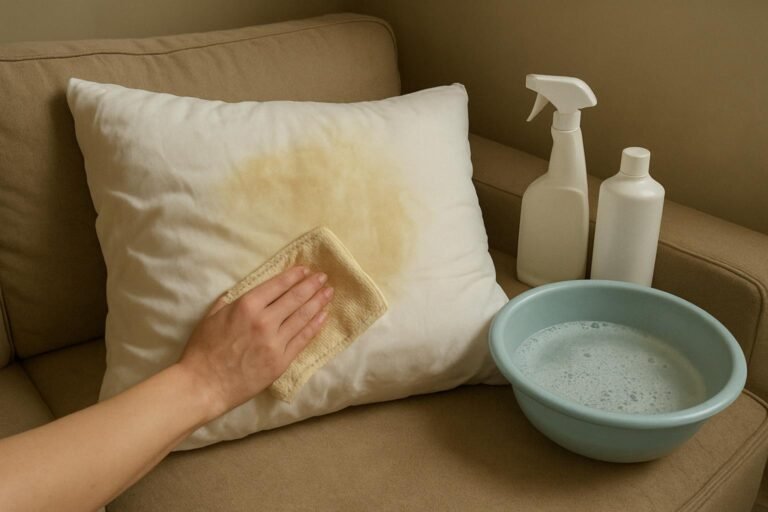
If the stain is still damp, start with a dry white towel. Press straight down to absorb as much loose blood as possible. Lift the towel rather than dragging it across the surface.
Next, lightly mist the stain with cold water. Do not pour water onto it. Fold a white towel into a thick square and press firmly onto the stain for about 10 seconds. Lift the towel, move to a clean section, and repeat.
Work from the outside edge toward the center. This helps keep the stain from spreading. Continue until little or no red transfers to the towel. If the mattress fabric’s own color begins transferring, stop and let the area dry before trying another method.
Do not scrub with a brush or rub back and forth. Friction can widen the stain, roughen the mattress cover, and push liquid deeper into the padding.
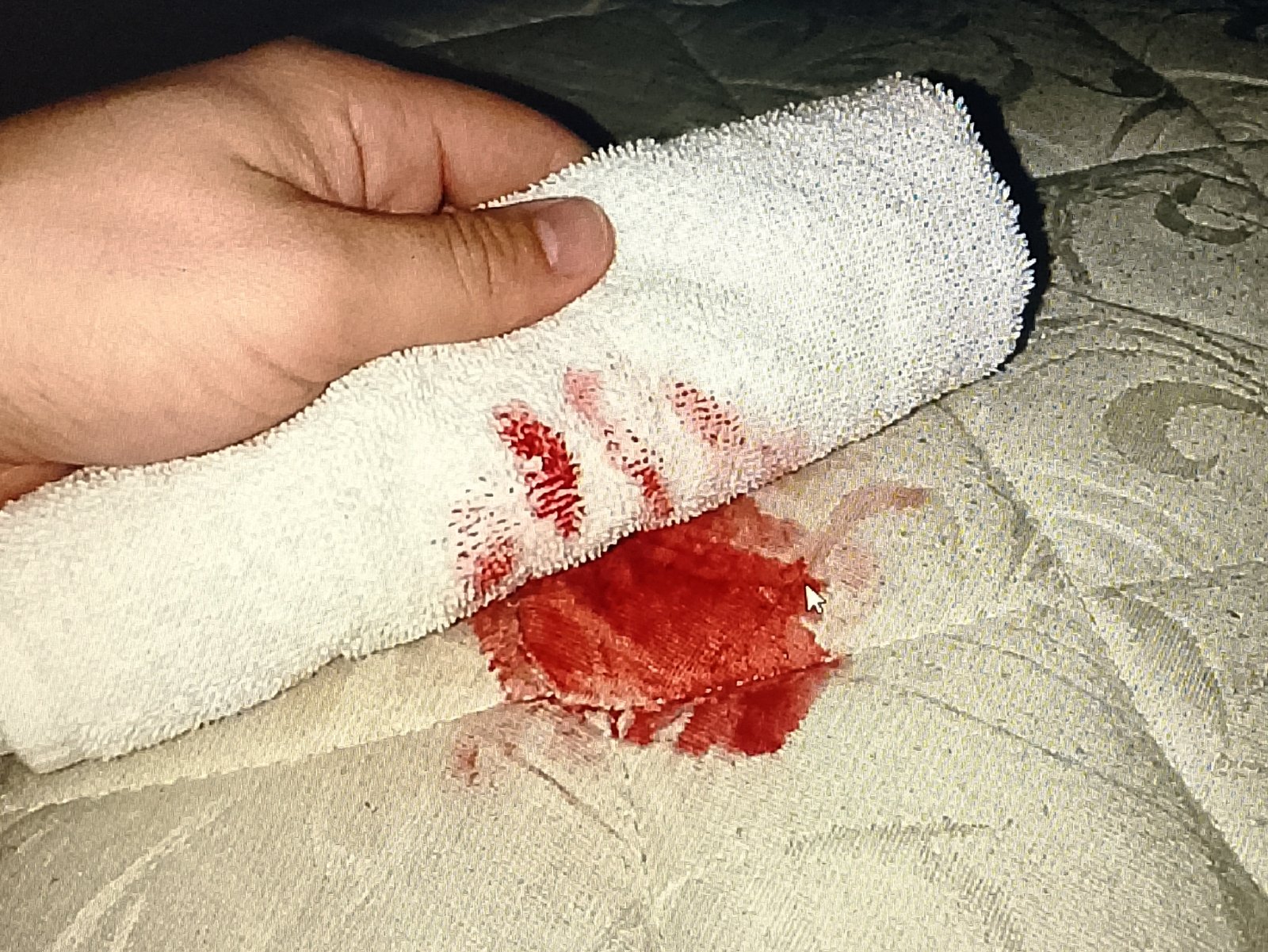
How to Clean Dried Blood from a Mattress
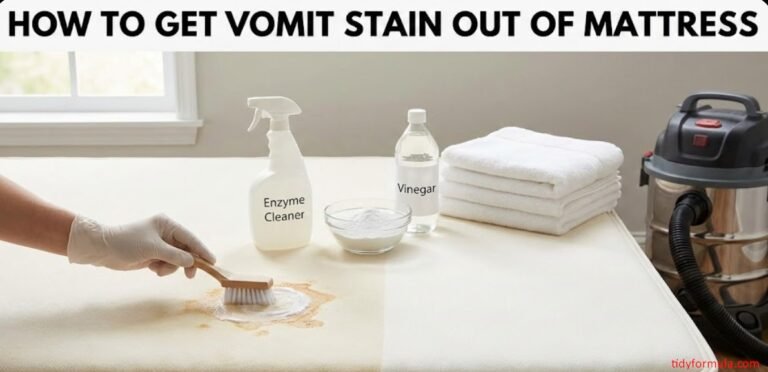
Dried blood has bonded more firmly to the mattress fibers, so cold-water blotting alone may not remove it. Do not aggressively scrape the crust because that can damage the cover or scatter dried residue.
Instead, place a cold, damp white cloth over the spot for several minutes to soften it. Remove the cloth and blot. Once the surface residue has loosened, choose either hydrogen peroxide or an enzyme cleaner.
Step 2: Use 3% Hydrogen Peroxide on a Colorfast Surface
Hydrogen peroxide is generally best reserved for white or light, colorfast mattress fabric.
- Patch-test the peroxide on a hidden seam and allow the test area to dry.
- Lightly dampen the dried spot with cold water.
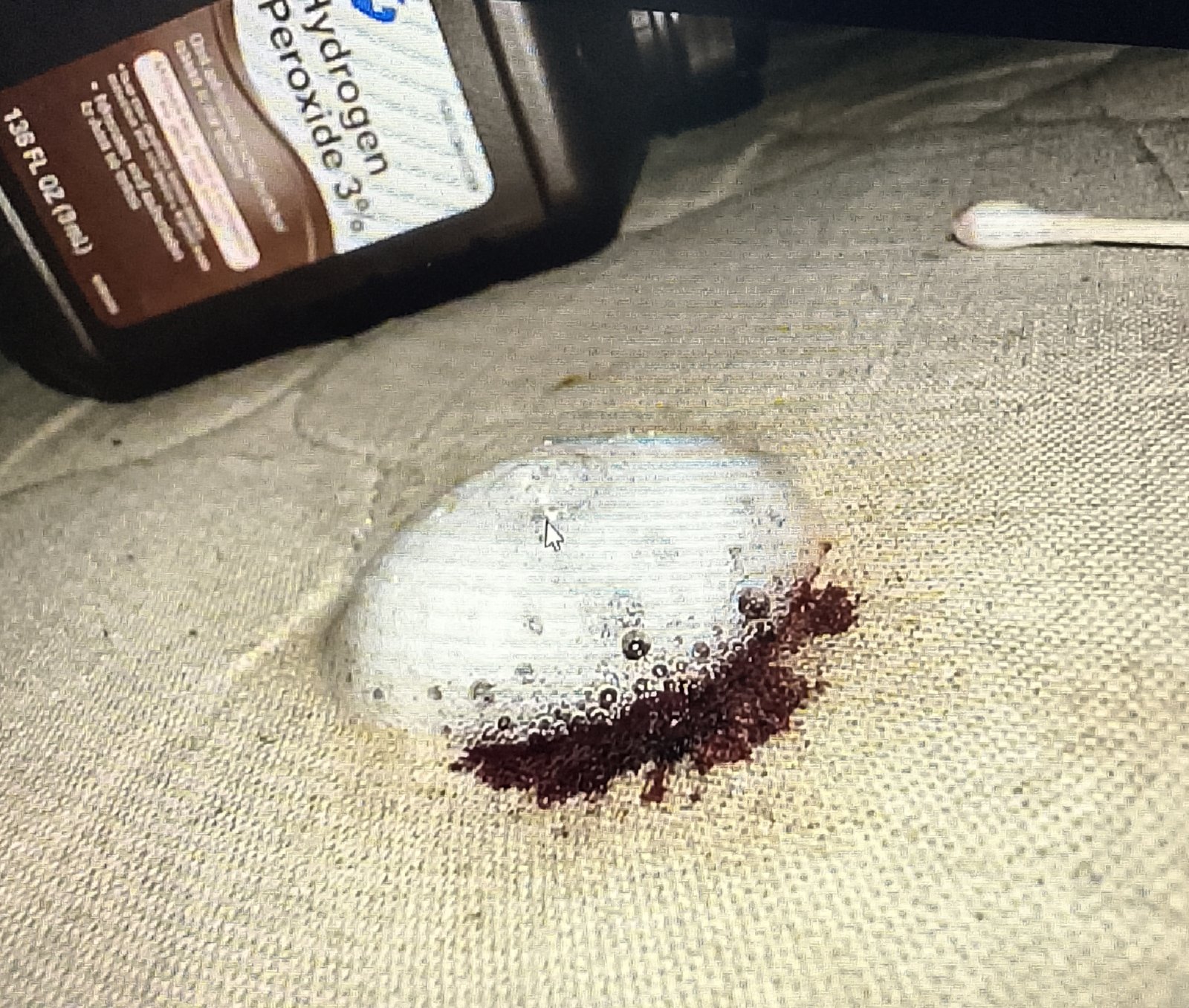
- Apply a small amount of 3% hydrogen peroxide directly to the stain. Use a dropper or cotton swab for a small spot so you do not over-wet the bed.
- Let it bubble for about 30 seconds to one minute. Bubbling is a normal reaction, but it does not by itself prove that the entire stain is gone.
- Blot up the foam with a fresh, dry white towel. Do not scrub.
- Allow the area to rest briefly, then repeat only if the fabric is not fading and the mattress is not becoming saturated.
Two or three controlled applications are safer than continually adding peroxide. Stop if the mattress color transfers to the towel, the cover begins to look lighter, or the area feels wet beneath the surface.
Alternative: Use an Enzyme Cleaner
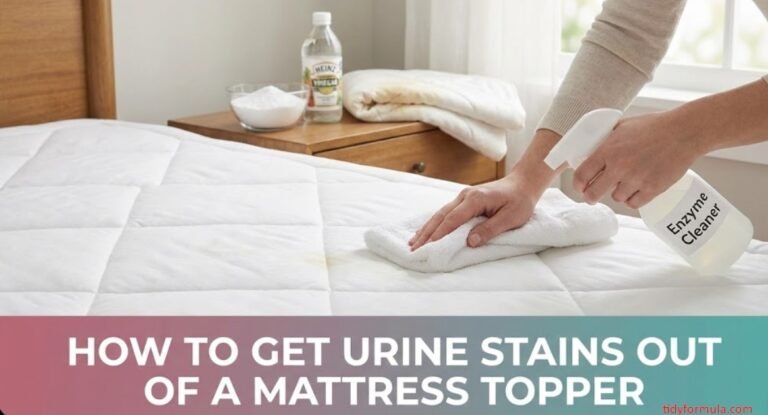
An enzyme cleaner can help loosen protein-based residue and may be a better choice for an old stain or a colored mattress cover. Confirm that the product label permits use on upholstery or mattresses.
Apply only the amount directed on the label. Give the product its stated contact time, then blot away the cleaner and residue as instructed. Do not assume that more liquid or a longer soaking time will work better. A mattress can trap excess cleaner below the surface, where it is difficult to rinse or dry.
Never apply an enzyme cleaner over peroxide or another product. Blot the first treatment away and let the area dry before deciding whether another method is needed.
🧪 The Science: Why Heat Is the Enemy
Blood contains proteins that can bind more firmly to fabric when exposed to heat. That is why cold water is the safest starting point and why hot water, steam cleaners, heated mattress pads, and hair dryers should be avoided while the stain remains. Hydrogen peroxide works differently: it oxidizes some of the colored compounds in the stain, which can make the mark easier to blot away. The same lightening action can affect mattress dye, so patch-testing is essential.
Guidance for Different Mattress Materials
Memory Foam and Latex
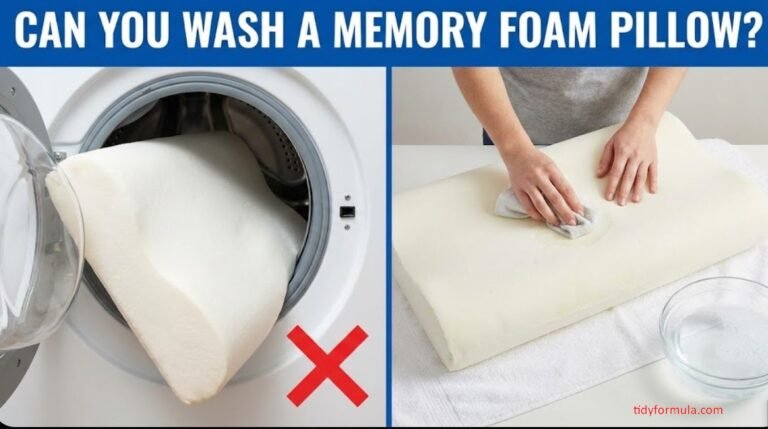
Use very small amounts of liquid because foam can retain moisture below the surface. Apply cleaner to a cloth or with a dropper rather than pouring it directly onto the mattress. Blot after every application and allow extra drying time.
Do not remove the outer cover unless the care label explicitly identifies it as removable and washable.
Pillow-Top Mattresses
Pillow tops contain batting or foam that can wick moisture beyond the visible stain. Work in small sections, use minimal liquid, and press firmly with dry towels after treatment. A fan and dehumidifier can reduce drying time.
Innerspring and Hybrid Mattresses
Keep liquid away from seams, tufting, buttons, and piping where it can travel into deeper layers. Blot from the edge of the stain toward the center instead of flooding the entire marked area.
Dark or Patterned Mattress Covers
Hydrogen peroxide may leave a pale patch that is more noticeable than the original stain. Begin with cold-water blotting, then use a patch-tested enzyme cleaner labeled for upholstery if additional treatment is necessary.
The Final Step: Drying and Assessment
After treatment, place a thick, dry white towel over the damp area and press down with your body weight. Replace the towel and repeat until it no longer picks up much moisture.
Point a fan directly at the spot and open a window if outdoor conditions allow. A dehumidifier can also help. Do not use a hair dryer, space heater, steam cleaner, or other high-heat method.
Leave the mattress uncovered until the surface and deeper padding feel completely dry. Check the area again after it has rested without the fan; moisture can migrate back toward the surface. Do not replace the protector, remake the bed, or sleep on the mattress while it is still damp.
Troubleshooting: When to Stop or Adjust
The Stain Is Getting Wider
You are probably using too much liquid or blotting from the center outward. Stop adding cleaner, absorb the excess with dry towels, and let the mattress dry. If another treatment is needed, work from the outside edge toward the center.
The Mattress Fabric Is Fading
Stop using peroxide immediately. Blot away the remaining product with a cloth lightly dampened with cold water, then dry the area. Once fabric color has been removed, additional stain treatment will not restore it.
The Stain Is Faint but Still Visible
A pale shadow may remain after the removable residue is gone, especially with an old stain. One additional enzyme treatment may help if the label permits it, but do not repeatedly soak the mattress to chase a slight discoloration. A faint mark is preferable to trapped moisture or damaged foam.
The Mattress Still Feels Wet or Develops a Musty Odor
Remove all bedding, continue fan drying, and use a dehumidifier if available. If the mattress remains damp after extended ventilation, the spill reached deep into the padding, or a persistent odor develops, contact a professional upholstery or mattress cleaner. Deep saturation is difficult to correct with surface cleaning.
Methods to Avoid
- Hot water or steam: Heat can make a blood stain harder to remove.
- Aggressive scrubbing: This spreads the stain and can damage the cover.
- Pouring cleaner onto the mattress: Excess liquid can become trapped in foam and padding.
- Chlorine bleach: It can discolor or weaken mattress fabric and is difficult to rinse from a mattress.
- Mixing products: Never combine peroxide, vinegar, bleach, enzyme cleaner, ammonia, or other cleaning products.
- Covering the mattress while damp: A protector and fitted sheet slow evaporation and can trap moisture.
Preventing the Next Mattress Stain
Use a washable, waterproof mattress protector that fully covers the sleeping surface. Modern protectors are available with soft fabric tops and quiet waterproof layers. Wash and dry the protector according to its care label, and confirm that it is completely dry before putting it back on the bed.
Keep a few white towels, disposable gloves, and an empty spray bottle with your cleaning supplies. Quick cold-water blotting is much easier than treating blood after it has dried.
FAQ
Can I use baking soda and vinegar?
Baking soda and vinegar create a fizzy reaction, but that reaction does not necessarily remove blood effectively. The mixture also adds moisture that must be extracted from the mattress. Cold-water blotting, 3% peroxide on colorfast fabric, or a labeled enzyme cleaner is a more controlled choice. Baking soda may help absorb residual moisture or odor only after the blood has been treated, but it should be vacuumed away before remaking the bed.
How do I clean blood off a mattress without peroxide?
Use cold-water blotting first. For dried blood, choose an upholstery-safe enzyme cleaner and follow its label. If neither is available, make a thick paste with table salt and a very small amount of cold water. Apply it only to the surface, let it dry, and vacuum it from the intact mattress cover. This is a fallback method and may not remove an old stain completely.
Will peroxide bleach a beige mattress?
It might. Hydrogen peroxide is a mild bleaching agent and can leave a lighter area on beige, gray, dark, or patterned fabric. Test a tiny hidden spot, let it dry completely, and use an enzyme cleaner instead if the test area fades.
How do I clean blood from a pillow-top mattress?
Use minimal liquid because a pillow top contains thick batting or foam that dries slowly. Apply cold water or cleaner sparingly, blot after every application, press out moisture with dry towels, and use a fan until the entire area is dry.
The stain is gone, but there is a brown ring. What should I do?
The ring may be residue or a water mark from uneven drying. Lightly mist the entire affected area—not only the ring—with distilled water, then blot from the outer edge toward the center. Keep the application very light and dry the area evenly with a fan.
More Rescue Guides:
Everything Mentioned Above
Before you leave, grab the tools you need to get the job done right the first time:
*As an Amazon Associate, TidyFormula earns from qualifying purchases.