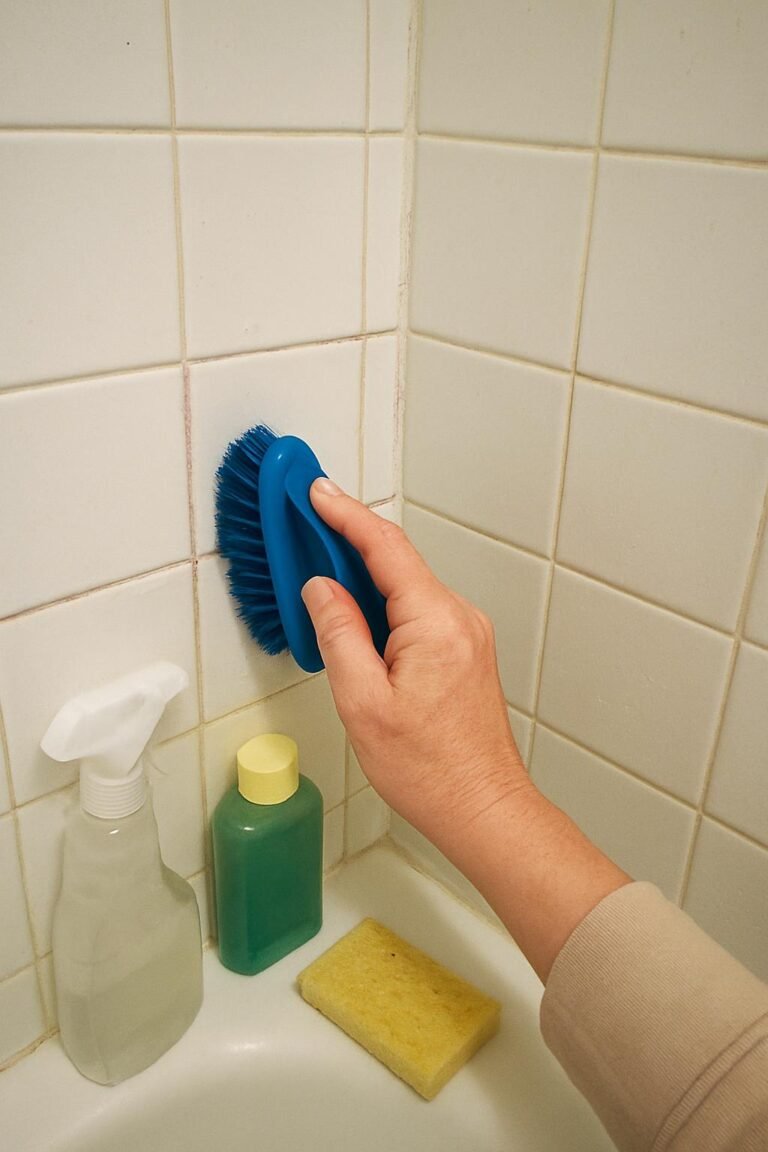
How to Remove Rust Stains from Bathtub
The best way to remove rust stains from a bathtub is to match the method to your tub’s material: a damp pumice stone works well on porcelain or enamel-coated cast iron, while a commercial rust-stain remover formulated for tubs is safer for acrylic or fiberglass. Always check the product label against your tub’s finish before scrubbing, since the wrong method can dull or scratch the surface permanently.
If the stain keeps coming back within days of cleaning it, the rust is likely coming from a fixture or pipe rather than sitting on the surface, which changes what you need to do next.
⚡ The TidyFormula™ Quick Decision
Best approach: Identify your tub’s material first. Use a wet pumice stone for porcelain or enamel, or a rust-remover product labeled safe for acrylic and fiberglass tubs, following the directions on the container.
Use caution with: Abrasive powders, steel wool, or scouring pads on acrylic, fiberglass, or colored fixtures, and any strong acidic cleaner used without ventilation or without checking the label first.
Stop and reassess if: The finish looks dull, hazy, or scratched after treatment, the stain returns within a few days, or you notice the rust is coming from around a fixture, drain, or faucet rather than sitting flat on the tub surface.
What I Use For This Job
Using the right tools saves time and protects your belongings. Here are my exact recommendations:
*As an Amazon Associate, TidyFormula earns from qualifying purchases.
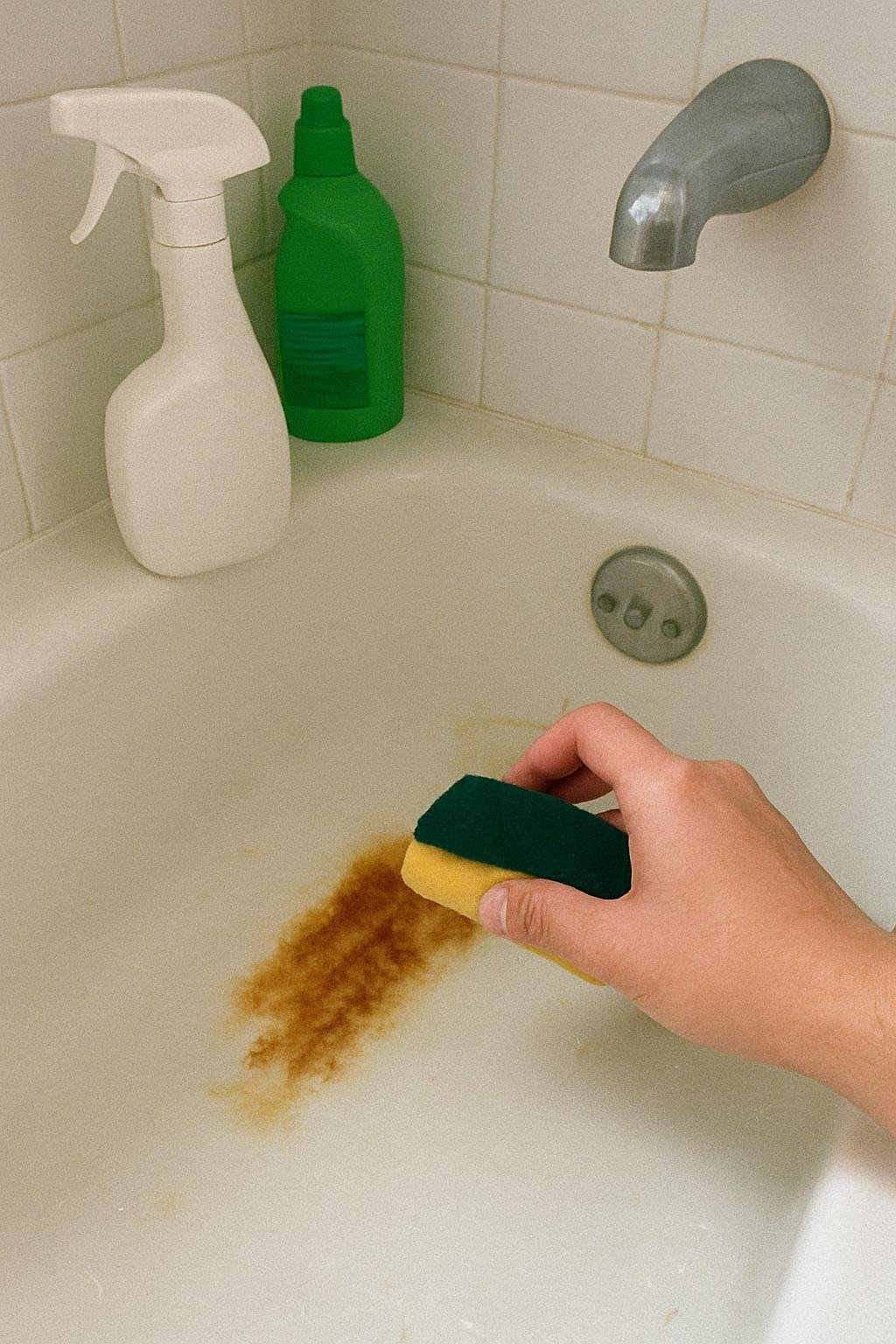
Figure Out Where the Rust Is Coming From
Rust stains in a bathtub usually come from one of two places: minerals in hard water leaving residue behind, or a metal object (a razor, can, or old fixture) sitting on the surface and rusting directly onto it. A stain that runs in a streak from the faucet or drain often points to water quality or a corroding pipe. A stain that’s shaped like a can or the base of a shaving cream bottle almost always means something metal sat there too long.
This distinction matters because a hard-water rust streak may keep returning no matter how well you clean it, while a one-time object stain should come off and stay off. If you’re dealing with recurring streaks near a fixture, plumbing may be part of the problem, and a plumber or your water utility can help confirm whether that’s the case.
Check Your Tub’s Material Before You Start
The safest rust-removal method depends entirely on what your tub is made of.
- Porcelain or enamel-coated cast iron: This hard, glass-like surface tolerates a wet pumice stone and most rust-specific cleaners reasonably well, though older or worn enamel can still scratch.
- Acrylic or fiberglass: These surfaces scratch much more easily. Avoid pumice stones, steel wool, and any abrasive scouring powder. Stick to non-abrasive rust removers made for these materials.
- Stainless steel fixtures or fittings: Rust on metal trim usually needs a different, gentler approach than the tub basin itself, since aggressive acids can affect the finish or plating.
If you’re not sure what your tub is made of, check with the manufacturer or a remodeling receipt if you have one, and test any product in a small, inconspicuous area first.
Removing Rust Stains from Porcelain or Enamel Tubs
- Wet the stain and the pumice stone. A dry pumice stone can scratch porcelain, so keep both the stain and the stone thoroughly wet throughout the process.
- Rub gently in one direction. Use light pressure and short, even strokes rather than heavy scrubbing. Check the surface every 15–20 seconds.
- Rinse and inspect. Rinse away debris so you can see how much rust is left before continuing.
- If the stain remains, try a rust-specific cleaner labeled for porcelain or enamel. Follow the label’s instructions for contact time and rinsing, and make sure the bathroom has good ventilation while you work.
- Rinse thoroughly when finished so no product residue is left sitting on the surface.
Stop the pumice stone method if you notice the surface starting to look scratched or hazy rather than clean. That’s a sign the enamel is thinner or more worn than it can handle, and continuing will make the damage worse, not better.
Removing Rust Stains from Acrylic or Fiberglass Tubs
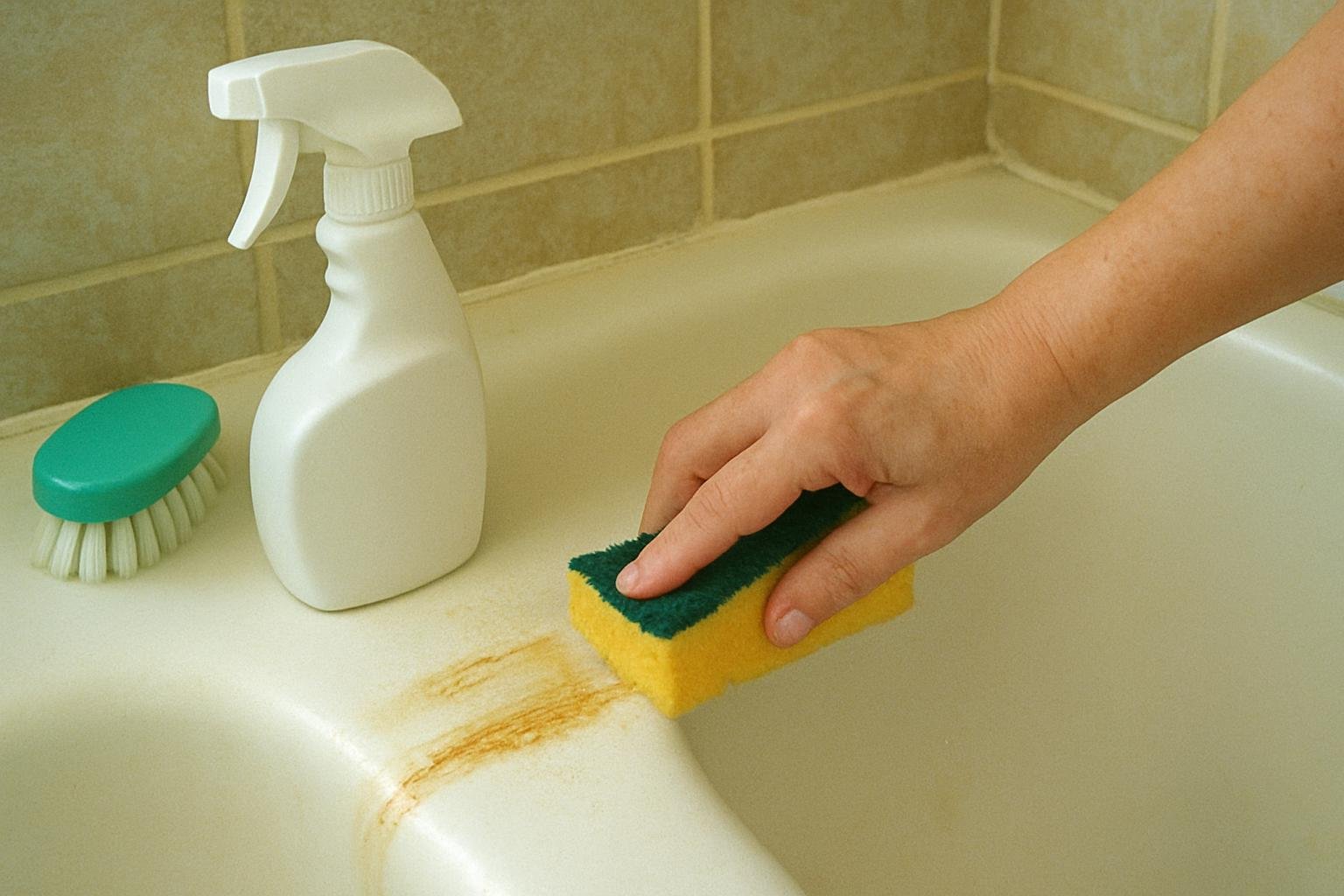
Skip the pumice stone entirely on these materials. Instead, look for a rust-remover product that specifically states it’s safe for acrylic or fiberglass, and apply it according to the label’s directions for amount and dwell time. A soft cloth or non-abrasive sponge is the right tool here, not a scrub brush or anything textured.
Rinse well afterward, and dry the area so you can judge the true result rather than a wet surface that may look cleaner than it is. If one application doesn’t fully clear the stain, a second treatment is usually reasonable, but avoid combining that product with any other bathroom cleaner in the same session.
If you also need to deal with general grime or soap scum around the rust spot, a gentler paste-based cleaning method can help with the surrounding area without adding extra abrasion near the stain.
Cleaning Mistakes That Make Rust Stains Worse
- Reaching for bleach first. Bleach doesn’t reliably break down rust and can leave the stain looking the same while doing nothing for the underlying mineral deposit.
- Mixing cleaning products to make something “stronger.” Combining an acidic rust remover with bleach, ammonia, or another household cleaner can create a dangerous reaction. Use one product at a time and rinse fully between different cleaners.
- Using steel wool or metal scrubbers on acrylic or fiberglass. Even light pressure can leave fine scratches that trap dirt and make future stains harder to remove.
- Skipping the rinse step. Leftover rust-remover residue can dull the finish over time or irritate skin during your next bath.
Preventing Rust Stains From Coming Back
Once the tub is clean, a few habits go a long way toward keeping it that way. Dry metal cans, razors, and tools instead of leaving them sitting on the tub ledge or floor, since a damp metal object is what usually causes the classic can-shaped stain. If your water has a rusty or metallic smell or leaves orange residue in other fixtures too, that points to a household water-quality issue worth having checked, since no amount of tub cleaning will solve a hard-water source.
For fixtures that are visibly corroding, treating the stain repeatedly without addressing the fixture itself usually means you’ll be back doing this again in a few weeks. In that case, replacing or servicing the corroding part is the more lasting fix.
Everything Mentioned Above
Before you leave, grab the tools you need to get the job done right the first time:
*As an Amazon Associate, TidyFormula earns from qualifying purchases.