Can You Put Your Toothbrush in the Dishwasher? Dentists Explain the Safest Way to Clean It
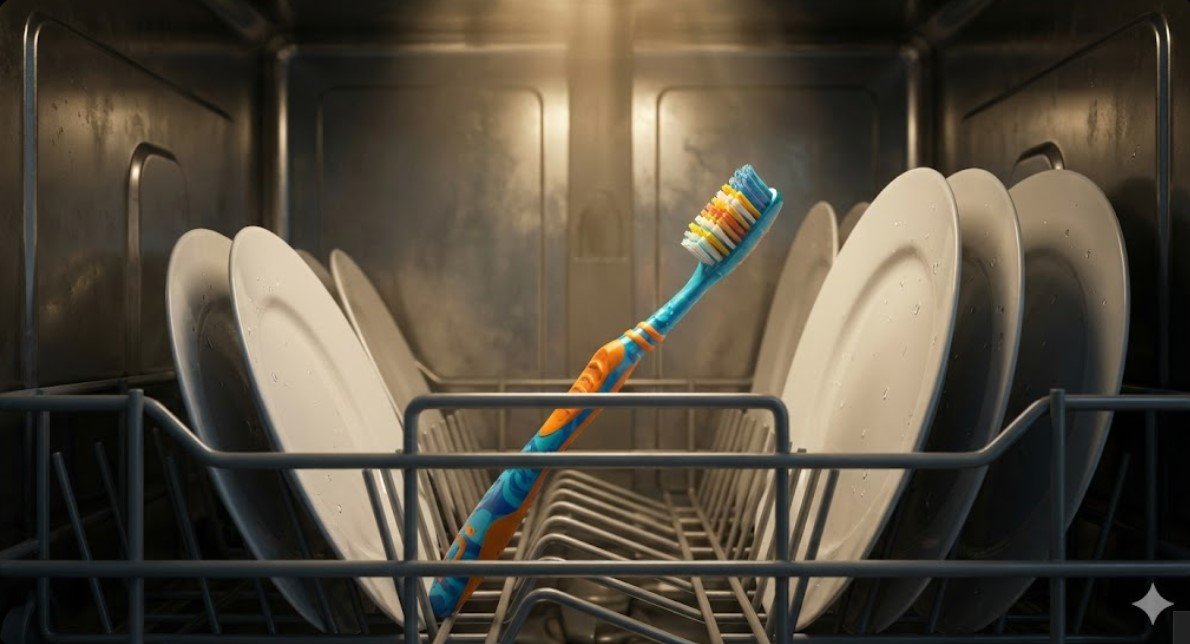
You are standing in your kitchen, holding a gross-looking brush, and asking yourself the big question: “Can you put your toothbrush in the dishwasher?”
It seems like a genius hack, right? After all, the dishwasher sanitizes plates, so why not your dental gear? I admit, I fell for this trap too. I read a study claiming the average toothbrush holds over 100 million bacteria, so in a moment of panic, I threw mine in next to the dirty forks.
The result? A steaming, warped mess that smelled like wet dog. That failed experiment forced me to dig into the science. In this guide, I’ll explain exactly why dentists beg you to stop, what that heat actually does to nylon bristles, and the only safe way to sterilize your brush without melting it.
What I Use For This Job
Using the right tools saves time and protects your belongings. Here are my exact recommendations:
*As an Amazon Associate, TidyFormula earns from qualifying purchases.
⚠️ The Scientist’s Verdict
Technically YES, the heat kills germs. BUT, it is a terrible idea. The high heat ruins the nylon bristles, reducing their cleaning power to zero. Plus, detergents can leave toxic residue. Don’t do it.
🧪 Lab Results: Dishwasher Method
- ⚠️ Risk Level: HIGH (Structural failure likely)
- 🔥 Damage Probability: 95% (Warped bristles)
- 🦠 Hygiene Score: Questionable (Risk of food cross-contamination)
Here is the science behind the sadness. Toothbrush bristles are typically made of Nylon, a plastic with a very specific “memory” designed to stand up straight and flick away plaque.
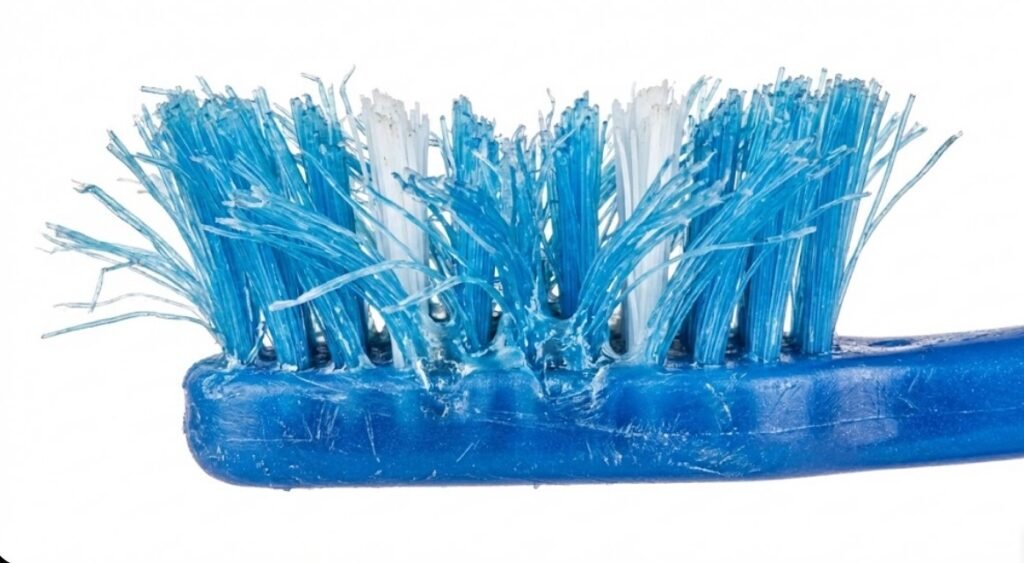
When you expose nylon to the extreme heat of a dishwasher (often 140°F+), you cause Thermal Deformation. The bristles relax, splay out (bloom), and lose their stiffness. A soft toothbrush becomes a useless, mushy mop.
Then there is the “Yuck” Factor. Dishwashers work by spraying water filled with food particles around a sealed box. Unless your filter is medical-grade, microscopic bits of spinach, tomato sauce, and grease are flying around. Do you really want lasagna residue on your molars the next time you brush? I didn’t think so.
| Cycle Count | Visual State | Cleaning Efficiency |
| Cycle 1 | Bristles look okay, but feel “mushy” and softer. Handle is hot to touch. | 90% (Usable but risky) |
| Cycle 5 | Bristles are visibly splayed outward (“bad hair day”). Text on handle fading. | 60% (Misses plaque at gumline) |
| Cycle 20 | Total structural failure. Bristles are matted. Handle is warped. | 0% (It is now just a plastic stick) |
You should not use a dishwasher to clean your toothbrush. The high temperatures can damage the toothbrush… If you suspect your toothbrush is contaminated, just throw it away.”
— Consensus from Major Dental Manufacturers (Oral-B / Colgate)
| Method | Cost | Effectiveness | Bristle Safety | Verdict |
| Dishwasher | Free | 🧼 High (Kills germs) | 🛑 Unsafe (Melting) | 👎 FAIL |
| UV Sanitizer | $20 – $50 | ✨ High (99.9% Clean) | ✅ Safe (No heat) | 🤖 Great Gadget |
| Hand Wash | Free | 🆗 Medium (Removes Debris) | ✅ Safe | 🏆 Best Daily |
| Replacement | $2 – $5 | 💯 Perfect | ✅ Safe | 👑 The King |
If you are recovering from a cold or just feeling grossed out, here is The Dentist-Approved Cleaning Method that won’t melt your gear:
- The Deep Rinse: After brushing, rinse the bristles thoroughly with hot tap water. Rub your thumb over them to eject all toothpaste and debris.
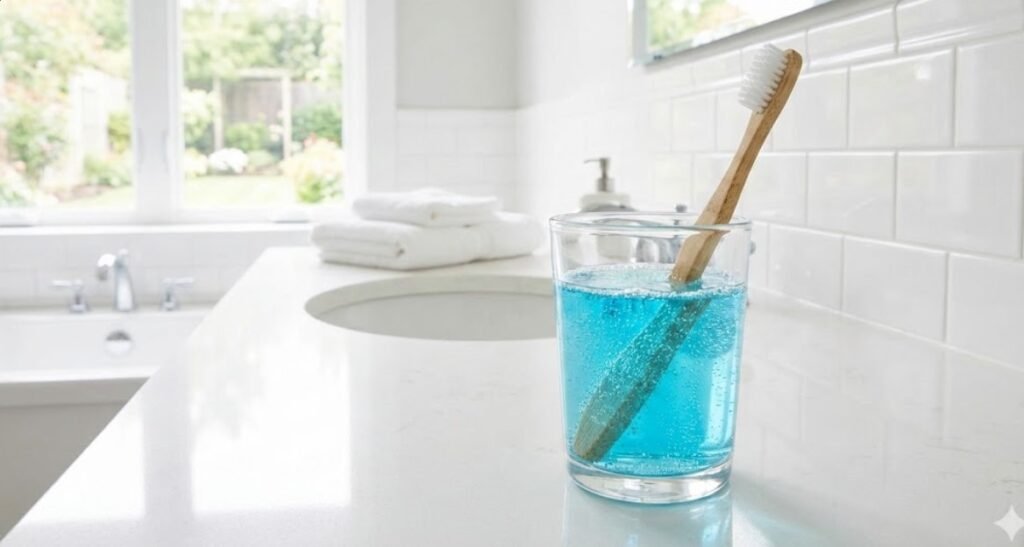
- The Fizzy Soak (Optional): Dunk the head of the toothbrush in a small cup of 3% Hydrogen Peroxide for about 10 minutes. Watch it fizz—that’s the oxygen killing the anaerobic bacteria. Rinse thoroughly before using.
- The Air Dry: This is crucial. Store it upright in a holder with good airflow. Bacteria loves moisture, so letting it dry out completely is the ultimate germ killer.
What About Vinegar? (A Natural Alternative) If you hate the idea of Hydrogen Peroxide, plain white vinegar is a solid runner-up.
Can You Put Your Toothbrush in the Dishwasher? – Thermal Deformation:
Why Plastic Type Matters (Polypropylene vs. Nylon) Most toothbrush handles are made of Polypropylene (hard plastic) and rubber grips. While Polypropylene has a high melting point, the rubber grips do not. The intense heat of the drying cycle causes the rubber to degrade, becoming sticky and porous. Once the rubber becomes porous, it becomes a magnet for black mold. So, by trying to “clean” your brush, you might actually be creating a perfect breeding ground for mold spores right where you hold it.
The “Micro-Abrasion” Effect It’s not just about the heat. Dishwasher detergent is highly abrasive (that’s how it scrubs dried lasagna off plates). Your tooth enamel is the hardest substance in your body, but your toothbrush bristles are delicate. The abrasive detergent creates microscopic scratches on the nylon bristles. These micro-scratches become hiding spots for bacteria (Streptococcus mutans) that simply cannot be rinsed away.
- Fill a cup with undiluted white vinegar.
- Soak the brush head for 30 minutes (no longer, or the acid might weaken the bristles).
- Rinse thoroughly. Note: Vinegar kills about 99% of bacteria and is far safer than the “dishwasher soup” method.
Q: What about electric toothbrush heads? A: Absolutely not. Even if you detach the head, the metal springs and moving parts inside the shaft can corrode from the harsh dishwasher detergent. If you put the battery handle in? You just destroyed a $100 gadget.
Q: Can I use the cutlery basket if I put it handle-down? A: You could, but you’re putting the part that goes in your mouth inches away from dirty forks and spoons. It’s a recipe for cross-contamination. If you must do it (against my advice), put it on the top rack.
Q: Can I boil my toothbrush to sterilize it? A: No. Boiling water (212°F / 100°C) is even hotter than your dishwasher. It will instantly melt the nylon bristles and warp the plastic handle. If you want to use heat, just use hot tap water, which is usually around 120°F—hot enough to rinse, but cool enough to keep the plastic intact.
Q: How often should I actually replace my toothbrush? A: The ADA recommends every 3 to 4 months, or sooner if the bristles look frayed. However, if you’ve been sick (flu, strep throat, or even a bad cold), replace it immediately. No amount of washing or soaking guarantees that the virus is gone, and re-infecting yourself is not worth saving $3.
(Verdict)
Look, I love efficiency, and I love my dishwasher. But your toothbrush is a precision tool, not a dinner plate. Don’t be cheap with your health. If your brush looks gross, smells weird, or has survived the flu with you, don’t boil it next to the dirty dishes. If in doubt, throw it out (and buy a 4-pack).
Also check out: Can you put Golf Balls in the Dishwasher?”
Everything Mentioned Above
Before you leave, grab the tools you need to get the job done right the first time:
*As an Amazon Associate, TidyFormula earns from qualifying purchases.