
How to Use Dryer Balls for Faster Drying and Soft Laundry
Dryer balls work by tumbling around your laundry as it dries, which helps separate wet fabric layers so air can move more freely between them. To use them, simply toss two to six balls (wool or PVC) into the dryer along with your damp laundry, start a normal cycle, and let them do their job—no special settings or additional products are needed for most loads.
⚡ The TidyFormula™ Quick Decision
Best approach: Add three to six dryer balls directly to the drum with your wet laundry before starting a normal drying cycle. Wool balls tend to be quieter and gentler, while PVC or rubber balls are often more durable and may agitate laundry more aggressively.
Use caution with: Delicate fabrics, items with embellishments, or loads that specifically warn against added objects on the care label. Very small or very large loads may not benefit as much from dryer balls as a mid-sized, evenly distributed load.
Stop and reassess if: You notice unusual noise beyond normal tumbling, visible damage to fabrics, lint or fuzz shedding from wool balls onto dark clothing, or if a specific garment’s care label advises against tumble drying with additional items.
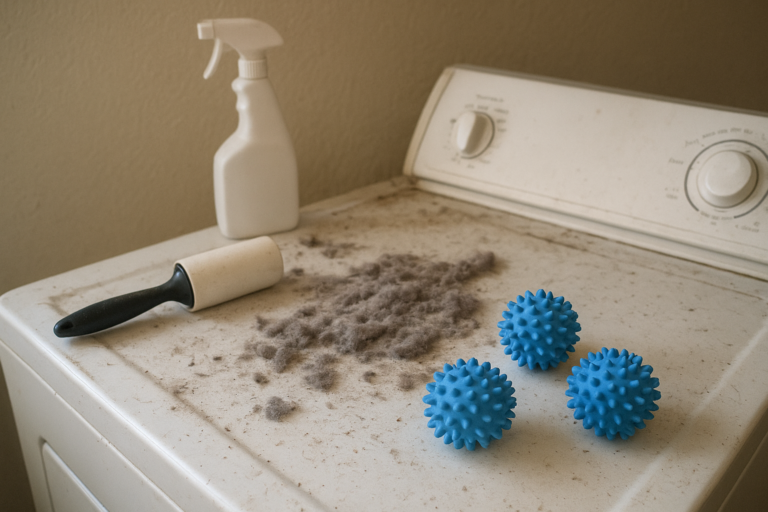
What Dryer Balls Actually Do
Dryer balls are solid, dense balls—usually made from wool or a rigid plastic like PVC—that you add to your dryer along with wet clothes. As the drum tumbles, the balls bounce around and help create small gaps between layers of fabric. This can improve air circulation, which may help your laundry dry more evenly and, in some cases, a bit faster.
What I Use For This Job
Using the right tools saves time and protects your belongings. Here are my exact recommendations:
*As an Amazon Associate, TidyFormula earns from qualifying purchases.
Many people also use dryer balls as an alternative to dryer sheets, hoping to reduce static and stiffness without adding fragrance or chemical coatings. Results vary by fabric type, load size, and how humid your laundry area tends to be, so don’t expect identical results every time.
How to Use Dryer Balls Step by Step
- Check care labels first. Look at tags on delicate items, especially wool sweaters, lace, or anything embellished, to confirm the manufacturer doesn’t advise against tumble drying with additional objects in the drum.
- Choose your dryer balls. Wool dryer balls are generally softer and quieter; PVC or rubber balls are firmer and may last longer, though they can be louder as they knock against the drum.
- Add three to six balls to the drum. Toss them in along with your wet laundry before starting the dryer. There’s no strict rule on quantity—more balls can mean more separation, but very small loads may only need two or three.
- Select a normal drying cycle. Dryer balls don’t typically require any special dryer setting. Use whatever heat and cycle length you’d normally choose for that particular load.
- Let the cycle run as usual. Check partway through if it’s your first time, just to confirm the balls are moving with the laundry and not causing excessive noise or snagging.
- Remove and store when done. Once the cycle finishes, take the balls out along with your laundry and store them somewhere dry until next time.
Wool vs. PVC Dryer Balls: What’s the Difference?
Wool dryer balls are made from densely felted wool and tend to be softer on fabric, which may make them a reasonable choice for households concerned about noise or fabric wear. Over time, wool balls can shed small amounts of lint, particularly when new, so it’s worth checking dark or delicate loads for stray fuzz.
PVC or rubber dryer balls are typically more rigid and durable, often lasting longer than wool without breaking down. Some people find they’re noisier during the cycle, and their firmer texture may not suit every fabric type equally. If you’re unsure which material works better for your specific laundry needs, it may help to try a small quantity of each and observe how your fabrics respond.
Getting the Best Results
Load Size Matters
Dryer balls tend to work best with a moderate, well-distributed load. Overstuffed dryers leave little room for the balls to move, while very small loads may not need the extra separation at all. If you regularly dry oversized items like comforters or heavy towels, you may notice more benefit from dryer balls than with lighter, everyday laundry — and when tackling bulky bedding it’s worth following the steps in our guide on how to clean a duvet insert without clumping so the fill dries evenly.
Combining With Other Laundry Habits
Dryer balls aren’t a substitute for basic maintenance like cleaning your lint trap before every load or checking your dryer vent periodically. Reduced airflow from a clogged vent or lint screen can affect drying performance regardless of what you add to the drum, so keep up with routine dryer care alongside using dryer balls.
Also maintain your washer by cleaning the washing machine filter regularly.
A clogged or grimy detergent drawer can leave residue that affects both washing and subsequent drying, so include it in your periodic washer checks.
Troubleshooting Common Issues
Excessive Noise
Some noise is normal, especially with PVC or rubber balls hitting the sides of the drum. If the noise seems unusually loud, sharp, or rhythmic in a way that suggests something is caught, pause the cycle and check that nothing else has become tangled with the balls.
Lint or Fuzz on Clothes
New wool dryer balls sometimes shed small fibers, particularly during their first several uses. If you notice this happening, running the balls through a couple of empty or towel-only cycles before using them with regular laundry may help reduce shedding.
No Noticeable Difference
If you’re not seeing much change in drying time or fabric softness, it may be worth adjusting the quantity of balls you use, checking that your load size is appropriate, or confirming your dryer’s vent and lint trap are clean and unobstructed. If you notice a persistent sour or musty odor after washing, see our guide on getting sour smell out of laundry after washing for troubleshooting steps.
Storage and Care Between Uses
Store dryer balls in a dry spot near your laundry area so they’re easy to grab each time you do a load. Wool balls should be kept away from consistent moisture to avoid mildew concerns over time — if towels or linens develop that musty smell, our article on how to remove mildew smell from towels is a good resource. PVC or rubber balls are generally low-maintenance and can be wiped down occasionally if they pick up lint or residue. For tips on arranging a compact laundry area and keeping supplies handy, see our laundry room organization for a small space guide.
When to Replace Dryer Balls
Wool dryer balls may compress, flatten, or unravel with extended use, at which point they typically become less effective and may need replacing. PVC or rubber balls tend to last longer, but check periodically for cracks or splits that could affect performance or leave residue in your dryer drum. If either type shows visible damage, replacing them is generally simpler and more reliable than trying to repair them.
Everything Mentioned Above
Before you leave, grab the tools you need to get the job done right the first time:
*As an Amazon Associate, TidyFormula earns from qualifying purchases.