
How to Get Rid of Bathroom Gnats: A Practical Guide
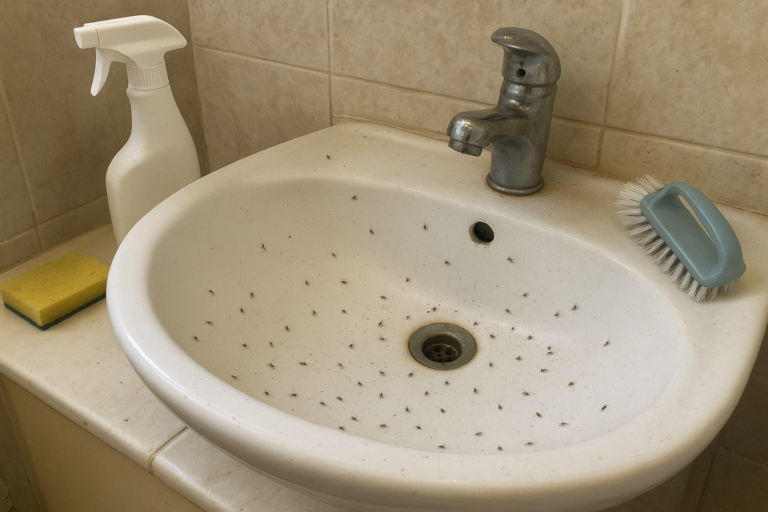
Bathroom gnats are usually drain flies or fungus gnats breeding in damp, organic buildup inside drains, overflow openings, or around leaky fixtures. Getting rid of them means cleaning out that buildup (how to clean hair from a shower drain without chemicals), drying out damp areas, and interrupting their breeding cycle for a week or two, rather than relying on spraying the adult insects you see flying around.
⚡ The TidyFormula™ Quick Decision
Best approach: Locate and physically clean the damp, organic gunk they’re breeding in—drain overflow holes, slow drains, under leaky pipes, or standing water in a rarely used tub—since removing the breeding material works better than repeatedly killing adult gnats.
Use caution with: Older or corroded pipes, plastic drain components, and any drain cleaning tool or brush that could scratch finishes; check manufacturer guidance for your specific fixture before using drain-cleaning tools or attachments.
Stop and reassess if: Gnats keep returning after thorough cleaning, you notice a persistent leak, water damage, or a sewer-like odor, or the flying insects don’t match typical drain fly or fungus gnat appearance—these situations may call for a plumber or pest control professional.
Why Bathroom Gnats Show Up in the First Place
Small flying insects in a bathroom almost always trace back to moisture and organic residue somewhere in the room. Drain flies (sometimes called moth flies) lay eggs in the slimy film that builds up inside drain pipes and overflow holes. Fungus gnats are more commonly linked to damp potting soil if you keep plants in or near the bathroom, though they can also turn up around persistently wet areas.
What I Use For This Job
Using the right tools saves time and protects your belongings. Here are my exact recommendations:
*As an Amazon Associate, TidyFormula earns from qualifying purchases.
Common sources include:
- Slow or rarely used drains where organic sludge accumulates
- Overflow holes in sinks and tubs, which are easy to forget during regular cleaning
- Leaky pipe connections under a sink or behind a wall that keep an area damp
- Standing water in a tub, shower pan, or floor drain that isn’t used often
- Potted plants with consistently moist soil
Step 1: Identify Where They’re Coming From
Before cleaning anything, spend a few minutes watching where the gnats actually appear. If you consistently see them near a specific drain, that’s a strong clue. A simple check some people use is covering a drain opening with clear tape overnight; if gnats get trapped against the tape, that drain is likely a source. This isn’t a guaranteed diagnostic in every situation, but it can help narrow things down before you start cleaning.
Step 2: Clean the Drain and Overflow Opening
Once you’ve identified a likely source, focus your cleaning there rather than treating the whole bathroom at once.
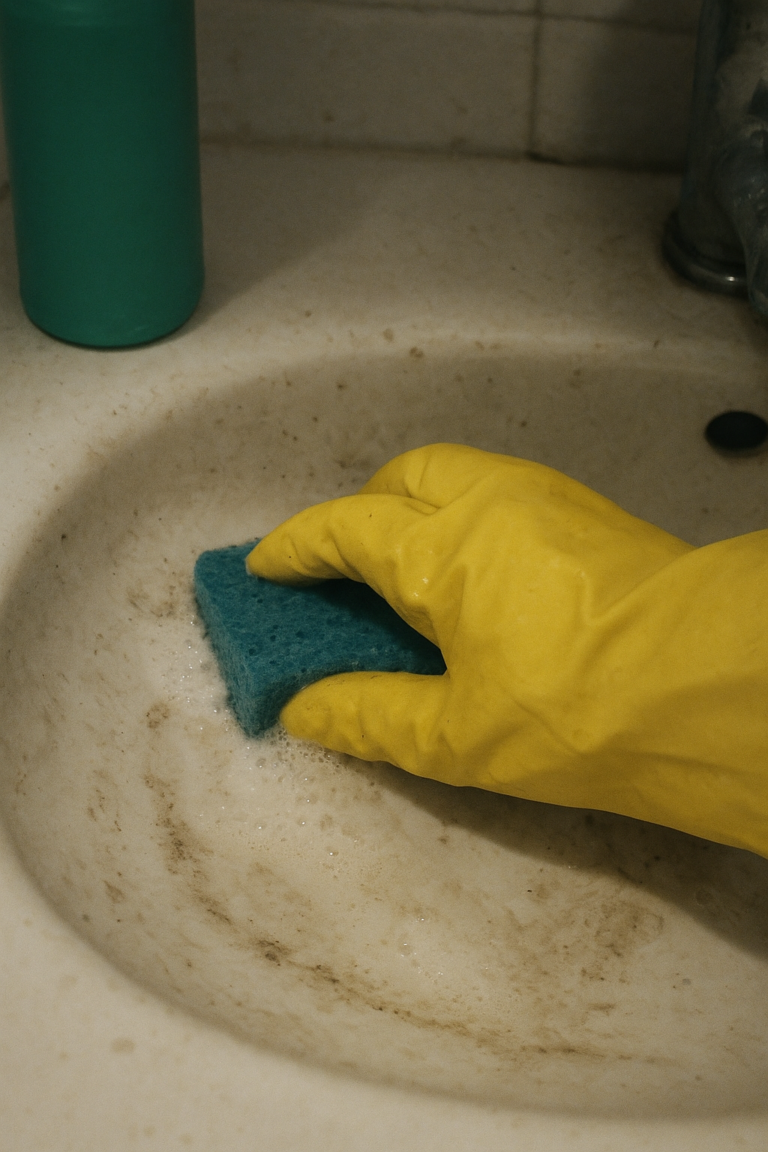
- Remove any visible hair, soap scum, or debris from the drain cover and stopper by hand or with a small brush.
- Use a narrow drain brush, if you have one, to physically scrub the inside walls of the drain as far as it will reach.
- Pay attention to the overflow hole on sinks and tubs—this opening is often overlooked and can hold organic buildup for a long time.
- Check your fixture’s care instructions or manufacturer guidance if you’re unsure whether a particular brush, tool, or attachment is appropriate for your drain material.
Some people follow up with a drain-safe cleaning product designed for organic buildup. If you choose to use one, follow the product label exactly, and never combine it with any other cleaning chemical, including bleach or ammonia-based products, since mixing household chemicals can be hazardous.
Step 3: Dry Out Damp Areas
Gnats need moisture to breed, so reducing standing dampness matters as much as cleaning. Walk through these areas:
- Wipe down the base of the tub, shower pan, and around the toilet after each use if water tends to pool there—also clean bath mats regularly to prevent trapped moisture and mold (how to clean a rubber bath mat without mold).
- Check under the sink for leaks around the P-trap or supply lines; even a small drip can keep an area damp enough to support breeding, and keeping that space tidy helps you spot problems (under-sink organization for cleaning supplies).
- Run a bathroom exhaust fan or open a window after showers to cut down on lingering humidity—also remember to maintain the fan so it continues to move air effectively (how to clean a bathroom exhaust fan without removing it).
- If you keep plants in the bathroom, let the soil dry out somewhat between waterings, since consistently soggy soil is a common fungus gnat source; if you lack natural ventilation, see guidance on preventing damp, stuffy bathrooms (how to prevent mold in a bathroom without a window).
Step 4: Address Any Standing Water
Rarely used drains, guest bathroom tubs, or floor drains can hold stagnant water for weeks without anyone noticing. Running water through these fixtures every so often, even just for a minute, can help disrupt the conditions gnats need to complete their life cycle.
Dealing With Adult Gnats in the Meantime
While you’re working on the source, you may still see adult gnats flying around for a little while, since eggs and larvae already present will keep hatching until the breeding material is fully removed. A few low-effort options some people use:
- A small dish of water with a drop of dish soap can attract and trap some flying insects, though this addresses visible adults rather than the underlying source.
- Keeping surfaces wiped down and drains covered when not in use can reduce new egg-laying sites.
These measures are supplementary. They won’t resolve a gnat problem on their own if the breeding source in the drain or damp area hasn’t been cleaned out.
How Long It Takes to See Results
Because gnats go through egg, larva, and adult stages, you may continue to see a few adults for a week or two even after you’ve cleaned the source thoroughly. This is a normal part of breaking the cycle rather than a sign that cleaning didn’t work, as long as the numbers are noticeably decreasing over time.
When to Bring in a Professional
Most bathroom gnat issues resolve with drain cleaning and moisture control. Consider calling a plumber or licensed pest control provider if:
- Gnats persist for more than a couple of weeks despite thorough cleaning
- You suspect a hidden leak inside a wall or under flooring
- You notice water damage, soft flooring, or a musty smell you can’t locate
- The insects don’t resemble typical drain flies or fungus gnats, since other pests can sometimes be mistaken for gnats
A plumber can inspect pipes for leaks or blockages that aren’t accessible with basic household tools, and a pest control professional can help identify the specific insect if home methods aren’t working. For visible mold or recurring damp under a sink, see practical steps for cleaning and drying that area (how to clean mold under the kitchen sink).
Preventing Bathroom Gnats From Coming Back
- Clean drains and overflow openings on a regular schedule, not just when gnats appear.
- Keep bathroom surfaces dry and ventilated, especially after showers or baths.
- Run water through guest bathroom or rarely used drains periodically to prevent stagnant water buildup.
- Check under-sink plumbing occasionally for slow leaks that might otherwise go unnoticed.
- If you keep plants in the bathroom, monitor soil moisture and avoid letting it stay saturated for long periods.
Consistent, routine cleaning of drains and damp spots is generally more effective at keeping gnats away long-term than treating an active infestation after the fact. For tips on reducing clutter and organizing storage so moisture-prone items stay dry and visible, see our Bathroom Cabinet Declutter Checklist.
Everything Mentioned Above
Before you leave, grab the tools you need to get the job done right the first time:
*As an Amazon Associate, TidyFormula earns from qualifying purchases.