Boiling Water for Gnats: Quick Drain Cleanup Tips
Boiling water can help clear gnats that are breeding in a drain by washing away the organic film they feed on, though it does not reach every hiding spot and works best as one part of a full cleanup (how to clean a sink drain without chemicals). It’s a reasonable first step for drain-based gnats, but it rarely solves an infestation on its own.
The TidyFormula Quick Decision
Best approach: Pour a kettle of boiling water slowly down the affected drain to break up the organic gunk gnats breed in, then follow with a drain brush cleaning.
Use caution with: PVC drain pipes, older plumbing seals, garbage disposals, and any drain connected to a septic system where extreme heat or repeated flushing could stress fittings.
Stop and reassess if: gnats keep appearing after several days of treatment, you notice standing water near houseplants or a leaking pipe, or the swarm seems to be coming from somewhere other than the drain.
What I Use For This Job
Using the right tools saves time and protects your belongings. Here are my exact recommendations:
*As an Amazon Associate, TidyFormula earns from qualifying purchases.
Does Boiling Water Kill Gnats in the Drain?
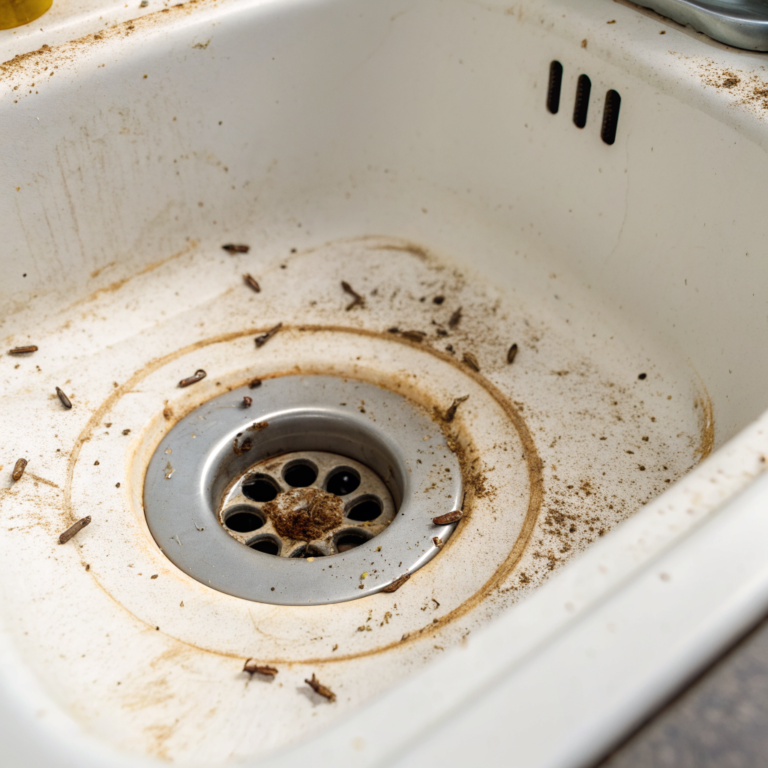
Boiling water can disrupt the gnat life cycle by melting away the slimy film of soap scum, grease, and organic debris that builds up inside pipes, since that film is usually what gnat larvae feed on. Removing the food source is often more useful than trying to hit adult gnats directly with hot water, since most of the population problem starts below the drain trap where you can’t see it.
Heat alone doesn’t guarantee every larva or egg is affected, especially deeper in the pipe where water cools quickly. Think of boiling water as a cleaning and disruption tool rather than a guaranteed pest-control treatment.
How to Use Boiling Water for Gnats in a Sink or Drain
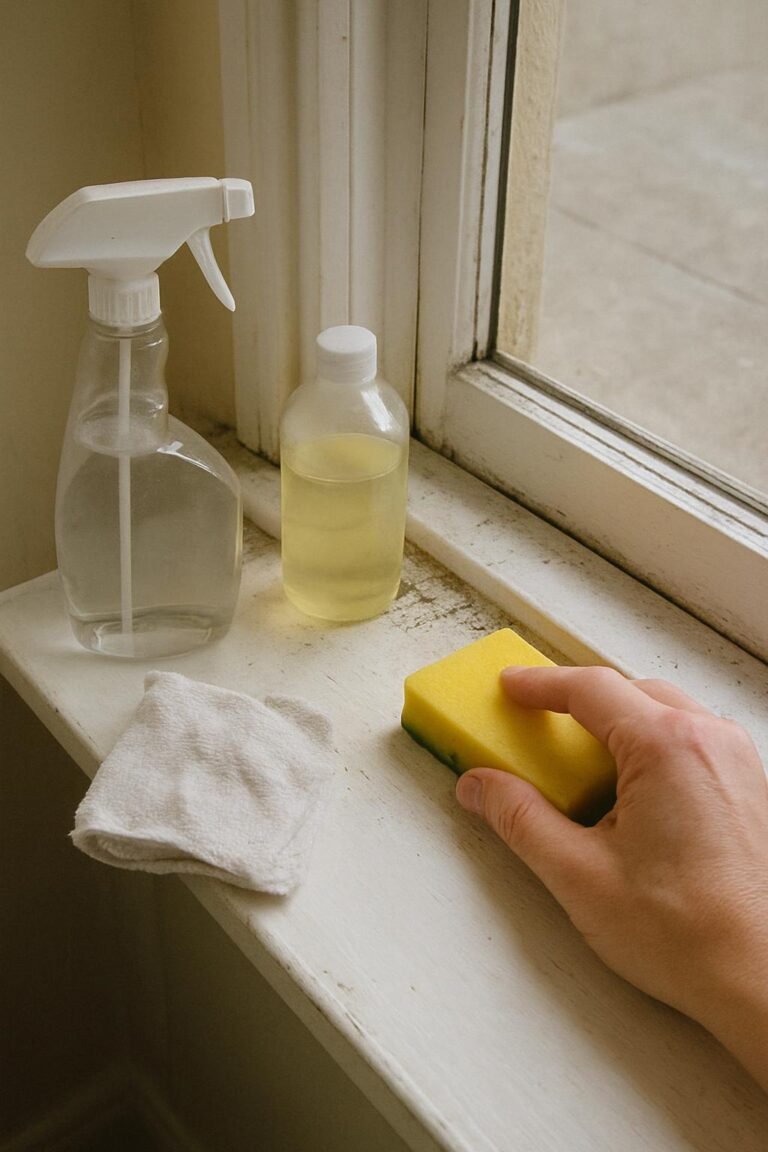
Start with the drain that seems to have the most gnat activity, usually a bathroom sink, kitchen sink, or floor drain that doesn’t get used often. Boiling water works better when the drain is already clear of hair, food scraps, and visible buildup, so a quick scrub first helps the hot water reach more of the pipe surface.
- Remove any visible debris from the drain opening with a drain brush or old toothbrush. If hair is the main issue, follow a targeted guide on how to clear hair from a drain without chemicals.
- Boil a full kettle or pot of water.
- Pour it slowly and steadily down the drain in stages rather than all at once, giving it time to work through the trap.
- Let the drain sit undisturbed for a while before running water again.
- Repeat once daily for a few days rather than relying on a single treatment.
If the gnats are coming from a garbage disposal, run the disposal briefly with cold water afterward to help clear loosened debris, since heat and disposals don’t always pair well depending on the unit’s manual guidance.
When Boiling Water Isn’t Enough
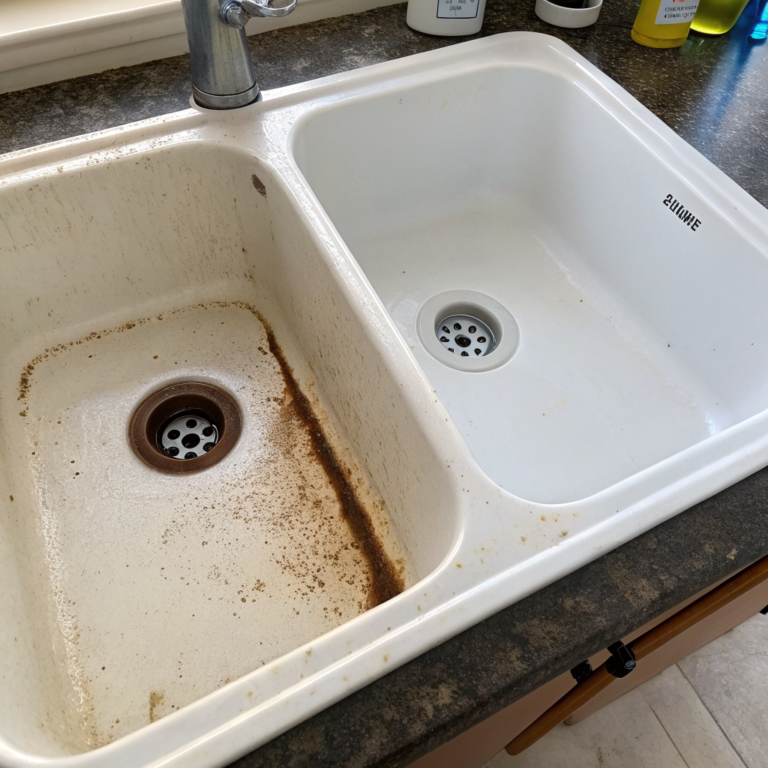
Boiling water alone often falls short when gnats are breeding somewhere other than the drain trap, such as in a P-trap further down the line, a slow leak under the sink (how to clean mold under the kitchen sink), or damp organic material like potting soil near a houseplant. If gnats return within a day or two of treatment, the water probably isn’t reaching the actual breeding site.
In these cases, a stronger cleaning approach usually works better than repeating hot water alone. A mix of dish soap and warm water poured down slowly can help break up grease that boiling water didn’t fully dissolve. A drain snake or flexible brush can physically remove buildup that water pressure can’t reach. For houseplant-related gnats, letting soil dry out more between watering removes the damp conditions gnats prefer, though this is a moisture-management step rather than a guaranteed fix.
TidyFormula Tip
Run treated drains a few times over the next day and watch for gnats resting nearby, since renewed activity usually means the breeding spot is further down the pipe than the boiling water reached.
What to Avoid When Treating Gnats with Boiling Water
Avoid pouring boiling water into a drain connected to PVC pipe without checking the pipe’s heat tolerance first, since some plastic plumbing can warp or loosen at joints with repeated extreme heat exposure over time. If you’re unsure what type of pipe is under a sink, a gentler warm-to-hot water approach is safer than assuming PVC can handle full boiling temperatures repeatedly.
Do not combine boiling water with drain cleaning chemicals in the same session. Cleaning agents that shouldn’t be mixed must not be mixed, and adding hot water to leftover chemical residue can create unpredictable reactions. If a chemical drain cleaner was used recently, flush thoroughly with plain water first and allow time before introducing boiling water.
Avoid treating only the visible part of the drain and assuming the problem is solved. Gnats often breed several inches down, past the trap, where a quick pour of water barely reaches. Skipping the scrubbing step and relying on hot water alone is one of the most common reasons the same gnats reappear within days.
Preventing Gnats From Returning
Regular drain maintenance does more long-term work than a single hot-water treatment. Running a small amount of dish soap and hot water through infrequently used drains once a week helps prevent the organic film from building back up. Keeping sink areas dry between uses and fixing small leaks promptly removes the standing moisture gnats are drawn to, and keeping trash sealed and cleaned helps cut another common food-and-moisture source (see how to deodorize a kitchen trash can).
For storage and quick access to the cleaners and tools you use for these routines, consider sensible under-sink organization for cleaning supplies so products stay dry, labeled, and away from heat sources.
For gnats connected to houseplants rather than drains, adjusting watering habits so soil surfaces dry out between waterings is usually more effective than any drain treatment, since the two problems have different root causes even though the adult insects can look similar.
Frequently Asked Questions
Is boiling water safe for all drain pipes?
Not always. Older or PVC piping can be more sensitive to repeated extreme heat than metal piping. If you’re unsure of your pipe material, use hot tap water instead of a full boil, or check with a plumber before repeating the treatment often.
How often should I pour boiling water down a drain for gnats?
Once a day for a few days is a reasonable starting point, followed by weekly maintenance pours once activity slows. Daily treatment for more than a week without improvement usually means the breeding site is elsewhere.
What if gnats keep coming back after boiling water treatments?
Persistent gnats after repeated treatments often point to a leak, a deeper clog, or a breeding source outside the drain, such as damp soil or a hidden water source. At that point, a physical drain cleaning or a call to a plumber is more useful than continuing hot water alone.
Can I use boiling water and vinegar together for gnats?
Plain boiling water followed later by a vinegar rinse is generally fine, but they shouldn’t be poured in together while still very hot, since the reaction can be unpredictable and less controlled. Space out different treatments rather than combining them in one pour.
Does boiling water work for gnats around houseplants?
Boiling water isn’t a practical treatment for houseplant soil, since it can damage roots and beneficial soil structure. Letting the soil dry out between waterings addresses the moisture gnats are drawn to without harming the plant.
Everything Mentioned Above
Before you leave, grab the tools you need to get the job done right the first time:
*As an Amazon Associate, TidyFormula earns from qualifying purchases.