
Baking Soda Cleaning Mistakes to Avoid
Baking soda is one of the safer household cleaners, but it still causes damage when used the wrong way. The most common mistakes are scrubbing soft or polished surfaces with it, mixing it into a paste that’s too abrasive, letting it sit too long on delicate materials, or combining it with cleaning products it shouldn’t touch. Match the method to the surface, and test first if you’re unsure.
A lot of the frustration people run into with baking soda happens on surfaces that look tough but aren’t, like glass stovetops, polished stone, or coated cookware. The powder itself isn’t harsh, but the scrubbing motion and grit can leave marks that don’t come out.
⚡ The TidyFormula™ Quick Decision
Best approach: Make a light paste with a small amount of water, apply it gently, and let it sit briefly before wiping with a soft cloth or non-abrasive sponge.
Use caution with: Polished stone, aluminum, non-stick coatings, gold-trimmed dishware, and any surface with a glossy or delicate finish.
Stop and reassess if: You notice dulling, scratching, discoloration, or a hazy film after cleaning, or if the item’s care label says to avoid abrasive cleaners.
What I Use For This Job
Using the right tools saves time and protects your belongings. Here are my exact recommendations:
*As an Amazon Associate, TidyFormula earns from qualifying purchases.
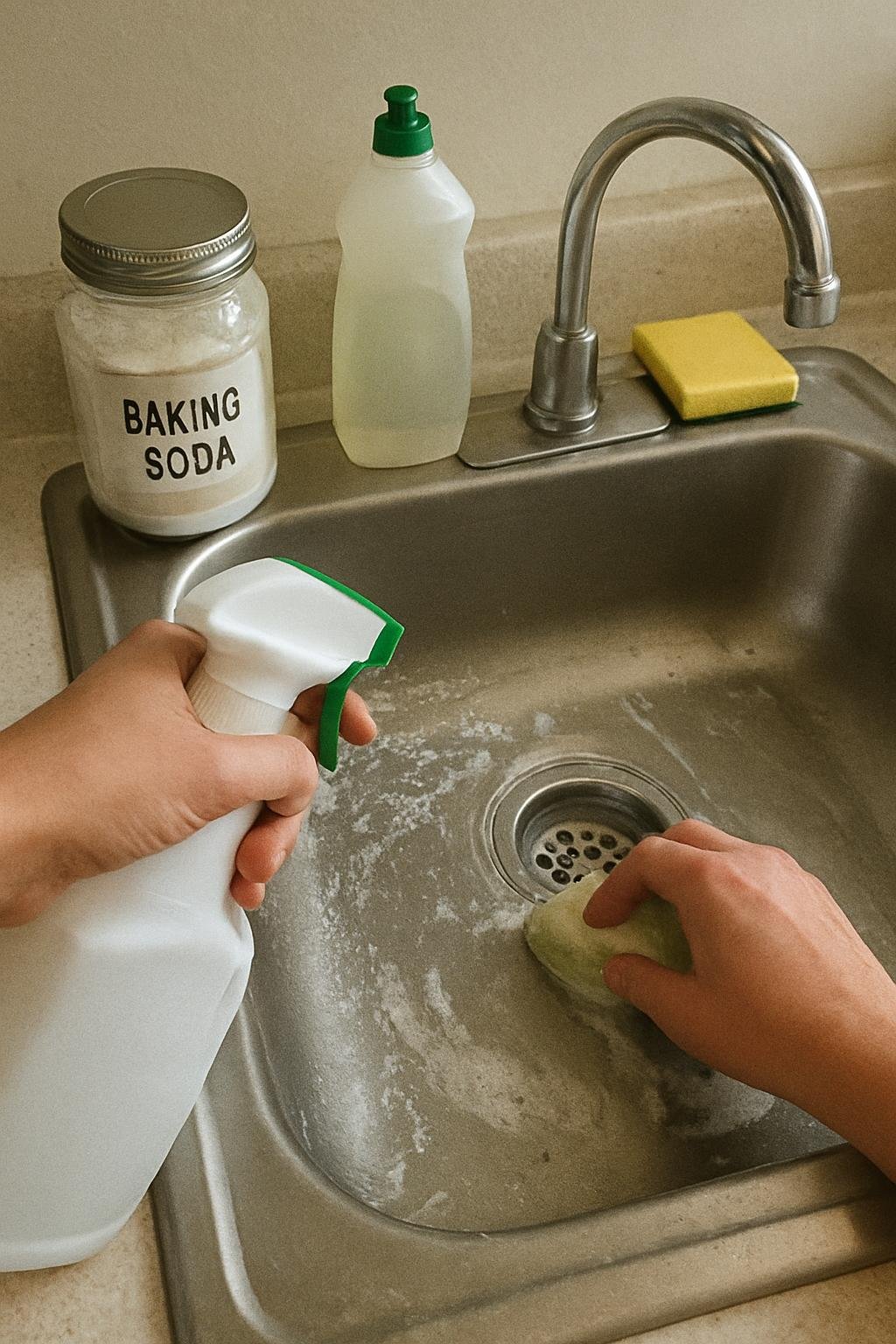
Using Too Much Pressure or Too Coarse a Paste
Baking soda is a mild abrasive, which is exactly why it works well on grease and grime, and exactly why it can scratch softer materials. The mistake isn’t the baking soda itself, it’s treating it like a heavy-duty scouring powder and pressing hard with a rough sponge or scrub brush.
Use this method when you’re cleaning durable, nonporous surfaces like stainless steel, ceramic tile, or sealed countertops. Avoid this method if you’re working with anything softly finished, including brushed metal, matte paint, or acrylic. On those materials, light pressure with a damp microfiber cloth is safer than scrubbing.
Scrubbing Polished Stone or Metal
Marble, granite, and other polished stone surfaces are more vulnerable to abrasion than they look. Even a gentle-seeming baking soda paste can leave fine scratches over repeated use, and on unsealed stone, the mixture can sit in pores and be difficult to rinse out completely.
The same caution applies to aluminum cookware and anything with a brushed or polished metal finish. Baking soda can dull the shine or leave faint scratch patterns that become more visible over time. Check the manufacturer instructions for your specific stone or metal item before using any abrasive method, and when in doubt, test on a small hidden area first.
Leaving It on Too Long or Letting It Dry Out
Baking soda paste works because it’s damp enough to lift residue without scratching. Once it dries out on a surface, it turns into a fine grit that can grind against the material when you try to wipe it away. Leaving a paste on for an extended period, especially on textured or porous surfaces, also makes it harder to rinse fully.
Keep the paste workable while you clean, and rinse or wipe promptly rather than letting it harden. If it dries before you get back to it, add a little water to reactivate it rather than scraping at the dried residue.
Using It on the Wrong Material
Not every surface benefits from baking soda, even when it’s applied gently. A few common trouble spots:
- Gold-trimmed or hand-painted dishware: abrasion can wear away decorative finishes. If you’re unsure whether a dish is dishwasher-safe or hand-wash only, check pottery and ceramic care guidance before scrubbing.
- Non-stick cookware: repeated abrasive cleaning can wear down the coating over time, even when the scrubbing feels light.
- Cast iron with a seasoned surface: baking soda can strip built-up seasoning if used too aggressively.
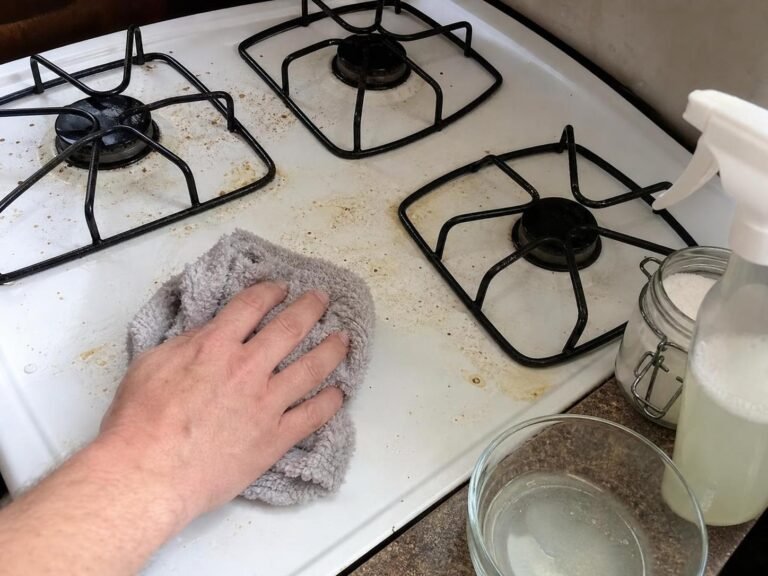
- Glass cooktops: fine scratches from gritty paste can become permanent, especially if the paste isn’t rinsed cleanly.
Choose another approach if the item has a delicate finish, a protective coating, or a care label that specifically warns against abrasive cleaners.
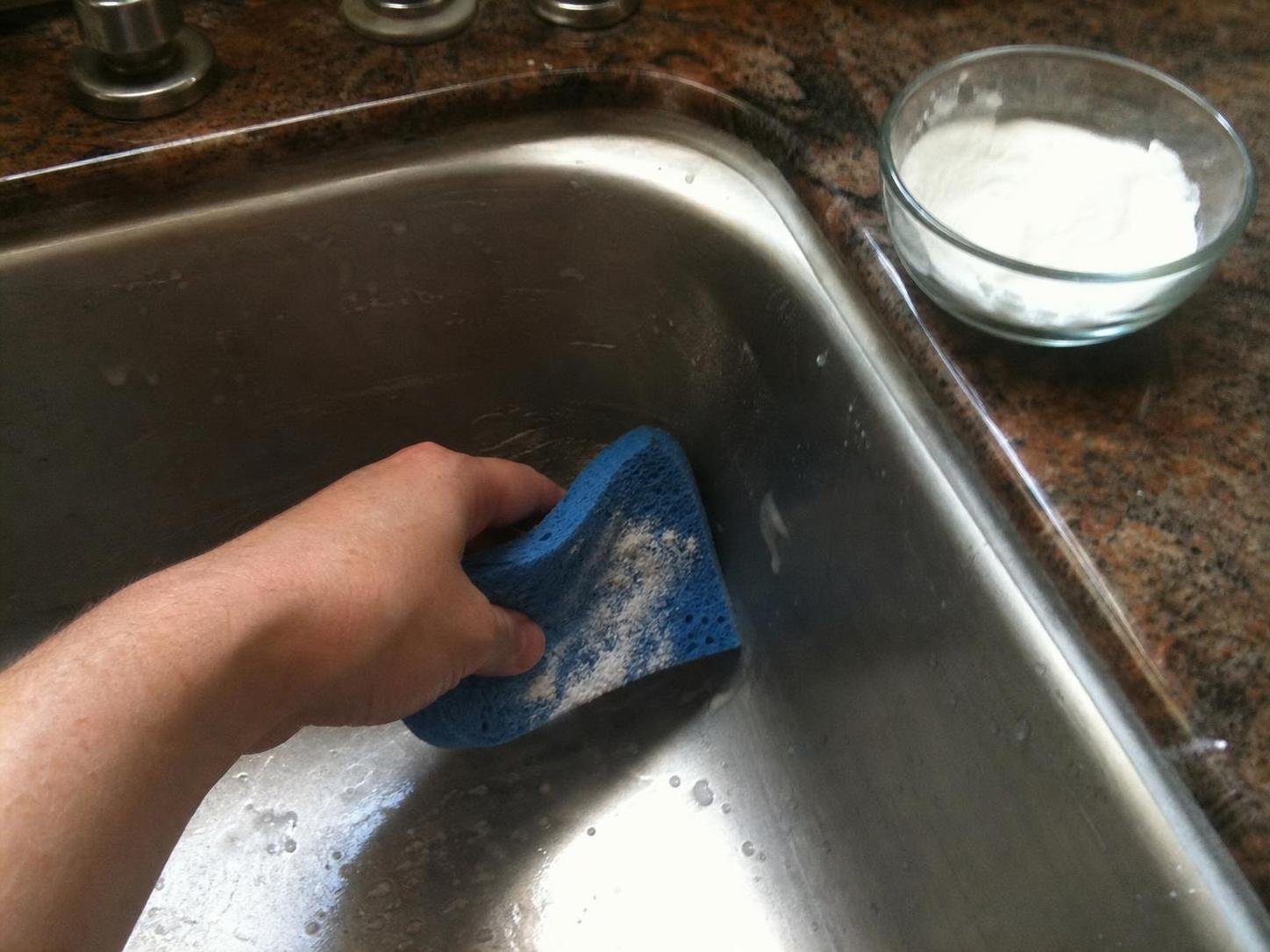
Mixing It With the Wrong Products
One of the more serious mistakes is combining baking soda with other cleaning chemicals without knowing how they interact. Never mix cleaning products together, including bleach-based cleaners, ammonia-based products, or anything with an unknown chemical makeup. If a method calls for baking soda alone, or paired with plain water, stick to that combination rather than adding extra products for a stronger effect.
If a drain, oven, or appliance task specifically calls for a baking-soda-and-vinegar reaction, follow a tested method written for that exact purpose, such as the baking-soda “volcano” method for slow drains, rather than improvising your own ratio.
Using It Where It Can’t Be Rinsed Out
Baking soda residue that isn’t fully rinsed can leave a dull or gritty film, especially on glassware, dark cookware, or textured surfaces. This is a common mistake with items that have grooves, seams, or hard-to-reach corners, like a coffee maker’s internal components.
If you’re trying to freshen an appliance rather than scrub a surface, a rinse-friendly method designed for that appliance is usually a better fit. For example, if you’re avoiding vinegar in a coffee maker, a purpose-built approach like the no-vinegar coffee maker cleaning method is easier to rinse completely than a baking soda paste applied by hand.
Assuming More Baking Soda Means Better Results
A thicker layer or a longer soak doesn’t clean faster, it just increases the chance of leftover residue or unnecessary abrasion. A thin, even layer with a short dwell time is usually enough to loosen grease or light stains. If a stain doesn’t lift, repeat the process rather than piling on more product or scrubbing harder.
For genuinely tough, baked-on grime, such as oven interiors, a method built around a longer, low-abrasion soak often works better than repeated scrubbing. The alkaline oven-cleaning method is a good example of using baking soda’s mild alkalinity over time instead of relying on scrubbing pressure.
Maintenance Habits That Prevent Damage
A few habits keep baking soda useful without risking damage over time:
- Test on a small, inconspicuous area before treating a visible surface for the first time.
- Keep the paste damp rather than letting it dry into a grittier texture.
- Rinse thoroughly, especially on glass, dark-colored surfaces, and grooved or seamed items.
- Use a soft cloth or sponge instead of a stiff brush on anything with a finish or coating.
- Check care labels or manufacturer instructions whenever a surface’s abrasion tolerance isn’t obvious.
Stop and switch methods if you notice scratching, dulling, or discoloration developing, since those signs usually mean the surface needs a gentler approach than baking soda can offer.
Everything Mentioned Above
Before you leave, grab the tools you need to get the job done right the first time:
*As an Amazon Associate, TidyFormula earns from qualifying purchases.
One Comment