Strip Laundry Deep-Clean: How to Strip Laundry for Residue-Free Fabrics
Stripping laundry is a deep-soak method used to remove built-up detergent residue, mineral deposits, body oils, and fabric softener film from towels, sheets, and workout clothes that seem dingy or smell musty even after washing. It typically involves soaking items in a large basin or tub with hot water and a mix of laundry booster products, then following up with a normal wash. It’s an occasional deep-cleaning step, not a substitute for regular laundering.
⚡ The TidyFormula™ Quick Decision
Best approach: Soak white or colorfast cotton towels, sheets, or workout gear in the hottest water your fabric care label allows, combined with a laundry booster such as washing soda or a borax-type product, for an extended soak before running a normal hot wash cycle.
Use caution with: Delicate fabrics, wool, silk, anything with elastic or spandex, flame-resistant sleepwear, and items with printed graphics or trims, since hot water and strong boosters can affect color, elasticity, or coatings.
Stop and reassess if: You notice color bleeding, fabric thinning, a strong or unusual odor from the soak, or if the care label restricts hot water or bleach-adjacent products, in which case a gentler wash routine is the safer choice.
What Stripping Laundry Actually Does
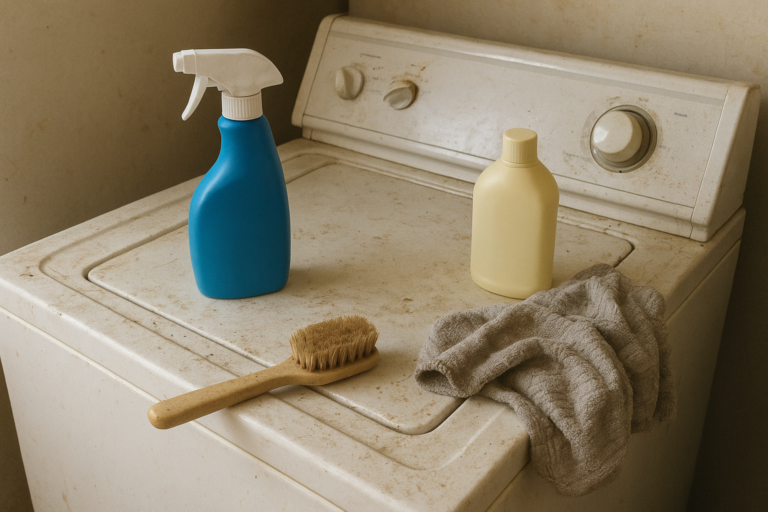
Over time, hard water minerals, detergent buildup, and fabric softener can coat fibers, especially in towels and sheets that get washed often but not always with enough detergent or water for a full rinse. This buildup can leave fabric feeling stiff, smelling musty, or absorbing water poorly. Stripping uses hot water and a longer soak time to loosen and dissolve this residue before a regular wash flushes it away.
What I Use For This Job
Using the right tools saves time and protects your belongings. Here are my exact recommendations:
*As an Amazon Associate, TidyFormula earns from qualifying purchases.
This method is generally considered most useful for white or light-colored cotton towels and sheets that have been in regular rotation for months or years. If towels still smell after a normal wash, see guidance on how to remove mildew smell from towels. It is not typically necessary for newer linens or items washed with the correct detergent amount for your water hardness and load size.
Checking Your Care Label First
Before stripping anything, check the care label for water temperature limits, bleach warnings, and fabric content. Manufacturer instructions vary by brand and material, so always defer to the label over general guidance. Items marked for cold water only, or those with wool, silk, rayon, or spandex blends, are generally poor candidates for this process.
How to Strip Laundry: A General Approach
- Choose the right items. White or colorfast cotton towels, sheets, and cotton workout clothes are the most common candidates. Confirm the care label allows hot water.
- Select a container. A bathtub, large utility sink, or oversized basin works, depending on how many items you’re soaking. Make sure it’s clean before use.
- Fill with hot water. Use the hottest water your fabric label permits. Add your chosen laundry booster according to the product’s own package instructions, since concentrations vary by brand.
- Submerge the items fully. Push fabric down so it’s completely covered and can move somewhat freely in the water.
- Let items soak. Check the soak periodically. Some guides suggest agitating the water occasionally with a clean stick or your hands (once the water has cooled enough to touch safely) to help loosen residue.
- Drain and rinse. Once you’re done soaking, drain the water and give items a rinse if the water looks especially cloudy or discolored.
- Run a normal wash cycle. Wash the stripped items again in your machine with your usual detergent to remove any remaining residue.
Important: Never combine different cleaning or laundry chemical products in the same soak. Follow one product’s instructions at a time, and never mix bleach-based products with ammonia-based or other cleaning chemicals, as combining household chemicals can create hazardous reactions.
Material-Specific Considerations
Cotton Towels and Sheets
Cotton generally tolerates hot water and extended soaking better than synthetic blends, which is why it’s the most commonly stripped fabric. Even so, older or thinner cotton may be more prone to wear from repeated hot-water treatments, so this is best reserved for occasional deep cleaning rather than a routine step.
Colored Fabrics
Dyes can fade or bleed in hot water, especially with certain laundry boosters. If you’re stripping colored items, consider testing a hidden seam or corner first, and watch the soak water for signs of color loss.
Synthetic and Performance Fabrics
Workout clothing made from moisture-wicking synthetics can hold onto body oils and detergent residue, but many of these fabrics have specific temperature limits printed on the label. High heat can degrade elastic fibers or affect any special coatings, so always confirm before soaking.
Delicates, Wool, and Silk
These fibers are generally not good candidates for stripping. Hot water and vigorous soaking can cause shrinking, felting, or fiber damage. A gentler, label-appropriate wash routine is the safer choice for these materials.
Troubleshooting Common Issues
- Water looks cloudy or gray: This is often just loosened residue and is generally expected during a stripping soak, though the exact cause can vary by household water conditions.
- Fabric still feels stiff after stripping: This may indicate ongoing hard water mineral buildup, which stripping alone may not fully resolve. A water softener or adjusting detergent amount for your water hardness may help going forward.
- Color changes noticed after soaking: Stop using this method on that item and switch to gentler laundering. Fading may not be reversible.
- Persistent odor remains: If a musty smell continues after washing, consider whether the washing machine itself needs cleaning. See why a machine can still smell after cleaning and what to check next.
Check the rubber door gasket for trapped residue and folds that hide grime. If you find buildup around the seal, follow manufacturer-safe cleaning steps like those in how to clean washing machine rubber seal mold.
Also inspect your washer’s intake and trap components. A clogged or dirty filter can circulate soil back onto clothing; see how to clean your washing machine filter for the usual access points and safe cleaning steps.
Finally, residue often hides in the detergent dispenser and drawer housing. If the dispenser smells or holds soap scum, follow the steps in how to clean a washing machine detergent drawer before running another load.
Drying and Aftercare
Dry stripped items according to their care label, whether that’s a machine dryer on the recommended setting or air drying. Avoid over-drying towels, since excessive heat over time can make fibers brittle. Once dry, fold and store as usual.
Preventing Future Buildup
To reduce how often you need to strip laundry, use the detergent amount recommended for your load size and water hardness rather than a fixed habitual amount, avoid excessive fabric softener on towels, and wash towels with enough water to allow a full rinse cycle. If your home has notably hard water, a water softening system may reduce mineral buildup over time, though this is a larger household decision separate from routine laundry care. If your laundry develops a sour smell after washing, follow the practical steps in how to get a sour smell out of laundry after washing to correct detergent, temperature, and machine-use issues.
When to Skip Stripping Altogether
If your linens are relatively new, already wash up soft and fresh-smelling, or carry care labels that restrict hot water, stripping likely isn’t necessary and could add unnecessary wear. This method works best as an occasional refresh for specific fabric types, not a routine addition to your regular laundry schedule.
Everything Mentioned Above
Before you leave, grab the tools you need to get the job done right the first time:
*As an Amazon Associate, TidyFormula earns from qualifying purchases.