How to Clean Ball Caps: Safe Methods for Maintaining Brim Shape
The best way to clean ball caps is to hand-wash them with a soft brush and mild detergent, working around the brim’s structure instead of soaking or machine-washing whenever the cap has a cardboard, plastic, or buckram-stiffened brim. This protects the shape while still lifting sweat, dirt, and surface grime from the fabric.
The TidyFormula Quick Decision
Best approach: Hand-clean with a soft-bristle brush, a small amount of mild detergent, and cool water, focusing on the sweatband and brim edges rather than fully submerging the cap.
Use caution with: Caps with cardboard or buckram-stiffened brims, wool or felt caps, caps with leather patches, and any cap without a visible care tag.
Stop and reassess if: The brim starts to soften, warp, or delaminate, colors bleed onto a light-colored cloth during a spot test, or a patch or logo begins lifting at the edges.
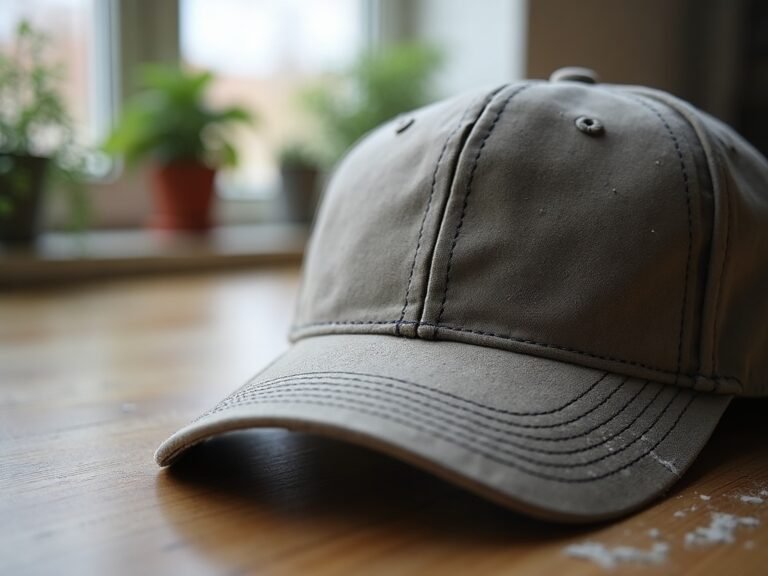
How to Clean Ball Caps Without Damaging the Brim
Cleaning ball caps safely usually comes down to controlling moisture and avoiding pressure on the brim’s internal structure. Most structured caps hold their curve because of a stiff insert, and that insert can soften, bend, or separate from the fabric if it gets fully saturated or agitated too aggressively.
What I Use For This Job
Using the right tools saves time and protects your belongings. Here are my exact recommendations:
*As an Amazon Associate, TidyFormula earns from qualifying purchases.
A slower, more targeted cleaning approach protects that shape while still removing visible dirt, oils, and sweat residue from the fabric and sweatband. Full machine washing or soaking works for some caps, but it is not the safest starting point for most.
What Material Is Your Cap Made Of?
The safest cleaning method depends heavily on what the cap is made from and how the brim is constructed. Cotton twill, polyester blends, wool, mesh, leather accents, and structured versus unstructured brims all respond differently to water and cleaning products.
- Cotton or cotton-blend caps generally tolerate light hand-washing well.
- Wool or felt caps can shrink or lose shape if soaked, so spot cleaning is usually safer.
- Mesh-back trucker caps often dry faster but can snag if scrubbed too hard.
- Leather patches or brims should be wiped, not soaked, since water can stain or stiffen leather.
If the cap has a care tag inside, check it before choosing a method. When no tag is present, treat the cap cautiously and start with the gentlest option, such as the gentle spot-cleaning methods described in our how to clean stroller fabric without removing it guide.
Step-by-Step Hand-Washing Method
Hand-washing is usually the safest way to clean a structured ball cap because it limits water exposure and avoids the tumbling motion of a washing machine. Before starting, test a cleaning solution on a hidden interior seam to check for color bleeding or fading.
- Mix a small amount of mild liquid detergent with cool water in a bowl.
- Dip a soft-bristle brush or a soft cloth into the solution, not the cap itself.
- Gently scrub the sweatband, brim underside, and any visible soil in small circular motions.
- Wipe away detergent residue with a clean, damp cloth, rinsing the cloth often.
- Blot excess moisture with a dry towel rather than wringing the cap.
This method keeps the brim mostly dry while still addressing the areas that typically collect the most sweat and oil.
Can You Wash Ball Caps in the Washing Machine?
Machine washing can work for some unstructured or fully cotton caps, but it carries a higher risk of brim warping, color transfer, and shape loss compared with hand-washing. If a care tag specifically allows machine washing, a gentle cycle in cold water inside a mesh garment bag or a cap-washing cage reduces movement and impact.
Structured caps with cardboard or plastic brim inserts generally do not hold up well to machine agitation, since the spinning and tumbling can bend or crease the insert permanently. When in doubt, hand-washing remains the more predictable option.
Removing Sweat Stains and Odor from the Brim
Sweat stains along the brim and sweatband usually respond to the same gentle detergent solution used for general cleaning, applied with slightly more focused scrubbing. For stubborn yellowing, a paste of baking soda and water can be dabbed onto the stain, left briefly, then wiped away with a damp cloth (see our guide on removing yellow sweat stains for a similar approach).
For odor, allowing the cap to air dry fully in a well-ventilated area after cleaning helps reduce residual smell caused by trapped moisture. This process removes odor-causing residue and buildup rather than eliminating bacteria, so caps that develop odor repeatedly may need more frequent light cleaning rather than a single deep clean. For more on treating persistent sweat odor in fabrics, see how to remove sweat smell from pillows.
Drying Your Cap Properly
Air drying is the safest option for almost every ball cap, since heat from a dryer can shrink fabric, warp brim inserts, or loosen adhesive inside the brim. Reshape the cap gently while damp, then set it on a cap form, a bowl, or a rolled towel to help it hold its curve as it dries.
Keep the cap away from direct sunlight or heating vents during drying, since concentrated heat can fade color unevenly. Drying fully before wearing or storing the cap also helps prevent musty odor from developing.
What to Avoid When Cleaning Ball Caps
A few common habits cause more damage than the original dirt or stains. Avoiding these keeps the cap’s shape and color intact.
- Do not fully submerge a structured cap in water, since prolonged soaking softens brim inserts.
- Do not use a washing machine’s hot cycle or a clothes dryer, since heat is the most common cause of shrinkage and brim warping.
- Do not scrub embroidered logos or patches aggressively, since thread and adhesive can loosen.
- Do not combine bleach with other household cleaners. If bleach is used at all on a fully white cotton cap, it should be used alone and rinsed thoroughly, and it should never be mixed with ammonia-based or other cleaning products.
- Do not skip the spot test on colored or printed caps, since some dyes and inks transfer or fade with water and detergent.
For general guidance on caring for hats without soaking them, the article on how to clean a hat without ruining it covers a similar no-soak approach that applies to many cap styles as well.
Frequently Asked Questions
Can I put a ball cap in the dishwasher?
Running a cap through the dishwasher is not a reliable method, since detergent formulated for dishes can be harsher than fabric-safe detergent, and heated dry cycles can warp brims. Hand-washing gives more control over both water temperature and pressure.
How often should I clean a ball cap?
Light cleaning every few weeks with regular wear is usually enough to prevent heavy sweat buildup, though frequency depends on how often the cap is worn and how much it sweats through. Caps worn daily during exercise may need more frequent attention than occasional-wear caps.
What if hand-washing does not remove the stain?
If a stain remains after one gentle cleaning attempt, let the cap dry fully before deciding whether to repeat the process, since some fabrics show stains more clearly when wet. Repeating the mild detergent method once is usually safer than immediately escalating to a stronger cleaner.
Is it safe to use a stain remover spray on a cap?
Some fabric stain removers can be used on cotton or polyester caps, but they should be spot tested first, since sprays can affect printed designs or embroidered thread differently than woven fabric. Following the product label’s instructions for fabric type is important before applying it broadly.
Will cleaning restore a badly faded or cracked brim?
Cleaning removes surface dirt and residue, but it does not reverse fading from sun exposure or repair a cracked or delaminating brim insert. In those cases, the cap’s structure has usually reached a point where repair options are limited, and replacement may be the more practical choice.
Everything Mentioned Above
Before you leave, grab the tools you need to get the job done right the first time:
*As an Amazon Associate, TidyFormula earns from qualifying purchases.