
How to Remove Grass Stains from Clothes: A Simple Pretreatment and Wash Guide
You can usually get grass stains out of clothes by working a liquid laundry detergent or an enzyme-based pretreatment directly into the stain before washing, since grass stains come from plant pigment and plant proteins that respond better to pretreatment and enzymes than to hot water or scrubbing alone. Acting while the stain is fresh makes the process noticeably easier.
The TidyFormula Quick Decision
Best approach: Apply liquid laundry detergent or an enzyme-based stain remover directly to the stain, work it gently into the fibers, let it sit briefly, then launder on the warmest setting the care label allows.
Use caution with: Wool, silk, leather, suede, and anything labeled dry-clean-only, since enzyme cleaners and vigorous rubbing can affect these fibers differently than cotton or polyester blends.
Stop and reassess if: The fabric shows color loss, texture change, or fraying during pretreatment, or if the stain remains after two full wash cycles, since repeated harsh treatment can weaken fibers faster than it lifts the stain.
TidyFormula Tip
Treat grass stains from the back of the fabric when possible, so you push the pigment out rather than deeper into the weave.
What I Use For This Job
Using the right tools saves time and protects your belongings. Here are my exact recommendations:
*As an Amazon Associate, TidyFormula earns from qualifying purchases.
What Causes Grass Stains and Why They Are Hard to Remove
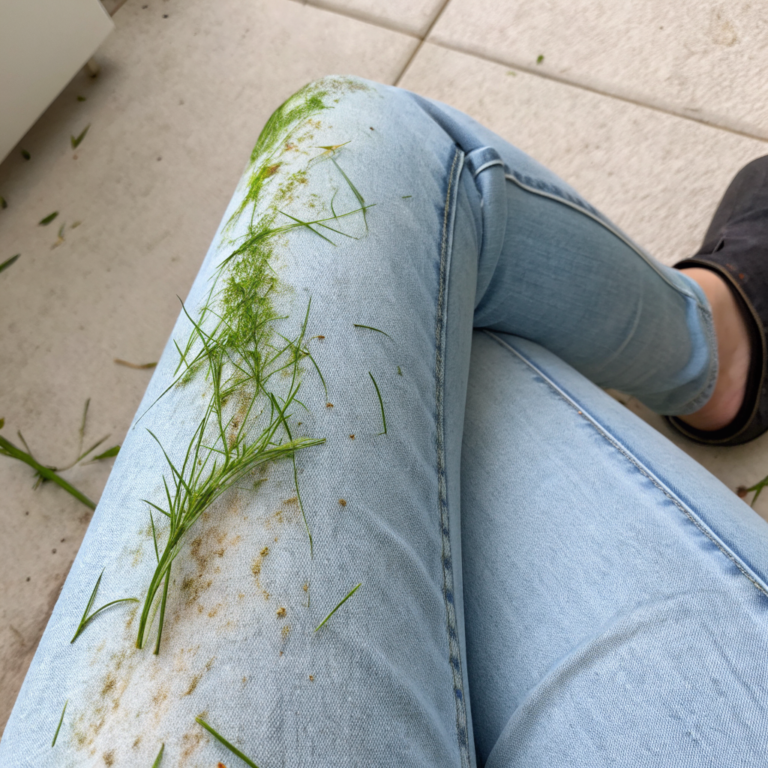
Grass stains form from a mix of chlorophyll and plant cell material that transfers onto fabric under pressure, such as kneeling, sliding, or sitting on lawns. Chlorophyll acts like a dye that bonds to fibers, which is why plain water or a quick rinse often does not fully remove it.
Because the staining involves plant pigment and organic residue, products designed to break down proteins and plant material tend to outperform generic soap. This is part of why enzyme-based detergents and pretreatments are usually recommended over bar soap or dish soap alone.
How Do I Get Grass Stains Out of Clothes: Step-by-Step
The most reliable approach for most washable clothing is pretreatment followed by a normal wash cycle, rather than trying to scrub the stain out on its own.
- Check the care label first to confirm the fabric is machine washable and note any temperature restrictions.
- Gently scrape off any dried grass or debris with the edge of a spoon or a dull knife before adding any liquid.
- Apply a small amount of liquid laundry detergent or an enzyme-based stain remover directly onto the stained area.
- Work it into the fibers with your fingers or a soft-bristled brush, using light pressure rather than aggressive scrubbing.
- Let the product sit on the fabric for a short period, following the product label’s guidance rather than guessing at timing.
- Wash the item on the warmest water setting the care label allows; also make sure your machine is well maintained by occasionally cleaning the washing machine filter.
- Check the area before drying. If any green tint remains, repeat the pretreatment step rather than drying the item, since heat can set a stain that is not fully gone.
Removing Grass Stains from Delicate or Colored Fabrics
Delicate fabrics and bright or dark colors need a gentler version of the same process, since strong rubbing or bleach-based products can damage fibers or cause fading.
For colored cotton, denim, or synthetic blends, stick with a color-safe liquid detergent and avoid chlorine bleach unless the care label specifically allows it. For wool, silk, or other fabrics marked dry-clean-only, blot rather than rub, and consider taking the item to a professional cleaner instead of attempting a home treatment, since these fibers can react differently to enzymes and moisture.
Always test any stain remover or detergent on a hidden seam or inside hem first. If you notice color transfer, fading, or a texture change during this spot test, stop and choose a milder approach or professional cleaning instead. If the stain is on white fabric, similar oxygen-based approaches are often used — see our guide on removing yellow sweat stains from pillowcases for a comparable treatment on white cotton blends.
What to Do If the Stain Is Already Set or Dried
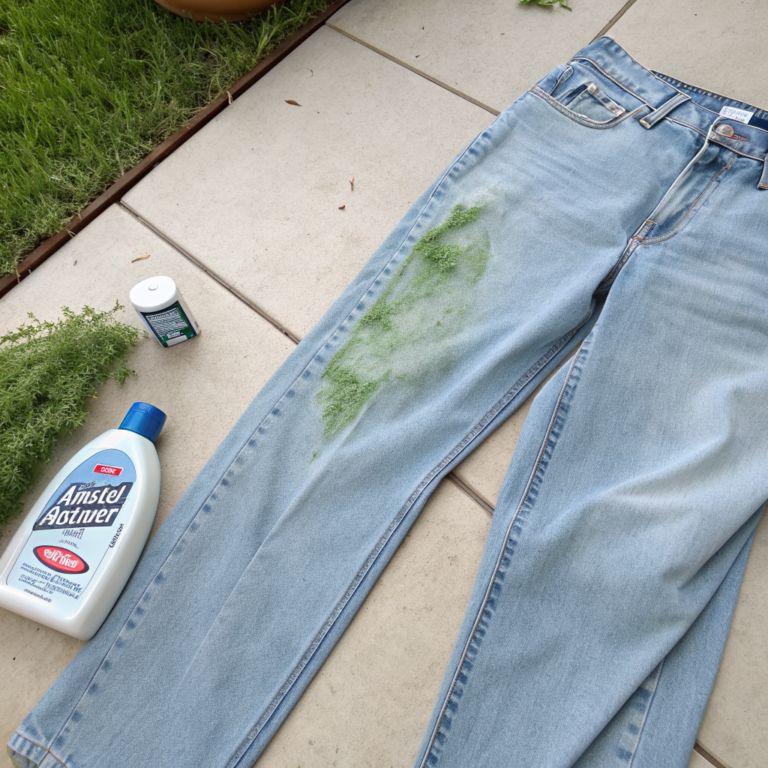
A grass stain that has already dried or been through the dryer usually needs more than one treatment cycle rather than a single aggressive attempt. Repeat the pretreatment and wash steps, checking the fabric after each cycle before drying it again.
For stubborn or older stains, a longer soak in cool water with detergent added can help loosen residue before you repeat the pretreatment step. Avoid jumping straight to hot water on a set stain, since heat can bond remaining pigment more firmly to certain fibers rather than lifting it away.
If the stain persists after several attempts, it may have set into the fiber structure in a way that home treatment cannot fully reverse, and a professional cleaner may have access to methods better suited to that specific fabric. Repeating cycles and heavy pretreatment can also leave residue in cloth over time; if loads begin to smell or feel stiff, consult our guide on detergent buildup on clothes and how to address it.
What to Avoid
- Avoid using hot water or a hot dryer cycle before you are confident the stain is fully removed, since heat can set remaining pigment.
- Avoid combining different stain removers or mixing bleach with other cleaning products, since certain cleaning agents should never be combined and doing so can create a safety hazard.
- Avoid scrubbing aggressively with a stiff brush, which can wear down fibers, especially on knees and other high-friction areas that are already under stress.
- Avoid skipping the care label, since fabric type changes which products and water temperatures are appropriate.
- Avoid drying a stained item before confirming the stain is gone, since many stains become far harder to remove once they have been through a heated dryer cycle.
Drying and Aftercare
Once the stain appears fully removed, dry the item according to its care label. Air drying is a lower-risk choice when you are not fully certain the stain is gone, since you can inspect the fabric in daylight and retreat it if needed without the risk of heat-setting any remaining residue.
If the item will be worn again for yard work, sports, or gardening, treating it promptly after each wear tends to keep future stains from building up or becoming set-in, which is generally easier than dealing with an older stain later.
Also maintain your washing machine so it rinses and dries loads effectively: keep the rubber door seal clean and free of mold. For households with pets, removing trapped pet hair from your appliance helps improve rinse performance; here is a short guide on how to remove pet hair from a washing machine.
Frequently Asked Questions
Can I use baking soda or vinegar instead of detergent?
Baking soda paste or diluted white vinegar can help with light, fresh grass stains on sturdy fabrics like cotton, but they are generally less effective than a liquid detergent or enzyme-based stain remover for plant-based staining. Never combine vinegar with bleach or other cleaning chemicals.
Will rubbing alcohol remove grass stains?
Rubbing alcohol can help loosen some plant pigment on sturdy, colorfast fabrics, but it should always be spot-tested first since it can affect dyes and certain synthetic fibers. It works best as a supplement to detergent, not a replacement.
How often can I retreat the same stain before washing again?
You can generally repeat pretreatment across two or three wash cycles without issue on most sturdy fabrics, checking the fabric each time for fading or texture change. If the stain has not visibly lightened after multiple attempts, further scrubbing is unlikely to help.
What if the grass stain is on white fabric?
White cotton and polyester blends can often tolerate an oxygen-based bleach alternative in addition to detergent, but always confirm on the care label first. Avoid chlorine bleach on blends or trims that are not labeled bleach-safe. For similar white-fabric stain challenges (like sweat discoloration), our guide on removing yellow sweat stains from pillowcases shows an approach that often translates to other white garments.
Do grass stains come out of shoes the same way?
Fabric shoe uppers can often be treated similarly to clothing, but leather, suede, and mesh shoes need gentler, material-specific care since they are more sensitive to soaking and enzyme cleaners than woven fabric. If you notice lingering odors after multiple wash cycles, see our tips for fixing sour laundry smells, which also apply when machine loads were not rinsed clean.
Everything Mentioned Above
Before you leave, grab the tools you need to get the job done right the first time:
*As an Amazon Associate, TidyFormula earns from qualifying purchases.