Can You Put Ice Cube Trays in the Dishwasher? (Silicone vs Plastic Lab Test Results)
Yes, many ice cube trays can go in the dishwasher—but only if the manufacturer marks them dishwasher-safe. Put silicone and approved plastic trays securely on the top rack, use a normal cycle, and avoid heated drying when possible. Hand-wash unmarked plastic, aluminum, damaged trays, and any removable parts that lack dishwasher instructions.
The material matters because dishwasher heat can warp some plastics, while detergent residue and fragrance can cling to silicone and affect the taste of the next batch of ice. Checking the tray’s label and choosing the correct cycle prevents most problems.
Quick Answer by Material
- Silicone: Usually dishwasher-safe when labeled as such. Secure it on the top rack and consider skipping heated dry to limit odors and detergent residue.
- Rigid plastic: Dishwasher safety varies. Follow the label rather than relying on the recycling number alone.
- Stainless steel: Often dishwasher-safe, but check the manufacturer’s care instructions, especially for trays with levers or attached parts.
- Aluminum: Hand-washing is the safer choice because dishwasher detergent can discolor or dull the surface.
- Trays with lids: Wash the tray and lid separately. The tray may be dishwasher-safe even when the lid is not.
Before You Start
Look for “dishwasher-safe,” “top-rack dishwasher-safe,” or a dishwasher symbol on the tray, packaging, or manufacturer’s website. If you cannot confirm the care instructions, hand-wash the tray with warm water and dish soap.
Which Ice Cube Trays Are Dishwasher-Safe?
Silicone Ice Cube Trays
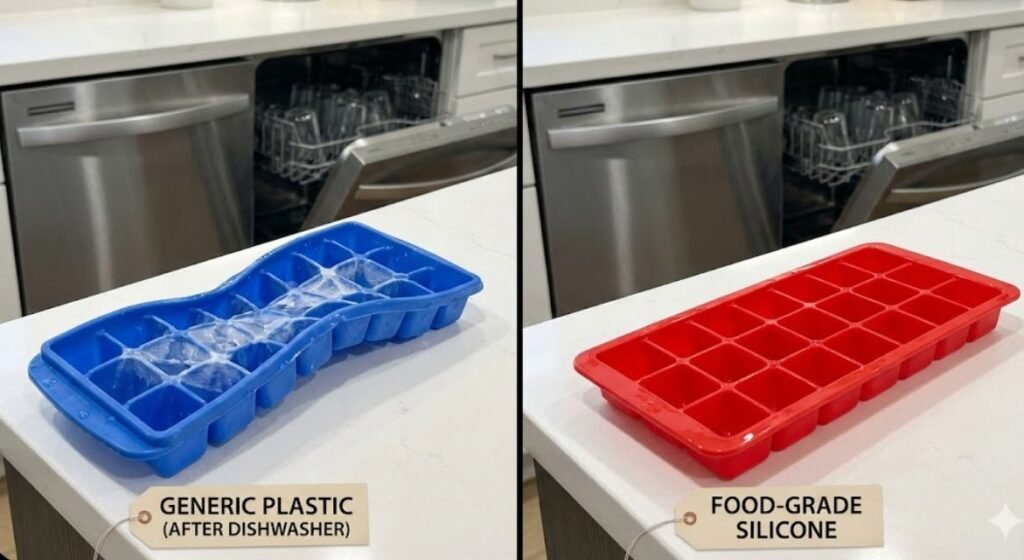
Most food-grade silicone trays are designed to tolerate dishwasher temperatures, but the manufacturer’s instructions still take priority. Thin, flexible trays can fold over, collect water, or fall through the rack, so place them flat and secure them between larger dishwasher-safe items.
Heat is not usually the main problem with silicone. Fragranced detergent, rinse aid, grease from other dishes, and incomplete rinsing can leave an odor or taste behind. Use only the normal amount of detergent, avoid overcrowding the dishwasher, and run an extra rinse if the clean tray smells strongly of soap.
What I Use For This Job
Using the right tools saves time and protects your belongings. Here are my exact recommendations:
*As an Amazon Associate, TidyFormula earns from qualifying purchases.
Rigid Plastic Ice Cube Trays
Plastic trays require more caution because their heat resistance varies. A polypropylene recycling code, such as “5” or “PP,” identifies the type of plastic but does not automatically confirm that the finished tray is dishwasher-safe.
Wash a plastic tray in the dishwasher only when its label allows it. Keep it on the top rack, away from the heating element, and skip sanitize or heated-dry settings unless the manufacturer specifically permits them. Hand-wash thin, old, unmarked, or already misshapen plastic.
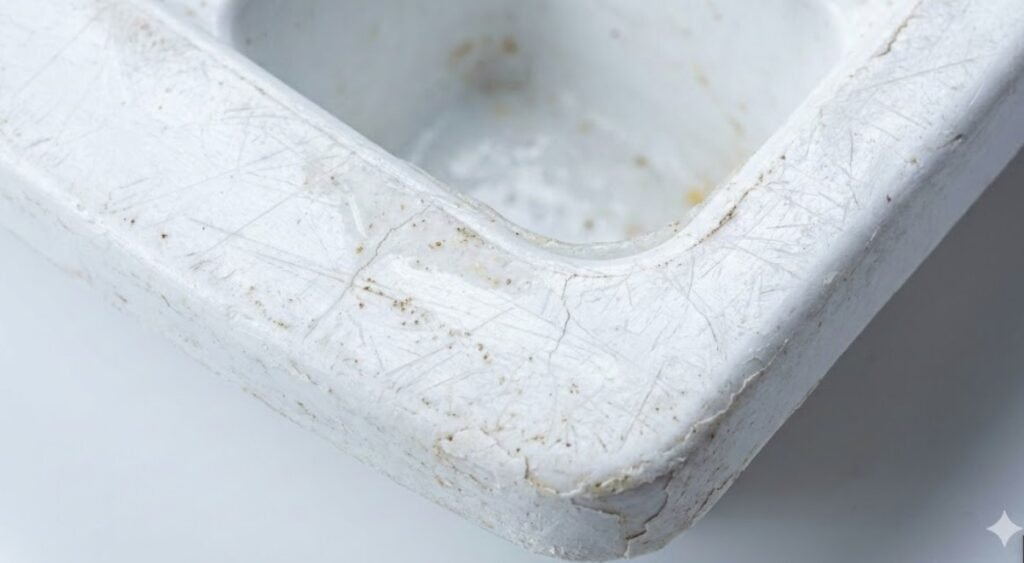
Stainless Steel and Aluminum Trays
Stainless steel trays are often dishwasher-safe, although hinged handles, release levers, seals, and other attached components may have different care requirements. Check the complete product’s instructions rather than assuming the metal alone determines dishwasher safety.
Aluminum trays should generally be hand-washed. Alkaline dishwasher detergent can react with the surface and leave it dull, darkened, or chalky. This discoloration may be permanent even when the tray remains usable.
Trays with Lids, Frames, or Release Mechanisms
Separate removable lids, silicone seals, storage frames, and release mechanisms before washing. These parts may use different materials, and a lid can warp even when the tray beneath it is dishwasher-safe. Place small approved parts in a dishwasher basket so they cannot fall onto the heating element.
Why Dishwasher Placement and Heat Matter
Dishwashers combine hot water, alkaline detergent, spray pressure, and drying heat. A tray that performs well in the freezer may not be designed for that combination.
- Warping: Thin or heat-sensitive plastic can soften enough to twist, bow, or lose the shape of its cube compartments.
- Falling or folding: Flexible silicone can slip through the rack and contact a heating element or spray arm.
- Detergent residue: Deep corners can trap wash water, while silicone may retain detergent fragrance or odors from greasy dishes.
- Surface damage: Older plastic can become scratched, cloudy, cracked, or difficult to clean thoroughly.
The top rack is usually safer because it keeps the tray farther from an exposed heating element. However, “top rack” does not make an unsuitable tray dishwasher-safe; it only reduces heat exposure for products already approved for machine washing.
How to Wash an Ice Cube Tray in the Dishwasher
- Check the care label. Confirm that the tray and each removable part are dishwasher-safe. Follow any stated temperature or rack restrictions.
- Empty and rinse the tray. Remove leftover ice, loose residue, and visible food spills. Use cool or warm water rather than forcing a frozen tray directly into a hot cycle.
- Separate removable parts. Take off the lid, frame, seals, or release components when the design allows it.
- Load it securely on the top rack. Position the tray so the spray can reach each compartment and water can drain. Do not let flexible silicone hang through the rack.
- Choose a normal cycle. Use the recommended amount of a mild, preferably fragrance-free dishwasher detergent. Avoid sanitize and high-heat settings unless specifically approved.
- Air-dry when practical. Turning off heated dry reduces unnecessary heat exposure. Remove any pooled water and allow the tray to dry completely.
- Inspect and smell the tray. Check for warping, cracks, sticky residue, detergent odor, or rough surfaces before refilling it.
Silicone vs. Plastic: What to Expect
| Feature | Silicone Tray | Dishwasher-Safe Plastic Tray | Unmarked or Older Plastic Tray |
| Recommended placement | Top rack, secured flat | Top rack | Hand-wash |
| Main concern | Detergent odor, folding, or trapped water | Warping from excessive heat | Unknown heat tolerance and existing wear |
| Heated dry | Skip when possible, especially for thin trays | Use only if allowed by the manufacturer | Avoid |
| After washing | Rinse again if it smells or tastes soapy | Check for bowing or distorted compartments | Dry thoroughly after hand-washing |
| Replace when… | Torn, permanently sticky, or difficult to clean | Cracked, deeply scratched, or warped | Damaged, brittle, cloudy, or misshapen |
Dishwasher vs. Hand-Washing and Vinegar Soaking
A dishwasher is convenient for approved trays, while hand-washing gives you greater control over temperature and detergent residue. Vinegar is useful for mineral buildup, but it is a supplemental descaling step rather than a replacement for washing with dish soap.
| Feature | Dishwasher (Top Rack) | Hand Wash (Soap & Water) | Vinegar Soak |
| Effort Level | Low | Medium | Medium |
| Best Use | Routine cleaning of labeled dishwasher-safe trays | Unmarked plastic, aluminum, lids, and delicate parts | Removing white mineral deposits and hard-water film |
| Risk of Warping | Possible if the material or cycle is unsuitable | Low with warm—not boiling—water | Low when used at room temperature |
| Odor Control | May leave detergent fragrance | Good when thoroughly rinsed | Can help with some mineral-related or stale odors |
| Important Limitation | Not appropriate for every tray | Requires scrubbing each compartment | Does not remove grease as effectively as dish soap |
How to Hand-Wash an Ice Cube Tray
Hand-washing is the safest default when the tray has no care label, is made from aluminum, or has already shown signs of heat damage.
- Let the empty tray return to room temperature if it has just come out of the freezer.
- Wash it in warm water with a small amount of dish soap.
- Use a soft bottle brush or dish brush to reach the corners and bottoms of the compartments.
- Rinse thoroughly until the water runs clear and the tray no longer feels slippery.
- Shake out trapped water and air-dry the tray upside down on a clean rack.
Removing White Hard-Water Deposits
A chalky white film is often mineral buildup from hard water. Mix one part distilled white vinegar with three parts warm water, soak the tray for 15 to 30 minutes, and scrub it gently. Then wash the tray with dish soap, rinse it thoroughly, and let it dry.
Do not combine vinegar with chlorine bleach or other household cleaning products. If you use baking soda for odor control, use it as a separate treatment and rinse the tray before applying anything else.
Removing Freezer or Detergent Odors
Start by washing the tray with fragrance-free dish soap and rinsing it thoroughly. For a lingering odor, apply a paste of baking soda and water, let it sit for up to an hour, then wash and rinse the tray again.
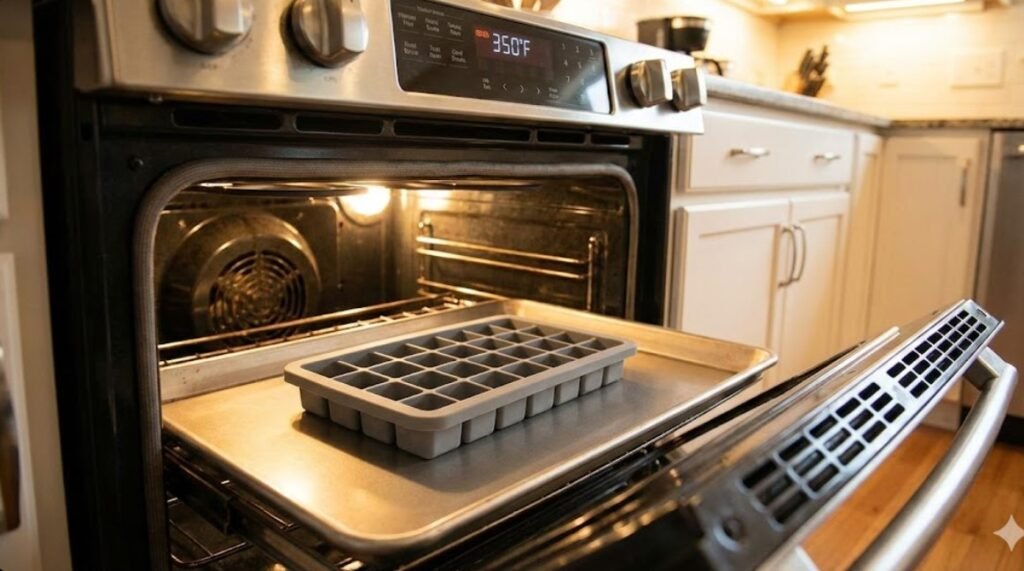
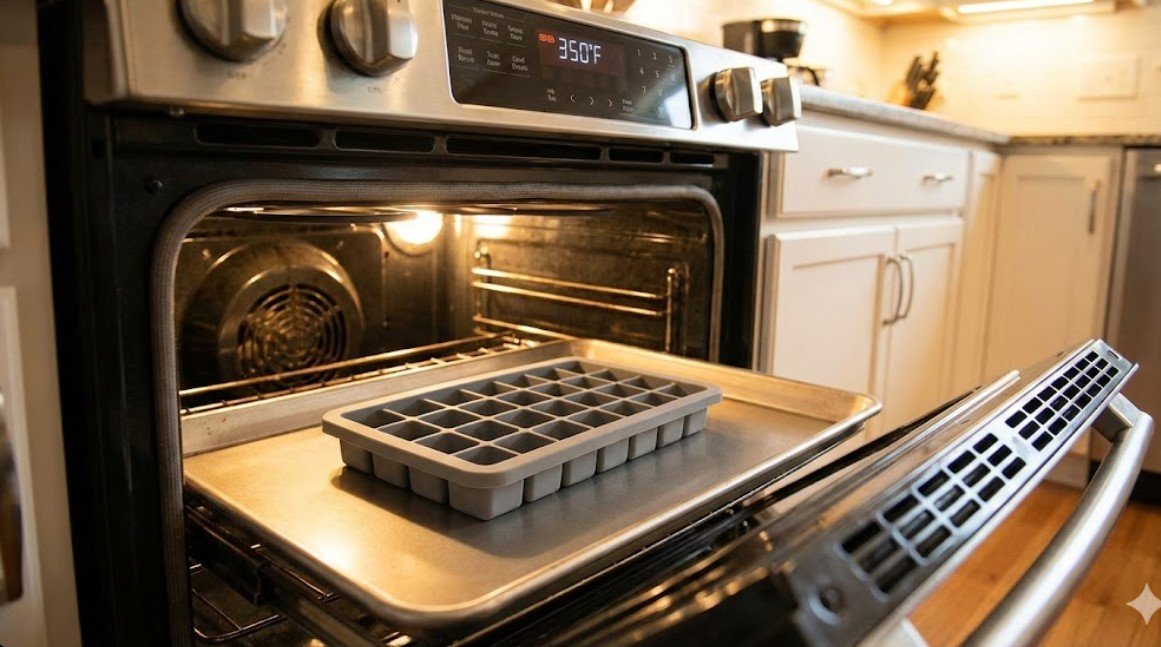
Some silicone products are oven-safe, but do not put an ice cube tray in the oven unless its manufacturer provides an oven-safe temperature rating. A tray may contain a plastic frame, coating, lid, adhesive, or reinforcement that cannot tolerate oven heat. Washing, rinsing, and airing out the tray are safer default options.
Troubleshooting After Dishwasher Cleaning
The Ice Tastes or Smells Like Soap
Discard the affected ice. Hand-wash the tray with fragrance-free dish soap, rinse every compartment thoroughly, and let it air out before refilling it. An extra dishwasher rinse may also help. If the odor repeatedly returns, hand-wash the tray going forward or replace it.
The Tray Warped
Stop putting it in the dishwasher. Minor bowing may prevent the tray from sitting level or sealing correctly with its lid. Replace the tray if the compartments are distorted, the lid no longer fits, or damaged areas are difficult to clean.
The Silicone Feels Greasy or Sticky
Wash it separately from greasy cookware with hot water, fragrance-free dish soap, and a soft brush. Rinse thoroughly. Replace the tray if the sticky texture remains after cleaning or appears to come from deterioration of the material rather than surface residue.
Water Remains in the Compartments
Reposition the tray at an angle during the next cycle so water can drain. After washing, shake out each compartment and dry the tray upside down. Do not stack or cover it while moisture remains trapped inside.
Drying and Storing Clean Ice Cube Trays
- Let the tray dry completely before refilling or storing it.
- Store empty trays in a clean, dry cabinet or sealed container rather than uncovered in the freezer.
- If the tray has a lid, make sure both pieces are dry before reassembly.
- Keep trays away from uncovered fish, onions, garlic, and other strongly scented frozen foods.
- Wash a new tray before its first use and clean it again whenever you notice residue, odors, spills, or prolonged uncovered storage.
When to Replace an Ice Cube Tray
Stop using and replace a tray that is cracked, torn, brittle, deeply scratched, permanently sticky, or badly warped. You should also replace it if persistent odors or residue remain after thorough washing and rinsing. Damage can create hard-to-clean areas and may prevent lids or stacking features from working correctly.
Frequently Asked Questions
Can I put an ice cube tray lid in the dishwasher?
Only if the lid is separately marked dishwasher-safe. Thin lids often use a different plastic from the tray and may warp more easily. Remove the lid and place it securely on the top rack, or hand-wash it when the instructions are unclear.
Does the sanitize cycle melt plastic trays?
It can warp trays that are not rated for the cycle’s higher temperature. Use a normal cycle unless the manufacturer specifically states that the tray can tolerate sanitize settings. “Dishwasher-safe” does not always mean suitable for every dishwasher option.
Why is there white residue on my tray after the dishwasher?
The residue may be hard-water minerals or detergent that did not rinse away. Rinse the tray first. If the film remains chalky, use a diluted vinegar soak, then wash and rinse the tray again.
How often should ice cube trays be washed?
Wash them before first use and whenever they develop residue, odors, spills, or prolonged exposure to uncovered freezer contents. Trays used only for water and kept covered may need less frequent cleaning than trays used for coffee, juice, herbs, baby food, or other ingredients.
Can I refill a tray immediately after the dishwasher?
Inspect and smell it first. If there is no residue, damage, or detergent odor, rinse if desired and refill it after it has cooled. Let a warm plastic or silicone tray return to room temperature before placing it in the freezer.
The Bottom Line
Put an ice cube tray in the dishwasher only when its care instructions allow it. Silicone and approved plastic trays generally belong securely on the top rack with a normal cycle and minimal drying heat. Hand-wash aluminum, unmarked plastic, delicate lids, and damaged trays.
After cleaning, rinse away any lingering detergent, inspect the tray for damage, and dry it completely before making the next batch of ice.
Everything Mentioned Above
Before you leave, grab the tools you need to get the job done right the first time:
*As an Amazon Associate, TidyFormula earns from qualifying purchases.