
How to Clean a Coffee Maker Without Vinegar (The “No-Pickle” Method)
There is a specific kind of betrayal you feel when your morning coffee tastes like a hot pickle.
That was me last week. I took a sip of my dark roast and my face imploded—it tasted like hot salad dressing.
Even after ten rinse cycles, the ghost of the vinegar haunted the plastic tubing. Everyone calls vinegar a ‘miracle’ cleaner, but they lie. Here is how to clean a coffee maker without vinegar so your drink actually tastes like coffee.
⚡ The TidyFormula™ Quick Answer
The Verdict: Use Citric Acid. It is odorless, tasteless once rinsed, and stronger than vinegar.
- The Mix: 1 Tablespoon of Citric Acid crystals + 4 Cups of Water.
- Time: 20 Minutes.
- Effectiveness: 10/10 (Dissolves scale without the smell).
Using Citric Acid (The Odorless Alternative)
I stumbled upon this method after my “salad coffee” incident. Citric acid is what professionals use. It’s the white powder that makes sour candy sour. It’s cheap. It’s effective. And most importantly, it has zero smell.
What I Use For This Job
Using the right tools saves time and protects your belongings. Here are my exact recommendations:
*As an Amazon Associate, TidyFormula earns from qualifying purchases.
I tried using lemon juice once before this. Huge mistake. I spent an hour picking sticky pulp out of the water reservoir with tweezers. (Never again).
The Tools
- Citric Acid: Food grade. You can find it in the canning aisle or online.
- Water: Warm helps the crystals dissolve faster.
- A damp cloth: To wipe the spatter.
The Process
- Dissolve the Crystals: In a separate pitcher, mix 1 tablespoon of citric acid with 4 cups of warm water. Stir until it’s clear. If you dump the powder directly into the machine, it might clump.
- The Brew: Pour the solution into the reservoir. Put a filter in the basket (to catch the loose gunk). Turn it on.
- The Pause: Halfway through the brew, turn the machine off. Let the hot acid sit in the internal pipes for about 15 minutes. It needs time to eat the calcium.
- Finish and Rinse: Turn it back on. Watch the water come out.
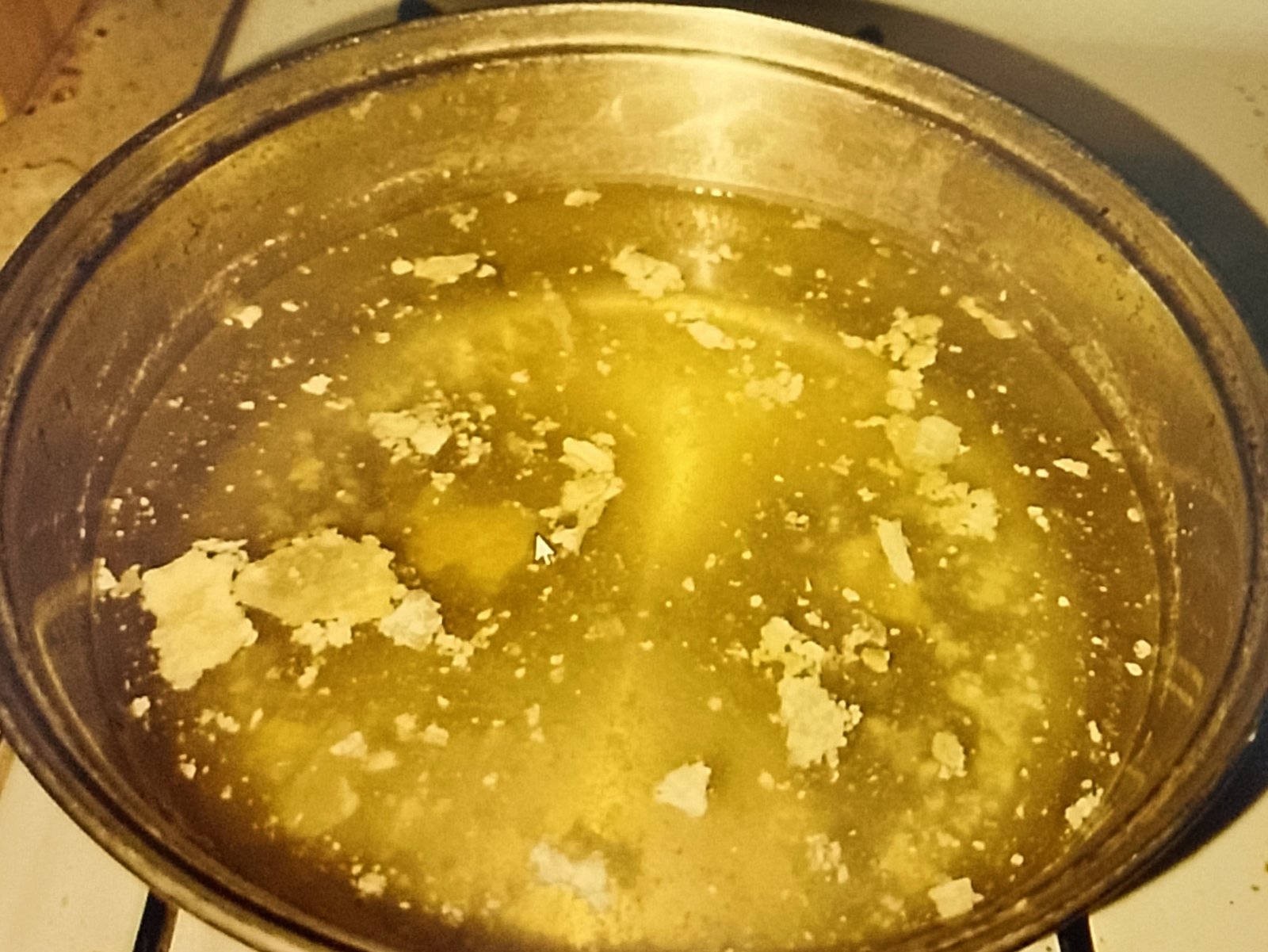
- The Flush: Brew two pots of fresh, plain water to rinse everything out.
🧪 The Science: Why It Works
Your water has calcium and magnesium (hard water). When heated, they solidify into “scale” inside the pipes. Citric acid is a chelating agent. It grabs onto those metal ions and makes them soluble in water again, so they just flush right out.
Using Lemon Juice vs. Commercial Descalers
Maybe you don’t have citric acid powder. You might be staring at a plastic lemon in your fridge right now. Or maybe you’re eyeing that $15 bottle of “Coffee Machine Cleaner” at the store.
Lemon Juice: The Sticky Risk
Lemon juice is naturally acidic. It works. Sort of. But it has sugar and organic matter (pulp). Even strained lemon juice leaves a sticky residue if you aren’t careful.
If you must use it, dilute it 50/50 with water. But honestly? It’s risky. The sugars can caramelize on the heating element. Burnt sugar smell is arguably worse than mold smell.
Commercial Descalers: The Rip-Off?
Flip the bottle over. Read the ingredients. Usually, the first ingredient is… Citric Acid. You are paying for fancy packaging and liquid water. Buying the powder in bulk is pennies on the dollar compared to the branded stuff.
Why Vinegar Taste Lingers in Coffee Makers

This is the question that haunts me. Why does vinegar stick around like an unwanted houseguest?
Vinegar (acetic acid) is volatile. That means it turns into a gas easily. These gas molecules penetrate the porous materials in your coffee maker—specifically the rubber gaskets and plastic tubing. They absorb the smell.
When you brew coffee the next day, the hot water heats up those plastic parts, releasing the trapped vinegar gas directly into your brew. Yum. Pickled coffee.
The Fix (if you already used vinegar): Brew a pot of water with a tablespoon of baking soda dissolved in it. The baking soda (base) helps neutralize the leftover vinegar (acid). Follow it with two plain water cycles.
Wrap-Up
Cleaning your coffee maker shouldn’t ruin your morning ritual. It should save it.
Look inside your water reservoir. Is there a slimy film? Does it smell like damp cardboard? That’s mold. Is there a white crust around the bottom? That’s scale. Both ruin the flavor.
Using citric acid is the quiet, odorless hero your kitchen needs. It’s fast. It’s cheap. And it lets your coffee taste like coffee.
FAQ
Can I use apple cider vinegar instead?
Please don’t. It smells even stronger than white vinegar and leaves a fruity, fermented residue. Unless you like cider-flavored espresso, skip it.
How often should I descale?
If you have hard water, once a month. If you have soft water, every 3 months. If your machine starts making a hissing sound like an angry cat, do it immediately.
Is citric acid safe to drink?
Yes, it’s food-safe. It’s in soda, candy, and canned tomatoes. Obviously, don’t drink the concentrated cleaning water, but if a tiny bit is left over, it won’t hurt you—it’ll just taste tart.
Will this work on a Keurig?
Absolutely. The mechanism is the same (heating element + tubes). Citric acid is actually better for Keurigs because vinegar leaves a taste that is impossible to get out of those tiny needles.
What about baking soda?
Baking soda cleans (removes odors/stains), but it doesn’t descale. It won’t dissolve the calcium buildup. You need an acid for that.
Everything Mentioned Above
Before you leave, grab the tools you need to get the job done right the first time:
*As an Amazon Associate, TidyFormula earns from qualifying purchases.