How to Clean a George Foreman Grill Without Removable Plates (The “Steam” Hack)
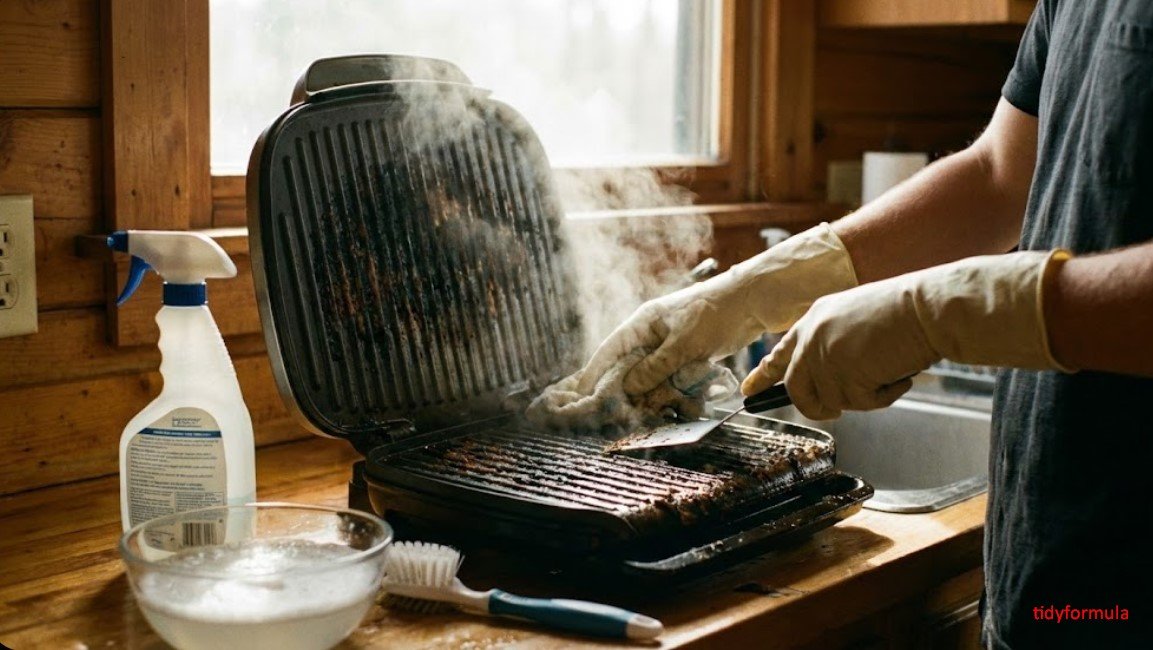
If your George Foreman grill has fixed plates, unplug it and clean the plates while they are warm, not hot. Place a damp, folded paper towel on the plates for 30 to 60 seconds, then gently wipe away the softened grease with a soft cloth or non-scratch sponge.
You do not need to soak the appliance, scrub it with metal tools, or use harsh cleaners. This guide explains how to clean a George Foreman grill without removable plates, clear the grease channels, remove burnt-on food, and avoid damaging the non-stick coating or electrical parts.
Quick Answer
Best method: Unplug the grill and let it cool until the plates are warm but no longer sizzling. Place a damp, folded paper towel on the plates for 30 to 60 seconds to soften the grease, then wipe with a soft, non-abrasive sponge or cloth.
- Best for: Daily grease, melted cheese, light food residue
- Time needed: 3 to 5 minutes
- Safe tools: Paper towels, soft sponge, microfiber cloth, plastic or silicone utensil, tongs
- Important: The towel should be damp, not dripping, and the grill must remain unplugged during cleaning
What You Need
- Paper towels or a soft microfiber cloth
- Warm water
- Mild dish soap
- Kitchen tongs
- A soft sponge or non-scratch pad approved for non-stick surfaces
- An optional plastic or silicone spatula for stuck-on residue
Avoid abrasive powders, oven cleaner, steel wool, stiff brushes, and metal utensils. Fixed George Foreman grill plates generally have a non-stick surface that can be scratched or worn down by aggressive cleaning.
Before You Start
Move the drip tray into position beneath the grease outlet before wiping the plates. It can catch softened grease and crumbs as they move down the grooves.
What I Use For This Job
Using the right tools saves time and protects your belongings. Here are my exact recommendations:
*As an Amazon Associate, TidyFormula earns from qualifying purchases.
If you have just finished cooking, unplug the grill and wait until it is comfortably warm. Do not touch the plates to test them. If water sizzles immediately, the grill is giving off strong heat, or the damp towel produces a sudden burst of steam, wait longer before continuing.
How to Clean a George Foreman Grill Without Removable Plates
Step 1: Unplug the Grill
Always unplug the grill before cleaning. If you just finished cooking, let it cool slightly so it is warm but not dangerously hot. Cleaning while warm helps loosen grease much faster than cleaning after everything hardens.
Keep the plug and power cord away from your wet cloth, sink, and countertop puddles throughout the process.
Step 2: Use a Damp Paper Towel to Loosen Grease
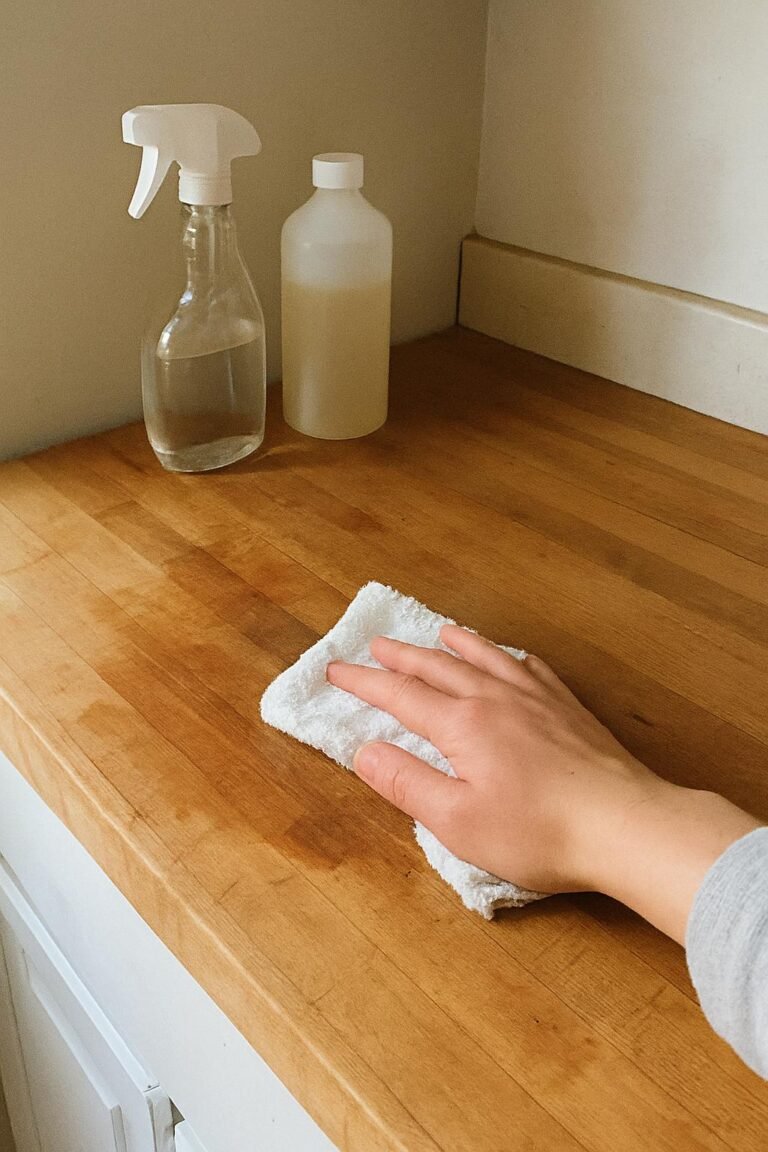
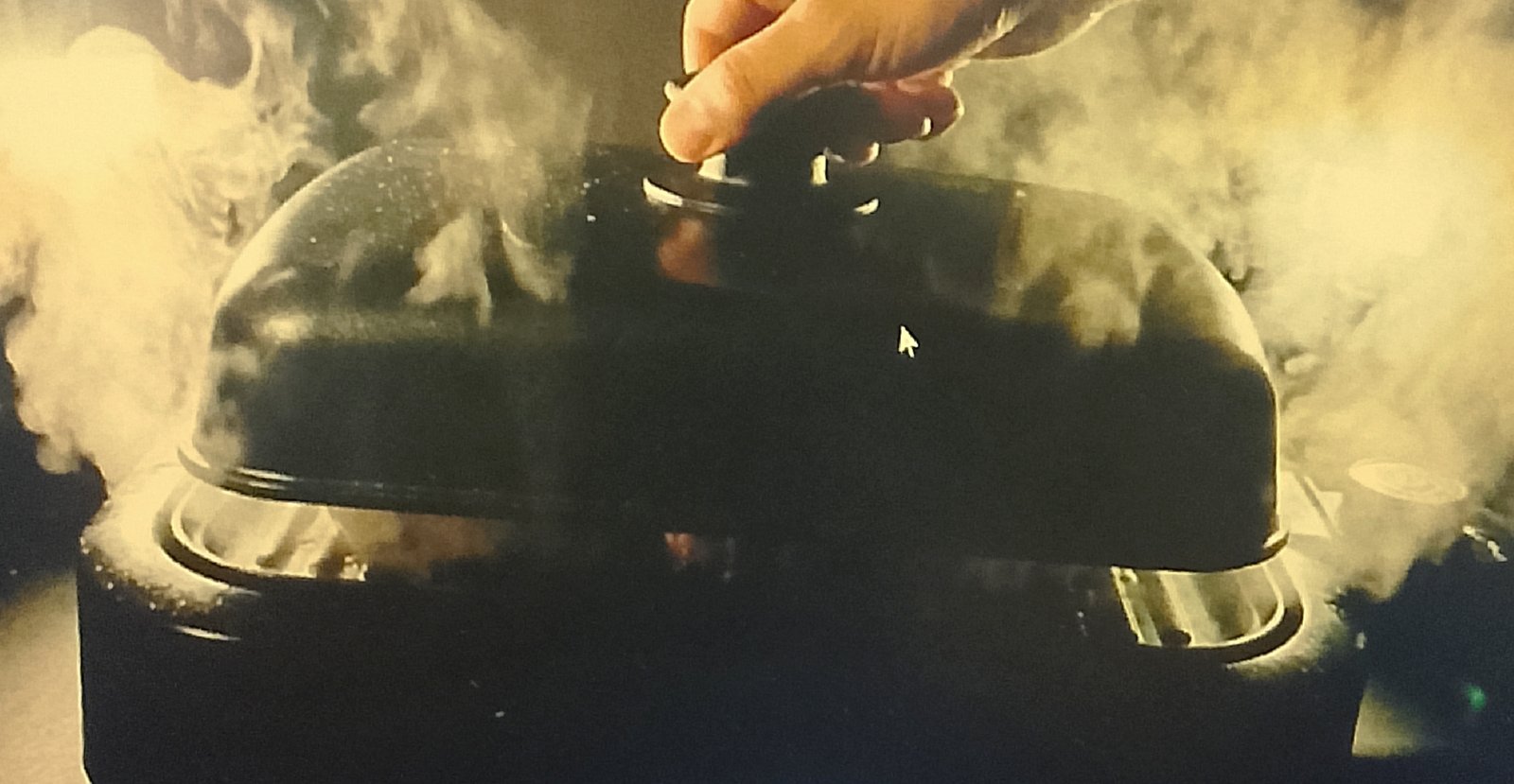
Fold 2 or 3 paper towels, dampen them with warm water, and wring out excess water. Place them flat on the lower grill plate, keeping them away from the hinge and exterior controls. Close the lid gently for 30 to 60 seconds. The warm moisture helps soften grease and food residue so it wipes away more easily.
Use tongs to lift the warm paper towels and move them along the grill ribs. Do not press metal tongs directly against the non-stick coating. Repeat once if needed for stubborn grease, using fresh towels if the first set becomes heavily soiled.
how to clean a grill without a brush.
Step 3: Wipe the Plates Gently
Wipe along the raised ribs and grooves with a soft sponge or damp microfiber cloth. Support the lid by its handle rather than pushing hard against the upper plate.
For greasy spots, add a tiny drop of mild dish soap to the damp sponge. Follow with a separate clean, damp cloth to remove loosened grease and soap residue. The cloth should be wrung out well enough that water does not run toward the hinge, cord connection, or electrical housing.
Do not scrub aggressively. Fixed-plate grills usually have a non-stick coating, and rough cleaning can shorten the life of the surface.
Why This Method Works
Warm moisture softens grease and stuck-on residue, so it wipes away more easily. This reduces the need for aggressive scrubbing and helps protect the grill’s non-stick surface.
Step 4: Clean the Grease Channels and Edges
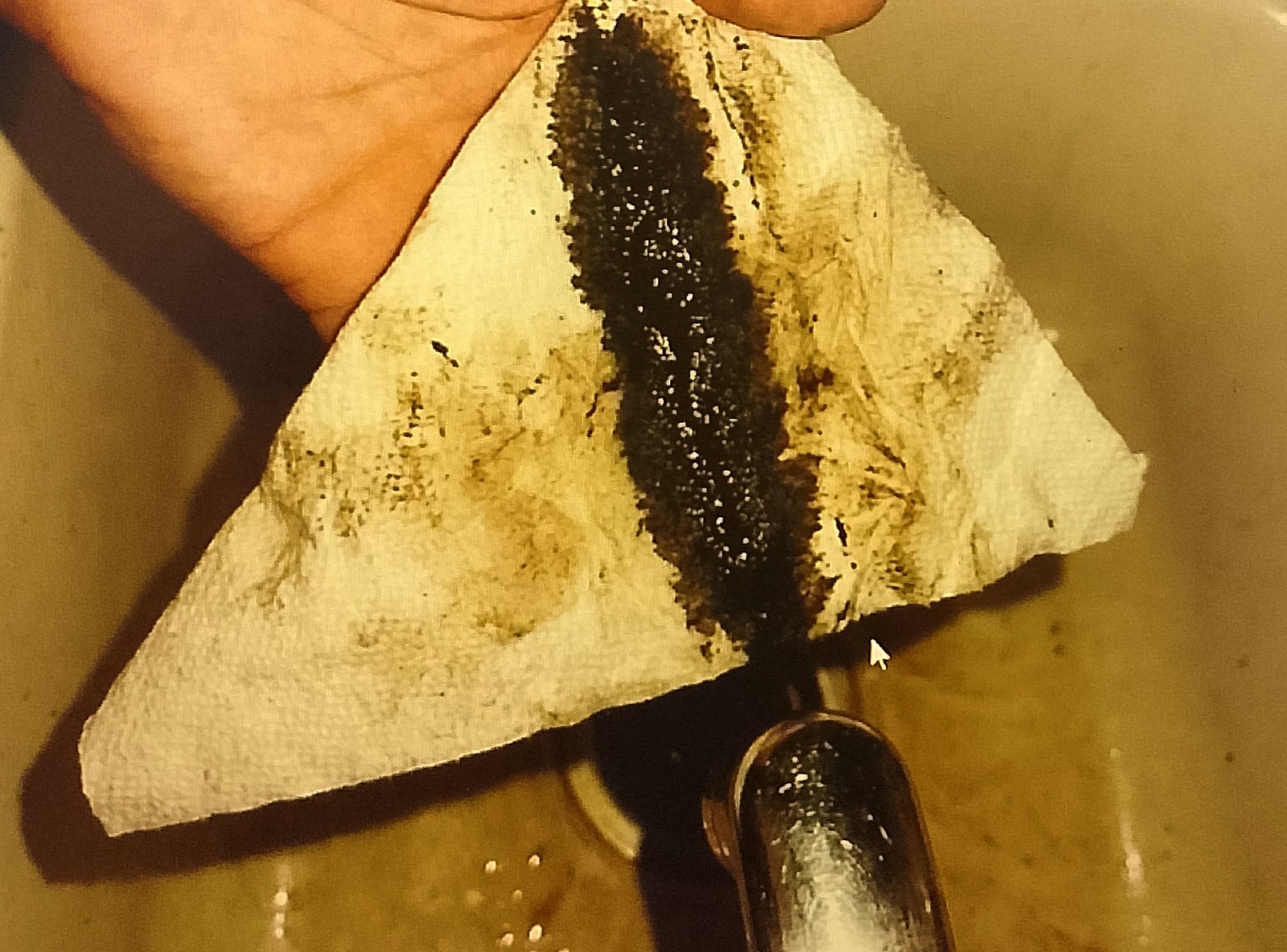
Food grease often collects near the drainage area and outer edges. Fold a paper towel into a narrow strip and run it carefully through the grease channel, working toward the drip tray rather than pushing debris toward the hinge.
A cotton swab or the soft corner of a cloth can help clean tight spots around the hinges and edges. Use only light pressure so you do not force grease deeper into a seam.
Step 5: Wash the Drip Tray Separately
If your grill has a removable drip tray, take it to the sink and wash it with warm water and dish soap. Remove heavy grease with a paper towel first so less grease enters the drain.
Rinse and dry the tray fully before putting it back. Only place it in a dishwasher if the care instructions for your specific model say it is dishwasher-safe.
Step 6: Wipe the Exterior
Once the appliance is cool, wipe the lid, handle, and outer housing with a well-wrung damp cloth. Apply cleaner to the cloth rather than spraying it directly onto the grill. Do not allow liquid to enter vents, seams, controls, the hinge, or the power connection.
Step 7: Dry Before Storing
Use a dry cloth or paper towel to remove remaining moisture from the plates and outer housing. Leave the unplugged grill open for a few minutes if needed so trapped moisture can evaporate.
Reinstall the dry drip tray, make sure the cord and plug are dry, and store the grill only after the plates have cooled completely.
How to Clean the Grill If It Is Already Cold
You do not need to reheat a dirty grill solely for cleaning. Place a warm, well-wrung cloth or damp paper towel over the residue on the unplugged grill and leave it there for 3 to 5 minutes. Repeat if necessary, then wipe with a non-scratch sponge.
A cold grill may take longer to clean because the grease has hardened. Use additional soaking time rather than extra scrubbing pressure.
How to Remove Burnt-On Food
If food is stuck to the plates, do not use a knife, wire brush, or metal scrubber. Instead:
- Dampen a paper towel or soft cloth with warm water and wring it out.
- Lay it over the warm residue for 1 to 2 minutes.
- Lift the softened residue with the edge of a plastic or silicone spatula.
- Wipe clean with a soft sponge.
- Repeat the damp-towel treatment instead of scraping harder if residue remains.
This method is much safer for the coating than scraping the surface dry.
If a dark mark does not soften after several attempts, stop scraping. It may be staining or damage rather than removable food. Check the grill’s care instructions before trying any product stronger than mild dish soap.
Troubleshooting Common Cleaning Problems
The Plates Still Feel Greasy
Use one small drop of mild dish soap on a well-wrung sponge, wipe the grooves carefully, and then make two passes with a clean damp cloth. A greasy feel can remain when loosened oil or soap has not been fully removed.
Food Is Stuck Deep in the Grooves
Lay narrow strips of damp paper towel along the grooves for another 1 to 2 minutes. Use a silicone spatula or the folded edge of a soft cloth to lift the residue. Do not use a fork, knife, or metal skewer.
The Grill Smokes or Smells During the Next Use
Unplug it and let it cool. Check the grease channel, plate edges, underside of the lid, and drip tray for residue that was missed. Also wipe away any remaining soap with a clean damp cloth and dry the grill before using it again.
The Non-Stick Surface Is Peeling or Flaking
Stop scrubbing and do not try to remove loose coating with a utensil. Consult the care information for your specific model or contact the manufacturer about whether the appliance or plate assembly should be replaced.
What Not to Do
- Do not immerse the grill in water or wash the main unit in a sink.
- Do not pour water directly onto the plates or into the appliance.
- Do not use steel wool, metal scrapers, abrasive powders, or harsh oven cleaner.
- Do not use a handheld steam cleaner on the grill.
- Do not clean the grill while it is still plugged in.
- Do not place paper towels inside the grill while it is powered.
- Do not spray cleaner directly onto the plates, controls, vents, or housing.
- Do not store it while the plates are still wet or greasy.
Best Way to Keep It Clean Longer
The easiest way to avoid heavy buildup is to wipe the grill after every use while it is still warm. Even a 1-minute wipe-down can prevent hardened grease and burnt residue from building up over time.
Empty and wash the drip tray after greasy foods rather than leaving it beneath the stored appliance. Before each use, check that the grease channel is open and the drip tray is correctly positioned.
You can also place a small piece of food-safe parchment paper between food and the plates for certain items, but only if the instructions for your model permit it. Make sure the paper does not extend outside the grill, contact a heating element, prevent the lid from closing properly, or interfere with safe cooking or grease drainage.
When Deep Cleaning Is Needed
If the grill smells bad, smokes more than usual, or has visible residue around the edges and drain channel, give it a more thorough cleaning. Focus on the plate grooves, hinge area, outer rim, underside of the lid, and drip tray, since those are the spots most likely to trap grease.
Clean more carefully after cooking melted cheese, sugary sauces, marinades, or fatty foods because these residues can settle into the grooves and become harder to remove once cold.
Final Thoughts
The best method for cleaning a George Foreman grill without removable plates is simple: unplug it, let it become warm rather than hot, soften residue with a damp paper towel, and wipe gently with non-abrasive tools. Keep water away from electrical areas, clear the drainage channel, and dry the grill fully before storing it.
FAQ
Can you wash a George Foreman grill in the sink?
No. If the plates do not come off, the main unit should never be submerged in water or placed under running water. Only removable parts such as the drip tray should be washed separately.
What is the best cleaner for a George Foreman grill?
Warm water, a soft sponge, and a small amount of mild dish soap are usually enough. Apply soap to the sponge or cloth rather than directly to the grill, and remove the residue with a clean damp cloth. Avoid harsh chemicals and abrasive scrubbers.
How do you clean burnt grease off grill plates?
Soften it first with a damp paper towel on warm, unplugged plates, then wipe gently with a soft sponge or plastic utensil. Repeat the damp-towel treatment rather than applying more scraping pressure.
Can I use a magic eraser on non-stick grill plates?
It is better not to. Even when it feels soft, a melamine foam cleaner can be too abrasive for some non-stick surfaces. Use a soft sponge, microfiber cloth, or non-scratch pad intended for non-stick cookware instead.
How often should I clean my George Foreman grill?
Do a quick wipe after every use and wash the drip tray as needed. Perform a more detailed cleaning whenever grease builds up in the channels, edges, hinge area, or drip tray, or when the grill begins to smoke or smell from old residue.
Everything Mentioned Above
Before you leave, grab the tools you need to get the job done right the first time:
*As an Amazon Associate, TidyFormula earns from qualifying purchases.