How to Clean Cloudy Shower Doors
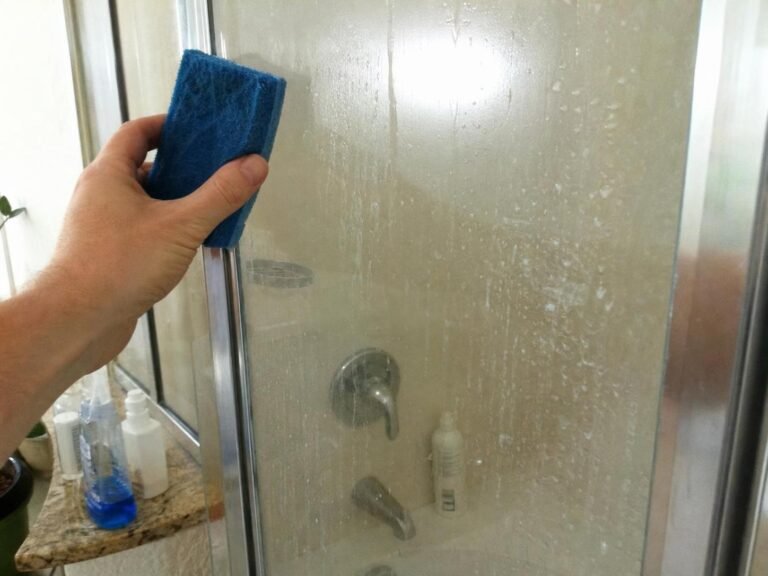
To clean cloudy shower doors, start with warm water, a little dish soap, and a nonabrasive microfiber cloth to remove body oil and soap film. For mineral haze that remains, use white vinegar on plain, uncoated glass only. Check for a protective glass coating and keep acidic cleaners off natural stone, marble, and damaged metal finishes.
Cloudiness is usually dried hard-water residue, soap buildup, or both. If the glass still looks dull after cleaning, the surface may be etched or permanently worn rather than dirty.
⚡ The TidyFormula™ Quick Decision
Best approach: Wash away soap film first, then loosen remaining mineral deposits with white vinegar or a shower-glass cleaner used according to its label.
Use caution with: Vinegar can damage nearby natural stone and may not suit coated glass, worn metal trim, or manufacturer-specified finishes.
Replace instead of cleaning if: The door has deep scratches, peeling coating, cracked glass, failing hardware, or permanent etching that does not improve after careful cleaning.
What I Use For This Job
Using the right tools saves time and protects your belongings. Here are my exact recommendations:
*As an Amazon Associate, TidyFormula earns from qualifying purchases.
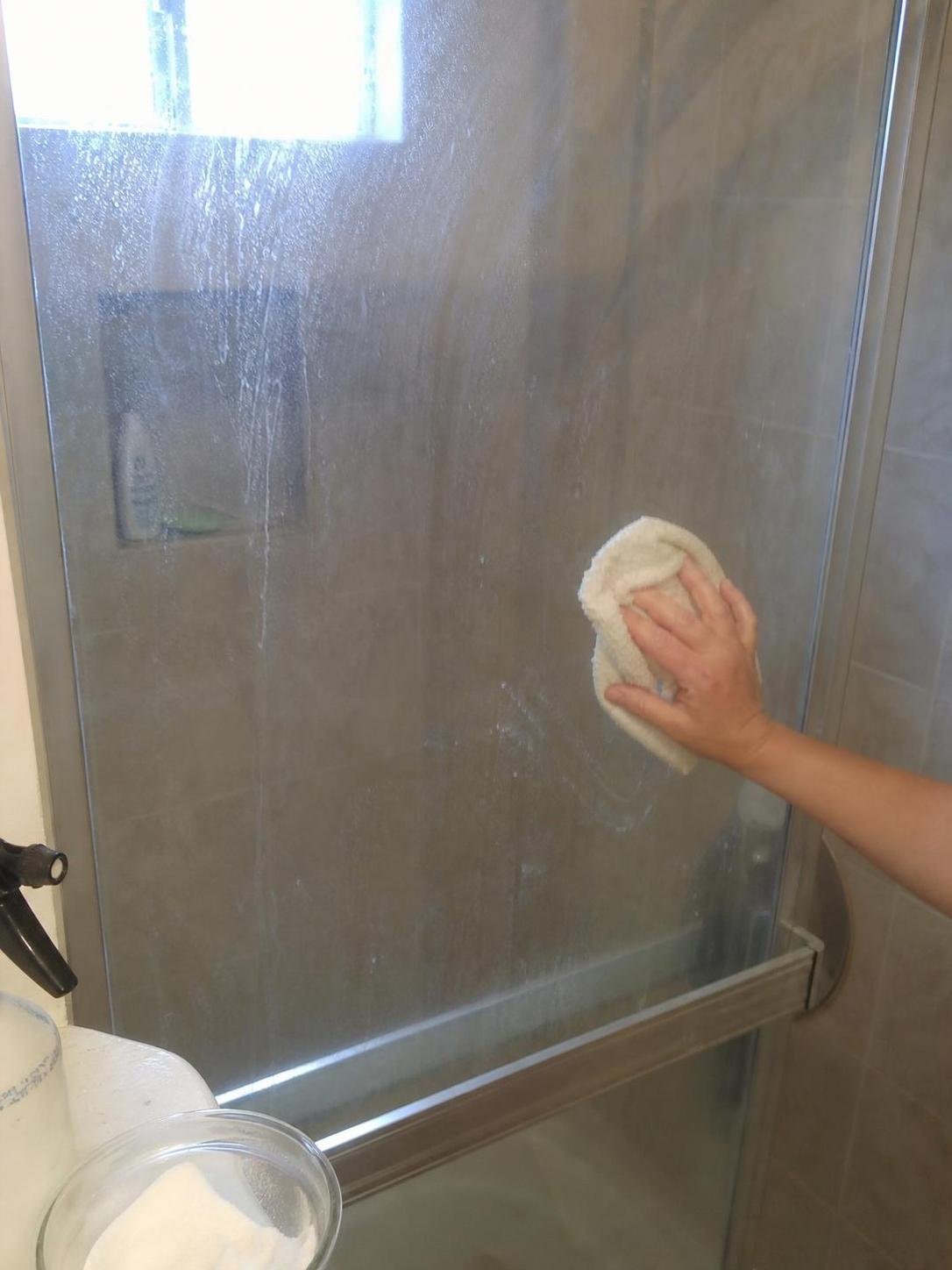
Check the glass and surrounding materials first
Most shower doors are tempered glass with metal framing, seals, and rollers. The glass can usually handle gentle cleaning, but the surrounding materials may need a different approach.
- Look for a coating: Some shower doors have a factory-applied water-repellent or easy-clean coating. Follow the door manufacturer’s care instructions instead of assuming vinegar is appropriate.
- Protect stone and tile: Cover or avoid marble, travertine, limestone, and other natural stone near the shower door. Acidic cleaners can mark or dull these surfaces.
- Check the frame: Painted, anodized, brushed, or damaged metal frames can discolor if acidic cleaner sits on them. Wipe them with mild soapy water instead.
- Inspect the haze: White or chalky spots usually suggest mineral residue. A gray, rough-looking dullness that does not change when wet may be etched glass.
What you need for cloudy shower doors
Use soft tools and modest pressure. Abrasive powders, rough pads, and scraping tools can leave scratches that make shower glass look even cloudier.
- Warm water
- A few drops of mild dish soap
- Two or more clean microfiber cloths
- A spray bottle with white vinegar, if suitable for your door and surrounding surfaces
- A nonabrasive sponge or soft nylon cleaning pad
- A shower squeegee
- A dry towel for the frame, track, and edges
Do not use steel wool, scouring powder, harsh abrasive pads, or a razor blade unless the shower-door manufacturer specifically permits it. Avoid mixing vinegar with bleach, ammonia, or any other cleaning product.
Use a two-stage cleaning method
The best way to clean cloudy shower doors is to remove oily film before treating mineral deposits. Vinegar is less effective when soap residue is still covering the glass, so do not skip the initial wash.
- Rinse the door with warm water. This loosens surface residue and helps prevent dry rubbing against the glass.
- Wash with diluted dish soap. Put a small amount of dish soap on a damp microfiber cloth or nonabrasive sponge. Wipe the full glass panel, including the lower portion where buildup is often heaviest. Use gentle, overlapping strokes rather than hard scrubbing.
- Rinse away the soap film. Use clean water and wipe again until the glass no longer feels slippery. Leftover soap can create streaks and make the door appear hazy.
- Treat remaining mineral spots. If the door is plain, uncoated glass and vinegar is suitable for nearby materials, dampen a microfiber cloth with white vinegar or spray it onto the cloth rather than directly onto the frame. Press the damp cloth over cloudy areas long enough to keep the residue moist and easier to lift.
- Wipe gently with a clean nonabrasive pad. Work in small sections. Do not increase pressure if a spot does not release; repeat the dampening step instead.
- Rinse thoroughly. Remove all cleaner residue with clean water, especially around edges, seals, and metal trim.
- Dry the door immediately. Use a squeegee from top to bottom, then dry the edges and frame with a clean microfiber cloth.
🧪 Why This Works
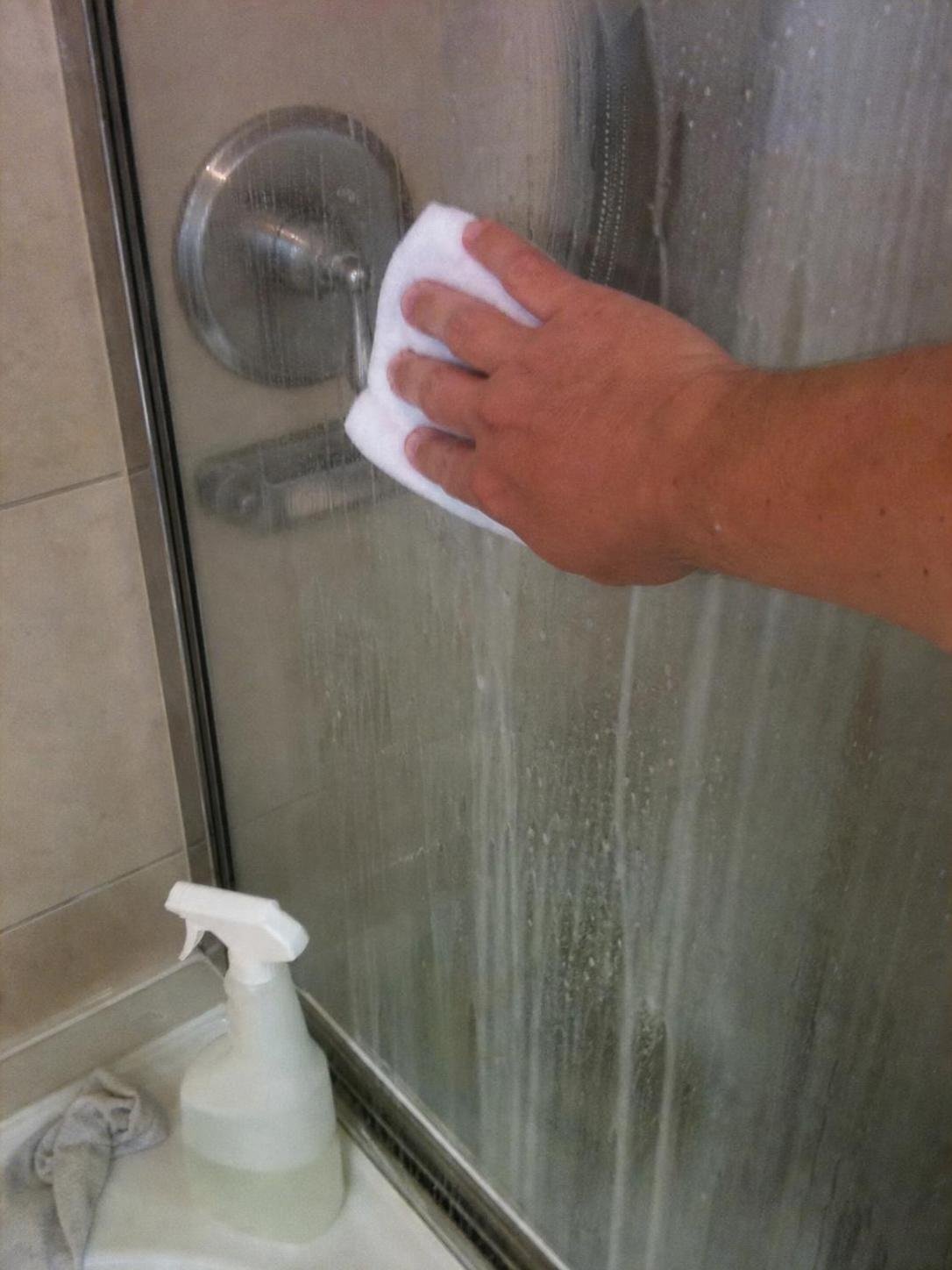
Dish soap helps lift the oily film that holds soap residue against the glass. Once that layer is gone, a suitable acidic cleaner can help loosen chalky mineral deposits. Drying the glass afterward prevents rinse water from drying into new spots.
Choose the right response for the type of cloudiness
Not every dull shower door needs stronger cleaner. The appearance and feel of the haze can help you decide whether to repeat the cleaning process or stop before damaging the surface.
| What you see | Most likely next step |
|---|---|
| Slippery, smeary film or streaks | Repeat the dish-soap wash and rinse more thoroughly before using any mineral-deposit treatment. |
| White, chalky spots that improve while wet | Use the vinegar-cloth method on suitable plain glass, then rinse and dry completely. |
| Cloudiness concentrated near the bottom edge | Clean in smaller sections and pay attention to the lower glass, track, and door sweep where water dries repeatedly. |
| Rough or dull patches that do not improve after careful cleaning | Stop escalating abrasives. The glass may be etched, scratched, or affected by a failing coating. |
| Rainbow-like streaks after cleaning | Rinse again with clean water and dry with a fresh microfiber cloth; this often indicates leftover cleaner residue. |
Cloudy shower door cleaning mistakes to avoid
Most cleaning damage comes from using a stronger tool or product after the first attempt does not work. A slower second pass is usually safer than aggressive scrubbing.
Using vinegar on every surface around the shower
Vinegar may be useful on suitable glass, but it is not a universal bathroom cleaner. Keep it off natural stone, and do not leave it sitting on metal trim, grout, or finishes when the manufacturer advises otherwise. If you cannot protect nearby stone, use a shower-glass cleaner that is appropriate for the full installation and follow its label.
Scrubbing cloudy glass with abrasive pads
Rough pads and powders can create fine scratches. If the haze looks worse in direct light after scrubbing, stop using the abrasive tool and switch to microfiber and a nonabrasive sponge.
Skipping the rinse
Soap, vinegar, and commercial-cleaner residue can dry into streaks. Rinse the glass after cleaning, then dry it rather than allowing rinse water to evaporate on the door.
Letting cleaner collect in tracks and seals
Door tracks, rubber sweeps, and frame corners hold moisture longer than the glass. Wipe these areas with a damp cloth after cleaning, then dry them with a towel. If the track is dirty, a soft brush and mild soapy water are usually a better first choice than soaking it with acidic cleaner.
What to do if the door is still cloudy
If one careful cleaning does not improve the glass, identify whether residue remains before trying a harsher method. Repeating a gentle process is reasonable; escalating to abrasives is not always worthwhile.
- If the door feels smooth but looks foggy: It may have cleaner residue or etched glass. Rinse, dry, and inspect it from different angles before doing more.
- If spots return quickly: Hard water is likely drying on the glass between cleanings. Focus on squeegeeing and drying after each shower rather than relying on occasional heavy cleaning.
- If the haze is only on one side: Confirm whether the cloudy surface is actually the glass. Soap buildup on the inside is common, while exterior haze may be from room humidity, overspray, or a damaged coating.
- If a coated door looks blotchy: Stop using acidic or abrasive products and check the manufacturer’s care guidance. A worn coating cannot always be restored with household cleaning.
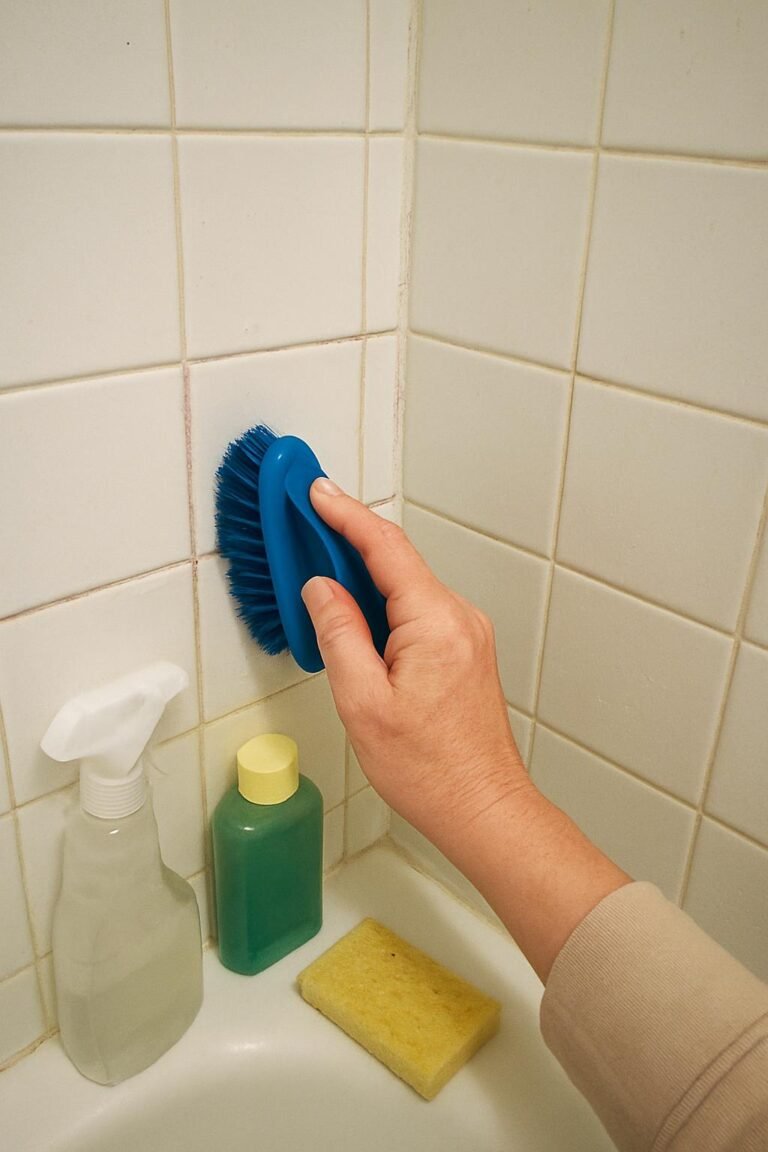
For nearby tub edges and grout that also collect soap residue, use a method designed for those materials, such as this bathtub and grout paste method, rather than treating the entire shower with the same product.
Keep shower glass clear between deeper cleanings
The simplest prevention routine is to remove water before it dries. A quick squeegee after each shower reduces the mineral residue left behind on the glass.
- Squeegee the glass from top to bottom after showering.
- Wipe the bottom edge, frame, and handle with a dry microfiber cloth if water tends to collect there.
- Leave the shower door partly open after use when practical so moisture can escape.
- Clean the glass with mild soapy water regularly, before the haze becomes thick and chalky.
- Use a separate clean microfiber cloth for final drying. A cloth carrying soap or bathroom cleaner can leave streaks behind.
For streak-free drying technique on other glass surfaces, the approach in cleaning a mirror without glass cleaner can also help you avoid lint and wipe marks on the outside of the shower door.
Frequently Asked Questions
How often should you clean cloudy shower doors?
Squeegee or dry the glass after regular use when possible, and wash it with mild soapy water as buildup becomes visible. Deeper mineral-deposit cleaning is most useful when chalky spots remain after the routine wash.
Can you use vinegar on shower doors every time you clean?
Use vinegar only if your shower-door manufacturer permits it and nearby materials can be protected. Mild soapy water is the safer routine cleaner for most doors, frames, and seals.
Why does my shower door look clear when wet but cloudy when dry?
That pattern often points to dried mineral deposits or residue on the surface. Clean, rinse, and dry the glass fully before deciding whether the cloudiness remains.
Can permanently cloudy shower glass be fixed?
Cleaning can remove surface buildup, but it cannot reliably reverse deep scratches, etched glass, or a deteriorated protective coating. If careful cleaning does not change the appearance, professional glass advice or replacement may be more practical.
For the safest result, start with mild soapy water, use vinegar only on suitable uncoated glass, and dry the door completely after rinsing. Regular squeegeeing is the most useful habit for keeping hard-water haze from building back up.
Everything Mentioned Above
Before you leave, grab the tools you need to get the job done right the first time:
*As an Amazon Associate, TidyFormula earns from qualifying purchases.