How to Clean an Electric Blanket Safely
Check the care label first: most electric blankets are machine washable on a gentle, cold cycle, but the controller must always come off and never get wet. Skip the dryer’s high heat, skip dry cleaning solvents unless the label specifically allows them, and never submerge or plug in a blanket that’s still damp inside the wiring channels.
A common complication is a lost or faded care tag, especially on older blankets that have been through a few winters. When you can’t confirm the manufacturer’s instructions, treat the blanket conservatively and lean toward hand washing rather than a full machine cycle.
⚡ The TidyFormula™ Quick Decision
Best approach: Detach the controller, check the care label, and machine wash on a gentle cold cycle with mild detergent, or hand wash if the label is missing or unclear.
Use caution with: High heat drying, bleach, fabric softener, dry cleaning solvents, and any blanket with visible wire damage or exposed wiring.
Stop and reassess if: You see frayed or exposed wires, the controller shows scorch marks, the fabric has burn holes, or the blanket smells like melted plastic after use.
What I Use For This Job
Using the right tools saves time and protects your belongings. Here are my exact recommendations:
*As an Amazon Associate, TidyFormula earns from qualifying purchases.
Before You Start: What the Controller and Care Label Tell You
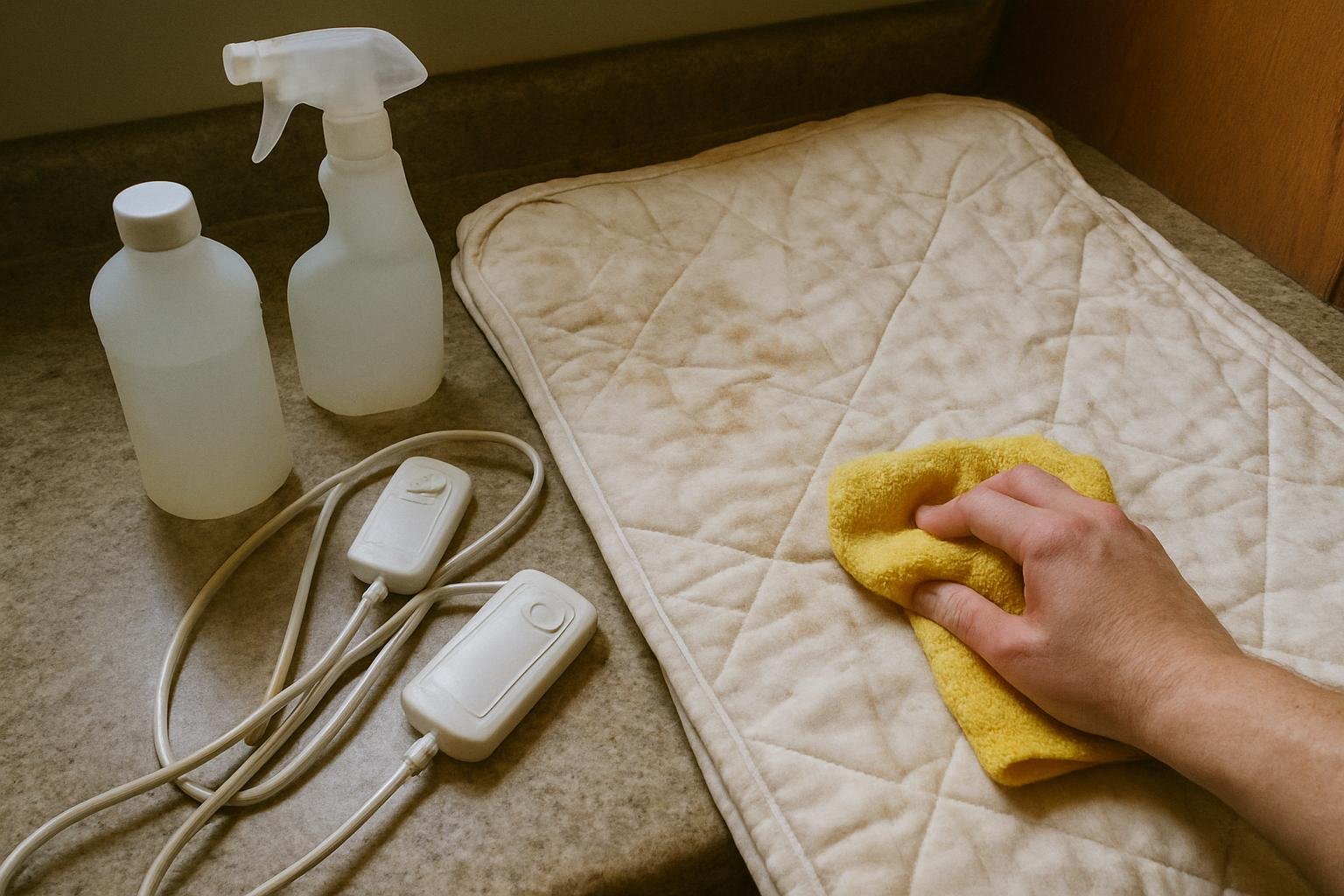
Every electric blanket has a control unit that plugs into the wiring, and that piece is never washable. Unplug the blanket from the wall, then disconnect the controller from the blanket itself, usually at a small plug or clip near the corner. Set it aside somewhere dry.
Next, look for the care label, typically sewn into a side seam. It will tell you whether the manufacturer allows machine washing, hand washing only, or a specific water temperature. Manufacturer instructions vary by brand and by model, so what worked for a blanket you owned years ago may not apply to a newer one. If the label is unreadable or missing, contact the manufacturer if you can identify the brand, or default to the gentlest method available: hand washing in cool water.
Machine Washing an Electric Blanket Safely
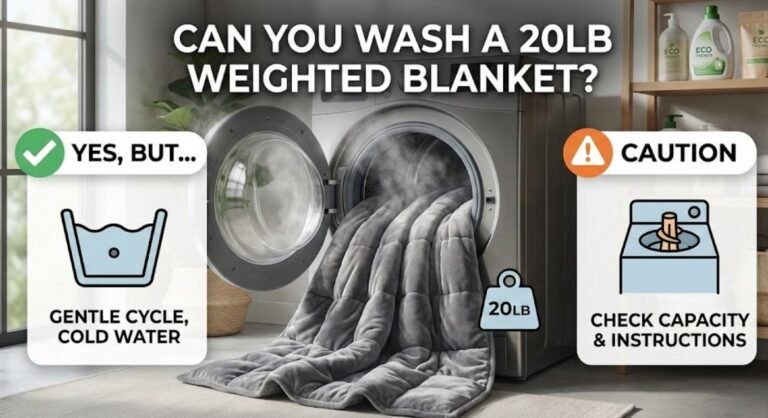
If the care label confirms machine washing is safe, this method works well for most synthetic-fill and polyester-blend blankets.
- Disconnect the controller completely before loading the washer. Never wash it.
- Choose a gentle or delicate cycle with cold or lukewarm water. Hot water can stress the internal wiring bonds over repeated washes.
- Use a small amount of mild liquid detergent. Skip fabric softener, since it can coat the fibers and interfere with how the wiring sits against the fabric.
- Avoid overloading the washer. The blanket needs room to move so the wires aren’t pressed hard against the drum or against other laundry.
- If your washer has a top-load agitator (the center post that twists), consider hand washing instead, since agitators can snag or stress internal wiring more than a front-load drum will.
Hand Washing: The Safer Default
Hand washing is the more conservative choice, and it’s the better option when you’re unsure about your blanket’s construction or when the care label is missing.
- Fill a bathtub or large basin with cool water and a small amount of mild detergent.
- Submerge the blanket and press gently through the fabric to work the detergent through. Don’t scrub, twist, or wring the material, since twisting can kink internal wires.
- Drain the soapy water, refill with clean cool water, and press the blanket again to rinse. Repeat until the water runs clear.
- Press out excess water by pushing down flat rather than wringing. A rolled bath towel can help absorb moisture if you press the blanket between layers.
Drying Without Damaging the Wiring or Fabric
Heat is the main risk during drying. High dryer heat can degrade the insulation around the internal wires over time, and repeated high-heat cycles are a realistic reason a blanket stops heating evenly in later years.
- If your care label allows machine drying, use a low or no-heat air-fluff setting only.
- Add a couple of dry towels to the dryer to help absorb moisture and reduce tumble time.
- Check the blanket every 10-15 minutes rather than running one long cycle.
- For air drying, lay the blanket flat on a clean towel or drying rack rather than hanging it, since a wet blanket’s weight can stretch the fabric and shift the wiring layout when hung.
- Make sure the blanket is completely dry, including in the thicker seams, before reconnecting the controller. Reconnecting a damp blanket to power is a real electrical safety risk.
Common Mistakes That Damage Electric Blankets
A few habits show up repeatedly as the reason blankets wear out early or stop working evenly.
- Washing with the controller attached. Even a quick rinse can damage the electronics inside.
- Using bleach or strong stain removers. These can break down the fabric coating that protects the internal wiring, and they aren’t necessary for typical body-oil or sweat buildup.
- Ironing the blanket. Direct heat from an iron can melt or warp the wire channels.
- Folding tightly for storage while slightly damp. This can trap moisture against the wiring and encourage a musty smell over time.
- Using the blanket while it’s still wet or a hair damp, which is a genuine shock and fire risk with any electric bedding.
How Often to Clean an Electric Blanket
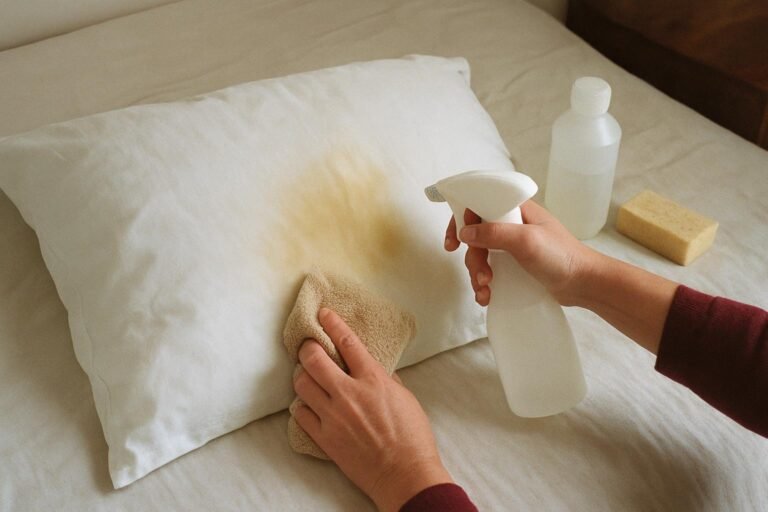
Most households don’t need to wash an electric blanket more than a few times per season. Washing more often than the manufacturer recommends adds unnecessary wear to the internal wiring and fabric bonding. Between washes, spot clean small marks with a damp cloth and mild detergent, then let the area air dry fully before plugging the blanket back in.
When to Stop Using the Blanket Instead of Cleaning It
Cleaning won’t fix a safety issue. If you notice scorch marks, a burning smell, uneven heating in specific spots, exposed or frayed wires, or a controller that clicks, sparks, or feels hot to the touch, stop using the blanket and don’t attempt to repair the wiring yourself. Contact the manufacturer about warranty options, or replace the blanket. Electric blankets have a practical lifespan, and even a well-cared-for one isn’t meant to last indefinitely.
If you’re also tackling other appliance cleaning around the house, guidance like cleaning an air fryer heating element safely follows similar logic: check the manufacturer’s instructions first, and never introduce water to a component that’s meant to stay dry.
Everything Mentioned Above
Before you leave, grab the tools you need to get the job done right the first time:
*As an Amazon Associate, TidyFormula earns from qualifying purchases.