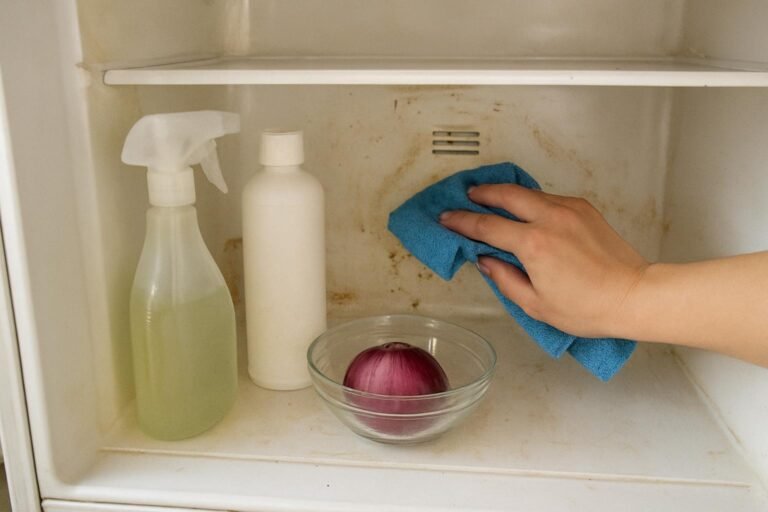
How to Remove Cooking Smell from the House Fast
The fastest way to clear cooking smells is to combine active air exchange with a quick surface cleanup, since odor comes from tiny grease and food particles that settle on air, fabric, and hard surfaces. Open windows and run exhaust fans immediately, then wipe down nearby surfaces while the air is moving. Simmering a pot of water with citrus peels or spices can help mask lingering odor, but it will not remove grease residue on its own.
Strong smells like fried fish, burnt garlic, or bacon tend to cling longer because they leave a light grease film on cabinets, walls, and fabric surfaces, which keeps re-releasing odor even after the air feels clear.
⚡ The TidyFormula™ Quick Decision
Best approach: Ventilate first with open windows and exhaust fans, then wipe down hard surfaces with a mild dish-soap solution to remove the grease film that holds odor in place.
Use caution with: Fabric surfaces like curtains, upholstery, and rugs, since they absorb odor more readily than hard surfaces and may need washing or a fabric-safe deodorizing method rather than just wiping.
Stop and reassess if: The smell persists after cleaning surfaces and airing out the room for several hours, which may mean grease has settled into fabric, HVAC filters, or areas you have not reached yet.
What I Use For This Job
Using the right tools saves time and protects your belongings. Here are my exact recommendations:
*As an Amazon Associate, TidyFormula earns from qualifying purchases.
Start With Air Movement, Not Air Freshener
Spraying air freshener before addressing airflow usually just adds a new scent on top of the cooking smell instead of removing it. Open at least two windows if possible to create cross ventilation, and turn on your kitchen exhaust fan or range hood right away. If you do not have a working exhaust fan, a box fan pointed toward an open window can help pull odor-heavy air out of the house.
Let this run for at least fifteen to twenty minutes before you start cleaning surfaces. Moving the air first reduces the amount of odor-carrying particles settling back onto counters, walls, and fabric while you clean.
Wipe Down Surfaces Where Grease Settles
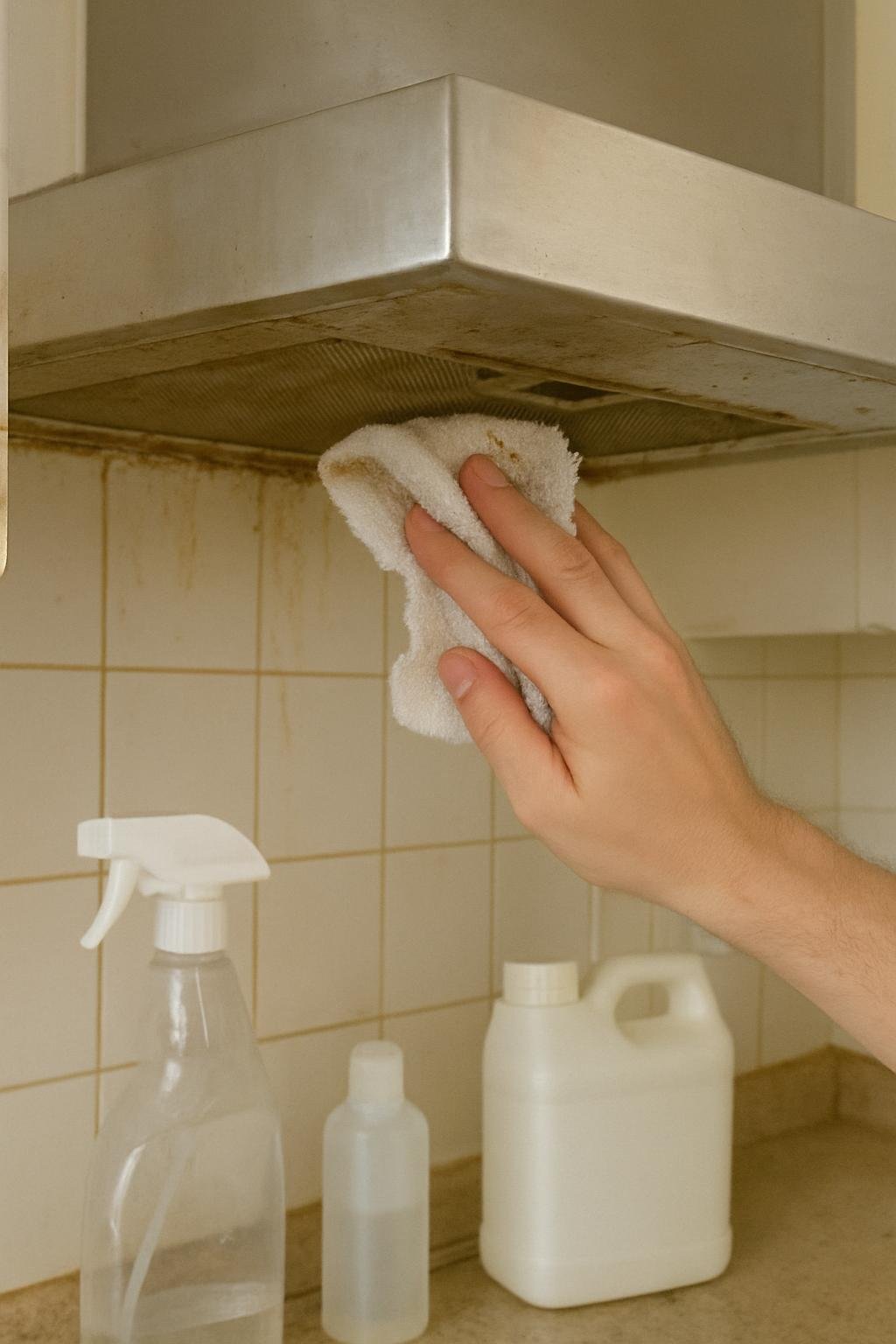
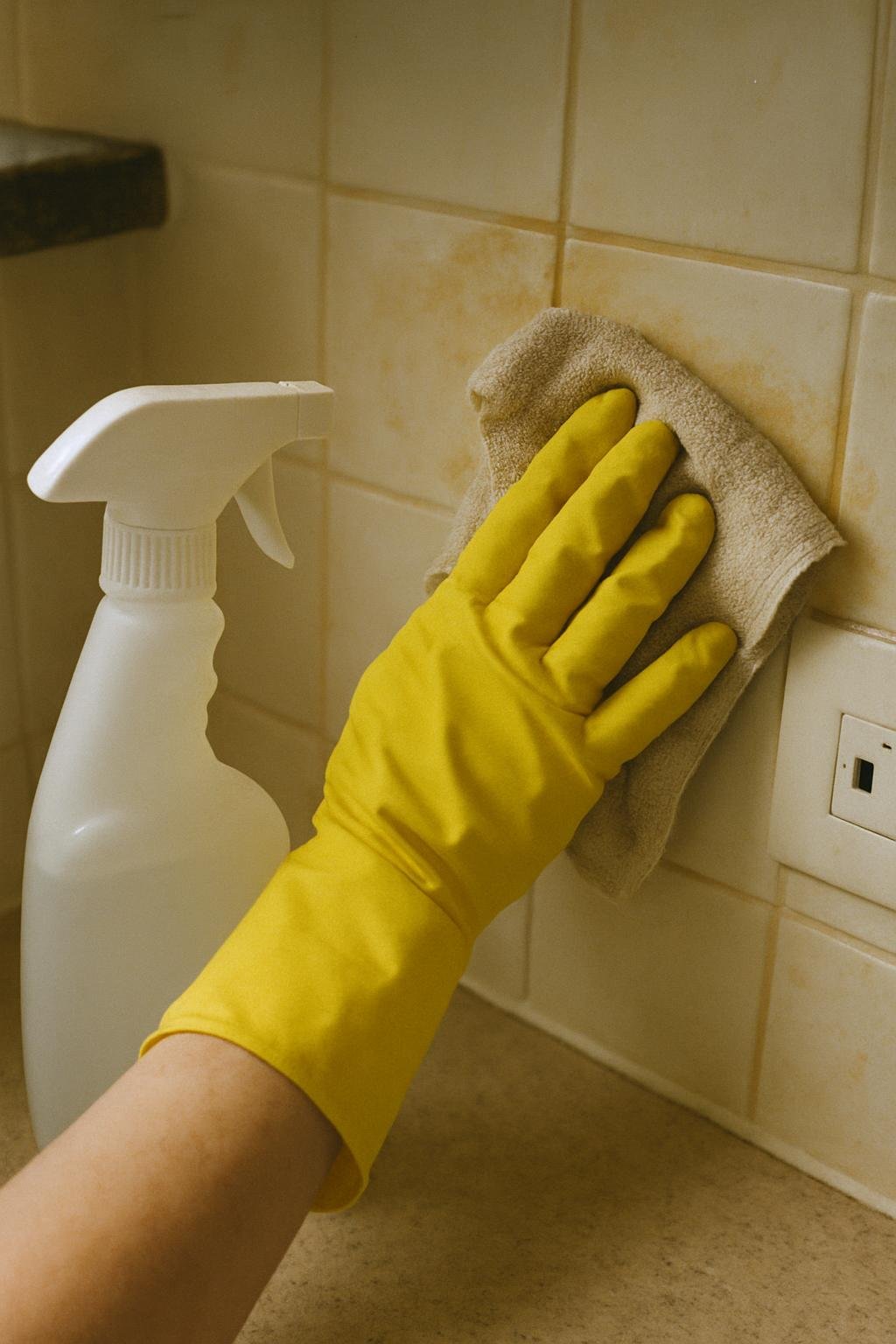
Cooking odor is not just floating in the air. A lot of it clings to a thin, often invisible layer of grease on nearby surfaces. Focus your wipe-down on:
- Countertops and backsplashes near the stove
- Cabinet fronts, especially upper cabinets close to cooking heat
- Range hood exterior and stovetop
- Nearby walls if the odor was strong, such as from frying
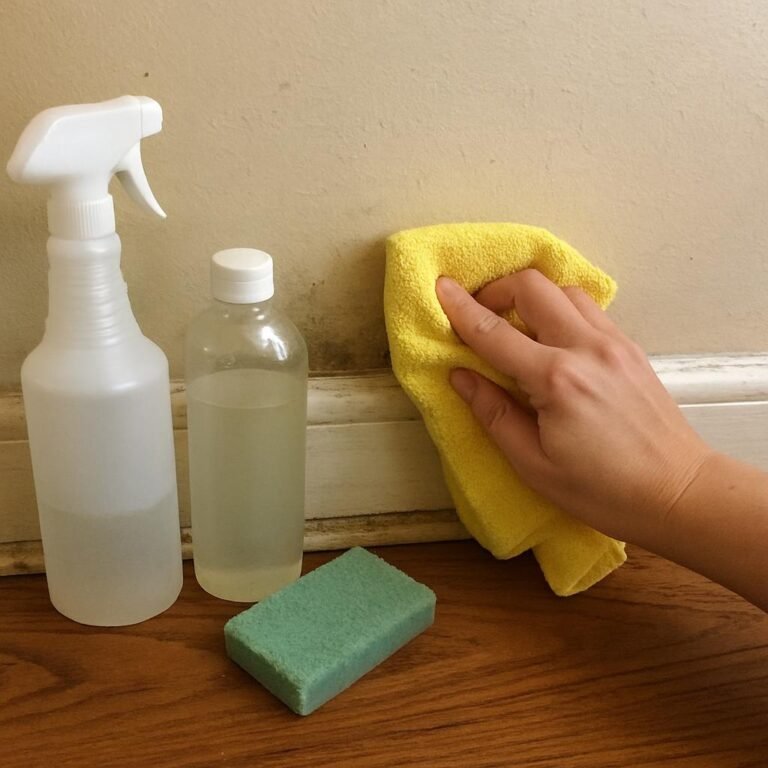
A solution of warm water with a small amount of dish soap works well for most sealed, nonporous kitchen surfaces. Wipe with a clean microfiber cloth, then dry the surface to avoid streaking. Avoid abrasive powders on painted or coated cabinet surfaces, since they can dull the finish over time.
Address Fabric and Soft Surfaces Separately
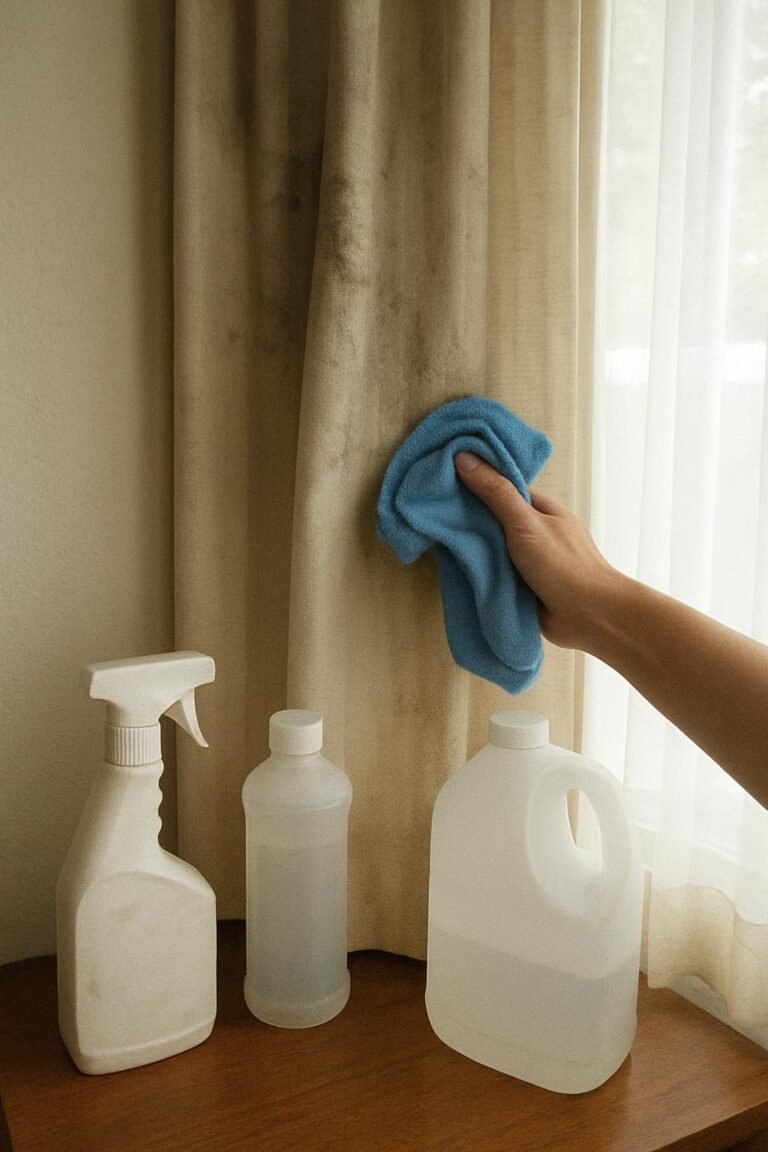
Curtains, kitchen towels, seat cushions, and rugs near the cooking area absorb odor differently than hard surfaces. Washable fabric items should go through a normal wash cycle following the care label. For items that are not machine washable, hanging them outside in fresh air for a few hours can help reduce trapped odor, though it will not fully remove grease residue if any splattered onto the fabric.
If you are also dealing with a stain on a fabric surface rather than just odor, treat the stain according to the material. For guidance on a related fabric-cleaning situation, see how to get a urine stain out of a mattress topper, which covers safe stain-removal steps for absorbent bedding materials.
When the Odor Is Coming From the Oven Itself
Sometimes what smells like a lingering cooking odor is actually baked-on grease or food residue inside the oven releasing smell every time it heats up again. If you notice the smell returning specifically when you turn the oven on, the oven interior may need cleaning rather than the room air. A gentler, chemical-free oven-cleaning approach is outlined in how to clean an oven without chemicals, which can help resolve odor at the source instead of just masking it in the surrounding room.
Common Mistakes That Make Cooking Smell Linger Longer
A few habits tend to slow odor removal instead of speeding it up:
- Skipping ventilation and going straight to air freshener. This layers a new scent over the existing odor rather than clearing it.
- Closing the kitchen door to “contain” the smell. This usually traps odor in a smaller space, making it feel stronger rather than reducing it.
- Wiping only the stovetop. Grease film can travel further than expected, especially onto upper cabinets and nearby walls.
- Using a strong scented candle in a small kitchen. Combining smoke and heavy fragrance with cooking odor can create an unpleasant mixed smell rather than a clean one.
Preventing Strong Cooking Smells Before They Start
Running your exhaust fan before you start cooking, not just after, gives it a head start on moving odor-heavy air out of the kitchen. Covering pans when frying and keeping heat at a moderate level for strong-smelling foods can also reduce how much odor gets released into the air in the first place.
Regular wipe-downs of your stovetop and range hood prevent grease buildup from accumulating to the point where it holds onto odor between cooking sessions. If you want a broader routine for staying ahead of buildup throughout the kitchen, the household cleaning checklist outlines a practical maintenance schedule for surfaces that tend to collect grease and odor over time.
Everything Mentioned Above
Before you leave, grab the tools you need to get the job done right the first time:
*As an Amazon Associate, TidyFormula earns from qualifying purchases.