How to Clean Windows Without Streaks: The Scientific Approach
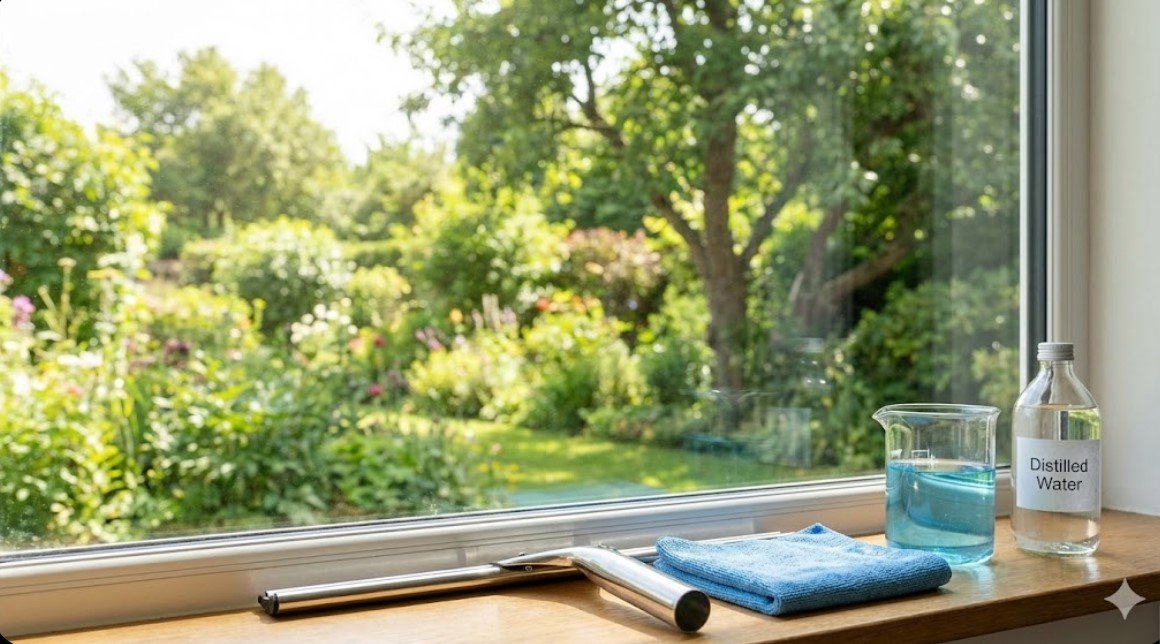
For streak-free windows, clean on cool glass, use a low-residue solution, and remove it before it dries. Wash with distilled water, a small amount of white vinegar, and one or two drops of dish soap. Finish with a clean rubber squeegee, wiping its blade after every pass.
Streaks usually come from excess cleaner, hard-water minerals, dirty tools, or liquid drying unevenly. The goal is not to polish the glass repeatedly; it is to loosen the grime and remove the dirty solution completely.
⚡ The TidyFormula™ Quick Answer
The Recommendation: Skip paper towels. Wash the glass with a low-soap solution, then remove the solution immediately with a clean rubber-blade squeegee.
- The Mix: 2 cups distilled water + 1/4 cup white vinegar + 1–2 drops of dish soap
- Best Conditions: Cool glass out of direct sunlight
- Time: About 5–10 minutes per standard window, depending on buildup
- Best Tool: A squeegee with a clean, undamaged rubber edge
Before You Start: Check the Glass and Conditions
Choose a cloudy day or work when the window is shaded. Direct sun and hot glass can dry the cleaning solution before you remove it, leaving visible lines and spots.
Inspect the window before applying vinegar or using a scraper. The method in this article is intended for ordinary, uncoated household glass. If the window has aftermarket tint, decorative film, an exposed specialty coating, or manufacturer-specific care instructions, follow those instructions instead.
What I Use For This Job
Using the right tools saves time and protects your belongings. Here are my exact recommendations:
*As an Amazon Associate, TidyFormula earns from qualifying purchases.
- Protect the area: Place a towel beneath interior windows and move curtains, blinds, and nearby electronics out of the way.
- Clean the frame first: Vacuum or brush loose dust from tracks, frames, and sills so it does not run onto freshly cleaned glass.
- Inspect the squeegee: Replace the blade if it is nicked, hardened, wavy, or leaving the same thin line after every pass.
- Use clean cloths: Fabric softener, dryer sheets, grease, and old cleaner residue can transfer to the glass.
How to Clean Windows Without Windex
A simple homemade solution can clean ordinary window glass effectively without a commercial spray. Distilled water limits mineral residue, dish soap loosens oily grime, and diluted white vinegar can help with light mineral film. Using too much soap or vinegar does not improve the result and can make rinsing harder.
🧪 Tools & Ingredients
Distilled Water: Tap water can contain calcium and magnesium that remain on the glass after the water evaporates.
White Vinegar: Diluted vinegar helps loosen light mineral deposits and some water spots on ordinary, uncoated glass.
Dish Soap (Dawn/Palmolive): Use only one or two drops in a small spray bottle. The surfactants help loosen fingerprints, cooking film, and other oily soil while allowing the squeegee to glide.
A High-Quality Squeegee: Look for one with a straight, flexible, replaceable rubber blade.
Microfiber Cloths: Use separate cloths for washing the glass, wiping the squeegee blade, and detailing dry edges.
Soft Brush or Vacuum: Remove dust, cobwebs, and loose grit from the frame and sill before wet cleaning.
Mix the Solution Safely
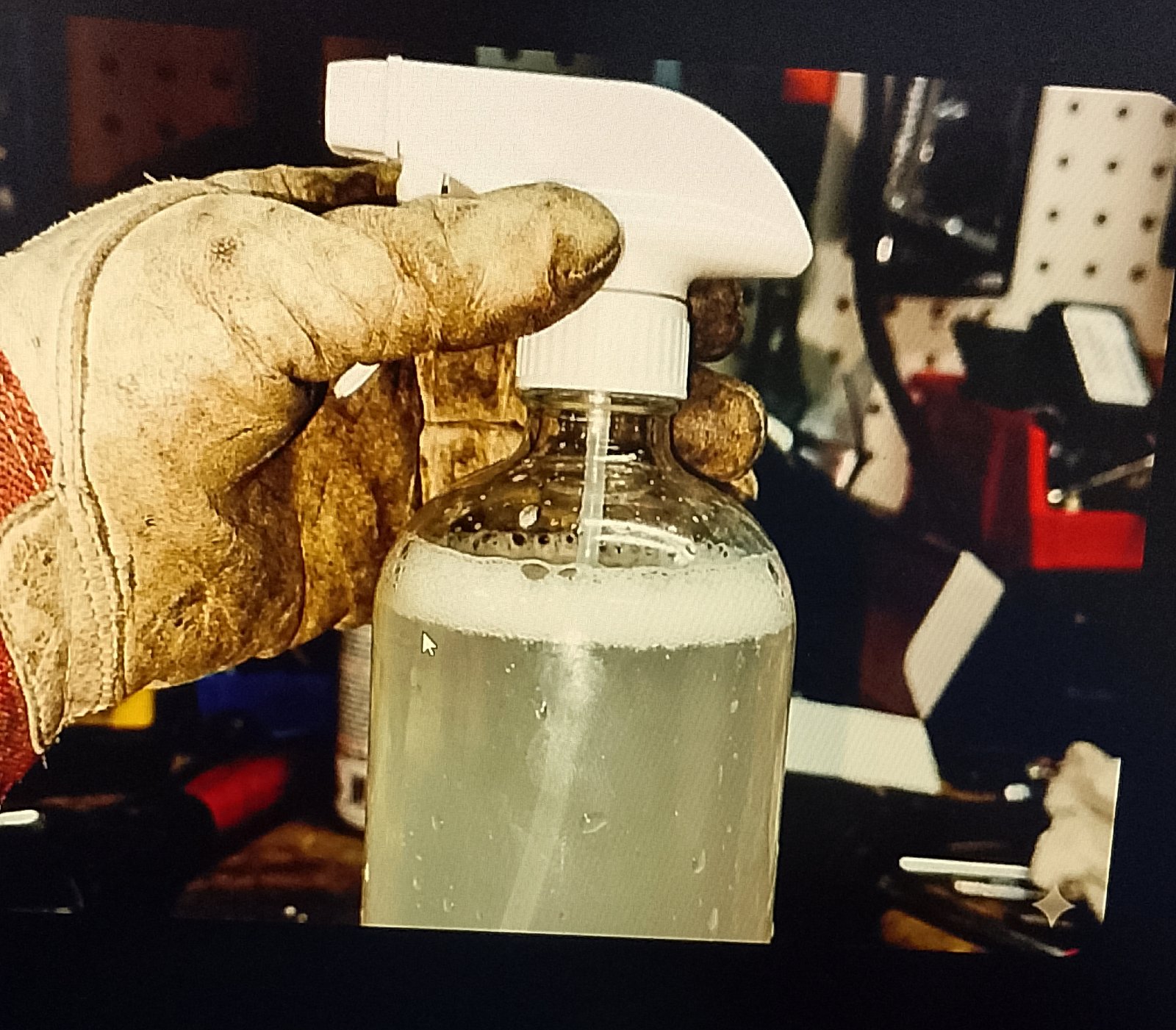
For a small spray bottle, combine 2 cups of distilled water, 1/4 cup of white vinegar, and one or two drops of liquid dish soap. Turn the bottle gently to combine it without creating excessive foam.
Use a clean bottle that has not held another cleaner. Do not add bleach, ammonia, rubbing alcohol, or any other cleaning product to the mixture. Label the bottle and keep it out of reach of children and pets.
How to Clean Windows Without Leaving Streaks
This method has two practical phases: loosen the soil while keeping the entire working area wet, then remove the dirty liquid before it evaporates. Work one pane at a time so the solution does not dry on the glass.
Step 1: Remove Loose Dirt
Dust the frame, tracks, corners, and sill. For exterior windows, rinse away loose pollen, dust, and grit with clean water before scrubbing. Soften bird droppings with a wet cloth rather than scraping them while dry.
Step 2: Create the Cleaning Solution
Mix the distilled water, white vinegar, and small amount of dish soap in a clean bucket or spray bottle. Do not over-soap; excess detergent is one of the most common causes of cloudy streaks.
Step 3: Wet and Agitate the Glass
Apply enough solution to wet the pane without flooding the frame. Use the wet microfiber cloth or a window scrubber wand to loosen grime, paying particular attention to fingerprints, corners, and the lower portion of the glass.
Keep the glass wet until you are ready to squeegee. If one area begins to dry, lightly re-wet it rather than dragging the rubber blade over dry glass.
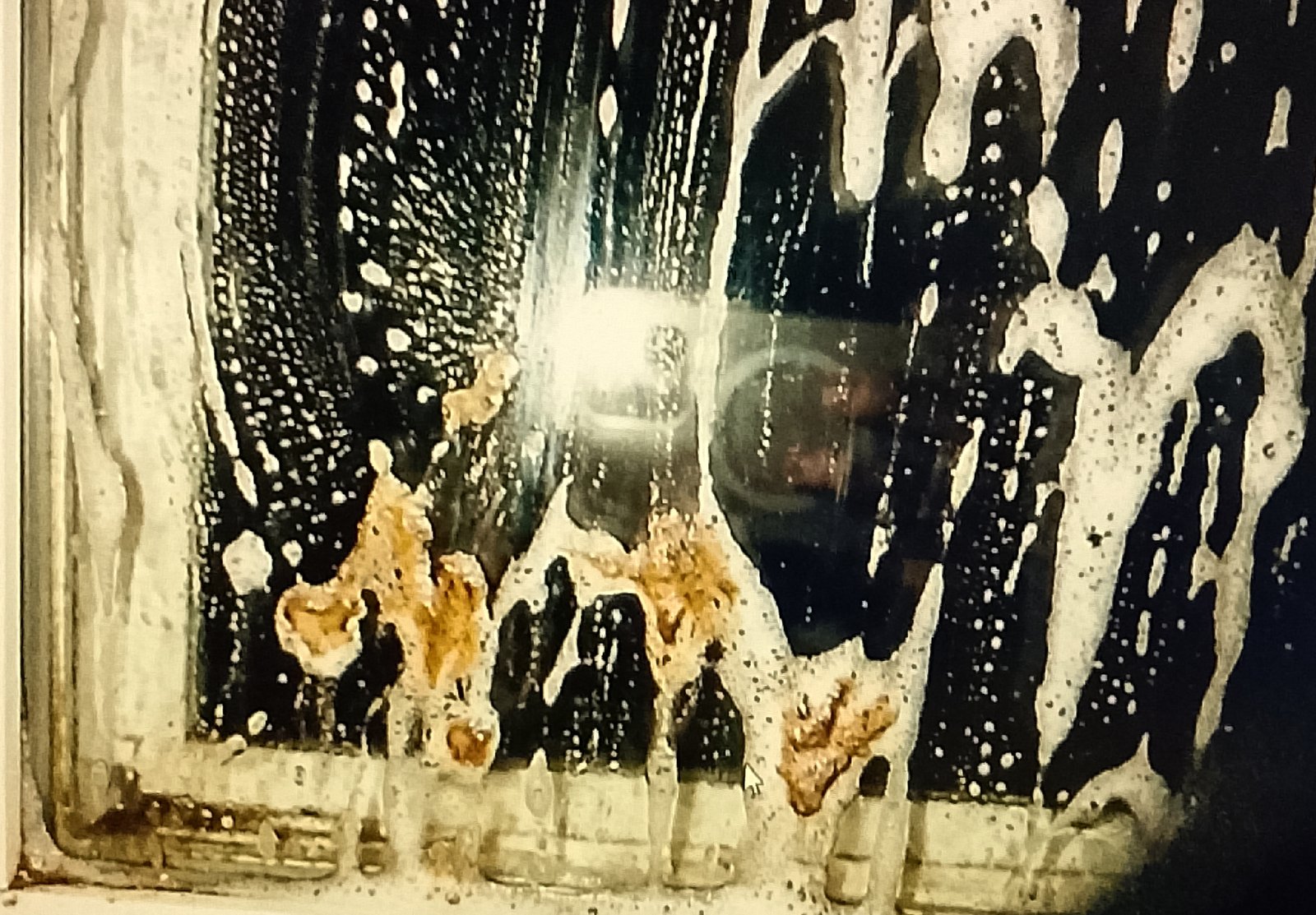
Step 4: Make the Squeegee Pull
Wipe a narrow dry strip along the top edge of the pane so the squeegee has a clean starting point. Place the blade at the top corner and pull it horizontally across the glass with steady, light pressure.
Wipe the rubber blade with a clean lint-free cloth after every pass. Repeat down the pane, overlapping the previous stroke by about one or two inches. Keep the leading edge angled slightly toward the wet area so the solution moves toward the uncleaned section rather than back onto finished glass.
Step 5: Detail the Edges and Sill
Use a separate dry microfiber cloth to wipe the top, sides, bottom edge, corners, and sill. Avoid rubbing the center of the pane unless you see a specific spot; unnecessary buffing can spread residue back across clean glass.
Inspect the window from more than one angle. If a single line repeats after each squeegee stroke, clean the blade and check it for damage. If the entire pane looks hazy, use less soap and wash it again with clean distilled water.
The Practical Difference: Interior vs. Exterior Grime
Interior and exterior windows collect different types of soil, so they benefit from slightly different preparation.
Exterior Windows: Outdoor glass collects pollen, bird droppings, road film, dust, and mud. Pre-rinse loose grit before using a cloth or scrubber. Do not dry-scrub gritty glass because trapped particles can scratch the surface.
Interior Windows: Indoor glass often collects fingerprints, cooking oils, smoke residue, and aerosolized household products. The small amount of dish soap in the formula is especially useful for breaking up this oily film.
For very dirty exterior windows, use a bucket and scrubber instead of repeatedly spraying a small bottle. Change the wash water when it becomes visibly gray or gritty; dirty water simply redistributes soil.
How to Clean Glass Without Streaks
Ordinary window glass is nonporous, but residue can remain on its surface. Streaks appear when minerals, detergent, oils, or dirty water are spread into a thin film and allowed to dry.
🧪 Why the Method Works
Distilled water reduces the minerals that can remain after evaporation. A very small amount of dish soap loosens oily grime, while diluted white vinegar can help with light mineral film on suitable glass. The squeegee then removes the dirty liquid instead of allowing it to dry on the surface.
Guidance for Tinted, Coated, and Plastic Windows
- Aftermarket window film or tint: Follow the film manufacturer’s care instructions. Avoid ammonia, abrasive pads, razor blades, and vinegar unless the manufacturer specifically permits them. Mild dish soap diluted in water is the safer default.
- Coated or self-cleaning glass: Use only products and tools approved by the window manufacturer. Aggressive acids, abrasives, and scrapers may damage an exposed coating.
- Acrylic or polycarbonate panes: These are not glass and scratch more easily. Use lukewarm water, mild dish soap, and a clean soft cloth. Do not use vinegar, ammonia, dry paper, abrasive pads, or a glass scraper.
- Nearby stone surfaces: Keep vinegar away from marble, limestone, travertine, and other acid-sensitive materials. Protect the sill and wipe spills immediately.
When Not to Use a Razor Blade
A blade can scratch coated glass, tinted film, acrylic, and glass with trapped fabrication debris. Do not use one unless the window manufacturer confirms that it is safe for that specific surface. For paint, adhesive, or hardened deposits, start by soaking the spot and using a nonabrasive plastic tool.
How to Clean Windows Without a Squeegee
If you do not have a squeegee, use a two-cloth method. The first cloth cleans, and the second removes the remaining moisture and residue.
Use Two Cloths: Choose one clean, damp microfiber cloth for washing and a second clean, dry cloth for finishing. Paper towels can leave lint and may fall apart when wet.
Apply Lightly: Mist the cloth or apply a small amount of solution to the glass. Do not saturate the window or allow liquid to run into wood frames, tracks, or wall finishes.
Wash Methodically: Wipe from the top down using overlapping S-shaped passes. Refold the cloth to expose a clean section as it becomes dirty.
Dry Immediately: Before the remaining moisture evaporates, use the dry cloth to wipe the glass from edge to edge.
Replace a Damp Finishing Cloth: Once the dry cloth feels damp or begins leaving haze, switch to another clean cloth. A saturated cloth cannot pick up additional residue effectively.
Comparison: Squeegee vs. Cloth vs. Store-Bought Cleaner
Troubleshooting Streaks, Haze, and Spots
The Same Thin Line Appears After Every Pass
Clean the squeegee blade and inspect it for a nick or hardened section. A damaged rubber edge repeatedly leaves a line in the same location and should be replaced.
The Entire Window Looks Cloudy
Too much soap, a dirty finishing cloth, or residue from a previous cleaner is likely. Wash the pane again with clean distilled water, then squeegee or dry it immediately.
White Spots Remain After Cleaning
The spots may be mineral deposits rather than ordinary dirt. On uncoated glass, hold a cloth dampened with diluted white vinegar against a small test area for several minutes, then gently wipe, rinse with distilled water, and dry. Stop if the surface is coated, tinted, etched, or adjacent to acid-sensitive stone.
The Squeegee Skips or Chatters
The glass may be too dry, the blade may be dirty, or you may be pressing too hard. Re-wet the pane, clean the rubber, and use light, even pressure.
Fogging Appears Between Two Panes
Moisture or haze sealed between panes cannot be removed by cleaning either surface. It often indicates a failed insulating-glass seal and may require evaluation by a window professional.
When to Stop
Stop if you notice scratches developing, a coating lifting, tint bubbling, liquid entering the frame, or vinegar contacting natural stone. Rinse the affected area with plain water where appropriate and check the window manufacturer’s care guidance before continuing.
Aftercare and Tool Storage
- Wipe the sill, frame, and tracks dry so standing water does not damage finishes or collect more dirt.
- Rinse microfiber cloths thoroughly and wash them without fabric softener or dryer sheets, which can leave residue on the fibers.
- Rinse the squeegee blade with clean water, dry it, and store it without pressure against the rubber edge.
- Empty and rinse the spray bottle before long-term storage. Make a fresh solution when the bottle becomes cloudy or contaminated.
- Dust frames and sills between full cleanings to reduce the amount of grime that reaches the glass.
People Also Ask (FAQ)
Can I use newspaper to clean windows?
Historically, newspaper was a common polishing material. Modern ink can transfer to hands and light-colored frames, and wet paper can break apart. A clean microfiber cloth is a more reliable option.
Why do my windows look foggy after cleaning?
Surface haze commonly comes from hard-water minerals, excess soap, a dirty cloth, or residue from a previous product. Rewash with distilled water and dry immediately. If the fog is between panes, surface cleaning will not remove it.
How often should I clean my windows?
Twice a year is a practical schedule for many homes, but windows near roads, trees, sprinklers, kitchens, or coastal air may need more frequent cleaning. Remove bird droppings and heavy deposits promptly rather than waiting for a full seasonal cleaning.
Can I clean windows in direct sunlight?
You can, but hot glass makes streaking more likely because the solution dries quickly. Work in small sections, or wait until the window is shaded and cool enough for the solution to remain wet until it is removed.
Why do clean windows still show marks at night?
Low-angle light can reveal residue that is difficult to see during the day. Check for lines at the edges, soap haze, or marks repeated by a damaged squeegee blade. Reclean only the affected area with distilled water and a clean finishing cloth.
check here: how to clean coins without damaging them
Everything Mentioned Above
Before you leave, grab the tools you need to get the job done right the first time:
*As an Amazon Associate, TidyFormula earns from qualifying purchases.