How to Clean Window Tracks without a Vacuum
You can clean window tracks without a vacuum by loosening debris with a dry brush or old toothbrush, misting the track with a mild soapy water solution, then scraping out the grime with a butter knife wrapped in a rag or a cotton swab for tight corners. Wipe with a damp microfiber cloth, then dry the track fully before closing the window.
The tricky part is usually the corners and the weep holes at the bottom of vinyl tracks, where dust turns into a sludgy paste that a cloth alone won’t lift.
⚡ The TidyFormula™ Quick Decision
Best approach: Loosen debris dry first, then use a damp cloth or cotton swab with mild soapy water to lift the rest, scraping gently with a wrapped butter knife or old toothbrush for stuck-on grime.
Use caution with: Painted wood tracks, older aluminum tracks with flaking finish, and any track with visible rust, since excess moisture or scraping can damage the surface.
Stop and reassess if: The track has soft or crumbling wood, the paint is lifting, or you notice the track no longer sits flush after cleaning, which may point to a bigger repair issue rather than a cleaning one.
What I Use For This Job
Using the right tools saves time and protects your belongings. Here are my exact recommendations:
*As an Amazon Associate, TidyFormula earns from qualifying purchases.
Check the Track Material Before You Start
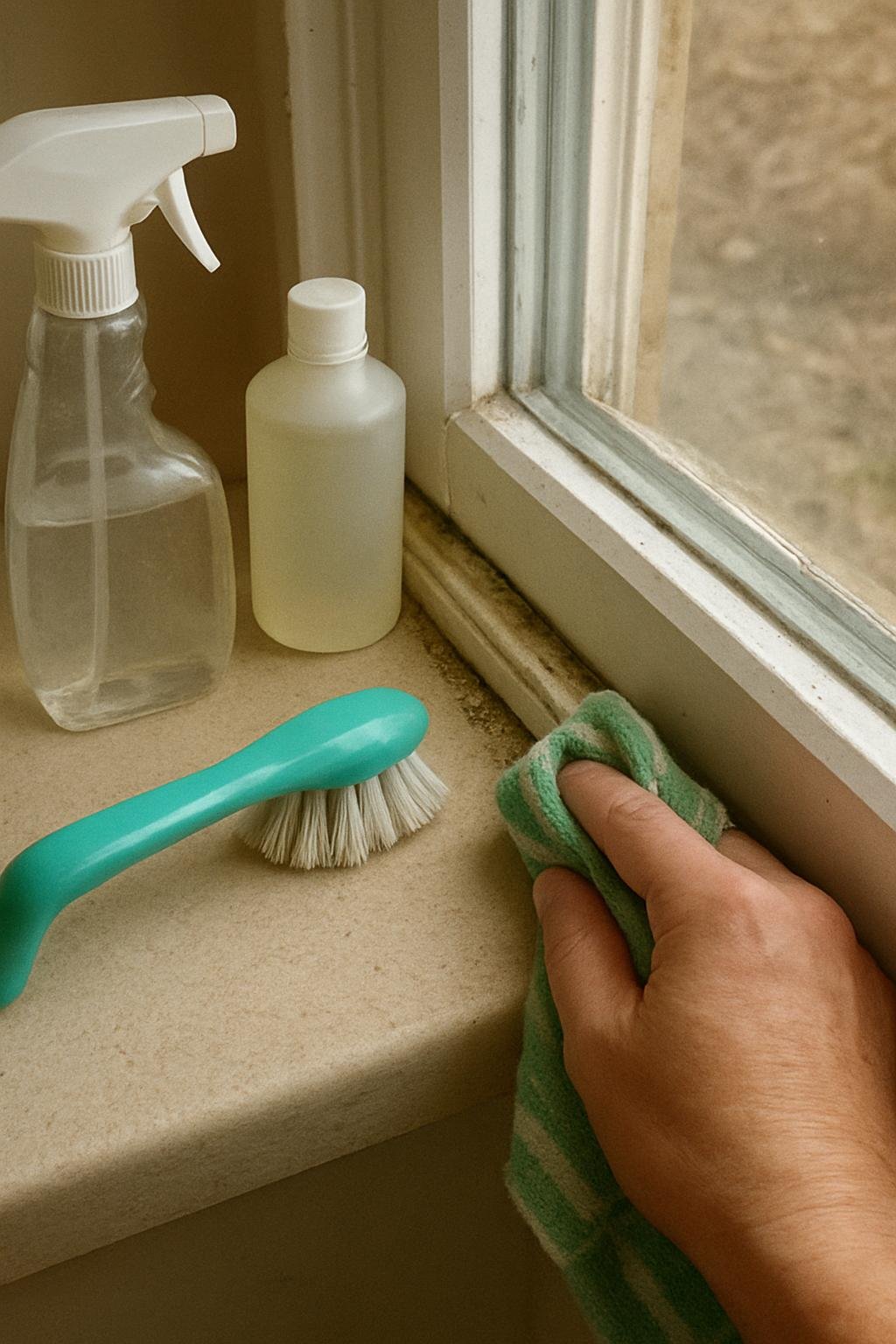
Window tracks come in a few common materials, and what’s safe for one can dull or damage another. Most modern vinyl and aluminum tracks handle a damp cloth and mild soapy water without issue. Older wood-framed windows are more sensitive: too much moisture can warp the wood or lift old paint, so you’ll want to keep those tracks as dry as possible and dry them immediately after wiping.
If your windows have a factory finish or coating on the track, check for a care label or manufacturer note before using anything beyond plain water and a mild dish soap solution. When in doubt, test your cleaner on a small hidden section of the track first.
Tools That Replace a Vacuum
- An old toothbrush or narrow paintbrush for loosening dry debris
- A butter knife wrapped in a microfiber cloth or paper towel for scraping without scratching
- Cotton swabs for corners and weep holes
- A microfiber cloth or old sock for wiping
- A spray bottle with warm water and a few drops of mild dish soap
- A dustpan or dry paintbrush to sweep loosened debris directly out of the track
Skip anything abrasive, like steel wool or scouring pads, since these can scratch vinyl and strip finish from painted or coated tracks.
Step-by-Step Method
- Dry-brush first. Run the toothbrush or narrow paintbrush along the full length of the track to loosen dust, dead insects, and grit. Sweep the loosened debris out with a dustpan or straight into a trash bag held underneath the track.
- Mist lightly. Spray a light mist of warm water and mild dish soap directly into the track. Avoid soaking the area, especially on wood tracks, since standing water can seep into seams and cause swelling over time.
- Scrape gently. Wrap a butter knife in a rag or paper towel and run it along the bottom of the track to lift softened grime. Use a cotton swab for corners, weep holes, and the narrow channel where the track meets the frame.
- Wipe and check. Wipe the track with a clean, slightly damp microfiber cloth. Check corners again since debris tends to collect there even after a full pass.
- Dry completely. Finish with a dry cloth and let the track air-dry with the window open for a few minutes before closing it. This step matters most on wood tracks and anywhere moisture could sit against a painted surface.
Common Mistakes That Cause Damage
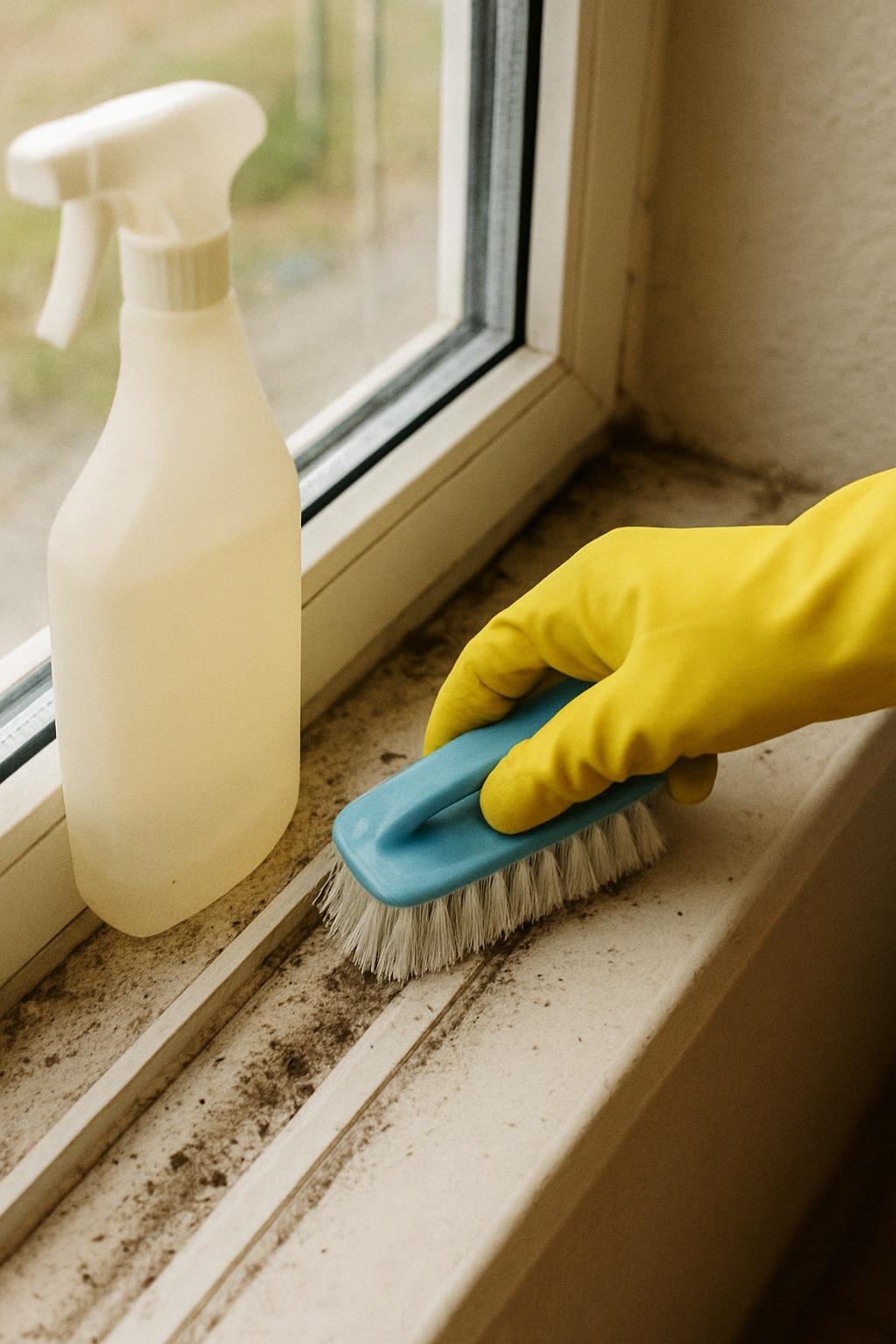
- Using too much water. Soaking the track instead of misting it can push moisture into seams, which is a particular risk for wood tracks and can encourage swelling or warping.
- Scraping with metal directly against the track. A bare knife or screwdriver can scratch vinyl or chip painted finishes. Always wrap the tool first.
- Skipping the weep holes. These small drainage holes at the base of many vinyl tracks clog easily with dirt. If they stay blocked, water from rain or condensation may not drain properly, so clear them with a cotton swab or a straightened paperclip wrapped in a bit of cloth.
- Forcing debris further into corners. Wiping in one direction repeatedly can pack debris deeper into tight corners instead of lifting it out. Alternate wiping direction and finish with a scraping pass in the corners.
How Often to Clean Window Tracks
A quick dry-brush pass every few weeks keeps debris from building up, while a full soap-and-scrape cleaning every one to two months is usually enough for most homes. Homes near construction, high pollen areas, or with pets may need the fuller cleaning more often since debris accumulates faster in the tracks.
When to Try a Different Approach
If the track still looks grimy after a full cleaning pass, or if you’re dealing with hardened mineral deposits from condensation, a slightly stronger scrubbing pass with a soft-bristle brush and the same soapy water may help, but avoid switching to a different chemical cleaner without checking the window manufacturer’s care instructions first. If the track shows rust, corrosion, or the frame no longer seals properly after cleaning, that points to a maintenance or repair issue rather than something a cleaning method can fix.
Once the tracks are clean, the glass itself is usually the next step. If you don’t have a squeegee on hand, you can find a full method in How to Clean Windows Without a Squeegee, and if streaking has been a recurring issue, How to Clean Windows Without Streaks covers the common causes.
Everything Mentioned Above
Before you leave, grab the tools you need to get the job done right the first time:
*As an Amazon Associate, TidyFormula earns from qualifying purchases.