How to Deodorize a Mattress without Baking Soda
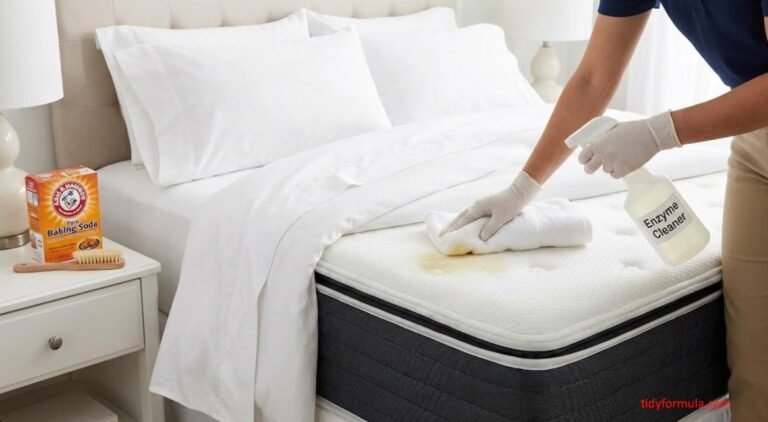
You can deodorize a mattress without baking soda by combining fresh air, light vacuuming, and a targeted treatment matched to the actual odor source, rather than relying on a powder to mask it. For sweat or general staleness, airing and ventilation usually do the job. For pet urine or body fluids, an enzyme-based cleaner works better than any powder because it breaks down the odor-causing residue instead of covering it.
If the smell keeps coming back even after you air out the mattress, it’s often because the odor source has soaked into the foam or padding layers rather than sitting on the surface, which means surface treatments alone won’t fully solve it.
⚡ The TidyFormula™ Quick Decision
Best approach: Identify the odor source first, then treat it directly — ventilation and light vacuuming for general staleness, an enzyme cleaner for urine or organic odors, and a light vinegar mist only on materials that tolerate it.
Use caution with: Memory foam and mattresses with non-removable covers, since they hold moisture longer and can develop new odors if oversaturated.
Stop and reassess if: The smell is musty or mildew-like even after drying, or if it returns repeatedly after cleaning, which can point to moisture trapped deep inside the mattress rather than a surface odor you can treat at home.
What I Use For This Job
Using the right tools saves time and protects your belongings. Here are my exact recommendations:
*As an Amazon Associate, TidyFormula earns from qualifying purchases.
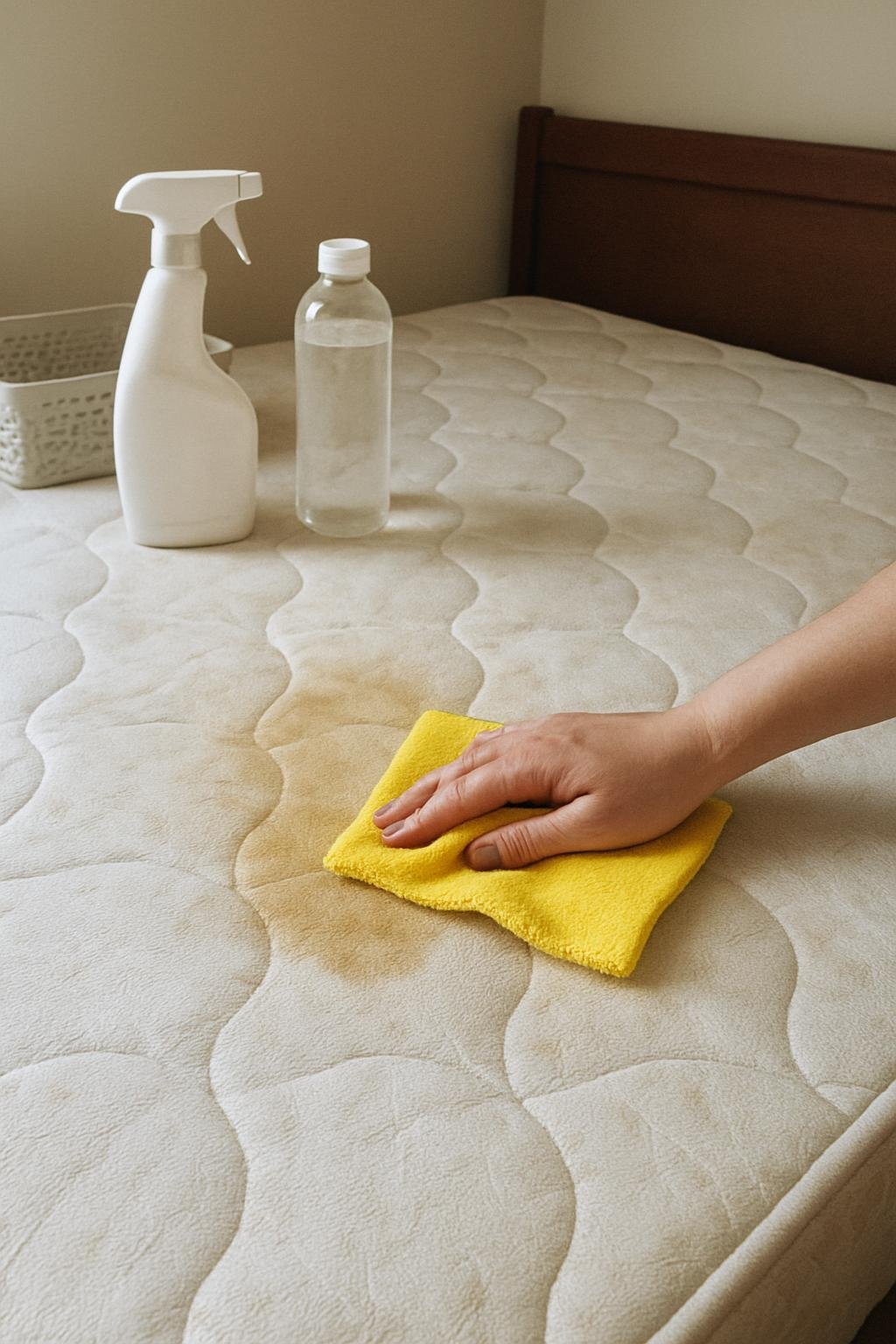
Figure Out What’s Actually Causing the Smell
Deodorizing works best when it targets the actual source instead of just masking it. A mattress that smells faintly stale after months of use has a different problem than one with a pet accident or a sweat-heavy sleeping area, and treating them the same way rarely fixes anything long-term.
General staleness or a new-mattress smell usually comes from trapped body oils, dust, and normal off-gassing. This responds well to airing out and light cleaning.
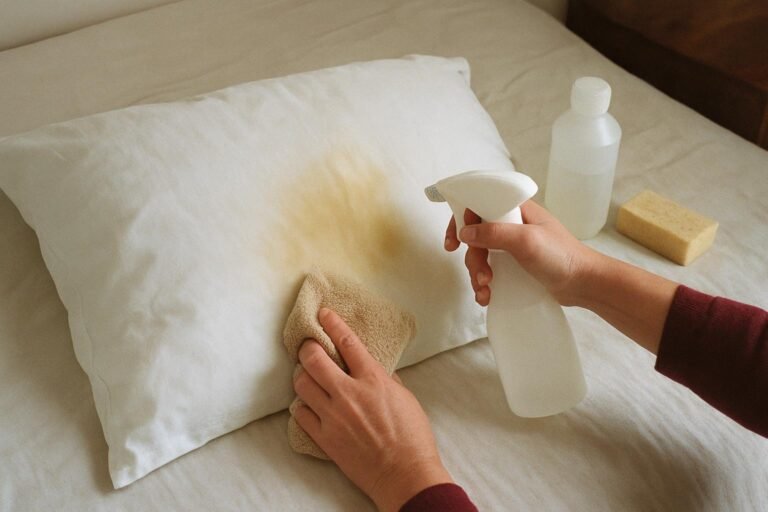
Sweat and body odor tends to concentrate in one sleeping zone and often needs a light, evenly applied liquid treatment rather than just surface airing.
Pet urine or human accidents are the toughest to fully deodorize because the odor comes from residue that has soaked into the padding, not just sitting on top. If this is the source, an enzyme-based approach aimed specifically at the stain will outperform any powder or spray. For dog-related accidents, see how to clean dog urine from a mattress, and for cat urine, which has a stronger and more persistent odor compound, see how to clean cat urine on a mattress.
Musty or mildew-like smells point to trapped moisture rather than surface odor, and they need drying and airflow more than any topical treatment.
Safe Deodorizing Options That Don’t Rely on Baking Soda
Several approaches work without a box of baking soda, but they aren’t interchangeable. Match the method to the odor source and the mattress material.
- Ventilation and sunlight: Strip the bedding, prop the mattress against a wall or sawhorses if possible, and let air move across both sides for several hours. This is the safest first step for almost any mattress and any mild odor.
- Light vacuuming: A vacuum with an upholstery attachment lifts dust, skin cells, and loose debris that hold odor. If you don’t have a vacuum available, a manual brushing and lint-roller method can substitute; see how to clean a mattress without a vacuum for that approach.
- Diluted white vinegar mist: A light, even mist (not a soak) on the fabric surface can help with sweat odor and mild mustiness on materials that tolerate moisture well, such as many quilted or innerspring covers. Always let it dry fully in open air before covering the mattress. Skip this on delicate, non-removable covers or if the care label advises against liquid cleaners.
- Unscented cornstarch: Works similarly to baking soda as a dry odor absorber. Sprinkle lightly, let it sit, then vacuum thoroughly. It’s not stronger or weaker than baking soda, just an alternative if that’s the one product you want to avoid.
- Enzyme cleaner: The right choice for urine, sweat stains with odor, or other organic residue. Enzymes break down the compounds causing the smell instead of absorbing or masking them, which is why they tend to outperform powders on biological odors.
- Activated charcoal bags: Placed near or under the mattress (not applied directly to fabric), these can help absorb ambient odor over time, though they work slowly and won’t resolve an active stain.
Avoid heavily scented sprays as a first response. They cover the smell temporarily but do nothing for the actual source, and mixing a strong fragrance with an existing odor often creates a worse combined smell rather than a fresher one.
Step-by-Step Method for General Odor
- Strip all bedding and wash it according to its own care label before returning it to the mattress.
- Vacuum the entire surface using slow, overlapping passes, including seams and any quilted texture where debris collects.
- Spot-check any liquid treatment on a small hidden area first, especially on colored or textured covers, and wait to see if it causes discoloration before treating the full surface.
- Apply your chosen treatment lightly and evenly. For vinegar, mist rather than soak. For enzyme cleaner, follow the product’s label for the stained area only.
- Let the mattress dry completely in an open, ventilated room before adding sheets back. This can take several hours depending on humidity and airflow, so don’t rush this step.
- Flip or rotate the mattress if the manufacturer allows it, since consistent pressure and moisture on one side over time can contribute to lingering odor.
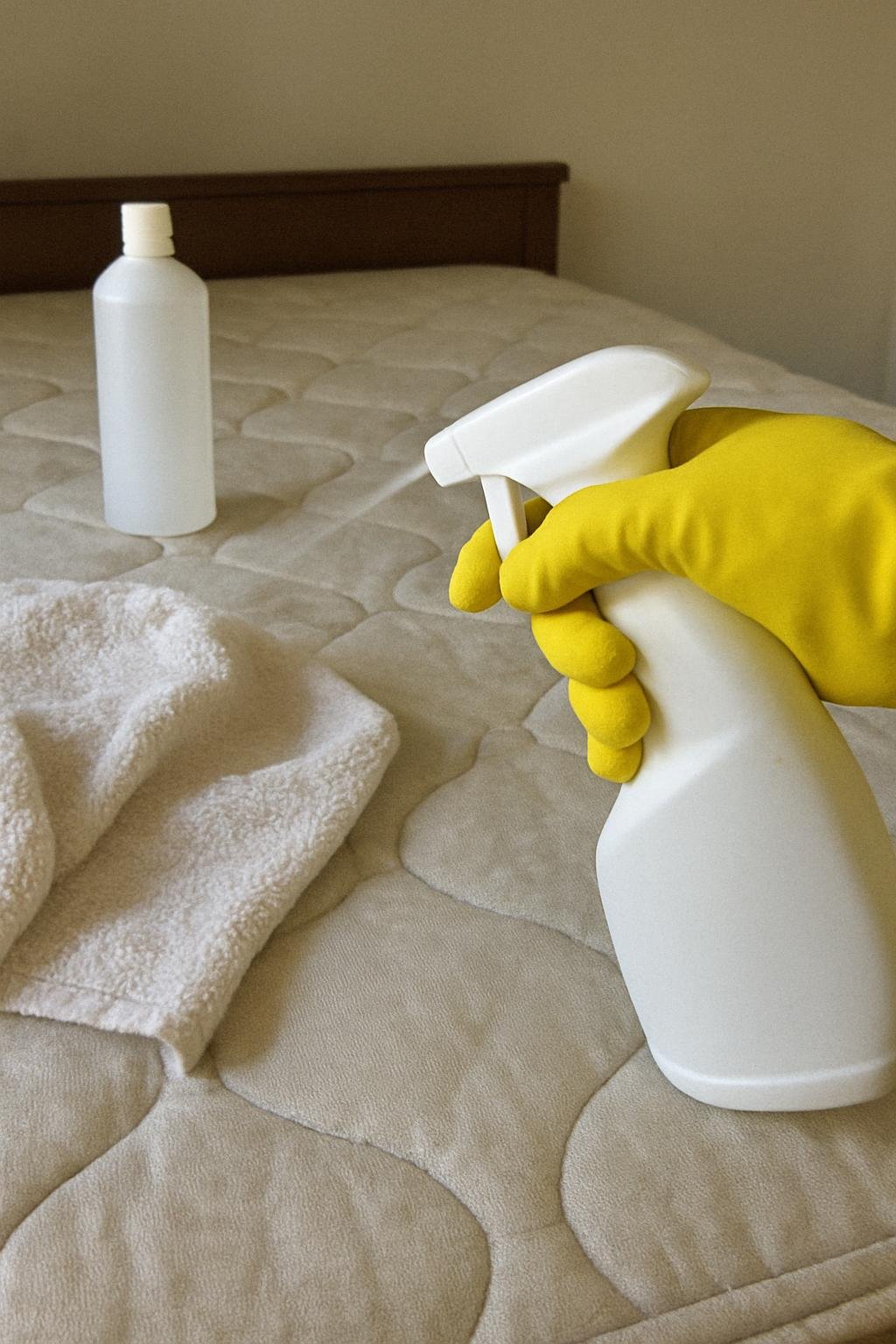
Material Differences That Change the Right Approach
Not every mattress handles moisture or treatment the same way, and this is where a lot of well-intentioned deodorizing goes wrong.
| Mattress Type | Moisture Tolerance | Best Fit |
|---|---|---|
| Innerspring with removable cover | Generally tolerates light liquid treatments well | Vinegar mist, enzyme cleaner, thorough airing |
| Memory foam | Holds moisture longer, slower to dry | Dry methods preferred; use liquids sparingly and dry thoroughly |
| Hybrid (foam plus coils) | Varies by top layer material | Treat based on the outer material, not the coil layer |
| Non-removable, non-washable cover | Limited | Check the care label before any liquid application |
If your mattress has a topper with its own visible stain, that’s usually a separate cleaning step from general deodorizing. See how to get a urine stain out of a mattress topper if that’s what you’re dealing with, since toppers often have different fill materials than the mattress underneath and may need a different technique.
Deodorizing Mistakes That Make Odor Worse
- Soaking instead of misting. Excess liquid pushes deeper into foam and padding, where it can take days to dry and may encourage a musty smell rather than resolving the original odor.
- Covering the mattress before it’s fully dry. Sheets and a mattress protector trap residual moisture against the surface, which can turn a treatable smell into a mildew problem.
- Treating the whole mattress for a localized stain. If the odor is coming from one specific spot, such as a pet accident, spot-treat that area with an enzyme cleaner instead of applying a general treatment across the entire surface.
- Using strong fragrance products to mask odor. This delays dealing with the actual source and can make later treatment harder to judge, since you’re now smelling two competing scents instead of one.
Keeping the Odor From Coming Back
A washable mattress protector is one of the simplest long-term prevention steps, since it keeps sweat, oils, and accidental spills from reaching the mattress surface at all. Airing the mattress out every few months, even briefly, helps prevent the slow buildup that leads to general staleness. Address any spill or accident as soon as you notice it rather than waiting, since fresh residue is far easier to fully treat than residue that’s had time to set into the padding.
When Deodorizing Isn’t Enough
If a musty or mildew smell persists after the mattress has had proper time and airflow to dry, or if an odor keeps returning in the same spot despite repeated enzyme treatment, that usually means moisture or residue has reached a layer you can’t fully treat from the surface. At that point, a professional cleaning evaluation or mattress replacement is a more realistic next step than continuing to cycle through home treatments that aren’t reaching the actual source.
Everything Mentioned Above
Before you leave, grab the tools you need to get the job done right the first time:
*As an Amazon Associate, TidyFormula earns from qualifying purchases.