
How to Remove Food Stains: Quick, Safe Techniques for All Fabrics
To remove food stains effectively, act quickly, gently remove any excess food, and treat the stain from the back of the fabric with cool water before applying a suitable cleaning method based on the stain type and fabric. Avoid hot water and heat on protein or starch-based stains, since heat can set them permanently, and always check the care label first. A greasy stain from butter behaves very differently than a berry stain or a tomato-based sauce stain — for upholstery-specific tips, see how to remove grease stains from a fabric sofa.
⚡ The TidyFormula™ Quick Decision
Best approach: Blot fresh stains promptly, flush with cool water from the back of the fabric, and use a small amount of mild liquid dish soap or a laundry pretreatment product worked in gently before washing according to the care label.
Use caution with: Delicate fabrics like silk, wool, and rayon, as well as “dry clean only” garments, since water and rubbing can cause shrinking, distortion, or color loss on these materials (for guidance on upholstered work chairs and similar fabrics, see how to clean a fabric office chair).
Stop and reassess if: The stain remains after one full wash-and-dry cycle, the fabric shows signs of damage, or the item is dry-clean only—these situations call for professional cleaning rather than repeated home treatment.
Why Food Stains Can Be Tricky
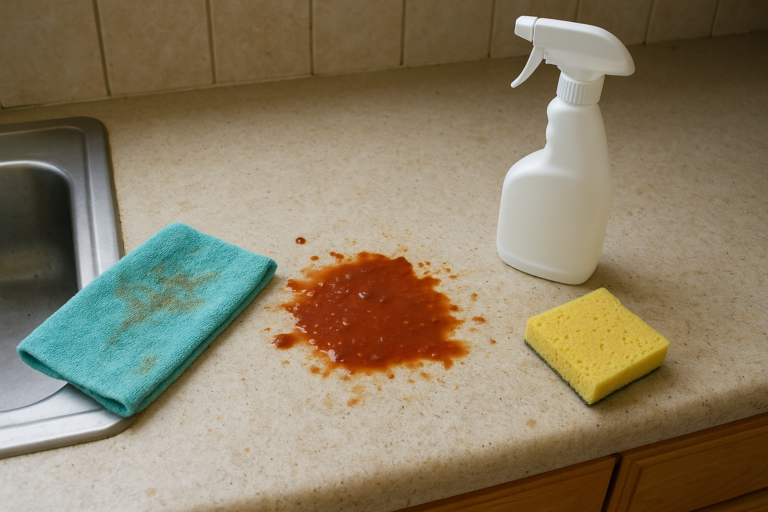
Food stains vary widely because foods contain different combinations of proteins, sugars, oils, starches, and pigments. A greasy stain from butter behaves very differently than a berry stain or a tomato-based sauce stain. Because of this, no single method works for every situation, and the right approach depends on the specific food, the fabric or surface involved, and how long the stain has had to set.
What I Use For This Job
Using the right tools saves time and protects your belongings. Here are my exact recommendations:
*As an Amazon Associate, TidyFormula earns from qualifying purchases.
General First Steps for Any Food Stain
- Remove excess food gently with a spoon or dull knife—avoid rubbing, which can push the stain deeper into fibers.
- Check the care label on clothing or upholstery before applying any water or cleaning product.
- Flush with cool water from the back of the fabric to push the stain out rather than through it.
- Blot, don’t scrub, especially on delicate or textured fabrics, since scrubbing can spread the stain or damage fibers.
- Test any product on a hidden area first to check for color changes or fabric damage.
Treating Common Food Stain Types
Oil and Grease-Based Stains (Butter, Salad Dressing, Fried Foods)
Oily stains often benefit from a small amount of dish soap, which is designed to break down grease. Apply a drop directly to the stain, work it in gently with your fingers, and let it sit briefly before laundering in the warmest water the care label allows. For gear and seat fabrics used outdoors or on strollers, you can adapt these steps to avoid soaking delicate linings — see how to clean stroller fabric without removing it. Avoid hot water on stains that also contain protein, such as cream-based sauces, since heat can cause protein to bind to fibers.
Sugar and Pigment-Based Stains (Berries, Juice, Wine, Tomato Sauce)
These stains often leave visible color even after the sticky residue is gone. Rinse with cool water as soon as possible, then treat with a laundry stain remover or mild detergent according to the product label. Avoid using hot water initially, as it can set some pigments. If color remains after washing, air dry the item and inspect it before running it through the dryer, since heat can make a lingering stain harder to remove later. For carpet or rugs that catch dropped drinks, see targeted advice like how to remove coffee stains from carpet.
Protein-Based Stains (Egg, Milk, Cheese, Meat Drippings)
Protein stains are especially sensitive to heat, which can cook the proteins into the fabric. Use cool or lukewarm water only, and pretreat with a small amount of enzyme-based laundry detergent if the label allows it. Let the detergent sit briefly on the stain before washing. For bedding and pillowcases affected by body oils and sweat (often a mix of proteins and oils), see specialized tips such as how to remove yellow sweat stains from pillowcases.
Starch-Based Stains (Pasta, Potatoes, Bread)
Allow starchy residue to dry slightly, then gently scrape off excess before applying water. Treating starch while it’s still wet and smeared can spread the stain over a larger area.
Fabric and Surface Considerations
Different materials respond differently to the same treatment, so it helps to think about what you’re cleaning before choosing a method.
- Cotton and polyester blends: Generally more forgiving and can often tolerate mild detergent and machine washing per the care label.
- Silk and wool: More prone to water spotting, shrinking, or texture changes; hand treatment with minimal moisture is usually safer, and professional cleaning may be worth considering for valuable items.
- Carpet and upholstery: Blot rather than rub, work from the outer edge of the stain inward, and check any manufacturer cleaning codes on furniture tags before applying moisture or cleaning products.
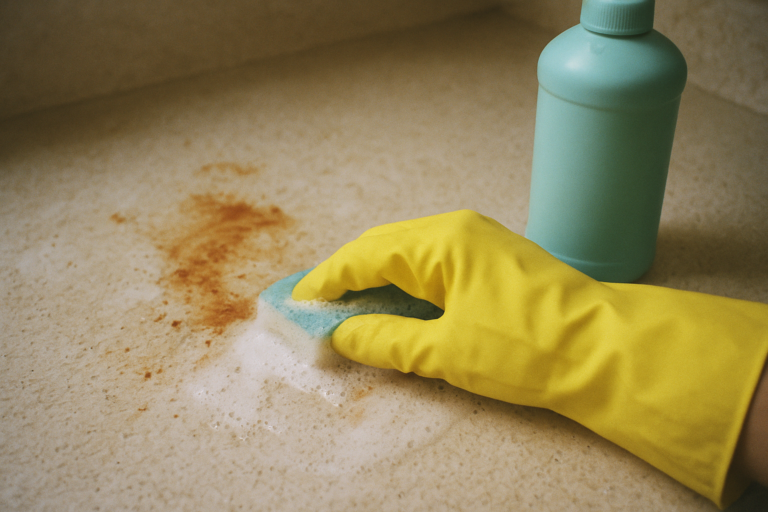
- Hard surfaces like countertops or wood tables: Wipe promptly with a soft cloth and a cleaner appropriate for that surface material, since some food acids can affect certain finishes over time.
For items used by children—high-chair straps, seat covers, and similar pieces—follow low-moisture spot-cleaning methods and check the manufacturer’s guidance; practical, tested steps for common fast-mess items are in how to clean high chair straps.
Drying and Aftercare
Air drying is often the safer choice for stained items, since it allows you to check whether the stain is fully gone before exposing the fabric to dryer heat. If any shadow of the stain remains, repeat the treatment rather than drying with heat, which can make the mark more difficult to remove afterward. Once a stain appears gone, follow the care label’s guidance for a normal wash and dry cycle.
When to Reconsider Your Approach
If a stain persists after one full treatment and wash cycle, avoid repeating the same method indefinitely, since repeated rubbing or product application can wear down fibers or dull fabric color. At that point, it may help to try a different stain-specific product suited to the food type, or to take the item to a professional cleaner, especially for dry-clean-only garments, structured furniture, or sentimental or expensive textiles.
Preventing Future Food Stains
- Address spills as soon as they happen rather than waiting until after a meal is finished.
- Keep a stain-treatment product or mild dish soap accessible in the kitchen and dining area for quick response.
- Use napkins or bibs during meals involving sauces, berries, or oily foods, particularly for children.
- Consider fabric protector sprays for upholstery and rugs in high-traffic dining areas, following the product label and any furniture manufacturer guidance.
Food stains respond best to prompt, gentle treatment matched to both the type of food and the material involved. When in doubt about a fabric’s care requirements or a stain’s stubbornness, checking the care label and consulting a professional cleaner remains the safest path to protecting your clothing, linens, or furniture.
Everything Mentioned Above
Before you leave, grab the tools you need to get the job done right the first time:
*As an Amazon Associate, TidyFormula earns from qualifying purchases.