
How to Open a Stuck Window: Tips for Safe Removal and Prevention
A stuck window is usually caused by paint seals, swollen wood, dirt buildup in the track, or a misaligned frame. Start by checking for paint or debris along the edges, then try gentle upward or side-to-side pressure with both hands while tapping the frame lightly. Avoid forcing it, since excess pressure can crack glass or damage the frame.
⚡ The TidyFormula™ Quick Decision
Best approach: Clean the track and sash edges first, then break any paint seal with a putty knife or window zipper tool before applying gentle, even pressure to lift or slide the window.
Use caution with: Older painted wood windows, vinyl frames that may become brittle in cold weather, and any window with visible cracks or rot, since these can be more easily damaged by force.
Stop and reassess if: You hear cracking sounds, see the glass shifting in the frame, notice the sash pulling away unevenly, or the window still won’t budge after a few careful attempts—this may point to a structural issue better handled by a window professional.
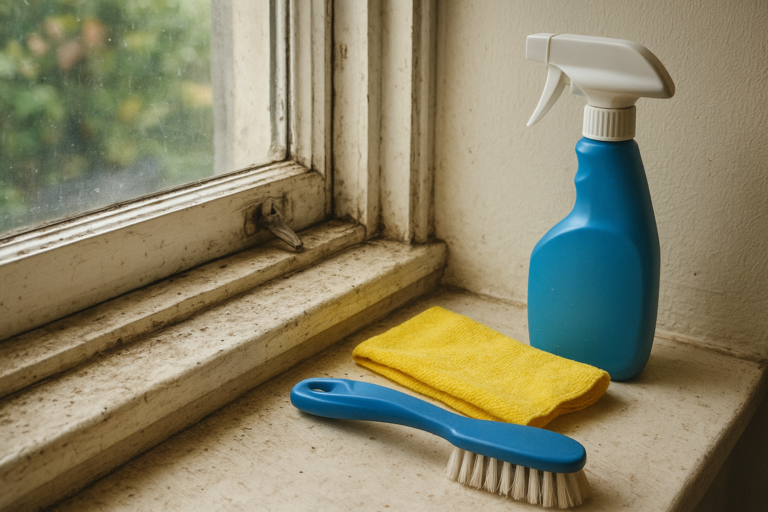
Why Windows Get Stuck
Windows can stick for several reasons, and identifying the likely cause helps you choose the right fix. Common culprits include:
What I Use For This Job
Using the right tools saves time and protects your belongings. Here are my exact recommendations:
*As an Amazon Associate, TidyFormula earns from qualifying purchases.
- Paint buildup: Layers of paint can seal the sash to the frame, especially on older wood windows.
- Swollen wood: Humidity and temperature changes can cause wood frames to expand, tightening the fit.
- Dirt and debris: Dust, grit, and old lubricant residue can accumulate in tracks and channels.
- Misalignment: Settling homes or worn hardware can shift the frame slightly out of square.
- Rust or corrosion: Metal window components, including hinges and tracks, can corrode over time.
Before You Start: Safety and Preparation
Take a few minutes to prepare before attempting to open a stuck window. This reduces the risk of damage to the window or injury to you.
- Clear the area around the window of any obstacles.
- Wear gloves if you’ll be using tools like a putty knife or scraper.
- Check your window’s manufacturer instructions or care guide if available, since vinyl, wood, and aluminum frames may have different handling recommendations.
- Inspect the frame and glass for existing cracks, rot, or damage before applying any force.
Step-by-Step: How to Open a Stuck Window
1. Inspect the Window
Look closely at the top, bottom, and sides of the sash where it meets the frame. Check for paint lines, dirt buildup, or visible gaps. This inspection helps you decide whether the issue is a paint seal, debris, or something more structural.
2. Break Any Paint Seal
If you see paint bridging the sash and frame, run a thin putty knife or a specialized window zipper tool carefully along the seam on all sides. Work slowly and avoid gouging the wood or scratching the glass. This step alone resolves many stuck-window situations on painted wood windows.
3. Clean the Track or Channel
Vacuum out loose dirt and debris from the tracks, then wipe them down with a slightly damp cloth. For vinyl or aluminum sliding windows, pay attention to the bottom track, since debris there often prevents smooth movement — and don’t forget to check any attached screens on your sliding windows.

4. Apply Gentle, Even Pressure
Place your hands on the lower rail of the sash (for double-hung windows) or the edge of the sliding panel, and push evenly with both hands rather than at one corner. Uneven pressure can rack the frame or crack the glass, so keep your motion balanced and controlled.
5. Tap Gently if Needed
If the window still resists, try lightly tapping the frame near the stuck area with the heel of your hand or a rubber mallet wrapped in cloth. Avoid direct metal-on-frame contact, and never strike near the glass.
6. Try a Flat Tool for Gaps
For windows that are stuck due to a tight fit rather than paint, a thin, flat tool like a putty knife can sometimes be worked gently into the gap between the sash and frame to help loosen it. Use light pressure and check often to avoid marring the finish.
Material-Specific Considerations
Wood Windows
Wood is prone to swelling with humidity, which is a frequent cause of sticking, especially in older homes. Sanding down high spots may help, but this is best done carefully and only after confirming the wood isn’t warped or rotted, since sanding won’t fix structural damage.
Vinyl Windows
Vinyl frames can become brittle in cold weather, so avoid excessive force in low temperatures. If a vinyl window is stuck, check the manufacturer’s guidance if available, since some vinyl windows have specific track or lock mechanisms that affect how they open.
Aluminum Windows
Aluminum frames can develop corrosion over time, particularly in humid climates or coastal areas. A stuck aluminum window may benefit from a light silicone-based lubricant on the tracks, but check any care instructions first if the window is under warranty.
When a Lubricant Might Help
A light application of a silicone-based lubricant on tracks or hinges can sometimes ease movement once the window is already partially freed. Apply sparingly and wipe away excess, since buildup can attract dirt over time. Check the window’s care instructions before applying any product, since some finishes or materials may react differently.
Troubleshooting Persistent Sticking
- Window opens partially but not fully: Check for an obstruction further along the track or a bent slider.
- Window feels tight only in certain seasons: This often points to wood swelling from humidity rather than paint or debris.
- Window won’t move at all despite cleaning and gentle force: There may be a broken balance mechanism, damaged hardware, or a frame that has shifted out of square.
- Sash moves unevenly on one side: This can indicate a worn balance spring or track misalignment, which may require hardware replacement.
Repair Versus Replace
If a window sticks due to dirt, minor paint buildup, or seasonal swelling, cleaning and light maintenance are usually enough. However, if you notice cracked glass, rotted wood, bent tracks, or a frame that has visibly shifted, the window may need repair by a professional or eventual replacement. A window that requires significant force every time you open it is also worth having assessed, since repeated force can worsen existing damage.
Preventing Future Sticking
- Clean tracks and channels a few times a year to prevent debris buildup.
- Repaint carefully, keeping paint away from the sash-to-frame contact points.
- Address humidity issues in the room, since consistent moisture can contribute to wood swelling.
- Inspect hardware periodically for wear, and replace worn balances or rollers before they fail completely.
- Open and close windows periodically, even in seasons you don’t use them, to prevent seals or paint from forming a tight bond.
When to Call a Professional
If you’ve cleaned the tracks, broken any paint seal, and applied gentle pressure without success, or if you notice signs of structural damage, it may be time to contact a window repair professional or the manufacturer. Forcing a window that won’t move can lead to broken glass, a damaged frame, or personal injury, so it’s worth pausing rather than pushing harder.
Everything Mentioned Above
Before you leave, grab the tools you need to get the job done right the first time:
*As an Amazon Associate, TidyFormula earns from qualifying purchases.