How to Wash a Heated Blanket: A Quick Guide for Safe Cleaning
Most heated blankets can be machine washed on a gentle cycle with cold or lukewarm water, but only after you disconnect and remove the control unit and check the care label for model-specific instructions. Because heating wires and controllers vary by manufacturer, always follow the label first—when in doubt, a gentle hand wash or spot cleaning is the safer route. For overlapping tips on electric models and common pitfalls, see our guide to cleaning electric blankets safely.
⚡ The TidyFormula™ Quick Decision
Best approach: Detach the control unit, check the care label, then wash on a gentle machine cycle with cold or lukewarm water and a mild detergent, or hand wash if the label recommends it.
Use caution with: Older blankets, models with visible wear on the wiring, or any blanket whose care label is missing, faded, or unclear about washing instructions.
Stop and reassess if: You notice exposed or damaged wires, scorch marks, a control unit that won’t fully detach, or a care label that says “dry clean only” or “do not wash.”
Why Heated Blankets Need Special Care
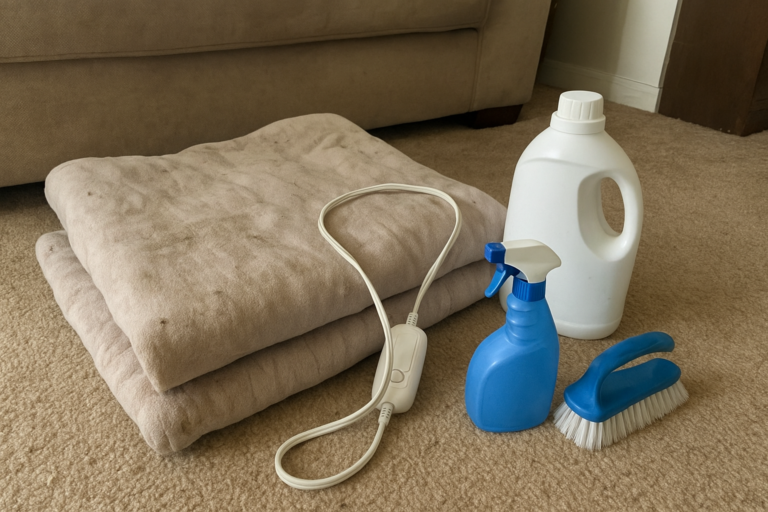
Heated blankets contain a network of thin wires woven into the fabric, along with a control unit that regulates temperature. These components make heated blankets different from regular blankets in ways that affect how you can safely clean them. Rough handling, high heat, or the wrong wash setting can damage the wiring or shorten the blanket’s lifespan, even if the fabric itself looks fine afterward.
What I Use For This Job
Using the right tools saves time and protects your belongings. Here are my exact recommendations:
*As an Amazon Associate, TidyFormula earns from qualifying purchases.
Because manufacturers use different wiring designs and materials, there’s no single washing method that works for every model. Some blankets are labeled machine washable with specific cycle recommendations, while others call for hand washing only or no washing at all. Checking the care label and any included manufacturer instructions is the most reliable way to know what your specific blanket can handle. If your blanket uses nonstandard fillings (for example, sand-filled or other specialty fills), follow the maker’s specific instructions—care for sand-filled weighted blankets is different from a simple fabric-only model.
Before You Wash: Preparation Steps
- Locate and read the care label. This is usually sewn into a seam or attached near the control cord. It will tell you whether machine washing, hand washing, or dry cleaning only is recommended for your model.
- Unplug the blanket and let it cool completely. Never attempt to wash a blanket that is plugged in or still warm from use.
- Detach the control unit. Most heated blankets have a control unit that unplugs or unclips from the blanket itself. This unit is electronic and should never go into a washing machine, dryer, or water of any kind—see our tips for cleaning cables and power strips safely if you need to clean cords or connectors carefully.
- Inspect the blanket for damage. Look closely at the wiring pattern for any exposed wires, frayed spots, burn marks, or areas where the fabric has separated from the heating elements. If you spot any of these, washing may not be advisable—consider replacement instead.
- Shake out loose debris. A gentle shake or light vacuum on the fabric can remove pet hair, crumbs, or dust before washing.
Machine Washing: When the Label Allows It
If the care label confirms your blanket is machine washable, these general steps apply. Because settings vary by manufacturer, treat this as a starting framework and defer to your specific instructions when they differ.
- Use a gentle or delicate cycle rather than a normal or heavy-duty setting.
- Choose cold or lukewarm water rather than hot water, which can stress the wiring and fabric adhesive over time.
- Use a mild, gentle detergent and avoid bleach or harsh stain removers unless the label specifically allows them.
- Skip fabric softener, since it can coat fibers and interfere with the blanket’s heating performance on some models.
- If your machine has an extra rinse option, this can help ensure detergent residue is fully removed, but it isn’t essential for every load.
- Avoid overloading the machine—wash the blanket on its own or with a very light load so it isn’t compressed or twisted excessively during the cycle. For bulky or heavy items, review general advice about washing weighted or oversized blankets before attempting a machine wash.
Hand Washing: A Gentler Alternative
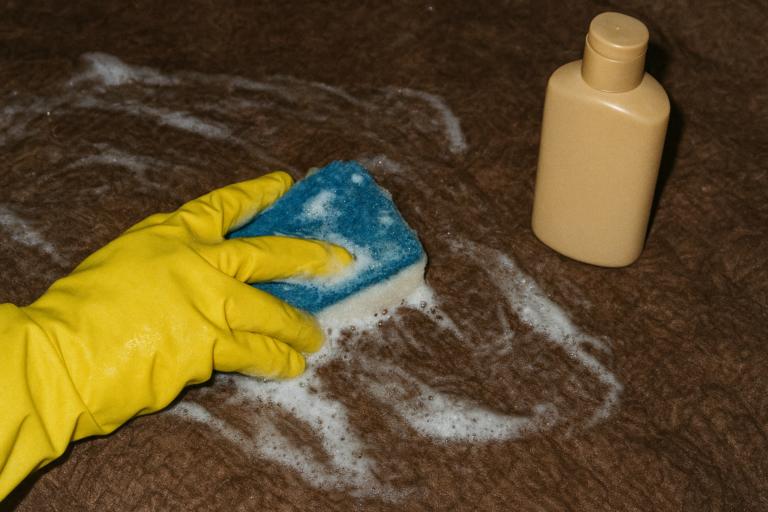
If your care label recommends hand washing, or if you’re uncertain about machine washing an older or more delicate blanket, hand washing offers more control.
- Fill a bathtub or large basin with cold or lukewarm water and a small amount of mild detergent.
- Submerge the blanket and gently press the fabric to work the soapy water through it. Avoid scrubbing, wringing, or twisting the wiring.
- Drain the soapy water and refill with clean water to rinse. Repeat until no soap residue remains.
- Press—don’t wring—excess water out gently, supporting the blanket’s weight as you lift it to avoid straining the wiring.
If you’re worried about drying bulky fill evenly, techniques used to prevent clumping in duvet inserts (fluffing, occasional agitation during drying, and using dryer balls when allowed) can be helpful, though follow your blanket’s specific care recommendations first.
Drying Your Heated Blanket
Drying method matters just as much as washing method. Check your care label for specific guidance, since some manufacturers recommend air drying only, while others allow low-heat tumble drying.
- Air drying: Lay the blanket flat on a clean, dry surface or drying rack rather than hanging it, which can stretch the fabric and stress the wiring. Turning it periodically helps it dry more evenly.
- Tumble drying: If the label allows it, use a low-heat or no-heat/air-fluff setting. High heat is generally discouraged because it can damage the internal wiring or the fabric’s bond to the heating elements.
- Avoid drying racks with hooks or clips that could snag or pull on the wiring.
- Make sure the blanket is completely dry before reconnecting the control unit or using it again—if you notice any sour or musty odor after washing, consult our steps for removing sour smells from laundry before reuse.
Reconnecting and Testing After Washing
Once the blanket is fully dry, reattach the control unit according to the manufacturer’s instructions. Before using it for an extended period, plug it in and check that it heats evenly across the surface. If you notice any section that isn’t warming properly, a section that feels unusually hot, or any unusual smell, unplug it and consider contacting the manufacturer or discontinuing use.
Spot Cleaning as an Alternative
For small stains or light soiling, spot cleaning may be a safer option than a full wash, especially for older blankets or ones without clear washing instructions. Dab the affected area with a cloth dampened with mild detergent and water, working gently rather than saturating the fabric. Blot with a clean, damp cloth to rinse, then let the area air dry fully before use.
Signs You Should Skip Washing and Consider Replacement
Some conditions suggest it’s time to retire a heated blanket rather than continue washing and using it:
- Exposed, frayed, or visibly damaged wiring
- Scorch marks, discoloration from heat, or a burning smell during use
- A control unit that doesn’t function properly, doesn’t lock in place, or has visible cracks
- Uneven heating across large sections that doesn’t improve after checking connections
- A care label that explicitly states the blanket is not washable
Heated blankets with any of these issues may not be safe to continue using, washable or not. When in doubt, referring to the manufacturer’s guidance or considering a replacement is a reasonable and cautious choice. For differently constructed blankets—such as many weighted blanket designs—replacement is often the safer option if structural damage is present.
Caring for Your Blanket Between Washes
Washing less often and maintaining the blanket between washes can help it last longer. Using a top sheet or duvet cover between your body and the blanket can reduce how quickly it gets soiled. Storing it folded loosely in a cool, dry place—rather than tightly rolled or compressed—can also help protect the internal wiring over time. Always refer to your specific care label for storage and maintenance recommendations, since guidance can differ by brand and model.
Everything Mentioned Above
Before you leave, grab the tools you need to get the job done right the first time:
*As an Amazon Associate, TidyFormula earns from qualifying purchases.