Drain Gnats: Baking Soda and Vinegar for Cleaning and Prevention
Pouring baking soda and vinegar down a drain can help loosen surface grime and organic buildup that gnats feed on, but the fizzing reaction itself does not reliably kill drain gnats or their larvae. For real control, you’ll usually need to physically scrub the drain, remove organic residue, and address moisture that’s attracting the insects in the first place.
⚡ The TidyFormula™ Quick Decision
Best approach: Use baking soda and vinegar as a light cleaning step to loosen organic gunk, then follow up with mechanical scrubbing using a drain brush and hot water flushes to actually remove the buildup gnats are breeding in. For low-chemical, hands-on options see How to Clean a Sink Drain Without Chemicals.
Use caution with: Older pipes, garbage disposal units, or drains with known clogs, since forcing debris further down can sometimes make blockages worse rather than better.
Stop and reassess if: Gnats keep returning after repeated cleanings, you notice slow drainage or standing water, or the problem seems to be coming from a different source like a houseplant, garbage can, or a leak rather than the drain itself.
Why Baking Soda and Vinegar Get Recommended for Drain Gnats
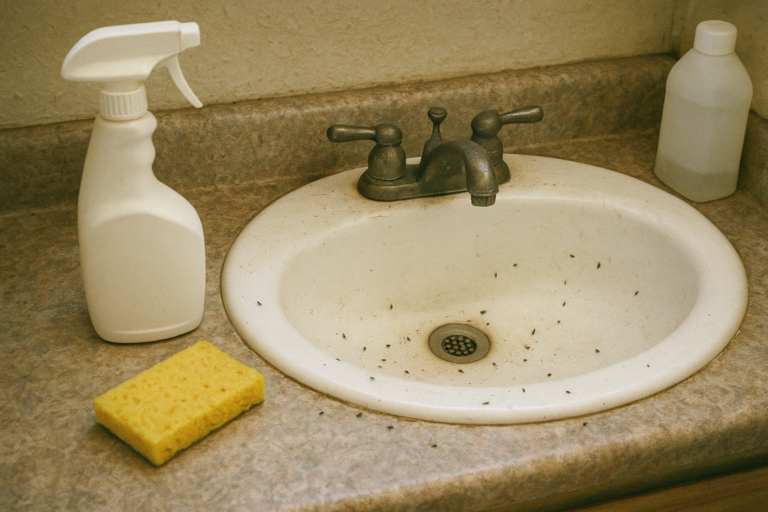
Drain gnats, sometimes called drain flies or moth flies, are typically drawn to the thin layer of organic film that builds up inside pipes over time. This film can include soap scum, hair, skin cells, and other debris that decomposes slowly. Baking soda and vinegar are popular because they’re inexpensive, already in most kitchens, and produce a visible fizzing reaction that feels like it’s doing something.
What I Use For This Job
Using the right tools saves time and protects your belongings. Here are my exact recommendations:
*As an Amazon Associate, TidyFormula earns from qualifying purchases.
That fizzing is a chemical reaction between an acid and a base, and it can help agitate loose debris on the surface of a drain. However, there’s no solid evidence that this reaction penetrates deep into pipe walls or reliably removes the kind of buildup that supports gnat larvae. Treat it as a mild assist rather than a stand-alone fix; if you prefer to avoid harsh chemicals entirely, the no-chemical sink drain methods describe longer, mechanical approaches that focus on physical removal of film and residue.
Step-by-Step: Cleaning a Drain for Gnats
- Remove the drain stopper or cover if your sink or tub allows it, and check for visible hair, soap residue, or debris caught just below the surface.
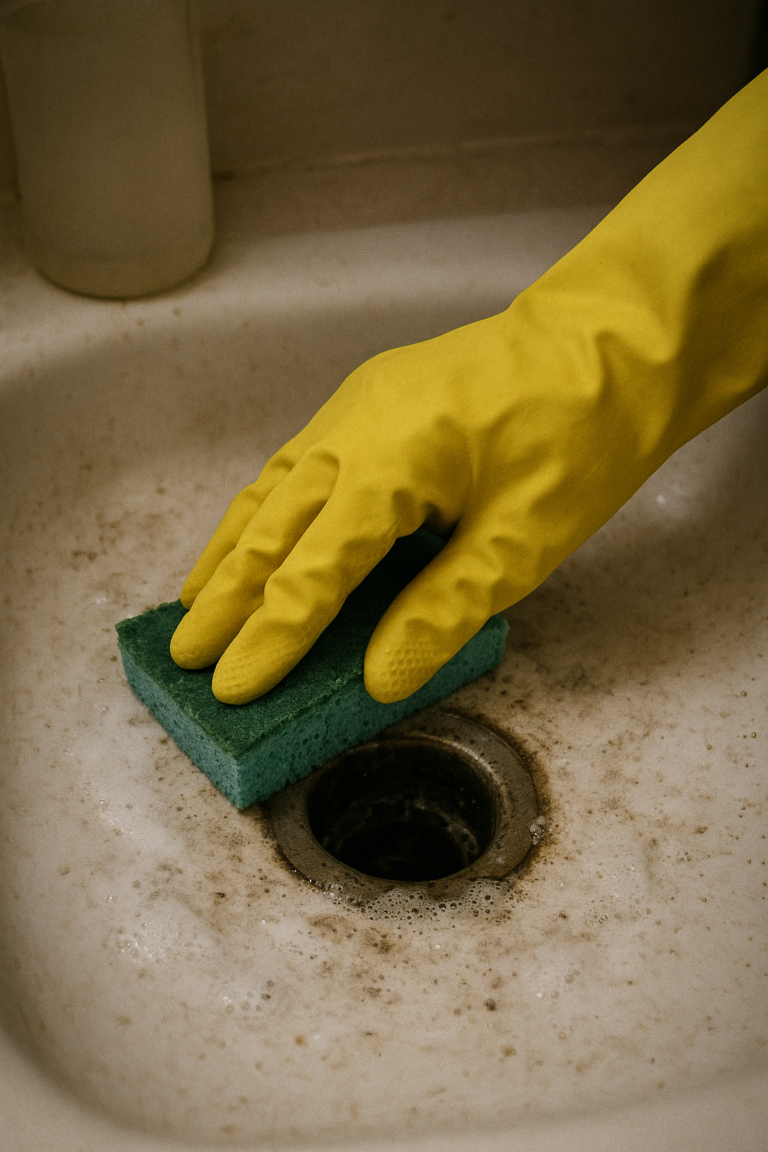
- Physically scrub what you can reach using a flexible drain brush or a bent wire tool designed for this purpose. This step does more to disrupt organic buildup than any liquid treatment alone.
- Flush the drain with hot water for a minute or two to help move loosened debris further down and out of the trap area.
- Pour in baking soda, following any package guidance for amount, then add vinegar and let the mixture fizz undisturbed for the time suggested on the product label.
- Follow with another hot water flush to help carry away what the fizzing loosened.
- Repeat over several days if gnats persist, since a single treatment often isn’t enough to fully disrupt an established buildup.
When This Method Falls Short
If gnats keep appearing after a few rounds of cleaning, the drain itself may not be the actual source. Gnats and small flying insects are also commonly drawn to:
- Overwatered houseplants or standing water in plant saucers
- Uncovered trash or recycling containers
- Overripe fruit or produce left out on counters
- Damp areas under sinks or around leaking pipes
Checking these areas alongside your drains can help you figure out whether the pipe is actually the breeding site or just a convenient place for gnats to rest. If ventilation is limited in a bathroom or closet, review guidance on preventing mold in windowless bathrooms, since persistent humidity often creates long-term insect and mold issues.
Material and Fixture Considerations
Baking soda and vinegar are generally considered mild when used in typical household amounts, but pipe materials, fittings, and fixture age can vary a lot from home to home. If you have older metal piping, a garbage disposal, or a drain system you’re unsure about, it’s worth checking any manufacturer documentation or care instructions before repeating this treatment often. When in doubt, a plumber can tell you whether your specific setup calls for extra caution.
Avoid combining vinegar with other household cleaning products beyond baking soda. Mixing unrelated chemical cleaners can create unpredictable reactions, so stick to one method at a time and rinse thoroughly with water between different cleaning approaches. For storing the right brushes, strainers, and cleaners so you can reach them quickly next time, consider tips for organizing cleaning supplies under the sink.
Prevention Going Forward
Once a drain is clean, staying ahead of buildup is usually easier than tackling an established gnat problem again. A few habits that can help:
- Run hot water through drains regularly, especially ones used less often, like guest bathroom sinks
- Use a drain strainer to catch hair and debris before it goes down the pipe
- Wipe down sink areas and remove standing water where you notice it collecting
- Empty and clean trash bins on a regular schedule
When to Call a Professional
If gnats persist despite consistent cleaning, or if you notice slow drainage, unusual odors, or signs of a deeper clog, it may be time to bring in a plumber. A recurring gnat problem that doesn’t respond to basic cleaning can sometimes point to buildup further down the line than household methods can reach, and a professional can inspect the pipe more thoroughly than a DIY approach allows.
Everything Mentioned Above
Before you leave, grab the tools you need to get the job done right the first time:
*As an Amazon Associate, TidyFormula earns from qualifying purchases.