How to Clean Victorinox Luggage Without Damaging the Fabric, Frame, or Finish
Victorinox luggage is built to handle years of travel, but even a well-made suitcase starts to show the trip after enough airport floors, baggage belts, dusty car trunks, and hotel closet storage. The fabric gets dull, the handle feels sticky, the wheels pick up grime, and the inside can start to smell stale even when the bag still looks structurally fine.
If you are searching for how to clean Victorinox luggage safely, the goal is not to soak it until it looks new again. The safer goal is to remove surface dirt, body oils, travel grime, and odor without over-wetting the materials that give the bag its shape. For most soft-sided Victorinox luggage, that means a low-moisture cleaning method works better than deep washing.
Quick Answer
Best method: Vacuum and brush away dry dirt first, then use mild soap foam on the fabric exterior, wipe away residue with a barely damp microfiber cloth, and clean the wheels, handles, and plastic trim separately.
- Best for: Soft-sided Victorinox luggage
- Mix: 1 teaspoon mild dish soap + 1 cup warm water
- Cleaning time: 20 to 30 minutes, plus drying time
- Result: Excellent for dust, surface grime, light odor, and routine maintenance
Why Victorinox Luggage Should Not Be Soaked
One of the biggest mistakes people make with luggage is treating it like a washable fabric tote or a pair of sneakers. That usually backfires. Many structured travel bags contain layers, backing materials, reinforcement panels, trim, and shaped sections that can react badly to excess water. Even if the outer shell survives, too much moisture can linger in the seams, behind the lining, or around the support structure.
What I Use For This Job
Using the right tools saves time and protects your belongings. Here are my exact recommendations:
*As an Amazon Associate, TidyFormula earns from qualifying purchases.
That is why careful surface cleaning is usually the safest choice. You are not trying to wash the entire suitcase from the inside out. You are trying to clean the parts that actually get dirty in real use: the exterior fabric, the grab handles, the telescoping handle, the wheels, the wheel housings, the zippers, and the lining.
If your bag is especially grimy and you want to see the same no-soak logic applied more broadly to travel fabrics, it makes sense to point readers toward how to clean dirty fabric luggage early in the article, because that is the closest related problem a reader may have before they even get to the brand-specific steps.
What You Need
- Mild dish soap
- Warm water
- A small bowl
- Soft brush or old toothbrush
- Microfiber cloths
- Vacuum with brush attachment
- Cotton swabs for seams and corners
- Rubbing alcohol for hard plastic parts only
- Baking soda or odor absorber for the interior if needed
How to Clean Victorinox Luggage Step by Step
1. Start by Removing Dry Dirt and Debris
Before any soap touches the luggage, remove everything that is loose and dry. Brush off dust and caked dirt from the exterior, especially around seams, corners, zipper tracks, front pockets, wheel wells, and the bottom edge of the bag. Then open the suitcase fully and vacuum the inside pockets, lining edges, and corners.
This step matters more than it looks. If you skip straight to water, you turn dust into mud and end up rubbing grit across the surface while trying to clean it. Dry removal gives you a better result and reduces the amount of scrubbing needed later.
2. Mix a Gentle Soap Solution and Use the Foam
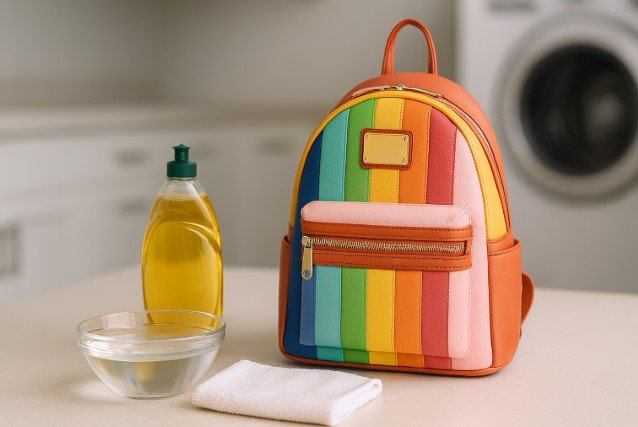
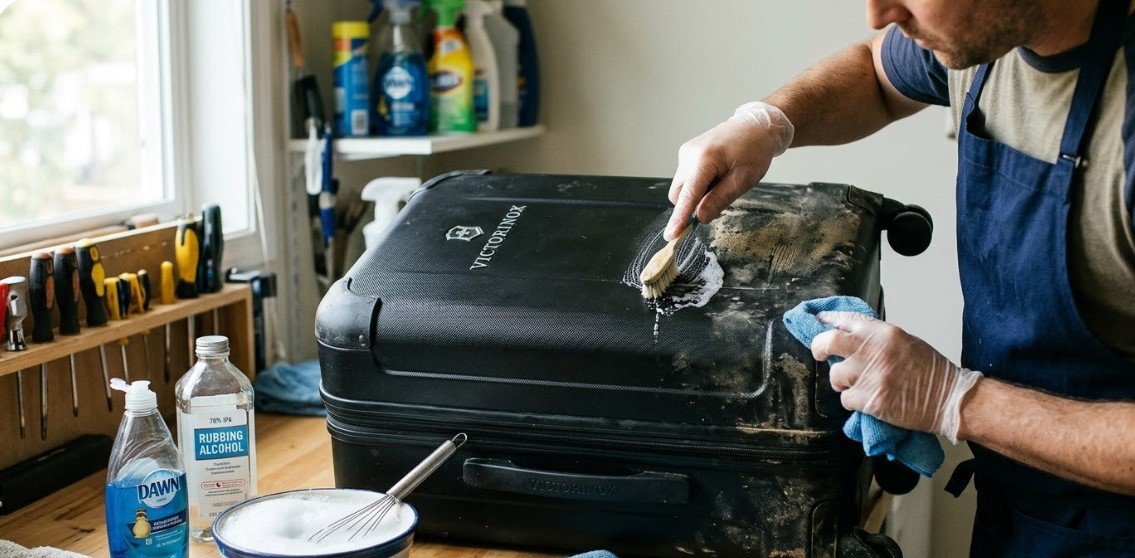
Add about 1 teaspoon of mild dish soap to 1 cup of warm water, then whisk until you get a light foam. You do not need a bucket of suds. The idea is to create enough foam that you can clean the surface with limited moisture.
That detail is important because foam gives you cleaning action without flooding the fabric. It helps loosen oils and dirt while keeping the suitcase from getting overly wet. For most Victorinox fabric luggage, this is a much safer approach than spraying the whole bag or scrubbing it with a soaked rag.
Why This Method Works
Mild soap helps break down oily residue and travel grime, while the foam keeps most of the water on the surface instead of letting it soak deep into the suitcase body.
3. Clean the Exterior Fabric One Small Section at a Time
Dip the brush into the foam, not the deeper water underneath, and work on one section at a time. Clean using small circular motions with light pressure. The front panel, top corners, side edges, and the area around the carry handles usually need the most attention.
Do not scrub aggressively. That often does more harm than good, especially on woven luggage fabric. The right pressure is enough to loosen dirt, not enough to rough up the finish or fuzz the fibers. If a stain is older and darker, repeat the process once or twice before deciding whether it is permanent.
This is also the right place for a related internal link to how to clean a luggage, because at this stage the reader is no longer dealing with a “Victorinox-only” issue. They are dealing with a mixed-material cleaning process that includes the body, trim, and overall maintenance of the suitcase.
4. Wipe Away the Dirty Foam Before It Dries
Once you clean a section, take a barely damp microfiber cloth and wipe the foam away immediately. Turn the cloth often so you are lifting dirt off the luggage rather than redistributing it across the panel. After that, you can go over the same area once more with a dry section of cloth to remove extra moisture.
This step makes a bigger visual difference than many people expect. In most cases, the bag will not come out looking brand new, but the surface should look noticeably cleaner, more even in color, and less dull from ground-in grime.
5. Clean Handles, Wheels, and Plastic Trim Separately
Handles, wheel housings, plastic feet, telescoping handles, and corner guards usually collect a different kind of dirt than the fabric body. Here you are dealing with hand oils, black transfer marks, dried road grime, and buildup from airport floors. These areas respond well to a cloth lightly dampened with rubbing alcohol or mild soapy water, depending on how dirty they are.
For the wheels, remove hair and thread first. Then wipe the wheel edges and the housing carefully. A cotton swab can help you reach into the tighter parts near the axle area. The goal here is not just looks. Cleaner wheels and housings also make the bag easier to maintain over time.
6. Clean the Interior Lining Lightly
The inside of the bag often needs less water than people think. Start by vacuuming the lining, pockets, and inner seams. If the lining has light dirt or a small spill mark, wipe it with a lightly damp cloth and a very small amount of mild soap. Then blot it dry.
If the bag smells stale, leave it open in a well-ventilated room until fully dry. Once the interior is dry, you can place baking soda in an open pouch or shallow container inside the suitcase overnight. That often helps with lingering smell without introducing more moisture.
If a reader’s real concern is not surface dirt but musty odor, this is the most natural place to link to fabric luggage cleaning earlier and, if you later create a dedicated odor piece, that future article would fit best here rather than in a random catch-all paragraph near the end.
What If Your Victorinox Luggage Is Hard-Shell?
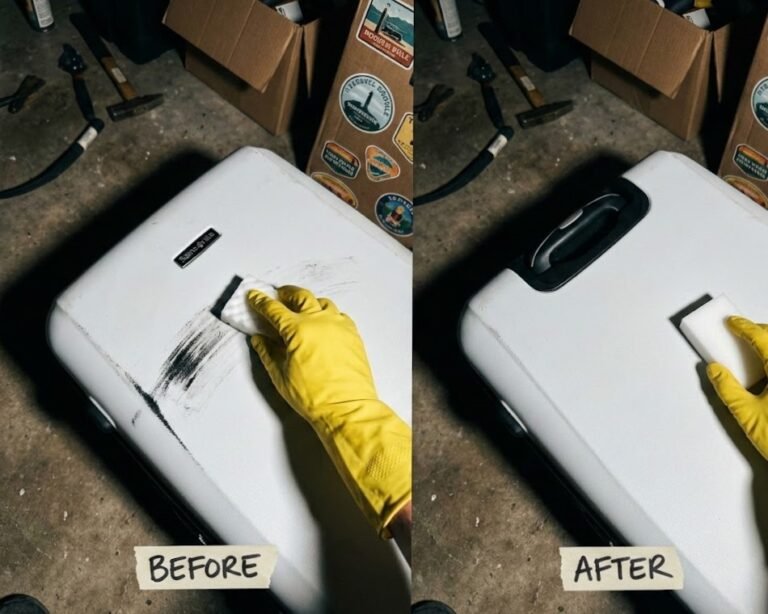
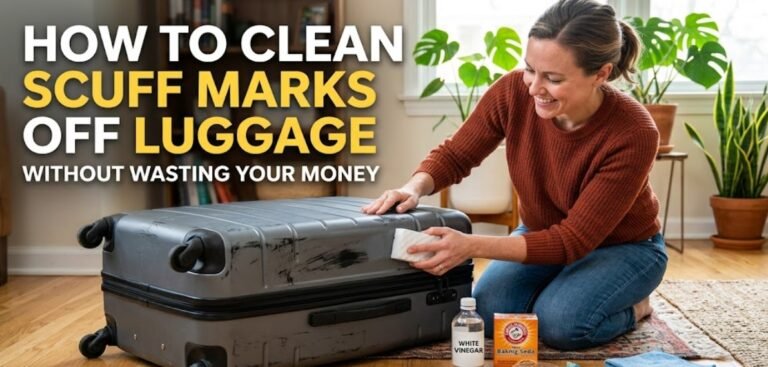
Some Victorinox luggage is not fabric at all. If your case is hard-shell, you should not use the exact same brushing routine across the entire exterior. Hard-shell bags are usually easier to wipe down, but they can show black scuffs, transfer marks, and dull spots more clearly.
In that situation, the most natural internal reference is how to clean Away luggage, because the cleaning challenge is similar: shell surfaces, scuff marks, careful wipe-downs, and finish-safe cleaning. This makes much more editorial sense than dropping a hard-shell link into an unrelated closing paragraph.
What This Method Can and Cannot Fix
This method works very well for ordinary travel dirt, dullness, light residue, and mild odor. It also helps with sticky handles and dirty trim. What it does not always fix is deep staining from oil, old dye transfer, fabric abrasion, or damage that has already changed the surface permanently.
That does not mean the cleaning failed. In many cases, a bag that is still functional only needs to look cleaner, smell better, and feel less grimy. That alone is a worthwhile improvement, especially before storage or your next trip.
How Often Should You Clean Victorinox Luggage?
A light clean after every few trips is usually enough. A deeper clean makes more sense after checked-luggage travel, rainy trips, beach vacations, winter road salt exposure, spills, or long-term storage. The longer dirt and oils stay on the bag, the harder they are to remove later.
Final Tip
If your suitcase still looks structurally solid, regular low-moisture cleaning is usually the best long-term strategy. It protects the materials better than aggressive washing, and it keeps the bag presentable without creating new problems in the lining, seams, or shape.
For official care, service, and support information, see the Victorinox Travel Gear FAQ.
FAQ
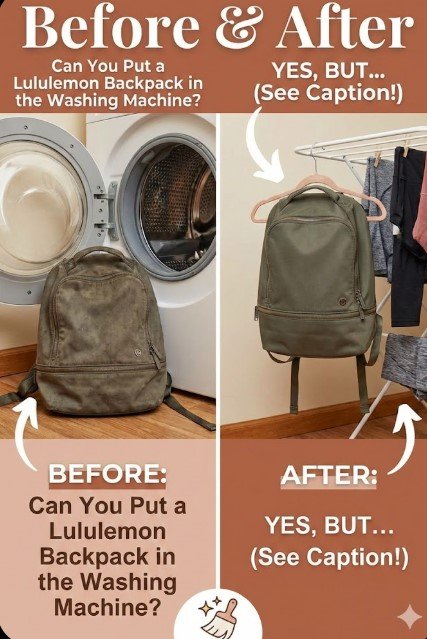
Can I put Victorinox luggage in the washing machine?
Usually no. Structured luggage should be surface-cleaned instead of machine-washed because heavy water exposure and agitation can damage the shape, lining, and support materials.
What is the safest cleaner for Victorinox luggage?
Mild dish soap diluted in warm water is the safest place to start for routine cleaning, especially on fabric luggage. Use it lightly and avoid soaking the bag.
Can I use rubbing alcohol on the fabric?
It is better reserved for hard plastic parts such as handles, trim, and wheel housings. For the main fabric body, mild soap is usually safer.
How do I clean the wheels?
Remove hair and debris first, then wipe the wheels and housings with a cloth. For oily buildup, a small amount of rubbing alcohol on the hard plastic parts can help.
How do I remove odor from the inside?
Vacuum the lining, wipe it lightly if needed, let it dry fully, and use baking soda or another odor absorber only after the interior is dry.
Will this make the suitcase look brand new again?
Not always. It works best for dirt, surface grime, and general buildup. Deep stains, scuffs, and worn fabric may improve without disappearing completely.
Everything Mentioned Above
Before you leave, grab the tools you need to get the job done right the first time:
*As an Amazon Associate, TidyFormula earns from qualifying purchases.