Why Does My Dishwasher Leave White Spots on Glasses
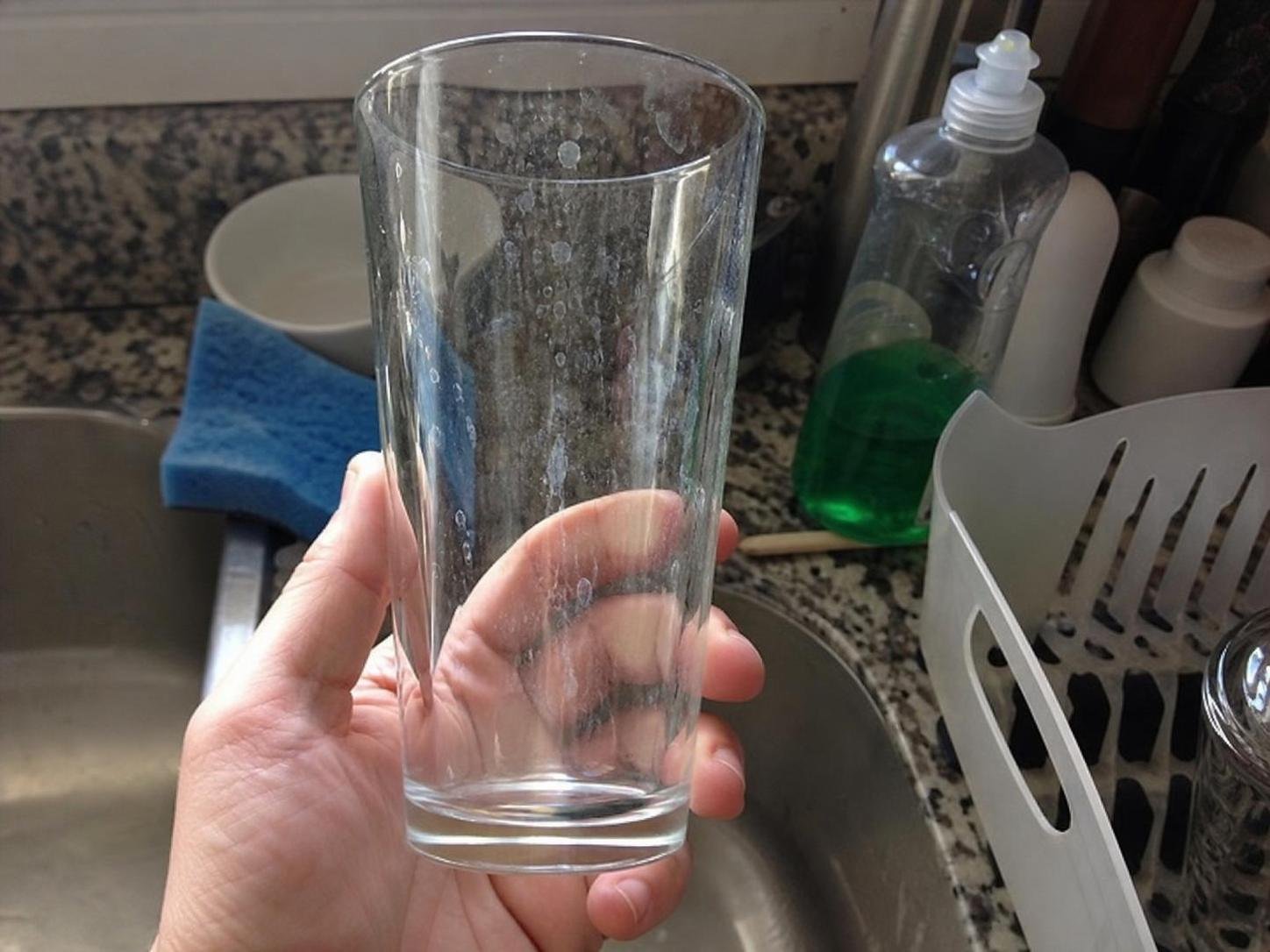
White spots on dishwasher glasses usually come from mineral deposits in hard water or detergent residue, not dirt. Start by checking whether the marks wipe off with white vinegar, then adjust your detergent amount, rinse aid, and loading routine. Cloudy glass that does not improve may be permanent etching, which cleaning cannot reverse.
The frustrating part is that mineral film, detergent residue, and etched glass can look similar at first glance. A quick check before changing every dishwasher setting helps you avoid wasting detergent or repeatedly washing already-damaged glasses.
⚡ The TidyFormula™ Quick Decision
Best approach: Wipe one spotted glass with white vinegar, then use the result to decide whether to address hard-water deposits or detergent-related residue.
Use caution with: Do not use abrasive pads or powders on glassware, and do not keep increasing detergent if your glasses are becoming permanently cloudy.
Replace instead of cleaning if: The glass has a rough, hazy, or rainbow-like cloudiness that remains after a gentle vinegar wipe and repeated normal washing adjustments.
What I Use For This Job
Using the right tools saves time and protects your belongings. Here are my exact recommendations:
*As an Amazon Associate, TidyFormula earns from qualifying purchases.
First, tell deposits from etched glass
The simplest troubleshooting step is to determine whether the white marks sit on the glass or are part of the glass surface. Mineral deposits and detergent film can usually be removed. Etching cannot.
- Choose one affected glass and let it cool completely if it has just come out of the dishwasher.
- Dampen a soft cloth with plain white vinegar and wipe a small cloudy or spotted area.
- Rinse the area with water and dry it with a lint-free towel.
- Check the result in good light. If the spots fade or disappear, they were likely mineral deposits. If the haze remains unchanged, especially if the glass feels rough or has an iridescent look, etching is more likely.
Vinegar is useful here as a small spot check, not as a reason to pour it into the dishwasher. Dishwasher manufacturers may give different instructions for appliance cleaning, so follow your dishwasher manual before using any cleaner inside the machine.
Fix removable white spots on glasses
For spots that respond to vinegar, clean the affected glasses by hand once, then correct the dishwasher conditions that allowed the film to build up. The goal is to remove the existing deposit without using harsh scrubbing.
- A basin or sink
- Plain white vinegar
- Warm water
- A soft dishcloth or nonabrasive sponge
- A lint-free towel
- Fill a basin with warm water and add enough white vinegar to make a mild soaking solution. Do not combine vinegar with detergent, bleach, or any other cleaning product.
- Place the glasses in the solution for a short soak, checking them periodically rather than leaving delicate glasses unattended for an extended period.
- Wipe the remaining spots gently with a soft cloth or nonabrasive sponge. Do not use steel wool, scouring powder, or a rough scrub pad.
- Rinse each glass thoroughly under clean water. Any vinegar or loosened mineral residue left behind can leave fresh marks as the glass dries.
- Dry with a lint-free towel, then inspect the glass. If the spots are gone, move on to dishwasher adjustments before the next load.

🧪 Why This Works
Hard-water minerals can remain on glass after the wash water dries, especially when water sheets unevenly during the final rinse. A gentle vinegar wipe can loosen that surface deposit. Better rinse aid use, sensible detergent dosing, and proper loading help water drain away more evenly so fewer minerals are left behind.
Adjust the dishwasher before the next load
If the spots were removable, the dishwasher likely needs a routine adjustment rather than stronger cleaning. Start with the settings and supplies that most often affect how water rinses from glassware.
Use rinse aid according to its label
Rinse aid helps final-rinse water run off glassware more evenly. Check that the rinse-aid dispenser contains product and is closing properly. If your dishwasher allows rinse-aid setting adjustments, make small changes and assess a few loads rather than moving immediately to the highest setting.
Use less detergent if you see a chalky film
Too much detergent can leave a pale film, particularly in soft water or lightly soiled loads. Use the detergent manufacturer’s directions as your starting point, but avoid filling a dispenser beyond what your dishwasher and detergent label call for. If glasses look filmy rather than dotted with distinct spots, reducing the amount slightly may help.
Check hard-water settings if your machine has them
Some dishwashers have a water-softener system or hardness setting. If yours does, consult the appliance instructions for the correct setting and approved dishwasher salt, if applicable. Do not add table salt or substitute products unless the manufacturer specifically permits them.
Give spray water a clear path
Glasses should sit securely with space between them so water can reach the inside and outside surfaces. Avoid nesting glasses, blocking the spray arms with tall cookware, or placing large items where they prevent water from circulating through the rack.
For plastic items, water spotting can be even more noticeable because water tends to cling to plastic surfaces. If you regularly wash reusable drinkware with printed designs or special coatings, check its care instructions first. This is especially important for sublimation and UV DTF cups that may have dishwasher limitations.
Common causes and the right correction
| What you see | Likely issue | What to do |
|---|---|---|
| Distinct white dots that disappear with vinegar | Hard-water mineral deposits | Use rinse aid, verify the dishwasher’s water-hardness settings if available, and avoid overcrowding glasses. |
| Cloudy or chalky film that improves after rinsing or rewashing | Detergent residue or poor rinsing | Use the detergent label as a guide, avoid overdosing, and check that spray arms and filters are not blocked. |
| Cloudiness that does not change with vinegar | Possible glass etching | Use less detergent, avoid overly aggressive wash settings for delicate glassware, and consider replacing badly affected glasses. |
| Spots mostly on upper-rack glasses | Loading pattern or restricted spray | Reposition tall items, confirm the upper spray arm can turn freely, and separate glasses so they do not touch. |
| White residue on many dishes, not only glasses | Broader rinse, detergent, or water-hardness issue | Check the filter, rinse-aid dispenser, detergent amount, and any manufacturer-directed water-softener system. |
Cleaning mistakes that can make the problem worse
A few common habits can turn occasional spotting into persistent haze. Correcting them is usually more useful than repeatedly hand-cleaning every glass.
- Using more detergent after seeing spots: More detergent is not always better. If the problem is residue or etching, adding more can worsen the appearance. Start with the product label and reduce excess rather than automatically increasing it.
- Skipping rinse aid because glasses look clean: Glasses can come out free of food debris but still dry with mineral marks. Refill rinse aid before deciding that detergent is the problem.
- Overloading the rack: Crowded glassware traps water and prevents full spray coverage. Leave a small gap between glasses and make sure they cannot knock together.
- Ignoring the dishwasher filter: A filter with visible debris can interfere with normal wash performance. Remove and clean it only as directed in your appliance manual, then reinstall it securely.
- Scrubbing glass with abrasive tools: Abrasives can scratch glass and make it appear permanently dull. Use a soft cloth, nonabrasive sponge, and light pressure instead.
- Running delicate glassware on the harshest cycle every time: Choose a gentler cycle when the glass manufacturer recommends one. Repeated harsh washing can contribute to permanent dullness on some glasses.
What to do if the first fix does not work
If vinegar removes some spots but not all of them, repeat the gentle hand-cleaning process once and then focus on dishwasher maintenance and loading. Persistent residue across several loads may point to a blocked spray arm, an improperly seated filter, an empty rinse-aid dispenser, or a water-hardness setting that needs review.
If the glass remains evenly cloudy after the vinegar check, stop trying stronger cleaners. The problem may be etching rather than removable buildup. You can still use lightly etched glasses for everyday drinks if their surface is smooth and intact, but replacement is the practical option if the appearance bothers you or the glass develops chips, cracks, or rough damage.
Keep glasses clearer between washes
Run the dishwasher soon enough that food residue does not dry heavily onto glassware, but do not prewash every item so thoroughly that detergent has little soil to work on. Load glasses at an angle where the rack design supports them, allow water to drain, and unload them after the cycle when they are cool enough to handle.
If you wash dishwasher-safe silicone ice trays alongside glassware, place them so they do not hold water above the glasses or interfere with the spray arms. Material-specific loading advice can help if you are unsure about washing silicone and plastic ice cube trays in the dishwasher.
Frequently Asked Questions
Can I put vinegar in the dishwasher to remove white spots?
It is better to use vinegar as a controlled hand-cleaning spot treatment for affected glasses unless your dishwasher manufacturer specifically approves a vinegar method for the appliance. Check the manual for approved dishwasher-cleaning products and procedures.
Why are my glasses cloudy but my plates look normal?
Glass shows mineral deposits, detergent film, and etching more clearly than many other materials. Glasses also tend to retain droplets around their rims, bases, and curved surfaces, where water can dry and leave visible marks.
Will a dishwasher cleaner fix white spots on glasses?
A dishwasher cleaner may help if appliance buildup is affecting wash performance, but it will not reverse etched glass. Follow the cleaner label and your dishwasher manufacturer’s instructions, then reassess detergent amount, rinse aid, loading, and water-hardness settings.
Can permanently etched glasses be restored?
Permanent etching generally cannot be cleaned away because the glass surface itself has changed. Avoid abrasive restoration attempts, which may scratch the glass further. Replace the glass if the haze is unacceptable or if there is any crack, chip, or rough damage.
The most reliable fix for white dishwasher spots is to confirm that they are removable mineral deposits, gently clean the affected glasses, and then improve rinsing conditions with proper rinse aid, sensible detergent use, and uncrowded loading. If vinegar does not change the cloudiness, treat it as possible etching and avoid harsher scrubbing.
Everything Mentioned Above
Before you leave, grab the tools you need to get the job done right the first time:
*As an Amazon Associate, TidyFormula earns from qualifying purchases.