How to Clean Dirty Window Sills
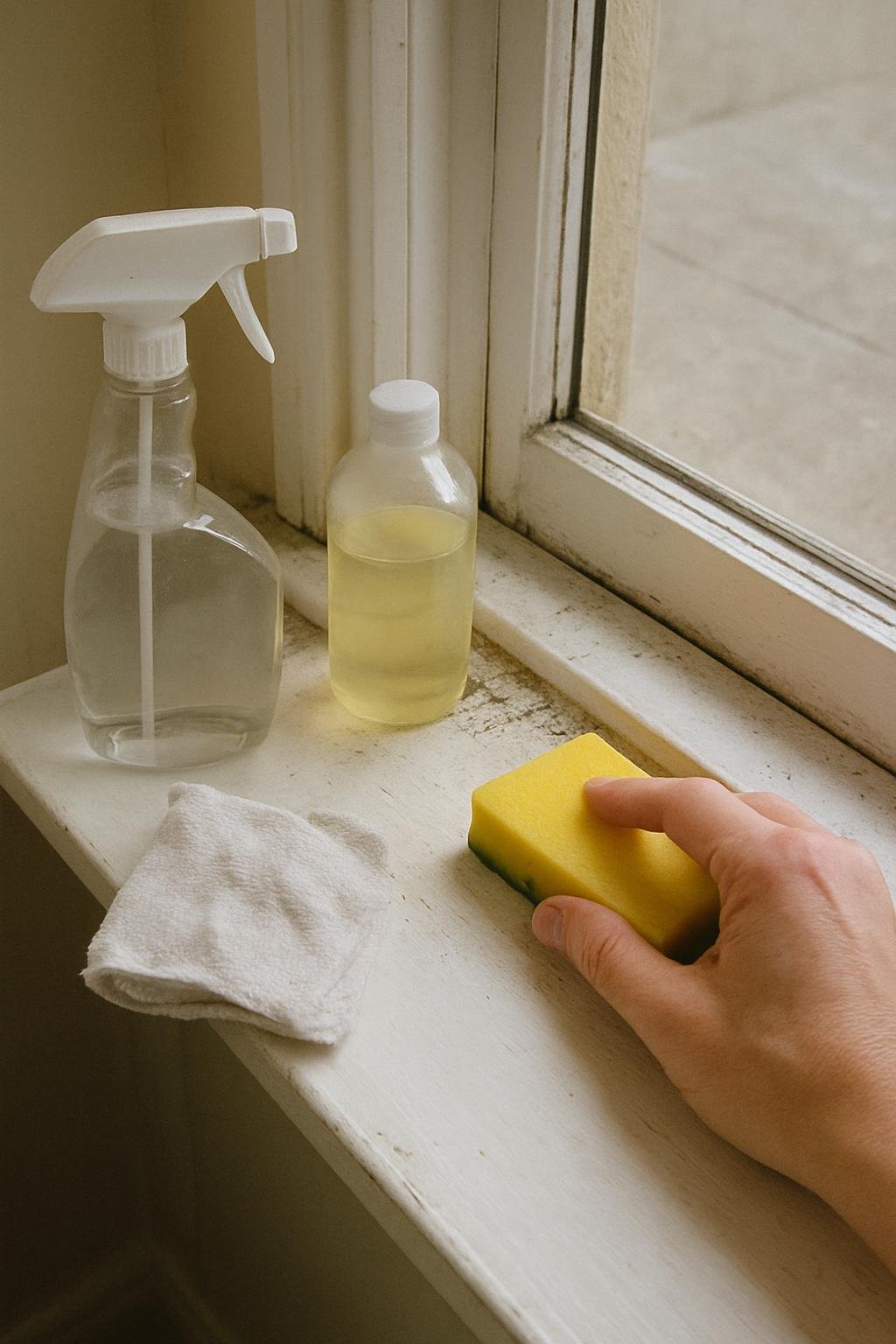
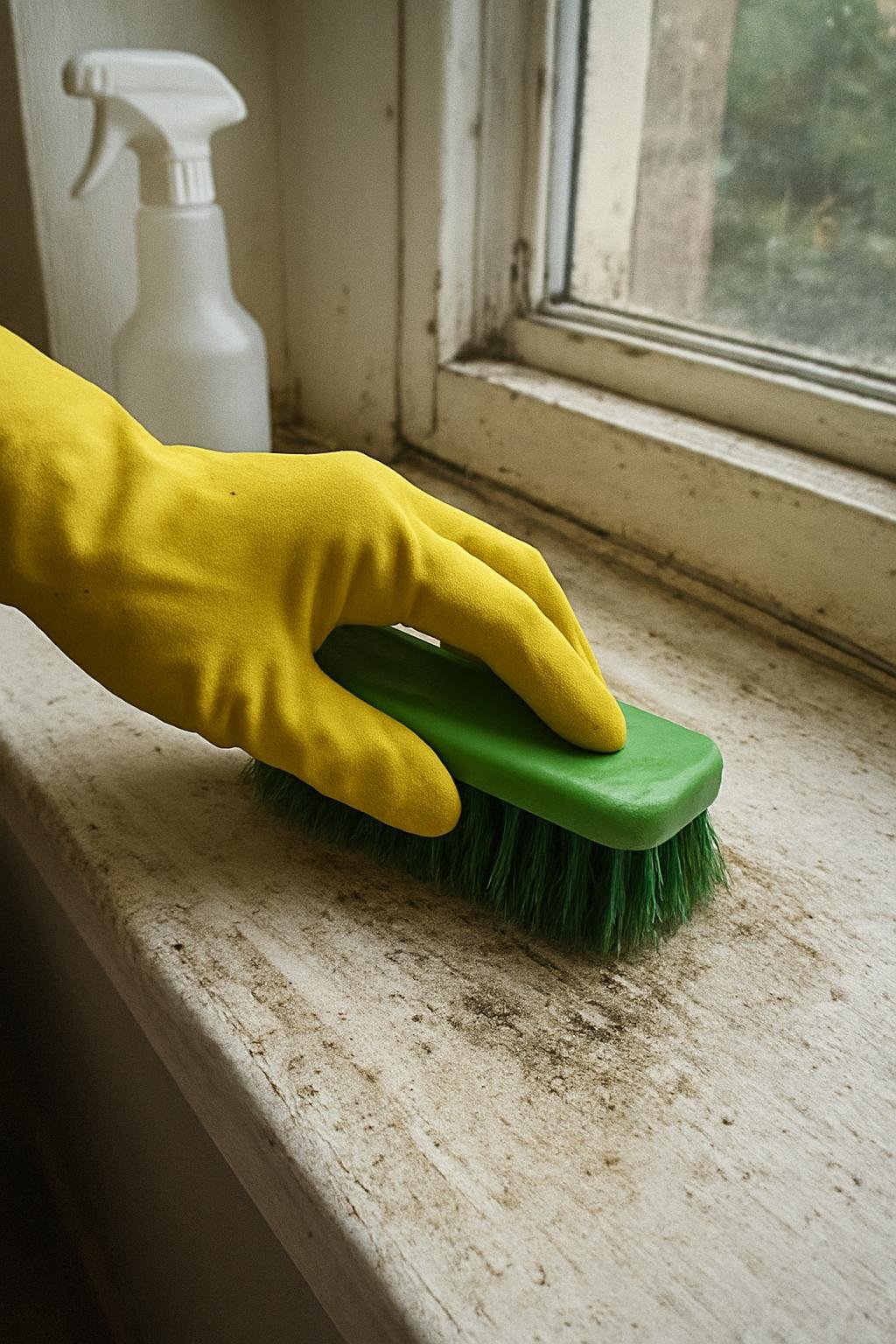
Clean dirty window sills by vacuuming loose debris first, then wiping with a soft cloth dampened in warm water and a mild dish soap solution. For grimy interior sills, a soft-bristle brush lifts dirt from corners and tracks. Avoid abrasive pads on painted or vinyl sills, since scrubbing too hard can dull finishes or scratch the surface.
Interior sills tend to collect dust and pet hair, while exterior sills often build up a sticky film of pollen, exhaust residue, and mildew streaks. The right approach depends partly on which side of the window you’re dealing with and what the sill is made of.
⚡ The TidyFormula™ Quick Decision
Best approach: Vacuum loose debris, then wipe with a soft cloth and a warm water and mild dish soap solution, using a soft-bristle brush for grooves and corners.
Use caution with: Painted, vinyl, and wood sills, which can be scratched by abrasive pads or damaged by excess moisture pooling in seams.
Stop and reassess if: You notice peeling paint, soft or spongy wood, or dark staining that doesn’t wipe away, since these signs point to moisture damage that cleaning alone won’t fix.
What I Use For This Job
Using the right tools saves time and protects your belongings. Here are my exact recommendations:
*As an Amazon Associate, TidyFormula earns from qualifying purchases.
Check the Sill Material Before You Start
Window sills come in several common materials, and each one tolerates cleaning products differently.
- Painted wood or vinyl: Handles mild soap and water well but can scratch with abrasive scrubbers or discolor with harsh solvents.
- Bare or stained wood: More sensitive to standing water, which can cause warping or dark water spots over time.
- Aluminum or vinyl track sills: Durable and easy to rinse, but tracks and weep holes trap grit that needs brushing or vacuuming out first.
- Stone or composite sills: Generally sturdy, though some natural stone finishes are sensitive to acidic cleaners.
If you’re not sure what your sill is made of, test any cleaner on a small, hidden section first and wait a few minutes to check for discoloration or texture changes.
Step-by-Step: Cleaning Dirty Window Sills
- Vacuum first. Use a vacuum with a crevice tool to remove loose dust, dead insects, and grit before introducing any moisture. This prevents you from turning dry dirt into mud.
- Mix a mild cleaning solution. Combine warm water with a few drops of dish soap in a bowl or spray bottle. This is gentle enough for most painted, vinyl, and sealed wood surfaces.
- Wipe with a soft, damp cloth. Work along the length of the sill rather than scrubbing in circles, which helps lift dirt without grinding it into the surface.
- Use a soft-bristle brush for grooves. An old toothbrush or detail brush reaches into corners, tracks, and weep holes where a cloth can’t go.
- Rinse and dry thoroughly. Wipe away soap residue with a clean, damp cloth, then dry the sill completely with a towel. Standing moisture is one of the more common reasons wood sills develop soft spots or discoloration over time.
Exterior Sills Need a Different Approach
Outdoor window sills face rain, pollen, and airborne grime that indoor sills don’t, so they often need more than a quick wipe. If you’re also tackling the glass itself, cleaning the sill first keeps drips and runoff from re-dirtying a window you’ve already cleaned. For streak-free glass afterward, see how to clean windows without streaks.
For heavier exterior buildup, a soft brush combined with the same mild soap solution usually handles dirt and light mildew streaks. Avoid pressure-washing wood or painted sills directly, since forced water can drive moisture behind trim or under paint. If you don’t have a squeegee on hand for the glass portion of the job, cleaning windows without a squeegee covers practical alternatives.
Cleaning Mistakes That Damage Sills
| Mistake | Why It’s a Problem | Better Approach |
|---|---|---|
| Scrubbing with abrasive pads or steel wool | Scratches paint, vinyl, and softer wood finishes | Use a soft cloth or soft-bristle brush instead |
| Leaving standing water on the sill | Can cause warping, soft spots, or dark staining on wood | Dry the sill fully with a towel after cleaning |
| Using strong solvents or undiluted cleaners | May discolor paint or damage certain finishes | Stick with a mild soap and water solution, and spot-test first |
| Ignoring the tracks and weep holes | Trapped grit and debris keep windows from sealing or draining properly | Vacuum and brush out tracks separately from the flat sill surface |
How Often to Clean Window Sills
Interior sills generally benefit from a quick dusting or vacuum every week or two, with a full wipe-down monthly in most households. Homes with pets, allergies, or high dust levels may need more frequent attention. Exterior sills usually need cleaning a few times a year, though homes near busy roads, construction, or heavy pollen exposure may need it more often.
If you’re cleaning the window sill near a window air conditioning unit, check that area separately, since condensation and dust from the unit can add to sill buildup. Cleaning a window AC unit without removing it can help you address that source directly.
When Cleaning Isn’t Enough
Regular cleaning handles dust, grime, and light mildew, but it won’t fix underlying damage. If you notice wood that feels soft or spongy, paint that’s bubbling or peeling, or persistent dark stains that don’t lift with soap and water, you’re likely looking at moisture intrusion rather than surface dirt. In that case, cleaning won’t solve the problem, and it’s worth having the sill inspected before the damage spreads to the surrounding wall or window frame.
Everything Mentioned Above
Before you leave, grab the tools you need to get the job done right the first time:
*As an Amazon Associate, TidyFormula earns from qualifying purchases.