How to Remove Static Cling
Static cling happens when fabrics rub together and build up an electrical charge, usually in dry indoor air. The fastest fixes are running a slightly damp hand or dryer sheet over the fabric, misting the item lightly with water, or adding moisture back into the room with a humidifier. For clothes already on your body, a metal object like a hanger or safety pin touched to the fabric can also help discharge the static.
⚡ The TidyFormula™ Quick Decision
Best approach: Add moisture back to the fabric or the air, since dry conditions are the main cause of static buildup. A dryer sheet, a light water mist, or a room humidifier usually resolves clinging fabric quickly.
Use caution with: Delicate fabrics, dry-clean-only garments, and materials with special finishes, since water misting or certain anti-static products may not be appropriate for every fabric type.
Stop and reassess if: The fabric shows water spotting, the care label prohibits moisture, or static keeps returning within minutes, which may point to a dryer setting or humidity issue rather than a one-time fix.
Why Static Cling Happens
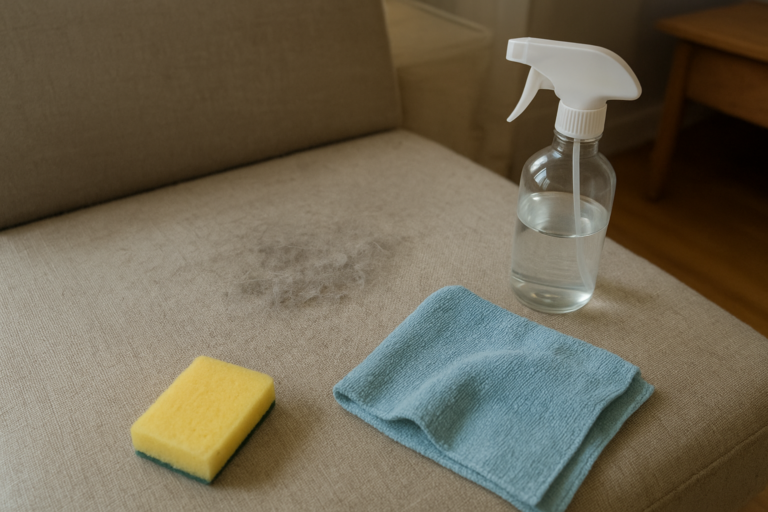
Static cling is caused by friction between fabrics, especially synthetic materials like polyester, nylon, and acrylic, which tend to hold an electrical charge more readily than natural fibers. Low humidity makes this worse because dry air doesn’t allow the charge to dissipate as easily. This is why static problems are often more noticeable in winter or in climate-controlled homes with forced-air heating.
What I Use For This Job
Using the right tools saves time and protects your belongings. Here are my exact recommendations:
*As an Amazon Associate, TidyFormula earns from qualifying purchases.
Quick Fixes for Clothes You’re Already Wearing
- Use a metal hanger or safety pin. Lightly run a metal object along the inside of the clinging fabric. Metal can help discharge static electricity from the fabric.
- Apply a small amount of lotion or moisturizer. Rubbing a thin layer onto your hands and then smoothing them over the fabric can reduce friction and static.
- Mist the fabric lightly with water. A fine mist from a spray bottle can add just enough moisture to relax the charge. Check the care label first if the garment is dry-clean-only or has a delicate finish.
- Rub a dryer sheet directly on the fabric. This is one of the most common on-the-go fixes and works well for most everyday clothing.
Preventing Static Cling in the Dryer
Since most static builds up during the drying cycle, adjusting your laundry routine can reduce how often you deal with it. See our Laundry Room Organization for a Small Space for practical tips on setting up a routine and layout that helps laundry flow efficiently.
- Avoid overdrying. Clothes that sit in the dryer longer than needed tend to develop more static, since low moisture content increases friction between fabrics.
- Separate synthetic fabrics from natural fibers when possible. Polyester and nylon are more prone to static, especially when mixed with cotton or wool in the same load.
- Use dryer sheets or wool dryer balls. Dryer sheets are designed to reduce static during tumbling. Wool dryer balls can help separate fabrics and reduce friction, though results vary depending on load size and fabric type.
- Consider a lower heat setting. High heat can dry fabrics out more aggressively, which may contribute to more static. Check your dryer’s manual for guidance on heat settings for different fabric types.
Addressing Static Cling with Home Humidity
If static cling seems to be a persistent household problem rather than an occasional laundry issue, dry indoor air may be the underlying cause. Running a humidifier, especially in bedrooms or laundry areas, can help keep humidity at a more comfortable level and reduce static buildup on clothing, upholstery, and even hair. Manufacturer guidance on ideal humidity ranges can vary, so refer to your humidifier’s instructions for recommended settings.
If you care for electric bedding, follow its specific instructions—see How to Clean an Electric Blanket Safely for guidance on moisture and cleaning methods that protect internal wiring and controllers.
If pet hair or transfer from pets is contributing to cling or pilling, you may also find tips for maintaining your washer helpful; for instance, see How to Remove Pet Hair from Washing Machine for washer-cleaning suggestions that improve overall laundry results.
Static Cling on Skirts, Dresses, and Slips
Static often shows up most noticeably when fabric clings to tights, slips, or bare legs. A light mist of water on the inside of the garment, or a quick pass with a dryer sheet before wearing, can help. Anti-static sprays made specifically for fabric are also widely available; follow the product label for application instructions and fabric compatibility.
Troubleshooting Persistent Static
If static keeps coming back no matter what you try, consider these possibilities:
- Your dryer’s heat setting may be too high for the fabrics in that load. Lowering the temperature or using a shorter cycle may help.
- Indoor humidity may be very low, particularly in winter. A hygrometer can help you check actual humidity levels in your home.
- Certain synthetic fabrics are simply more prone to static regardless of care routine. In these cases, an anti-static spray or dryer sheet used consistently may be the most practical ongoing solution.
Also check basic washer maintenance—clean the washing machine filter and the washing machine detergent drawer regularly, since trapped lint or detergent residue can affect how evenly items rinse and dry.
What to Avoid
Avoid soaking clothing in an attempt to eliminate static, since excess moisture can affect certain fabrics or finishes and may not dry evenly. Always check the care label before applying any spray, lotion, or anti-static product directly to clothing, and avoid combining multiple laundry or spray products unless the manufacturer specifically states they can be used together.
If garments feel stiff, clingy, or like they still hold residue after washing, see How to Remove Detergent Buildup from Clothes for safe methods to restore fabric hand and reduce cling caused by leftover detergent.
When to Call in Extra Help
For most households, static cling is a minor, temporary annoyance that responds well to simple fixes like moisture, dryer sheets, or lower heat settings. If static is unusually frequent, affects a wide range of fabrics, or seems tied to a specific appliance, it may be worth reviewing your dryer’s settings or consulting the appliance manufacturer’s guidance for fabric care recommendations.
Everything Mentioned Above
Before you leave, grab the tools you need to get the job done right the first time:
*As an Amazon Associate, TidyFormula earns from qualifying purchases.