
How to Remove Mildew Smell from Laundry: Quick, Safe Solutions
That musty mildew smell in laundry usually means bacteria or mold-related residue built up on damp fabric or inside your washing machine before things fully dried. The fix is a combination of a hotter, properly sized wash cycle, thorough drying, and addressing any lingering odor source in the washer itself—not just re-washing the same clothes over and over.
⚡ The TidyFormula™ Quick Decision
Best approach: Rewash musty-smelling laundry using the hottest water your care labels allow, avoid overloading the machine, and make sure items are fully dry within a few hours rather than sitting damp. If the smell persists after washing, the odor may be coming from the washing machine drum, gasket, or dispenser rather than the clothes.
Use caution with: Delicate fabrics, wool, silk, and anything with a “cold wash only” or “line dry” instruction, since hot water and high heat drying aren’t appropriate for every material.
Stop and reassess if: The smell returns immediately after every wash, in which case the washing machine itself likely needs attention rather than the laundry, or if fabric has visible dark spotting that doesn’t lift with normal washing.
Why Laundry Develops a Mildew Smell
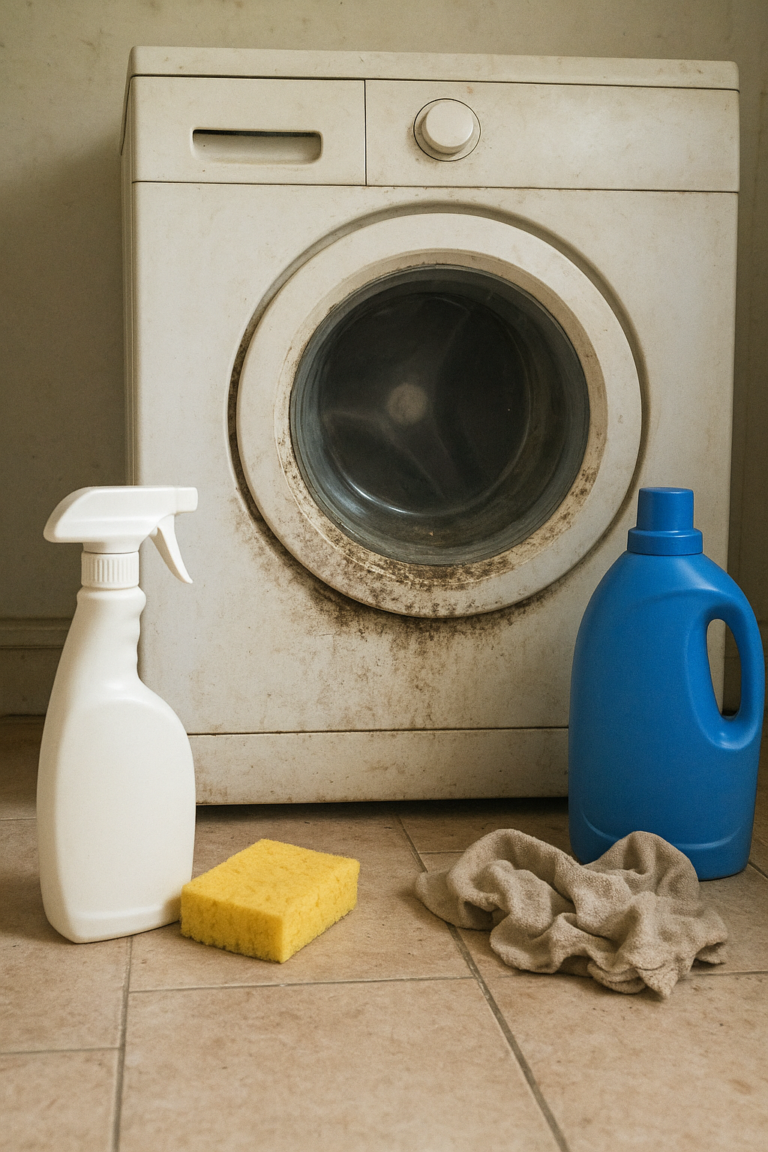
Musty odors in laundry typically develop when fabric stays damp for too long—left in the washer after the cycle ends, piled in a hamper while still slightly wet, or dried incompletely. Moisture combined with organic residue (skin oils, detergent buildup, fabric fibers) creates conditions where odor-causing growth can take hold. Front-load washers are often mentioned in this context because their rubber door gaskets can trap water and lint, but top-load machines can develop similar issues in the detergent dispenser or drum area.
What I Use For This Job
Using the right tools saves time and protects your belongings. Here are my exact recommendations:
*As an Amazon Associate, TidyFormula earns from qualifying purchases.
Step 1: Check Whether the Smell Is in the Clothes or the Machine
Before rewashing, it helps to identify the source. Run an empty hot-water cycle with no detergent or clothes. If the machine itself smells musty during or after that cycle, the odor is likely coming from the washer, not your laundry, and washing clothes again won’t solve it until the machine is addressed.
Signs the Machine May Be the Source
- A musty smell noticeable when you open the washer door, even when it’s empty
- Visible dark residue around the rubber door seal on front-load models
- Odor in the detergent or fabric softener dispenser
Step 2: Rewash Affected Laundry Properly
- Check care labels first. Look for water temperature and drying restrictions on each item before choosing a cycle.
- Use the warmest water the label allows. Warmer water generally helps loosen residue and odor better than cold water, but always defer to the garment’s care instructions over general advice.
- Avoid overloading the washer. Clothes need room to move freely in the water for detergent and rinsing to work effectively; a packed drum can leave residue behind.
- Use the amount of detergent recommended on your detergent’s packaging. Too much detergent can leave residue that contributes to odor over time, while too little may not clean effectively.
- Add an extra rinse cycle if your machine has that option. This can help clear out residue that contributes to lingering smells, particularly in high-efficiency machines that use less water per cycle.
If the odor still lingers after a proper rewash and full drying, follow our guide on how to get sour smell out of laundry after washing for targeted steps to remove persistent post-wash smells.
Step 3: Dry Thoroughly and Promptly
Incomplete drying is one of the most common reasons mildew smell returns. Follow the care label’s drying instructions, and consider these general practices:
- Move laundry from the washer to the dryer or line as soon as the cycle ends—don’t let clean, wet clothes sit for hours.
- Avoid packing the dryer too full, since air needs to circulate for fabric to dry evenly.
- If line-drying, choose a location with good airflow; a damp, poorly ventilated space can slow drying and allow odor to develop again.
- Check that thick items like towels and jeans are dry all the way through, not just on the surface.
Addressing Odor in the Washing Machine
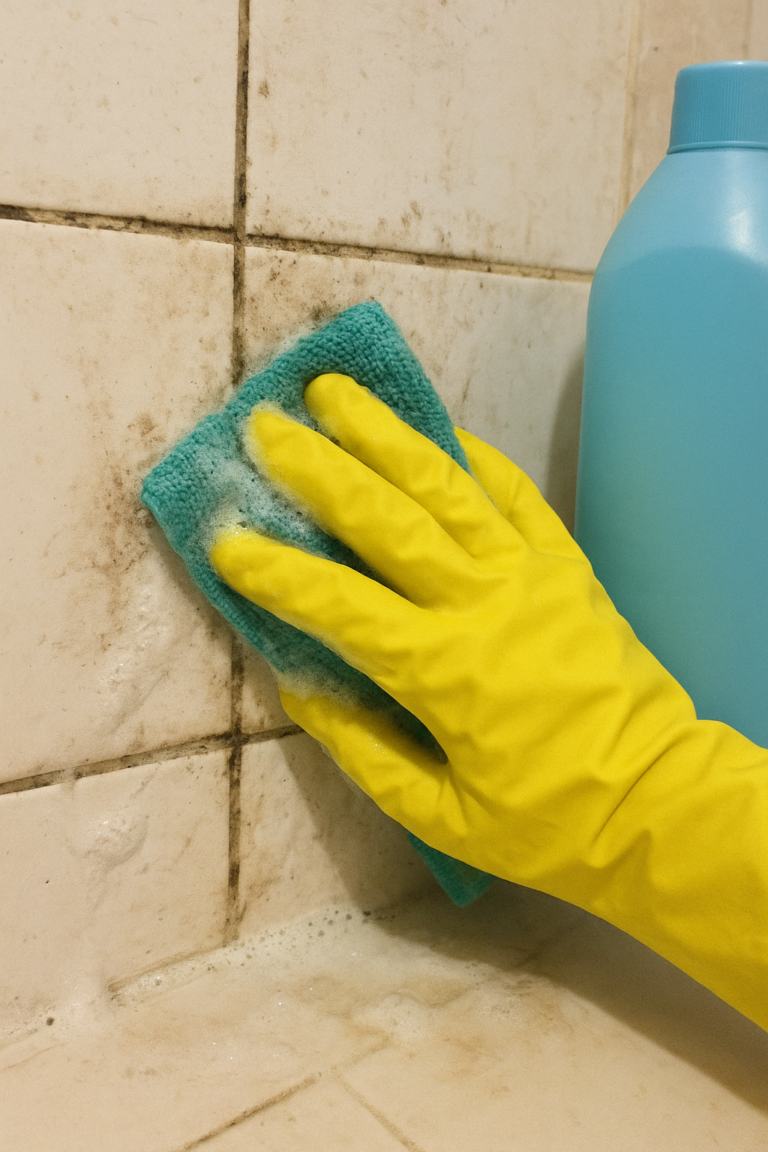
If the empty-cycle test suggests the machine is the source, check your washer’s owner’s manual for manufacturer-recommended cleaning cycles or maintenance products designed for that specific model. Many washers include a self-clean or tub-clean cycle intended for this purpose; see our notes on why a machine can still smell after cleaning and what parts to target. For front-load machines, gently wiping down the rubber door gasket after each use and leaving the door slightly open between loads (when practical) can help reduce moisture buildup in that area. Also be sure to inspect and clean the washing machine filter and the detergent drawer periodically, since trapped lint, hair, and residue in those spots are common odor sources. Manufacturer instructions vary significantly between brands and models, so it’s worth reviewing your specific washer’s documentation rather than relying on generic advice.
Troubleshooting Persistent Odor
| Situation | Likely Cause | Next Step |
|---|---|---|
| Smell returns right after washing, even on hot | Residue buildup in the machine | Run an empty hot cycle to test; consult manual for cleaning cycle |
| Smell present only on towels/gym clothes | Items sat damp too long before washing | Wash promptly after use; avoid piling damp items in a closed hamper |
| Smell after line-drying | Insufficient airflow or humidity | Dry indoors with better ventilation or use the dryer per care label |
| Smell on stored linens/clothes | Items stored while slightly damp | Ensure items are fully dry before folding and storing |
Preventing Mildew Smell Going Forward
- Transfer wet laundry to the dryer or line promptly rather than leaving it in the washer.
- Avoid letting damp gym clothes, towels, or swimsuits sit in a closed hamper for extended periods.
- Leave the washer door or lid open slightly between loads, if your household and manufacturer guidance allow it, to let the drum air out.
- Wipe down door gaskets and dispenser drawers periodically on machines where that’s accessible.
- Store folded laundry only once it’s completely dry, since even slight residual dampness can lead to odor over time in a closed drawer or closet.
When to Consider Professional Help or Replacement
If odor persists after trying the empty-cycle test, manufacturer-recommended cleaning cycles, and proper drying habits, it may be worth having the washing machine inspected by a qualified appliance technician, particularly if you suspect an issue with drainage or an internal component that isn’t accessible for regular cleaning. For laundry items that retain a musty smell even after multiple proper washes and full drying, it may indicate the fabric has absorbed odor at a level that’s difficult to reverse, and replacement of that specific item may be more practical than continued treatment.
Everything Mentioned Above
Before you leave, grab the tools you need to get the job done right the first time:
*As an Amazon Associate, TidyFormula earns from qualifying purchases.