
Fabric Sanitiser Spray: Practical Odor Removal Tips and Safe Usage (Preserving Primary Keyword)
Fabric sanitizer spray is a laundry aid designed to freshen fabrics between washes and address odors on items that can’t always be washed as often as you’d like, such as upholstery, mattresses, or activewear. It’s typically sprayed directly on fabric and allowed to air dry, but results and suitability vary by fabric type and by the specific product’s label instructions.
⚡ The TidyFormula™ Quick Decision
Best approach: Spot-test on a hidden area first, then apply a light, even mist to clean, dry fabric and let it air dry fully before use, following the specific product label for application distance and any wait time.
Use caution with: Delicate fabrics like silk and rayon, leather, suede, and any item marked “dry clean only,” since sprays can cause spotting, staining, or texture changes on sensitive materials.
Stop and reassess if: You notice discoloration, water spots, stiffening, or a lingering odor after drying—these are signs the product may not be compatible with that fabric, and you should consult the care label or contact the manufacturer.
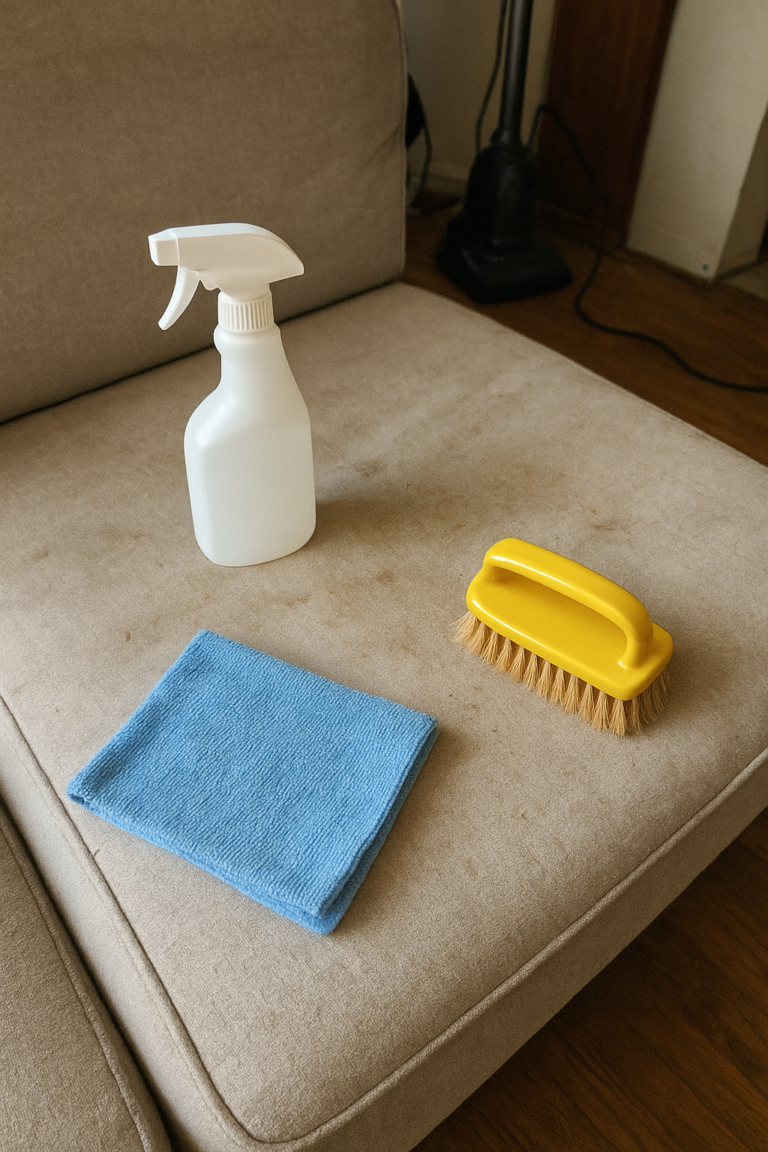
What Fabric Sanitizer Spray Actually Does
These sprays are formulated to reduce odors on textiles and leave a light, clean scent behind. Marketing language varies by brand, and claims about eliminating odor-causing bacteria or “sanitizing” fabric should be evaluated against the specific product’s label, since actual performance depends on the formula, contact time, and how the product is used. This article focuses on practical application and fabric care, not on verifying manufacturer performance claims.
What I Use For This Job
Using the right tools saves time and protects your belongings. Here are my exact recommendations:
*As an Amazon Associate, TidyFormula earns from qualifying purchases.
Where It’s Commonly Used
- Upholstered furniture and mattresses that can’t go in a washing machine
- Car interiors, including seats and floor mats
- Athletic gear, shoes, and gym bags between washes
- Curtains, throw pillows, and area rugs
- Pet bedding and blankets (check pet-safety guidance on the label)
Always check the care label on the item itself before spraying, since fiber content and finish can change how a product interacts with the fabric.
How to Apply Fabric Sanitizer Spray
- Read the label first. Manufacturer instructions vary by brand and formula, so check for any guidance on spray distance, ventilation, or fabric compatibility before starting.
- Spot-test in an inconspicuous area. Apply a small amount to a hidden section of the fabric, let it dry completely, and check for spotting, color change, or texture change before treating the whole item.
- Ventilate the space. Open a window or turn on a fan, especially in smaller rooms like closets or car interiors.
- Hold the bottle at the distance recommended on the label and mist evenly across the surface. Avoid soaking the fabric; a light, even application is usually sufficient.
- Avoid mixing products. Do not combine fabric sanitizer spray with bleach, ammonia, or other cleaning chemicals, and don’t layer it with other sprays without checking compatibility.
- Let the item air dry fully before use, storage, or covering it with anything else. Drying time will vary depending on fabric thickness, humidity, and airflow.
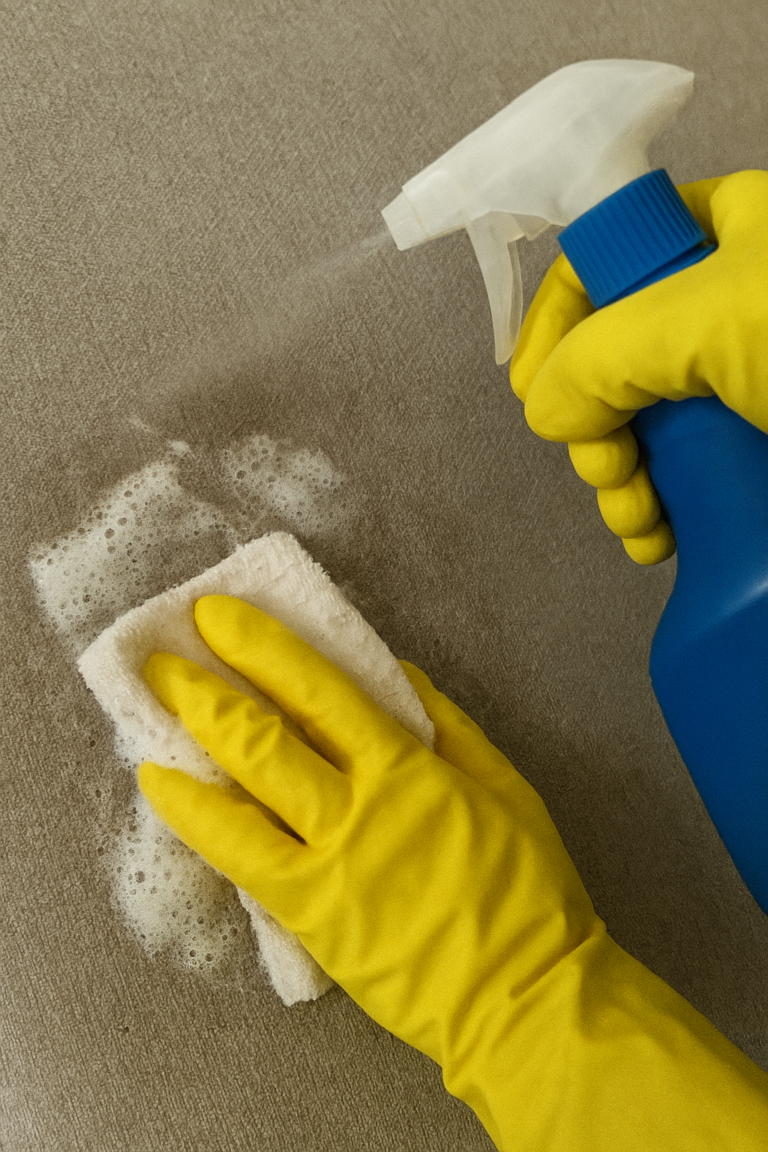
Material-Specific Considerations
Cotton and Polyester Blends
These fibers tend to be more tolerant of light misting, but always spot-test first, particularly on colored or printed fabric where dye transfer or fading is a possibility.
Silk, Rayon, and Other Delicate Fibers
These fabrics are more prone to water spotting and texture changes. If the care label says “dry clean only” or “spot clean only,” treat that as a signal to avoid spraying unless the manufacturer specifically states the product is safe for that fiber.
Leather and Suede
Fabric sanitizer sprays are generally intended for textiles, not leather or suede. Using one on these materials could affect the finish or texture, so check whether the product is labeled safe for leather before applying, and when in doubt, use a product designed specifically for leather care instead.
Upholstery and Mattresses
Look for an upholstery care tag (often found under cushions or on furniture frames) that indicates whether water-based products are appropriate. A “W” code generally suggests water-based cleaners may be used with caution, while an “S” code typically calls for solvent-based products only—check your specific furniture manufacturer’s guidance, since codes and recommendations can vary.
Troubleshooting Common Issues
- Lingering odor after drying: This may mean the fabric needs a deeper clean, such as machine washing if possible, rather than surface spraying alone.
- Visible spotting or water marks: Blot the area gently with a clean, dry cloth and allow it to air dry away from direct heat. If spotting persists, the fabric may not be compatible with the product.
- Stiff or crunchy texture after drying: This can happen with heavier application or on certain fiber types. Light, even misting and full drying time typically help minimize this.
Drying and Aftercare
Give sprayed fabric plenty of time to air dry in a well-ventilated area before sitting on it, wearing it, or covering it with bedding or a slipcover. Drying time depends on fabric density, ambient humidity, and airflow, so there’s no single fixed wait time that applies to every situation—when in doubt, wait longer rather than risk trapping moisture in the fibers. For bulky items (for example, a mattress topper), follow the item’s care guidance to ensure thorough drying.
Prevention and Maintenance Tips
- Rotate and air out items like gym bags, shoes, and car mats regularly to reduce the buildup of odors between treatments.
- Vacuum upholstery and mattresses periodically, since surface debris can affect how well a spray performs and dries.
- Store fabric sanitizer spray according to the label, typically in a cool, dry place away from direct sunlight and out of reach of children and pets.
- Replace or wash items that can be laundered on a regular schedule rather than relying solely on sprays for long-term freshness.
When to Choose Washing Over Spraying
If an item is machine washable, laundering according to its care label will generally address odor and residue more thoroughly than a surface spray. Fabric sanitizer spray is best thought of as a supplement for items that can’t be washed conveniently or frequently, not a full substitute for regular laundering. For examples and step-by-step advice on removing specific fabric odors and deep-cleaning upholstery or bedding, see our guides on deodorizing mattresses and removing persistent smells from soft surfaces like pillows.
Everything Mentioned Above
Before you leave, grab the tools you need to get the job done right the first time:
*As an Amazon Associate, TidyFormula earns from qualifying purchases.