DIY Laundry Soap: Easy Do-It-Yourself Laundry Soap Solution
Yes, you can make a basic do-it-yourself laundry soap at home using grated bar soap, washing soda, and (optionally) borax, but results vary by water hardness, washer type, and fabric type. Homemade laundry soap can work well for everyday lightly soiled loads, though it generally isn’t formulated to match the stain-fighting or fabric-care performance of commercial detergents designed for specific washers and fabrics.
⚡ The TidyFormula™ Quick Decision
Best approach: Use a simple grated bar soap, washing soda, and water combination for everyday laundry, and test it on a small load first to see how it performs with your washer and water supply.
Use caution with: High-efficiency (HE) washers, delicate or specialty fabrics, hard water, and any care label that specifies a particular detergent type—check your washer’s manual and garment labels before switching.
Stop and reassess if: You notice soap residue, stiff or dingy fabric, poor sudsing performance in an HE machine, or persistent odor buildup after several washes with homemade soap.
What Goes Into DIY Laundry Soap
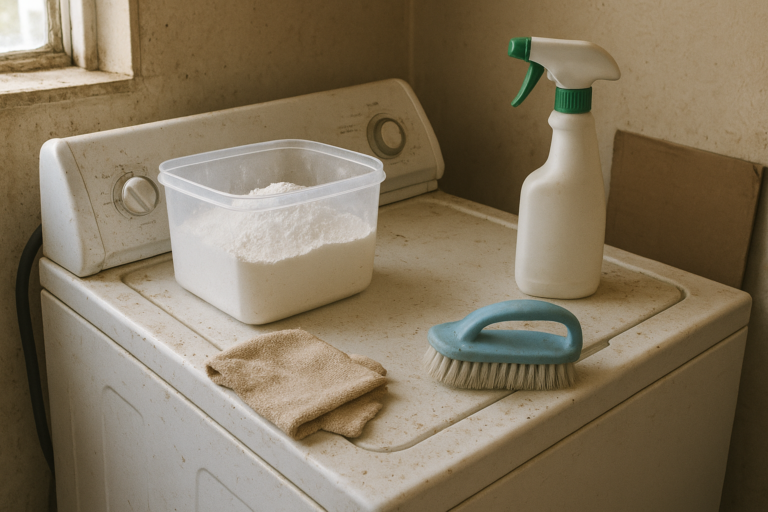
Most homemade laundry soap recipes rely on a small set of common ingredients: a bar of soap (often a mild, unscented variety), washing soda (sodium carbonate), and sometimes borax. Some people also add baking soda for extra freshness or a bit of liquid castile soap for a liquid version. These ingredients are widely used in home laundry recipes, but formulations and results can differ depending on brand, water hardness, and how finely the soap is grated.
What I Use For This Job
Using the right tools saves time and protects your belongings. Here are my exact recommendations:
*As an Amazon Associate, TidyFormula earns from qualifying purchases.
A Basic Dry Recipe
A commonly used starting point is one grated bar of soap combined with roughly equal parts washing soda and borax, mixed thoroughly and stored in a sealed container. Many households use a small scoop per load, adjusting up or down based on load size and soil level. Because water hardness and machine type affect performance, treat any measurement as a flexible starting point rather than a fixed rule, and adjust based on how your laundry actually turns out.
A Basic Liquid Version
A liquid version typically involves dissolving grated soap in hot water, then combining it with washing soda dissolved in additional water, and letting the mixture cool and thicken. Liquid versions can separate or gel over time, so most people stir or shake the container before each use.
Preparing to Make Your Own Laundry Soap
- Choose your soap carefully. A plain, mild bar soap is commonly used. Heavily scented or moisturizing bars may behave differently in the wash.
- Grate the soap finely. A fine grate or food processor helps the soap dissolve more evenly, which can reduce the chance of leftover soap flecks on clothing.
- Gather washing soda and borax if you plan to use them. These are sold separately from laundry detergent in most stores. Some people choose to skip borax due to personal sensitivity or preference; this is a personal choice rather than a required ingredient.
- Choose a storage container. An airtight container helps keep dry soap from clumping and keeps liquid versions from drying out.
Checking Your Washer and Fabric Labels First
Before switching to homemade laundry soap, check your washing machine’s manual, especially if you have a high-efficiency (HE) machine. HE washers are generally designed around detergents formulated to produce lower suds, and manufacturer guidance may specify what types of cleaning products are appropriate for the machine. Homemade soap recipes are not HE detergent, and using them may or may not be suitable depending on your specific machine—when in doubt, follow your washer manufacturer’s instructions.
If your machine shows excess suds, odors, or poor rinse performance, check and clean the washing machine filter as part of basic maintenance. Also remove and clean the detergent drawer if it’s musty or clogged, since buildup there can affect dispensing and rinse performance.
Also check garment care labels. Some fabrics, finishes, or specialty items (such as flame-resistant clothing, certain wool items, or garments with specific care instructions) may have detergent requirements that a homemade recipe isn’t designed to meet. When a care label specifies a particular type of detergent or washing method, follow that guidance over a general homemade recipe.
How to Use DIY Laundry Soap
- Start with a small amount. It’s easier to add more soap than to deal with residue from using too much.
- Use warmer water for dry recipes when possible. Warmer water can help dry soap mixtures dissolve more completely, though always follow the fabric care label for water temperature limits.
- Shake or stir liquid versions before each use. Liquid homemade soap can settle or separate between washes.
- Watch for suds. If your washer is producing far more or far less suds than expected, that may be a sign to adjust the amount used.
Troubleshooting Common Issues
White Residue or Streaks on Clothes
This can happen when soap doesn’t fully dissolve or rinse away, particularly in colder water or hard water conditions. Using less soap, warmer water where the fabric label allows, or an extra rinse cycle may help; see our guide on removing detergent buildup from clothes for steps to clear persistent residue.
Clothes Feel Stiff or Look Dingy Over Time
Homemade soap can sometimes build up on fabric fibers over repeated washes, especially with hard water. Some people address this with an occasional extra rinse, though results vary by water supply and fabric type. If fabrics develop a sour odor after washing, follow our steps to get sour smell out of laundry.
Poor Performance in HE Washers
If you notice error codes, excess suds, or the machine behaving unexpectedly, this may indicate the homemade recipe isn’t compatible with your specific HE machine. Refer to your washer’s manual, and consider switching back to a detergent labeled as HE-compatible if problems persist.
Storage and Shelf Life
Store dry homemade laundry soap in a sealed, labeled container away from moisture to prevent clumping. Liquid versions are typically best used within a reasonable timeframe and kept in a container with a secure lid, since homemade mixtures don’t have the same preservatives as many commercial products. If you notice an unusual smell, separation that doesn’t remix, or visible mold, it’s reasonable to discard the batch and make a fresh one rather than risk a poor wash result. If your washer has trapped lint or pet hair, that debris can contribute to odors—learn how to remove pet hair from the washing machine to help keep the appliance fresh.
When Homemade Soap May Not Be the Right Choice
Homemade laundry soap isn’t necessarily the best fit for every household. Families managing heavily soiled workwear, athletic gear, or fabrics with specific care requirements may find commercial detergents more reliable and consistent. Anyone with known skin sensitivities to specific ingredients may want to review ingredient lists carefully or consult the product packaging of individual ingredients before use. If you’re ever uncertain about whether a homemade recipe is appropriate for a specific fabric, appliance, or situation, following the manufacturer’s or care label’s instructions is the more cautious choice.
Final Thoughts
DIY laundry soap can be a practical, lower-cost option for many everyday laundry loads, but it works best when you treat recipes as flexible starting points and pay attention to how your specific washer and fabrics respond. Checking your washing machine manual and garment care labels before switching helps you avoid most common problems, and adjusting your homemade recipe over time based on real results is more useful than following any single formula exactly.
Everything Mentioned Above
Before you leave, grab the tools you need to get the job done right the first time:
*As an Amazon Associate, TidyFormula earns from qualifying purchases.