What Is Borax Used For: A Practical Guide to Borax Uses
Borax is a mineral-based powder (sodium borate) most commonly used as a laundry booster, an all-purpose cleaning aid, and a component in DIY cleaning pastes and slow-release deodorizers. It helps loosen stains, soften water, and lift grime on many hard surfaces, though it should always be used with attention to care labels and manufacturer instructions since it’s not appropriate for every material or fabric.
⚡ The TidyFormula™ Quick Decision
Best approach: Dissolve borax completely in water before using it as a laundry additive, an all-purpose cleaning solution, or a scrub paste on sealed, non-porous surfaces like tile or sinks.
Use caution with: Natural stone, unsealed wood, delicate or hand-wash-only fabrics, and any surface where the manufacturer or care label doesn’t specifically address borax or similar mineral cleaners.
Stop and reassess if: You notice dulling, discoloration, residue buildup, or any change in surface texture after a test application, or if a care label advises against alkaline or mineral-based cleaners.
What Borax Actually Is
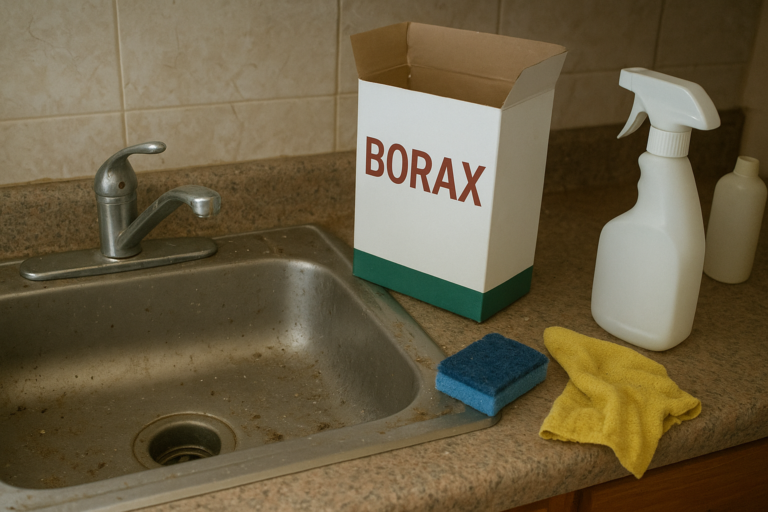
Borax is a naturally occurring mineral compound that’s been sold for generations as a household cleaning and laundry aid. It’s typically found in the laundry aisle as a white, granular powder. Because it’s mildly alkaline, it can help with grease-cutting and stain-loosening tasks, but it’s not a disinfectant, and no claims should be assumed about its ability to kill germs, mold, or allergens unless a specific product label states otherwise.
What I Use For This Job
Using the right tools saves time and protects your belongings. Here are my exact recommendations:
*As an Amazon Associate, TidyFormula earns from qualifying purchases.
Common Household Uses for Borax
Laundry Booster
One of the most familiar uses for borax is adding it to a wash load alongside regular detergent. Many people use it to help with water softening and to give detergent an extra boost on ground-in stains or musty odors. Always follow the amount suggested on the product packaging, and check your washing machine’s manual and the care labels on your clothing, since some fabrics or specialty finishes may not tolerate added mineral boosters well.
General Household Cleaning
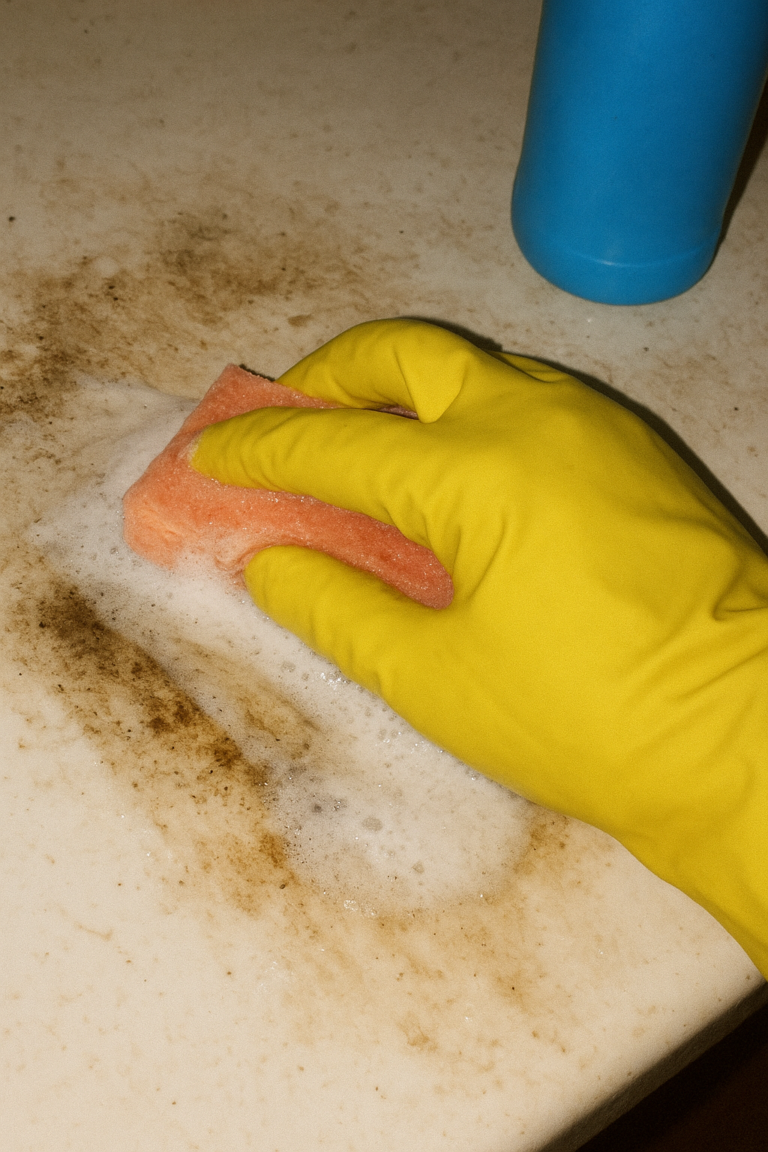
Borax dissolved in warm water is sometimes used as a wipe-down solution for kitchen counters, bathroom fixtures, and sealed tile. Because it’s slightly abrasive in powder form, some people also make a paste with water to scrub grout lines or stained sinks. Test any new surface in a small, inconspicuous area first, since finishes vary widely by manufacturer.
Deodorizing
Some households use small open containers of borax or dry sprinkles in trash cans, closets, or carpets to help with lingering odors before vacuuming. This is a traditional use, but it’s worth noting that borax doesn’t neutralize odors through any disinfecting action—it primarily works through absorption and dilution of scent-causing residue.
DIY Cleaning Pastes and Mixes
Borax is a common ingredient in homemade scouring pastes, often combined with water or a small amount of liquid dish soap to create a spreadable texture for tackling tub rings, grout, or oven interiors. Because reactions between certain cleaning chemicals can be unpredictable, never combine borax with bleach, ammonia, or other commercial cleaners unless a product label specifically confirms it’s safe to do so.
How to Use Borax Safely Around the House
- Dissolve before diluting into cleaning solutions. Undissolved granules can scratch softer surfaces or leave behind a chalky residue.
- Test on a hidden area first. This applies especially to painted surfaces, natural stone, laminate, and colored grout.
- Rinse thoroughly. Leftover residue can attract dust or leave a dull film if not rinsed with clean water and dried with a soft cloth.
- Store away from food-prep areas and out of reach of children and pets, and always keep it in its original, clearly labeled container.
Surfaces and Situations to Approach Carefully
- Natural stone (marble, granite, limestone): Alkaline cleaners can potentially etch or dull certain stone finishes. Check with the stone manufacturer or installer before using borax-based solutions.
- Unsealed or unfinished wood: Moisture and mineral residue can affect raw wood surfaces. Stick to wood-specific cleaning products unless your furniture manufacturer indicates otherwise.
- Delicate fabrics: Silk, wool, and other hand-wash-only materials may not respond well to added laundry boosters. Always check the garment’s care label first.
- Electronics or appliance interiors: Avoid using borax solutions inside appliances unless the manufacturer’s cleaning instructions specifically mention it.
Troubleshooting Common Issues
If you notice a white, powdery residue after cleaning with a borax solution, it likely means the mixture wasn’t rinsed thoroughly or the water-to-borax ratio was too concentrated for the task. A follow-up rinse with clean water and a dry microfiber cloth usually resolves this. If a treated fabric feels stiff after washing, an extra rinse cycle can often help remove leftover mineral buildup.
Prevention and Long-Term Care
To get consistent results without surface issues, measure borax accurately rather than estimating, and avoid letting cleaning pastes sit on a surface longer than necessary before wiping and rinsing. Regularly check the care labels on new fabrics or the manufacturer guidance for new countertops and fixtures, since formulations and finishes can change over time even within the same brand. If you use boosters or additives regularly, periodically inspect and maintain appliance parts—filters, drawers, and seals—to prevent trapped residue from causing odor or performance problems.
When to Choose a Different Product
If you’re dealing with a surface material you’re unsure about, or a stain that doesn’t respond to a mild borax solution after a reasonable attempt, it may be more efficient—and safer for the surface—to switch to a cleaner specifically formulated and labeled for that material. For persistent appliance odors or gasket buildup, consult guidance on cleaning a washing machine rubber seal or troubleshooting why a washer still smells after a cleaning cycle at Why Does My Washing Machine Smell after Cleaning.
Everything Mentioned Above
Before you leave, grab the tools you need to get the job done right the first time:
*As an Amazon Associate, TidyFormula earns from qualifying purchases.