
Is Distilled White Vinegar the Same as White Vinegar? A Quick Cleaning Guide
No, distilled white vinegar and white vinegar are usually the same product, but the terms aren’t always used consistently by manufacturers. Both are typically clear, colorless vinegar made from grain alcohol with roughly 5% acidity, sold specifically for household cleaning and cooking. (انظر أيضًا حلول تنظيف منزلية آمنة لمعلومات عن خلطات منزلية قابلة للاستخدام بأمان.) The word “distilled” simply emphasizes the purification process, so in most stores you can treat the two labels as interchangeable for cleaning purposes.
⚡ The TidyFormula™ Quick Decision
Best approach: Choose plain white vinegar or distilled white vinegar labeled around 5% acidity for everyday household cleaning tasks like wiping counters, freshening drains, or cutting through mineral deposits (راجع دليل إزالة بقع الماء العسر لمزيد من التفاصيل)، and check the label to confirm it’s meant for cleaning rather than a specialty culinary or cleaning-strength product.
Use caution with: Natural stone, unsealed wood, some metals, and any surface where the care label or manufacturer instructions warn against acidic cleaners, since vinegar’s acidity can dull, etch, or discolor certain materials regardless of which bottle you grab. (انظر القائمة الكاملة للـ الأسطح التي لا ينبغي تنظيفها بالخل.)
Stop and reassess if: A surface shows dulling, discoloration, or texture changes after use, or if manufacturer instructions specifically prohibit vinegar or acidic cleaners—in those cases, switch to a product designed for that material instead.
What “Distilled” Actually Means on the Label
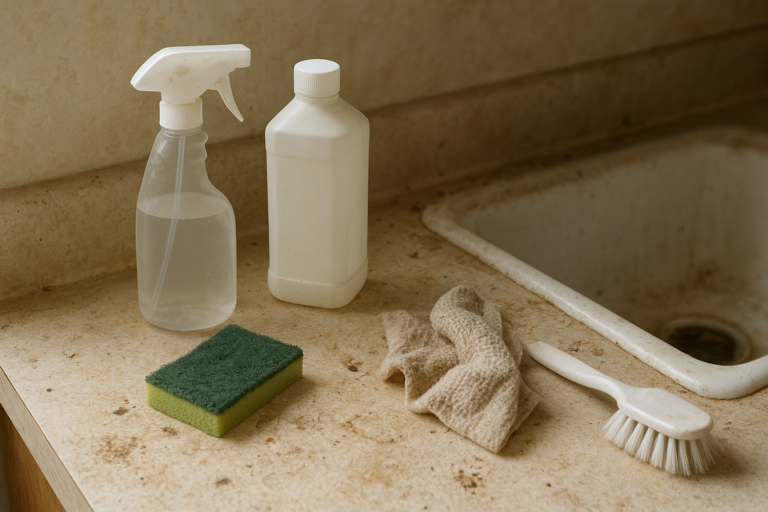
Distillation is a purification step that removes coloring, sediment, and some impurities from vinegar. Most white vinegar sold in grocery stores has already gone through this process, which is why it’s clear rather than amber like apple cider vinegar. When a bottle says “distilled white vinegar,” it’s often just being explicit about a process that’s already standard for white vinegar production. Some brands skip the word “distilled” entirely and simply print “white vinegar,” while the contents are functionally the same. إذا كنت تريد سياقًا أوسع عن المنتجات الطبيعية المناسبة لكل سطح، راجع منتجات تنظيف طبيعية لكل غرفة.
What I Use For This Job
Using the right tools saves time and protects your belongings. Here are my exact recommendations:
*As an Amazon Associate, TidyFormula earns from qualifying purchases.
Where You Might See a Real Difference
While the two terms usually describe the same product, a few situations call for extra attention:
- Acidity percentage: Cleaning-labeled vinegar sometimes has a higher acidity than the vinegar sold for cooking. Always check the percentage listed on the bottle rather than assuming.
- Additives: Some products marketed for cleaning may include added ingredients, such as extra acid boosters or fragrances, so read the ingredient list if you plan to use it near food surfaces.
- Regional labeling habits: Store brands and regional manufacturers don’t always use identical terminology, so a “distilled” label in one region might match an unlabeled “white vinegar” bottle in another.
If a recipe or cleaning guide specifies one type over the other, it’s usually about acidity level rather than the distillation process itself.
Choosing the Right Bottle for Cleaning Tasks
For most household cleaning jobs—wiping down surfaces, deodorizing, or breaking down mineral buildup—either labeled bottle should work similarly as long as the acidity is comparable. A few practical pointers:
- Check the acidity percentage on the label; most household vinegar sits around 5%, though some cleaning-specific formulas may differ.
- Avoid vinegar labeled for pickling or canning if you’re looking for a general-purpose cleaner, since acidity levels can vary for food preservation needs.
- If you’re using vinegar on a surface with a care label, confirm that acidic cleaners are approved before proceeding — for مثال على العناية بالشاشات والإلكترونيات انظر دليلنا حول تنظيف شاشة اللابتوب دون خطوط.
Surfaces That Need Extra Thought
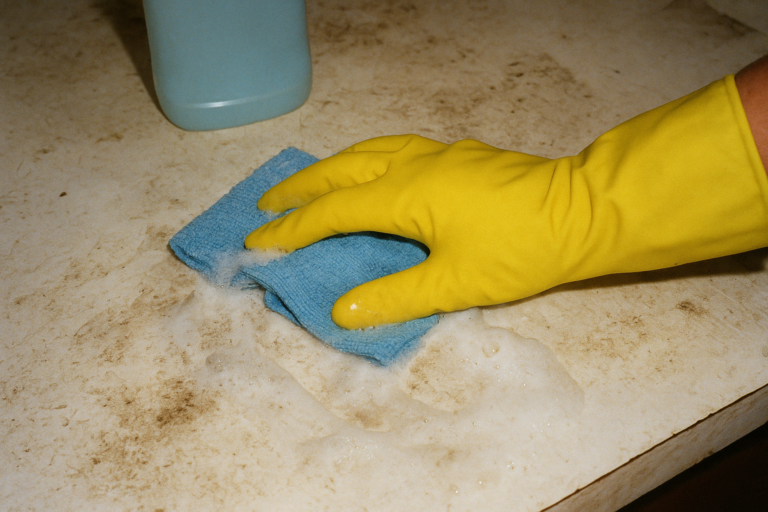
Vinegar’s acidity makes it useful for many everyday messes, but it isn’t universally safe for every material:
- Natural stone (marble, granite, travertine): Acidic cleaners can etch or dull polished stone surfaces. Manufacturer or stone-care guidance often recommends avoiding vinegar on these materials.
- Unsealed or finished wood: Repeated exposure to acidic liquids may affect certain finishes over time. Check with the manufacturer or finish type before using vinegar regularly.
- Some metals: Cast iron, aluminum, and certain plated finishes can react to prolonged acid exposure. When in doubt, test a small hidden area first.
- Rubber seals and gaskets: Frequent vinegar use on rubber components, such as those in appliances, may cause wear over time; check manufacturer instructions for appliance-safe cleaning methods.
Always test an inconspicuous area first, especially with materials you haven’t cleaned with vinegar before.
Simple Ways to Use Vinegar Around the House
Once you’ve confirmed a surface is compatible, a few general-purpose approaches work well for most people:
- Wipe down glass, tile, or laminate surfaces with a vinegar-dampened cloth, then dry with a separate clean cloth to reduce streaking.
- Use a vinegar-soaked cloth to help loosen mineral deposits on fixtures, checking manufacturer care instructions for finishes like brushed nickel or oil-rubbed bronze first — هذه التقنية مشابهة لتوصياتنا في كيفية تنظيف السلة الحمّامية من الصدأ والرغوة.
- For fabric or upholstery, always check the care label; some fabrics can be sensitive to acidic solutions.
Never mix vinegar with bleach or other household cleaning chemicals. Combining cleaning products can create unpredictable and potentially hazardous results, so stick to one product at a time and rinse surfaces thoroughly between different cleaners if needed.
Drying and Aftercare
After using vinegar on any surface, dry the area with a clean, lint-free cloth to prevent water spots or streaking. For surfaces prone to moisture sensitivity, such as certain wood finishes, make sure the area is fully dry before placing items back down or closing cabinets and drawers.
When to Choose a Different Cleaner
Vinegar isn’t the right choice for every job. If you’re dealing with a surface that specifically warns against acidic cleaners, or if a stain or buildup doesn’t respond to vinegar after reasonable effort, it may be time to switch to a product formulated for that specific material or consult the manufacturer’s cleaning recommendations (راجع أيضًا روتين تنظيف غير سام للمنزل لما يناسب الأسطح الحساسة). Persistent issues, unusual discoloration, or surface damage are signs to stop and choose an alternative approach rather than continuing with vinegar.
Key Takeaway
In everyday practice, distilled white vinegar and white vinegar are typically the same cleaning-friendly product, so you can usually choose whichever is available and priced well. The more important detail to check is the acidity percentage and whether your specific surface or fabric’s care instructions allow for acidic cleaners at all.
Everything Mentioned Above
Before you leave, grab the tools you need to get the job done right the first time:
*As an Amazon Associate, TidyFormula earns from qualifying purchases.