Can You Wash Shower Curtains? A Complete Guide to Washing Fabric Curtains and Vinyl Liners
Yes, most fabric shower curtains and plastic liners can be washed, but the safe method depends on the material. Fabric curtains generally tolerate a gentle machine wash, while vinyl or PEVA liners usually need hand washing or a very light machine cycle to avoid cracking or warping.
The TidyFormula Quick Decision
Best approach: Machine wash fabric curtains on a gentle cycle with a mild detergent, and hand wash or use a delicate cycle with cold water for plastic or vinyl liners.
Use caution with: Vinyl, PEVA, or laminated liners, curtains with metal grommets or decorative trim, and any fabric labeled dry-clean only.
Stop and reassess if: The material feels brittle, grommets are pulling loose, colors bleed during a spot test, or heavy mildew staining remains after one gentle wash attempt.
Can You Wash Shower Curtains in a Washing Machine?
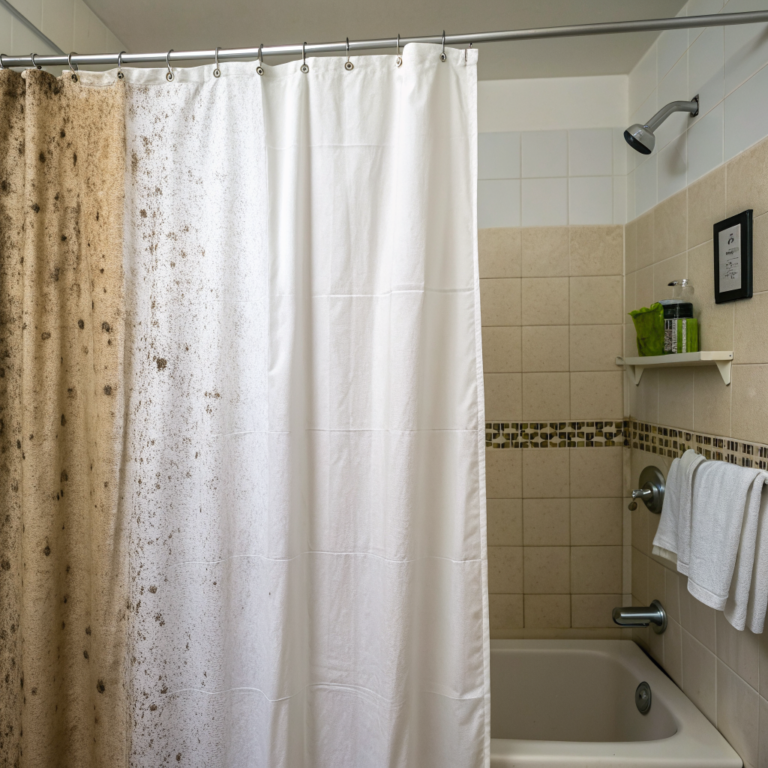
Fabric shower curtains can usually go in a washing machine on a gentle or delicate cycle with cold or warm water, depending on the care label. Plastic and vinyl liners are more sensitive to heat and agitation, so a machine wash is only advisable if the label specifically allows it.
What I Use For This Job
Using the right tools saves time and protects your belongings. Here are my exact recommendations:
*As an Amazon Associate, TidyFormula earns from qualifying purchases.
Before washing anything, check the care tag sewn into the curtain. Cotton, polyester, and cotton-blend curtains typically handle machine washing well. Curtains with waterproof coatings, decorative beading, or bonded fabric layers are more likely to warp or lose their finish in a machine. Mineral buildup is also a common shower issue—if hard-water deposits are present on fixtures, you may find this guide on how to clean a shower head with hard water buildup helpful for addressing the surrounding hardware.
How to Wash a Fabric Shower Curtain
Fabric curtains respond well to a straightforward gentle wash cycle paired with a mild detergent. Removing hooks first protects both the curtain and the machine drum.
- Remove all hooks and rings, then shake off loose lint, hair, or soap residue over a trash can.
- Check for any spot stains or heavy mildew areas and treat them separately if needed before washing.
- Place the curtain in the washing machine alone or with a few towels to help balance the load.
- Use a mild detergent on a gentle or delicate cycle with cool or warm water, following the care label.
- Skip fabric softener, since it can reduce water repellency on treated fabrics.
- Air dry the curtain by rehanging it promptly so it can drip dry and reshape naturally.
How to Wash a Plastic or Vinyl Shower Liner
Plastic and vinyl liners are best hand washed or run on a very short, cool, gentle cycle, since heat and long agitation can cause cracking or clouding. A liner that already shows brittleness or yellowing is a better candidate for replacement than for repeated washing.
For hand washing, fill a bathtub or large basin with cool water and a small amount of mild dish soap or laundry detergent. Wipe the liner down with a soft cloth or sponge, focusing on the bottom edge where soap scum and mildew tend to build up. Rinse thoroughly so no soap film is left behind, then hang the liner back up to air dry fully extended.
If the care label allows machine washing, use the shortest, gentlest cycle available with cold water, and avoid high spin speeds that can stress seams and grommets. For advice on cleaning nearby fixtures that collect the same deposits, see How to Clean Rust and Soap Scum from a Shower Caddy.
Dealing with Mildew and Soap Scum Buildup
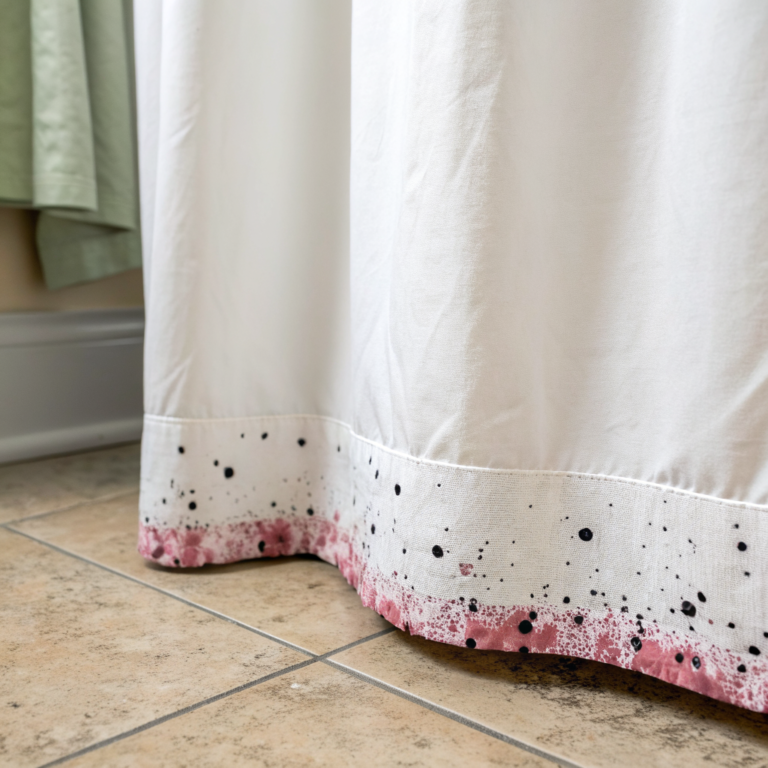
Mildew spots and soap scum usually respond to a spot treatment before the full wash rather than relying on the wash cycle alone. Applying a mild cleaning solution directly to the affected area and letting it sit briefly before washing can help lift buildup that a standard cycle might not fully remove.
A washing machine or hand wash removes visible residue and loosens buildup, but it does not disinfect the fabric or eliminate mold spores. If mildew keeps returning despite regular washing, improving bathroom ventilation and drying the curtain fully between uses can reduce how quickly it reappears. If mineral buildup is part of the problem, see How to Prevent Hard Water Stains in the Shower for strategies to limit soap-scum formation on all shower surfaces. For a closer look at treating stubborn mildew specifically, see How to Remove Mildew from a Shower Curtain.
TidyFormula Tip
Rehang a damp curtain fully extended right after washing so it can air dry evenly and resist new mildew growth. Also keep the drain clear of hair and debris so water doesn’t pool—see How to Clean Hair from Shower Drain without Chemicals.
What to Avoid When Washing a Shower Curtain
A few common habits shorten the life of both fabric curtains and plastic liners. Skipping these mistakes helps the curtain keep its shape, color, and water resistance longer.
- Do not use hot water on vinyl or PEVA liners, since heat can warp or cloud the plastic.
- Do not put a liner in the dryer, because heat exposure often causes cracking or shrinking.
- Do not mix bleach and ammonia-based cleaners when spot-treating mildew, since combining these products is unsafe.
- Do not ignore a spot test on colored or printed fabric before applying any stain treatment.
- Do not leave a wet curtain bunched together after washing, since trapped moisture encourages mildew to return.
Drying and Aftercare
Air drying is the safer choice for both fabric curtains and plastic liners. Rehang the curtain on its rod or a drying rack immediately after washing so it can drip dry fully extended, which helps it keep its shape and reduces wrinkling.
Cleaning adjacent items like bath mats regularly helps reduce shared mildew risk—see How to Clean a Rubber Bath Mat without Mold.
If a fabric curtain’s care label allows tumble drying, use a low-heat setting and remove it while still slightly damp to prevent excessive shrinking. Vinyl and PEVA liners should never go in a dryer under any setting.
Frequently Asked Questions
How often should you wash a shower curtain?
Washing a fabric curtain every few weeks and wiping down a plastic liner weekly can help control soap scum and mildew buildup. Bathrooms with poor ventilation or heavy daily use may need more frequent attention.
Can you put a shower curtain in the dryer?
Fabric curtains can sometimes go in the dryer on low heat if the care label allows it, but plastic and vinyl liners should not be machine dried. Heat exposure can cause liners to crack, shrink, or warp permanently.
What if washing does not remove the mildew stains?
If mildew remains after one gentle wash, a more targeted spot treatment applied directly to the stained area before rewashing is usually the next step. For mildew in grout, see How to Remove Pink Mold from Shower Grout. Persistent staining on an older or thinning liner may mean replacement is more practical than continued washing.
Is it safe to wash a shower curtain with regular laundry?
Washing a shower curtain alone or with a few towels is generally safer than mixing it with regular clothing loads. This helps balance the machine and reduces friction that could stress grommets, seams, or fabric coatings.
Can you use bleach on a white shower curtain?
Diluted bleach may be an option for some white fabric curtains, but only if the care label allows it and after a spot test on a hidden area. Never combine bleach with other cleaning products, and rinse thoroughly afterward to remove residue.
Everything Mentioned Above
Before you leave, grab the tools you need to get the job done right the first time:
*As an Amazon Associate, TidyFormula earns from qualifying purchases.