How to Clean Aluminum Pans: A Practical Guide
Clean aluminum pans by scrubbing them with a paste of cream of tartar or vinegar and warm water, using a soft sponge rather than steel wool, then rinsing and drying right away to prevent new water spots. This restores shine and lifts baked-on residue without scratching the metal, though the exact approach shifts a bit depending on whether the pan is bare, anodized, or nonstick-coated.
The TidyFormula Quick Decision
Best approach: Make a paste from cream of tartar (or white vinegar) and warm water, apply it with a soft sponge or nylon scrub pad, work in circular motions, then rinse and dry completely.
Use caution with: Anodized aluminum, which can dull or discolor if scrubbed with strong acids or abrasive powders; nonstick-coated aluminum pans, where the coating itself needs gentler care than the bare metal underneath.
Stop and reassess if: The surface develops pitting, flaking, or a chalky texture that won’t wipe away, or if scrubbing starts to remove the finish itself rather than just the residue sitting on top of it.
What I Use For This Job
Using the right tools saves time and protects your belongings. Here are my exact recommendations:
*As an Amazon Associate, TidyFormula earns from qualifying purchases.
Why Aluminum Pans Discolor and Dull
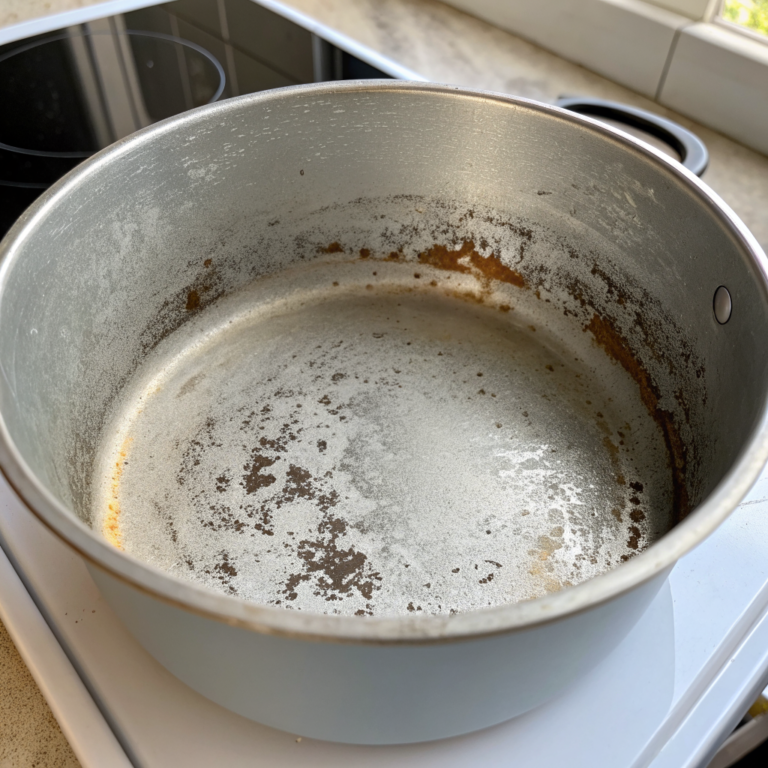
Aluminum reacts with air, water minerals, and heat, which is why bare pans often turn gray, blotchy, or streaky over time even with regular washing. This discoloration is mostly surface oxidation rather than dirt, so ordinary dish soap alone usually doesn’t remove it.
Hard water deposits can add a chalky film on top of that oxidation, and high heat can leave darker scorched patches on the bottom. None of this means the pan is damaged beyond use — it usually just needs a slightly more targeted cleaning approach than a quick soap-and-sponge pass.
How to Clean Bare Aluminum Pans
Bare, uncoated aluminum tolerates mild acids well, which makes cream of tartar or vinegar an effective and low-risk starting point. Start with the gentlest method and only move to something stronger if the pan still looks dull afterward.
- Mix two to three tablespoons of cream of tartar with enough warm water to form a thick paste, or substitute a vinegar-and-water mixture if that’s what’s on hand.
- Spread the paste over the discolored areas, including the interior and exterior if both look dull.
- Scrub gently with a soft sponge or nylon pad, using circular motions rather than back-and-forth scraping.
- Rinse thoroughly with warm water to remove all paste residue.
- Dry the pan completely with a towel rather than letting it air dry, since standing water can leave new spots on bare aluminum.
For heavier discoloration, some people simmer a diluted vinegar-and-water solution in the pan for a short time before scrubbing, which can loosen buildup further. Check that the pan’s care instructions, if any came with it, don’t advise against acidic cleaners before trying this.
How to Handle Anodized Aluminum
Anodized aluminum has a hardened, sealed surface that resists staining better than bare aluminum, but it can still be dulled by harsh scrubbing or strong acidic pastes used repeatedly. Wash it with warm water, a mild dish soap, and a soft sponge as the default method.
Avoid steel wool, scouring powders, and prolonged soaking in vinegar or lemon-based solutions (see surfaces you should never clean with vinegar) since these can wear down the anodized layer over time. If a spot test on an inconspicuous area shows no change, a very brief, light application of a mild paste may be acceptable for stubborn spots, but frequent use of acidic cleaners is best avoided on this finish.
Cleaning Nonstick-Coated Aluminum Pans
Nonstick aluminum pans need a different mindset entirely, because the coating — not the aluminum — is what determines how the pan should be cleaned. Wash these with warm water, mild soap, and a soft sponge, and skip abrasive pastes, metal scrubbers, and steel wool altogether.
Baked-on residue on nonstick surfaces often responds well to a gentle soak in warm water before wiping, rather than aggressive scrubbing. If the coating is scratched, peeling, or flaking, that’s a sign to stop using harsh cleaning methods on it and consider whether the pan is nearing the end of its usable life rather than trying to restore it further.
TidyFormula Tip
Dry aluminum pans immediately after washing rather than leaving them in a rack, since lingering moisture is one of the main causes of new water spotting on bare aluminum.
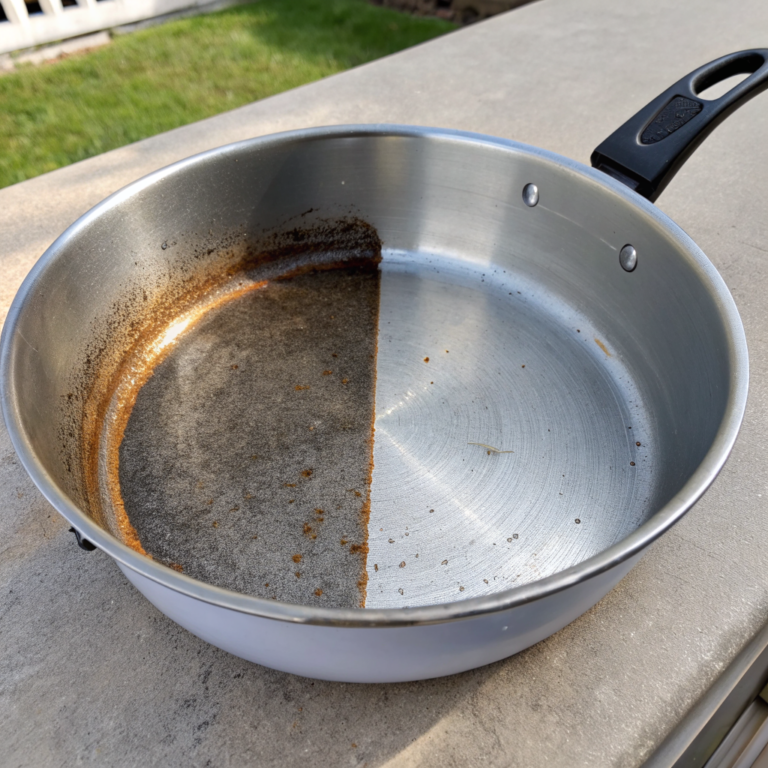
Removing Burnt or Scorched Residue
Scorched food on the bottom of an aluminum pan usually needs a soak before scrubbing, since dry scraping can scratch the metal. Fill the pan with warm water and a small amount of dish soap, and let it sit for a while to loosen the residue before attempting to remove it.
Once the residue has softened, use a soft sponge or nylon scrub pad rather than metal tools. If a stubborn dark patch remains after soaking and gentle scrubbing, a cream of tartar paste applied specifically to that spot on bare aluminum can help, but this same approach should not be used on anodized or nonstick finishes. If smoke or persistent grease odors remain after cleaning, check and clean your range hood filter—a clogged filter often lets odors linger above the stove.
What to Avoid
- Steel wool and metal scouring pads, which can scratch bare aluminum and will damage nonstick coatings.
- Harsh abrasive powders on anodized aluminum, since they can wear through the sealed surface layer.
- Soaking pans for long periods in strong acidic solutions, which can affect the metal’s appearance over repeated use.
- Putting aluminum pans in the dishwasher unless the manufacturer’s care instructions specifically confirm it’s safe, since many aluminum finishes discolor or dull in a dishwasher.
- Mixing cleaning agents together to try to boost results — cleaning agents that should not be combined must not be combined, so stick to one method at a time.
None of these shortcuts save meaningful time compared to a proper soak-and-scrub approach, and most of them create new problems that are harder to fix than the original discoloration. If grease has already spread onto nearby surfaces, our guide to removing grease from kitchen walls shows safer ways to lift it without damaging finishes.
Preventing Future Buildup
Washing aluminum pans soon after use, rather than letting food sit and dry on the surface, makes regular cleaning much easier. Drying pans fully before storing them also helps limit the gradual water spotting that leads to a duller finish over time.
For households that prefer homemade approaches to household cleaning generally, it can help to review broader guidance on which mixtures are actually safe to use around the kitchen, such as this overview of homemade cleaning solutions that are actually safe. For a compact list of practical, surface-appropriate steps you can repeat in the kitchen, see our non-toxic kitchen cleaning checklist. If cookware odors persist even after cleaning, this guide on removing fish smell from the kitchen can help target lingering airborne and surface odors.
Frequently Asked Questions
Can I use baking soda instead of cream of tartar?
Baking soda can work as a mild abrasive on bare aluminum, but it’s less effective at cutting through oxidation than cream of tartar or vinegar. It’s a reasonable option for light daily grime, though stubborn discoloration usually responds better to a mildly acidic paste. For safe ways to use baking soda and common pitfalls, see baking soda cleaning mistakes to avoid.
Is it safe to put aluminum pans in the dishwasher?
It depends on the finish, so check the pan’s care instructions first if available. Many bare and anodized aluminum pans can discolor, dull, or develop spotting in a dishwasher, so hand washing is often the safer default choice.
Why does my aluminum pan have black or gray marks that won’t come off?
These marks are often oxidation or scorching that sits on the surface rather than true stains, so a cream of tartar or vinegar paste with gentle scrubbing usually helps. If marks persist after several attempts, the discoloration may be more deeply set into the metal’s surface.
How often should I deep clean an aluminum pan?
Most aluminum pans only need this kind of paste treatment occasionally, when dullness or discoloration becomes noticeable, rather than after every use. Regular light washing with warm water and mild soap is usually enough for daily maintenance.
What should I do if scrubbing doesn’t remove the discoloration?
Try letting the paste sit on the surface briefly longer before scrubbing again, since extra contact time can help loosen stubborn residue. If the discoloration still won’t lift after a couple of attempts, it may be permanent oxidation that scrubbing alone can’t fully reverse.
Everything Mentioned Above
Before you leave, grab the tools you need to get the job done right the first time:
*As an Amazon Associate, TidyFormula earns from qualifying purchases.