How to Get Rid of Moths in the Kitchen: A Simple Guide
Getting rid of moths in the kitchen starts with figuring out whether you’re dealing with pantry moths (drawn to grains, cereal, pet food, and dried goods) or clothes moths that have wandered in from a nearby closet. Once you identify the source, the general process is the same: locate and discard infested food, clean the area thoroughly — see our Pantry Cleaning and Organization Checklist for a full empty-and-sort method — and use traps or deterrents to catch any stragglers while you monitor for new activity.
⚡ The TidyFormula™ Quick Decision
Best approach: Find and remove the food source (usually an open bag of flour, cereal, birdseed, or pet food), then wipe down shelves, cracks, and jar lids with warm water and a mild dish soap solution before storing remaining dry goods in sealed containers.
Use caution with: Wood shelving and cabinet interiors, which can absorb moisture if wiped too wet; unfinished wood may also hold odors or residue longer than sealed surfaces, so use a barely damp cloth and dry thoroughly — for wood-specific care tips see How to Clean Butcher Block Countertops Safely.
Stop and reassess if: You keep seeing moths weeks after cleaning, notice larvae or webbing in multiple separate areas, or the infestation seems to be spreading into other rooms—this may call for a pest control professional rather than repeated DIY cleaning.
Why Moths Show Up in Kitchens
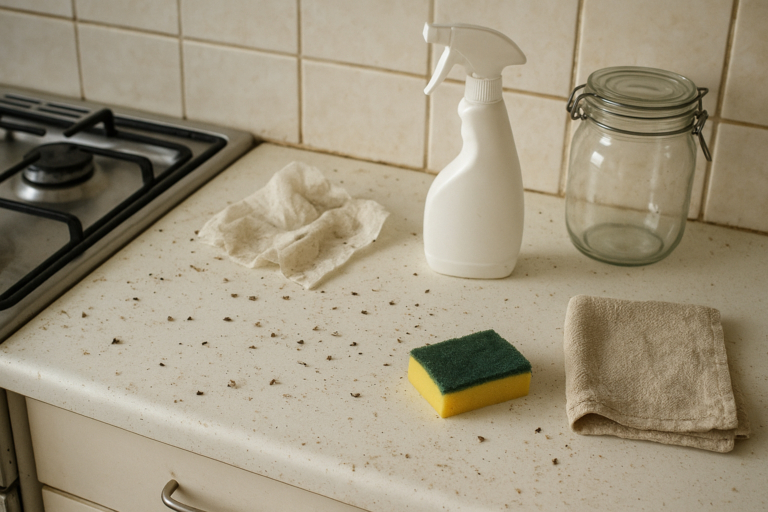
Kitchen moth problems are almost always tied to food. Pantry moths, sometimes called Indian meal moths, are attracted to grains, flour, cereal, dried fruit, nuts, spices, and pet food. Eggs can arrive already in packaging from the store, or adult moths can fly in from outside and lay eggs in open containers. Clothes moths, by contrast, are drawn to fabric and are less commonly a true kitchen pest, though they may pass through if laundry or linens are stored nearby.
What I Use For This Job
Using the right tools saves time and protects your belongings. Here are my exact recommendations:
*As an Amazon Associate, TidyFormula earns from qualifying purchases.
Because the two types have different habits, it helps to notice where you’re actually seeing them. Moths clustered around cabinets and food storage areas point to a pantry moth issue. Moths near textiles, dish towels, or oven mitts may suggest a different pest entirely.
Step-by-Step: Removing Moths From the Kitchen
- Inspect all dry goods. Check flour, rice, cereal, oatmeal, dried beans, spices, pet food, and birdseed for small webbing, clumping, or tiny moving larvae. When in doubt, it’s usually safer to discard the item than to try to salvage it.
- Empty and inspect the pantry or cabinet. Remove everything from the shelf so you can see corners, seams, and any gaps behind trim or shelving where eggs or larvae might hide.
- Vacuum thoroughly. Use a vacuum with a hose attachment to reach corners, cracks, and shelf edges. This helps remove eggs and larvae that a wipe-down alone might miss.
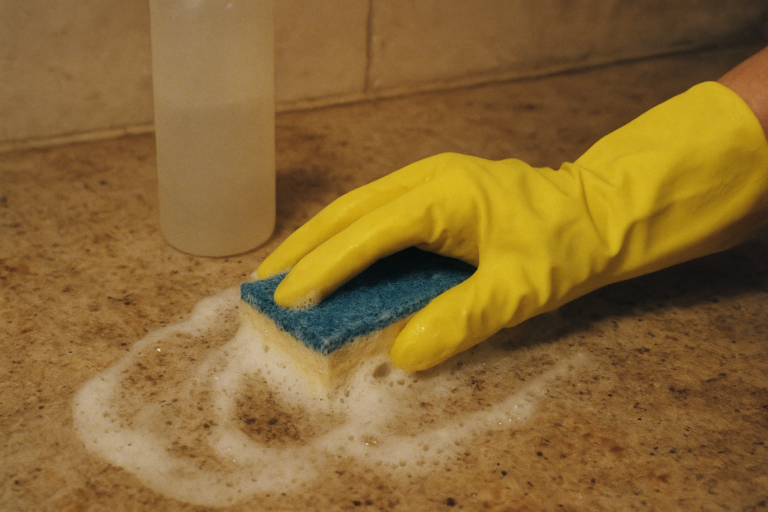
- Wipe surfaces with a mild soap solution. Warm water with a small amount of dish soap is usually enough for painted wood, laminate, or sealed shelving — see our Non Toxic Kitchen Cleaning Checklist for safe surface options and dilution guidance. Check any specific manufacturer care instructions for your cabinets before using cleaning products, since some finishes are more sensitive to moisture than others.
- Dry shelves completely before returning food to the cabinet. Moisture left behind can encourage other pantry pests or affect wood finishes over time.
- Transfer dry goods to sealed containers. Glass or hard plastic containers with tight lids make it much harder for moths to access food and lay eggs, and they make future inspections easier.
- Set out traps if needed. Pheromone traps designed for pantry moths can help you monitor whether the problem is resolving. Follow the product’s instructions for placement and replacement schedule.
What to Do With Infested Food
If you find larvae, webbing, or an unusual smell in a food package, it’s generally best to seal it in a bag and throw it away rather than try to sort out the “clean” portion. Even if contamination looks limited to part of a container, eggs can be difficult to see with the naked eye. When you’re unsure whether a product is affected, discarding it is the more cautious choice.
Cleaning Different Kitchen Surfaces
Wood Cabinets and Shelving
Unfinished or painted wood can be sensitive to excess moisture, so use a barely damp cloth rather than a soaking wet one, and dry the area promptly. If your cabinets have a specific care guide from the manufacturer, follow those instructions for cleaning products and methods.
Laminate and Sealed Surfaces
These are generally more forgiving and can typically handle a mild soap-and-water wipe-down without special precautions, though it’s still wise to dry them afterward to avoid residue buildup. For stubborn kitchen grease on painted or sealed cabinet faces, our guide on How to Remove Grease from Painted Kitchen Cabinets offers safe, finish-friendly options.
Glass and Plastic Containers
Wash containers that held infested food in warm, soapy water, and inspect lids and rims closely, since eggs can sometimes lodge in tiny grooves or seams.
Preventing Future Moth Problems
- Store dry goods in airtight containers instead of leaving them in original paper or thin plastic packaging.
- Check new grocery purchases, especially bulk-bin items, before adding them to the pantry.
- Rotate older pantry items to the front so nothing sits untouched for extended periods.
- Keep pantry shelves and corners on a regular cleaning schedule so early signs of activity are easier to spot.
- Consider keeping pet food and birdseed in sealed containers as well, since these are common sources of pantry moth infestations — for general kitchen storage tips see our Fridge Organization and Cleaning Checklist.
When to Call a Professional
Most kitchen moth issues can be managed with thorough cleaning, discarding infested food, and using sealed storage going forward. However, if you continue to see moths weeks after cleaning, notice activity spreading to new areas of the kitchen or home, or simply want confirmation that the infestation is fully resolved, a licensed pest control provider can offer a more thorough inspection and tailored treatment plan than home cleaning alone. If you suspect hidden moisture, damage, or mold in cabinetry while investigating an infestation, consult guidance like How to Clean Mold Under the Kitchen Sink and consider a professional assessment.
Everything Mentioned Above
Before you leave, grab the tools you need to get the job done right the first time:
*As an Amazon Associate, TidyFormula earns from qualifying purchases.