How to Clean a Shag Rug at Home
To clean a shag rug at home without damage, start with dry soil removal, then spot-clean with as little moisture as possible. The safest method depends on the rug’s fiber, backing, and care label: long synthetic pile usually tolerates gentle cleaning, while wool, leather, glued backing, and vintage rugs need more caution.
Shag rugs hold grit deep below the pile, so a rug can look clean on top while feeling rough, flattened, or dusty underneath. Aggressive brushing, soaking, and high heat are the usual ways a routine cleaning job turns into a damaged rug.
⚡ The TidyFormula™ Quick Decision
Best approach: Vacuum gently, lift loose debris by shaking or beating outdoors, then treat spots with a cloth and a cleaner approved for your rug’s material.
Use caution with: Water, steam, stiff brushes, and rotating vacuum brushes can tangle long fibers, loosen backing adhesive, or leave moisture trapped deep in the pile.
Replace instead of cleaning if: The backing is crumbling, the rug has widespread glued areas coming apart, or it remains damp and musty after repeated attempts to dry it.
What I Use For This Job
Using the right tools saves time and protects your belongings. Here are my exact recommendations:
*As an Amazon Associate, TidyFormula earns from qualifying purchases.
Check the rug before you clean it
Look at the care label and inspect the underside before choosing a method. A shag rug may have synthetic fibers, wool, leather strips, a cotton backing, latex-style adhesive, or a mix of materials that should not all be treated the same way.
- Check the label first. Follow any manufacturer instructions for vacuuming, washing, and professional cleaning.
- Identify the backing. A flexible, intact backing is generally easier to clean lightly than a brittle, cracked, peeling, or sticky backing.
- Look for loose fibers or seams. Stop using a vacuum brush roll if it catches, pulls, or wraps the pile.
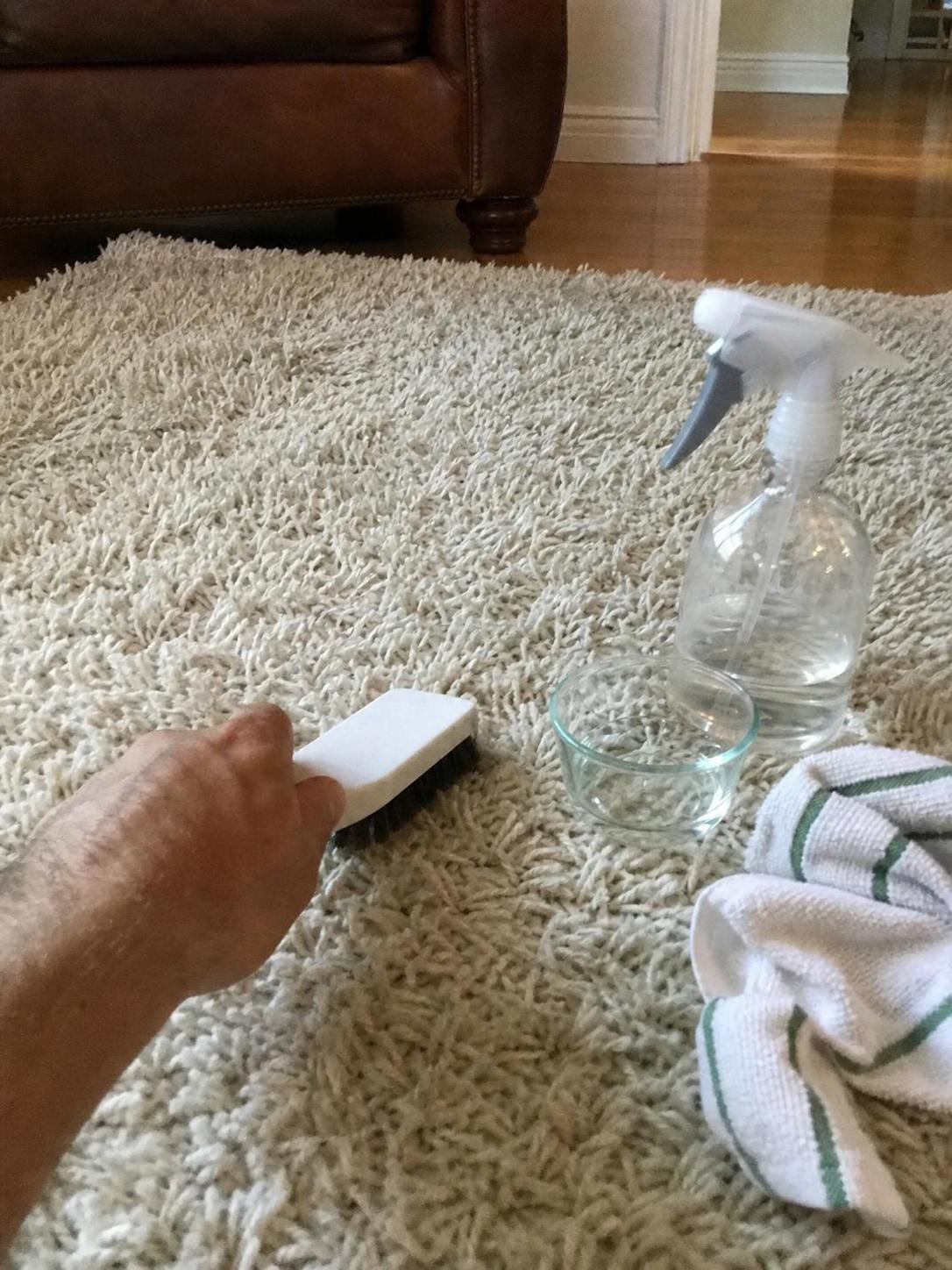
- Test cleaner in a hidden area. Blot the test area with a white cloth after it dries to check for dye transfer, stiffness, or discoloration.
- Choose another method for leather, fur, silk, or antique rugs. These materials can react poorly to ordinary carpet cleaners and excess moisture. Follow specialist or manufacturer guidance instead.
What you need for routine shag rug cleaning
You do not need a carpet-cleaning machine for most regular maintenance. The goal is to remove loose grit and treat small spots without pressing dirt farther into the pile or soaking the backing.
- A vacuum with adjustable suction or a handheld vacuum
- A clean, dry white cloth or plain paper towels
- A soft-bristled brush or wide-tooth comb for separating fibers
- A rug cleaner labeled as suitable for your rug’s fiber, if spot treatment is needed
- A fan or access to moving air for drying damp areas
A vacuum with a rotating beater bar can be too rough for long pile. If your vacuum does not allow the brush roll to be turned off, use an upholstery attachment, a suction-only attachment, or vacuum the rug’s back instead.
Clean the rug in layers, starting dry
Remove dry debris before adding any cleaner. This keeps grit from turning into muddy residue and reduces the amount of moisture the rug needs.
- Take the rug outside if practical. Shake it gently to loosen loose dirt. For a manageable rug, hang it over a sturdy railing or line and tap the back lightly with a rug beater or clean broom handle. Avoid hard strikes that could stress old backing or seams.
- Vacuum the surface slowly with suction only. Work in more than one direction so the vacuum reaches between the shag fibers. Do not force the vacuum head through tangled pile.
- Vacuum the back of the rug. Turn the rug over and vacuum the backing to draw out grit lodged near the base of the fibers. If the backing looks fragile, skip this step and use gentle surface vacuuming instead.
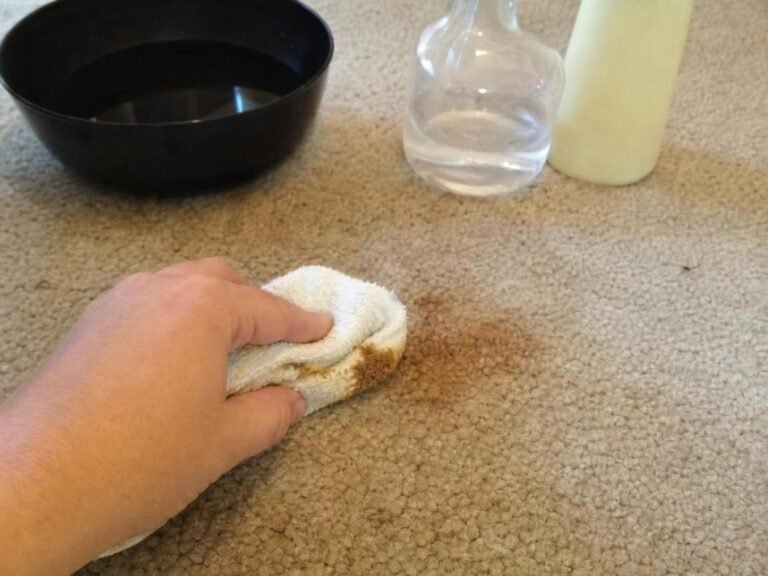
- Spot-clean visible marks. Blot fresh spills immediately with a dry cloth. Apply a small amount of a rug-safe cleaner to the cloth rather than pouring it directly onto the rug, unless the product label specifically directs otherwise. Blot from the outside edge of the mark toward the center.
- Use minimal moisture for stubborn spots. Work in small sections and avoid saturating the pile. If cleaner residue remains, blot with a separate cloth lightly dampened with plain water, provided the care label permits water-based cleaning.
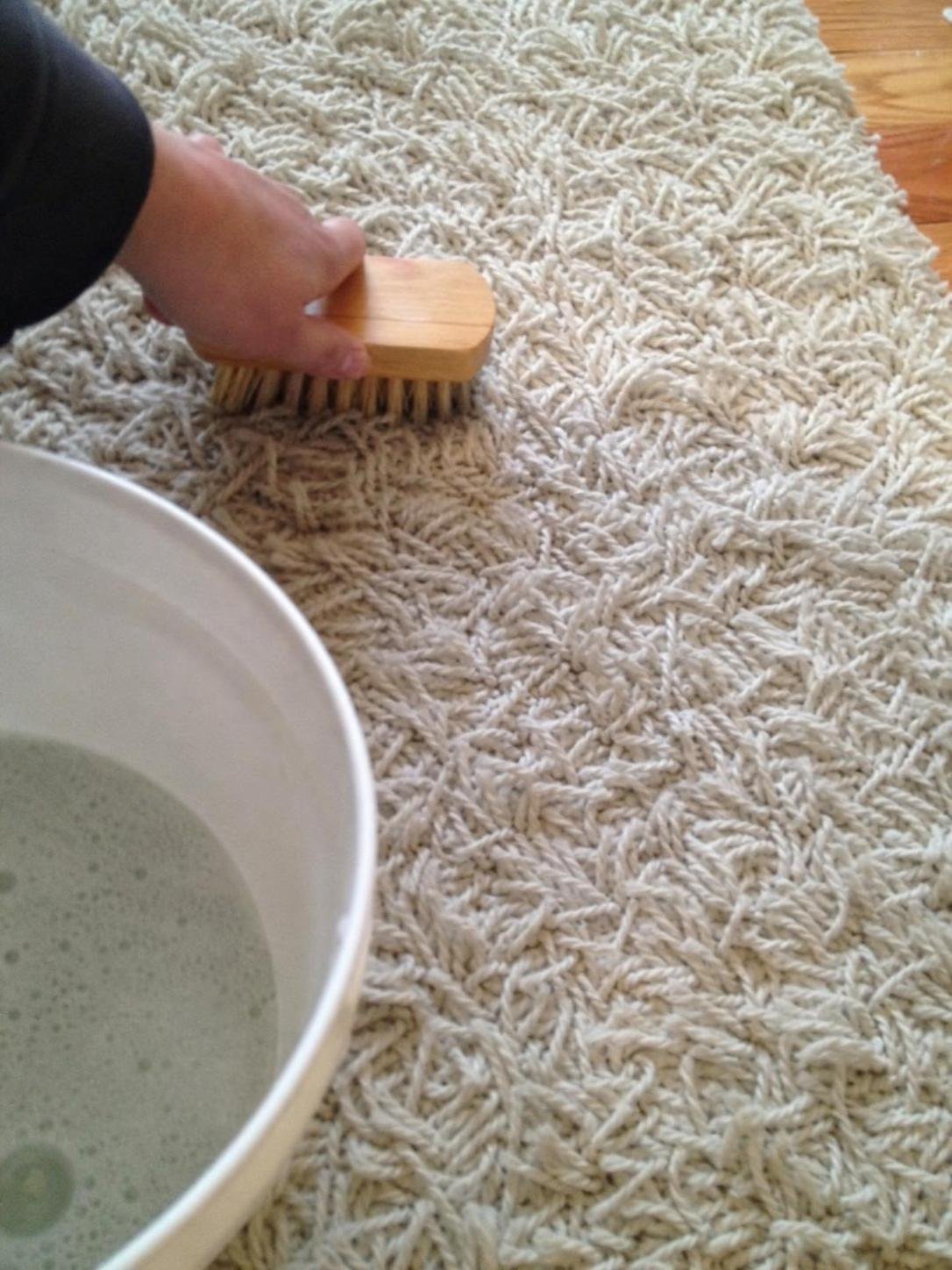
- Lift and separate the pile. Once the area is nearly dry, gently use a soft brush or wide-tooth comb to restore the shag’s direction. Do not pull hard on fibers or rake the rug aggressively.
- Dry the rug completely before putting it back. Lay it flat in a well-ventilated area and use airflow from a fan if needed. Keep it away from direct high heat, which can affect synthetic fibers, backing, and adhesives.
🧪 Why This Works
Shag pile acts like a loose filter: dust and grit settle below the visible surface. Shaking, back-vacuuming, and gentle suction remove much of that dry debris without wetting the backing. Keeping spot treatment localized also reduces the chance of cleaner residue, flattened fibers, and trapped moisture.
Choose the right level of cleaning
Most shag rugs need frequent light maintenance and only occasional deeper treatment. A full wet wash is not automatically the best way to clean a shag rug at home, especially if the backing is glued or the rug cannot dry thoroughly.
| Rug condition | Best home approach | Avoid |
|---|---|---|
| Loose dust, crumbs, and pet hair | Shake outdoors and vacuum gently with suction only | High-power brush rolls that snag long pile |
| One small fresh spill | Blot, then use a tested cleaner suitable for the fiber | Scrubbing, pouring cleaner directly on the rug, and soaking the backing |
| Flattened or matted pile | Vacuum, allow the fibers to dry, then separate them gently with a wide-tooth comb | Stiff brushes, vigorous raking, and high heat |
| Overall dinginess with an intact washable label | Use only the washing method and products permitted by the care label | Assuming every shag rug can be machine-washed or hose-rinsed |
| Musty smell, damp backing, or peeling adhesive | Stop adding moisture and dry the rug thoroughly; consider professional advice or replacement if the condition persists | Covering the problem with fragrance or storing the rug while damp |
For deeper cleaning, follow the rug’s care instructions
Use a deeper method only when the label allows it and you can dry the rug fully. A washable small synthetic rug may be suitable for the manufacturer’s approved washing method, but a large shag rug with a glued backing is usually better treated with limited-moisture cleaning or professional service.
If the label permits a carpet-cleaning product, use it exactly as directed and test it first. Do not assume a cleaner that works on wall-to-wall carpet is safe for every shag fiber or backing. For a machine-free approach to broader rug cleaning, see how to clean a rug without a carpet cleaner.
Avoid steam cleaning unless the rug manufacturer specifically permits it. Steam adds substantial heat and moisture, which may flatten synthetic pile, affect dyes, or weaken some adhesives. Likewise, avoid bleach, ammonia, and improvised cleaner combinations. Never mix household cleaning products.
Common shag rug cleaning mistakes and how to fix them
Most problems come from using too much force or too much liquid. Catching the issue early gives you the best chance of restoring the rug’s feel and appearance.
The vacuum keeps grabbing the pile
This usually means the suction is too strong or the brush roll is catching long fibers. Stop pulling the vacuum across the rug. Switch to a suction-only or upholstery attachment, reduce suction if your vacuum allows it, or vacuum the back of the rug instead.
The rug feels stiff after spot cleaning
Stiffness often points to dried cleaner residue. If the care label allows water-based cleaning, lightly blot the affected area with a cloth dampened with plain water, then blot dry again. Do not flood the fibers in an attempt to rinse out residue.
The pile looks flattened after cleaning
Shag fibers can dry in clumps after being compressed or dampened. Let the area dry fully, then gently separate the strands with your fingers, a soft brush, or a wide-tooth comb. If the fibers remain flattened, avoid adding more product; repeated wetting can make the problem worse.
The rug smells damp or musty
That is a sign the pile or backing may still hold moisture. Move the rug to a dry, ventilated space, keep it flat, and increase airflow. Do not return it to the floor, layer it over carpet, or store it until both the pile and underside feel dry.
The backing is peeling, sticky, or shedding
Stop wet cleaning. Deteriorating backing can worsen when handled, bent, scrubbed, or soaked. Light dry maintenance may still be possible, but replacement is often more practical if the rug no longer lies flat or leaves backing particles behind.
How often to clean a shag rug at home
Vacuum or shake out a shag rug when you notice visible debris, a gritty feel, or flattened pile. Rugs in entryways, family rooms, and homes with pets usually need attention more often than rugs in low-traffic bedrooms. Treat spills promptly, but save broad damp cleaning for when the rug truly needs it and can be dried completely.
If you are cleaning several floor textiles without a machine, the same low-moisture approach can help with nearby carpeted areas. These carpet-cleaning steps without a carpet cleaner explain how to avoid over-wetting larger carpet surfaces.
Keep the shag looking better between cleanings
Rotate the rug occasionally so foot traffic does not flatten the same path. Use a rug pad only if it is compatible with the rug’s backing and your flooring, and keep both the rug and pad dry. Prompt blotting, gentle vacuuming, and occasional pile separation are usually more effective than waiting until the rug needs an aggressive deep clean.
The best way to clean a shag rug at home is usually the least aggressive one: remove dry soil first, spot-clean carefully, and keep moisture away from vulnerable backing. Let every damp area dry fully before use, and do not force a heavily damaged or difficult-to-dry rug through a deep-cleaning process.
Everything Mentioned Above
Before you leave, grab the tools you need to get the job done right the first time:
*As an Amazon Associate, TidyFormula earns from qualifying purchases.