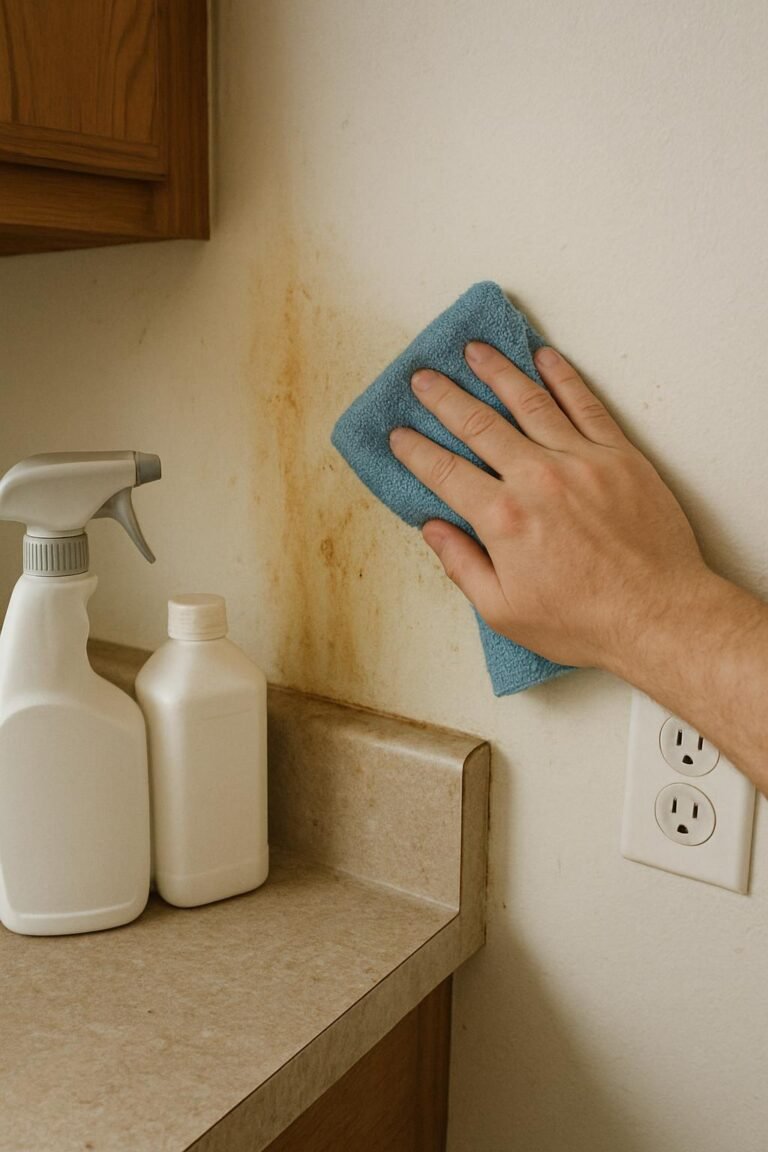
Lemon in Garbage Disposal: Use as a Freshening Step, Not a Deep-Clean
Putting lemon in your garbage disposal can leave a pleasant citrus scent behind, but it doesn’t clean, disinfect, or sharpen the disposal’s blades. Lemons can be used occasionally in small pieces as a light freshening step, but they work best alongside—not instead of—regular disposal cleaning and maintenance.
⚡ The TidyFormula™ Quick Decision
Best approach: Cut a lemon into small wedges, feed one or two pieces in with the water running and the disposal on, and let the rind pass through briefly for a fresh scent. Treat this as an occasional freshening step, not a deep-cleaning method.
Use caution with: Large lemon chunks, whole rinds, or seeds, which can strain the motor or get lodged around the blades. Households with older or lower-horsepower disposal units may want to use smaller pieces and less often.
Stop and reassess if: You notice unusual grinding noises, the disposal jams, water drains slowly afterward, or the smell doesn’t improve—these signs point to a mechanical or drain issue that lemon peel won’t resolve.
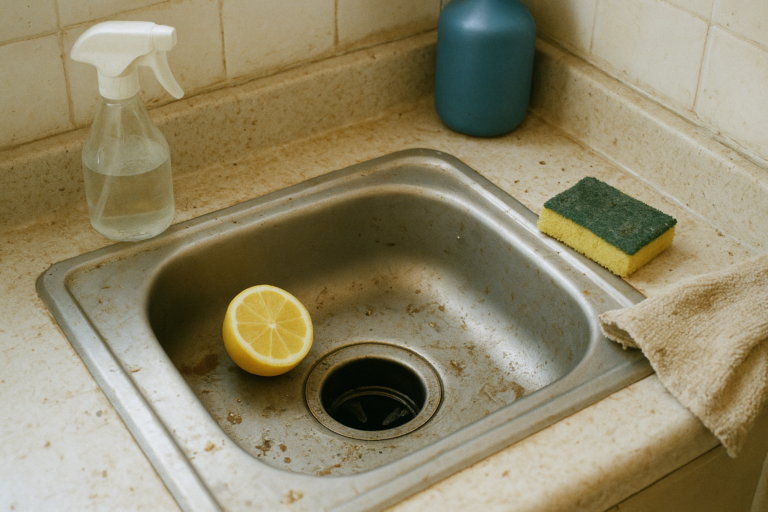
Why People Use Lemon in a Garbage Disposal
The idea of tossing lemon into a garbage disposal is popular because it’s simple, inexpensive, and leaves a noticeably fresh smell in the kitchen. Citrus oils in the peel have a strong, pleasant scent, and running a few pieces through the disposal can mask cooking odors (including strong smells such as fish) or the smell that builds up from food residue in the drain.
What I Use For This Job
Using the right tools saves time and protects your belongings. Here are my exact recommendations:
*As an Amazon Associate, TidyFormula earns from qualifying purchases.
That said, it’s worth setting realistic expectations. Lemon does not disinfect the disposal, remove buildup from pipes, or take the place of routine cleaning. Any deodorizing effect tends to be temporary, since the underlying cause of persistent odors—trapped food particles or grease—needs to be addressed separately.
How to Use Lemon in a Garbage Disposal Safely
- Cut the lemon into small wedges. Smaller pieces are easier for the disposal to process and put less strain on the motor and blades.
- Run cold water first. Turn on the cold tap before switching on the disposal; cold water helps move waste through the drain line.
- Turn on the disposal. With water still running, feed in one or two lemon wedges at a time.
- Let the water run briefly afterward. This helps flush out any remaining citrus pulp or rind fragments.
- Avoid overloading the unit. Adding several wedges at once, or whole rinds, increases the chance of jamming.
What to Avoid
- Whole lemons or large rind pieces, which can wrap around the blades or block the drain opening.
- Lemon seeds in large quantities, since they’re hard and can rattle around without breaking down.
- Using lemon as a substitute for regular disposal cleaning or professional drain maintenance.
- Combining lemon with any cleaning chemicals in the disposal—stick to one method at a time and never mix cleaning products.
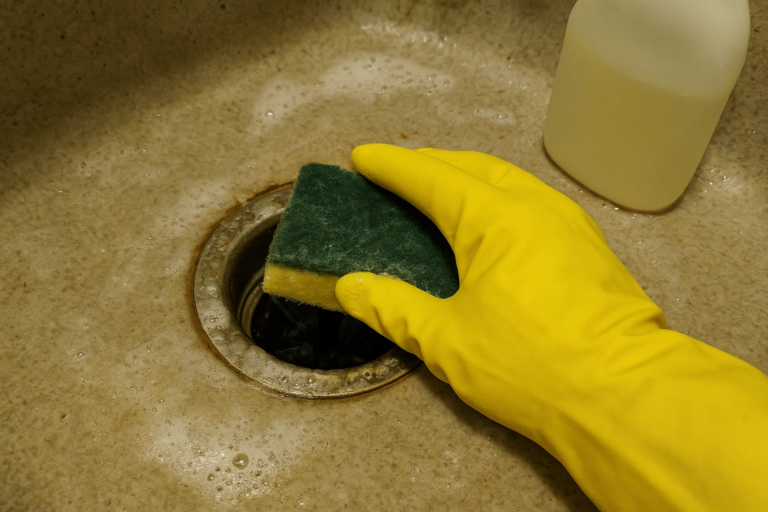
Does Lemon Actually Clean the Disposal?
Lemon peel can leave a fresh scent behind, but there’s no reliable evidence that it removes grime, breaks down grease, or clears buildup inside the disposal or drain line. The grinding action of the disposal combined with running water is what physically moves food waste through the system—the lemon’s role is mostly aromatic.
If your goal is a genuinely cleaner disposal, look into methods designed for that purpose, such as using a disposal-safe cleaning product according to the label, or scrubbing the underside of the splash guard where residue tends to collect. For non-chemical cleaning options and step-by-step guidance, see our guide on how to clean a sink drain without chemicals. Check your disposal’s manufacturer instructions for any specific cleaning guidance, since recommendations can vary by brand and model.
Troubleshooting Persistent Odors
If lemon doesn’t seem to make much difference, or the smell returns quickly, the issue may be located somewhere lemon peel can’t reach:
- Splash guard buildup: The rubber baffle at the top of the disposal can trap food residue. Removing and cleaning it (if your model allows) may help more than adding lemon—especially if there’s mold or stubborn residue; see how to clean mold under the kitchen sink.
- Drain line residue: Odors sometimes come from buildup further down the pipe, not from the disposal chamber itself.
- Standing water: A disposal that doesn’t drain fully can hold odor-causing residue. Slow draining may point to a clog that needs separate attention.
- Kitchen trash can: Sometimes the strongest kitchen odors aren’t from the disposal at all—your bin can trap and re-release smells. For routines to keep bins smelling fresh, see our guide on how to deodorize a kitchen trash can.
If odors persist despite regular cleaning, or if you notice slow drainage, unusual noises, or leaks, it may be time to consult a plumber or appliance technician rather than relying on home remedies.
Preventing Odors and Mechanical Issues
- Run cold water for a short time before and after using the disposal.
- Avoid putting fibrous, starchy, or hard items down the disposal unless your manufacturer instructions specifically allow them.
- Clean the splash guard and visible components periodically, following any guidance in your appliance manual, and keep your cleaners and tools accessible—our under-sink organization for cleaning supplies guide has simple ideas for storing what you need.
- Address odors and slow drainage early, rather than waiting for a bigger clog to develop.
Key Takeaway
Lemon can be a simple, low-effort way to add a pleasant scent to your garbage disposal, but it’s not a cleaning or maintenance solution on its own. Use small pieces occasionally, watch for signs of strain on the unit, and rely on proper cleaning methods and, when needed, professional help for lasting freshness and smooth operation. For tips on eliminating tough kitchen smells that lemon won’t fix, check our articles on removing fish smell from the kitchen and removing cooking smell from the house quickly.
Everything Mentioned Above
Before you leave, grab the tools you need to get the job done right the first time:
*As an Amazon Associate, TidyFormula earns from qualifying purchases.