How to Clean Leather Stains: A Beginner’s Guide
Clean stained leather by identifying the stain type first, then using the gentlest method that works: a barely damp microfiber cloth for light surface grime, a leather-safe cleaner for set-in stains, and a specialized conditioner or professional cleaning for oil, ink, or dye transfer that home methods can’t fully lift. Always spot test before treating the full stain.
The TidyFormula Quick Decision
Best approach: Blot the stain, test a leather-specific cleaner on a hidden area, then wipe gently with a soft cloth in circular motions and condition afterward.
Use caution with: Suede, nubuck, unfinished or aniline leather, antique pieces, and anything with unclear care markings, since water and standard cleaners can darken or damage these finishes.
Stop and reassess if: The color starts transferring onto your cloth, the leather feels sticky or stiff after drying, or the stain sits on a valuable or vintage item — pause and consult a leather-care professional instead of continuing.
What Kind of Stain Are You Dealing With?
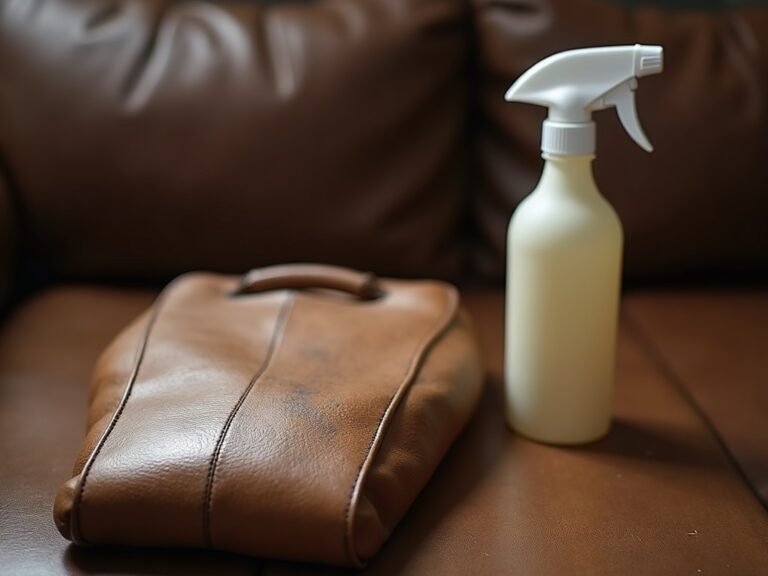
The right method for how to clean stained leather depends heavily on what caused the stain. Oil-based stains from food, hands, or lotion behave differently than water stains, ink, or dye transfer from dark clothing.
What I Use For This Job
Using the right tools saves time and protects your belongings. Here are my exact recommendations:
*As an Amazon Associate, TidyFormula earns from qualifying purchases.
Oil and grease stains tend to darken the leather and spread if you add liquid cleaners without absorbing the oil first. Water stains often show up as rings or spots that lighten as the leather dries, though they can also leave a slight texture change. Ink stains and dye transfer sit on the surface but can penetrate finished leather if left untreated, and they generally respond best to products made specifically for that purpose rather than household cleaners; for step-by-step help with ink, see our guide on removing ink from a leather couch.
How to Clean Stained Leather Step by Step
Start with the mildest option and only move to something stronger if the stain doesn’t budge. This keeps you from damaging a finish that a lighter approach could have handled.
- Dust or vacuum loose debris from the area with a soft brush attachment.
- Blot any fresh liquid stain with a clean, dry cloth — do not rub, since rubbing can spread the stain and push it deeper.
- Test your chosen cleaner on a hidden patch, such as the underside of a cushion or inside a strap, and wait to see if any color change occurs.
- If the test area looks fine, dampen a soft microfiber cloth with a small amount of leather cleaner or a mild soap solution, following the product label for dilution.
- Wipe gently in small circular motions, working from the outer edge of the stain toward the center.
- Wipe away any excess moisture or cleaner residue with a separate dry cloth.
- Let the leather air dry away from direct sunlight or heat vents, which can cause cracking or uneven color.
- Apply a leather conditioner once the area is fully dry if the leather feels dry, stiff, or dull after cleaning.
TidyFormula Tip
Work in small sections rather than soaking the whole surface — leather that stays wet too long is more likely to warp, stiffen, or develop watermarks.
Oil and Grease Stains on Leather
Oil stains respond best to absorption before any wiping. Sprinkle a small amount of cornstarch or baking soda over the stain and let it sit so it can draw out some of the oil, then brush it away gently.
After absorbing what you can, wipe the area with a slightly damp cloth using a leather-safe cleaner. Avoid pressing hard, since friction can push oil further into the material. If a faint mark remains after drying, a leather conditioner can sometimes help even out the appearance, though deep-set oil stains on unfinished leather may not fully disappear with home methods. For similar absorption-first approaches on upholstered fabrics, see our tips for removing grease stains from a fabric sofa, which can be adapted carefully for leather.
Water Stains and Rings
Water stains often look worse while the leather is still damp and improve somewhat as it dries. Blot the area immediately with a dry cloth rather than rubbing, and let it air dry fully before judging the result.
If a faint ring remains once dry, lightly dampening the entire panel or cushion — not just the stained spot — with a soft cloth can help the moisture even out so the ring blends in rather than standing out as an isolated mark. This works best on finished leather; unfinished or suede-like leather is more prone to permanent water marking. If the stain comes from winter salt or road splash, you may also find our guide on removing salt stains from leather shoes helpful for the same principles applied to footwear.
Ink, Dye, and Color Transfer Stains
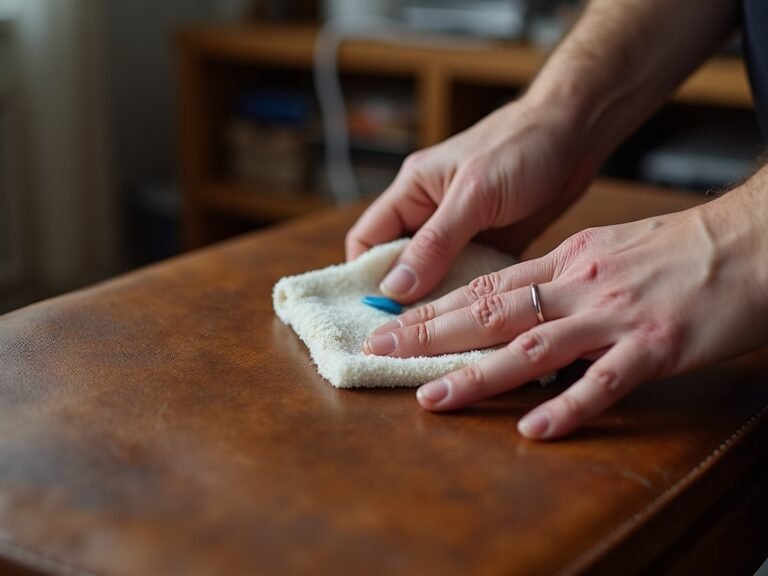
Ink and dye transfer stains generally need a product formulated for leather rather than general household cleaners, since standard soaps often smear ink instead of lifting it. Check the product label for leather compatibility before applying.
Apply a small amount to a cotton swab rather than soaking a cloth, and dab at the stain instead of wiping broadly, which limits how far the ink can spread. Some dye transfer, especially from dark denim or new upholstery in contact with light leather, may fade gradually with light cleaning but not disappear completely on the first attempt.
What to Avoid When Cleaning Leather
- Avoid soaking leather with water or cleaner — excess moisture is one of the most common causes of stiffening, cracking, and permanent watermarks.
- Avoid bleach, ammonia-based glass cleaners, and undiluted vinegar on leather, since these can strip finish or dry out the material.
- Avoid mixing cleaning products together; combining chemicals like bleach and ammonia-based cleaners is not safe and should never be done.
- Avoid scrubbing with stiff brushes or abrasive sponges, which can scuff the finish or leave visible texture changes.
- Avoid heat sources like hair dryers or direct sun for drying, which can cause uneven color and cracking.
- Avoid skipping the spot test, especially on aniline, suede, nubuck, or unfinished leather where color changes are harder to reverse. If you need specific advice for suede or nubuck, our guide to cleaning suede shoes without a suede cleaner covers safer, dry-first techniques that apply to these textured leathers.
Drying and Aftercare
Let cleaned leather air dry naturally in a well-ventilated area away from direct heat or sunlight. Rushing the drying process with heat can set in stiffness or cause the surface to crack over time.
Once fully dry, a leather conditioner appropriate for the finish can help restore flexibility and even out the look of the treated area compared to the surrounding leather. Reapply conditioner only as needed based on how the leather feels, rather than on a fixed schedule, since over-conditioning can leave a greasy residue.
When to Call a Professional
Some stains and some leather types are better handled by a professional cleaner, particularly antique furniture, expensive leather goods, or pieces with unclear care instructions. If a stain is old, deeply set, or the leather is unfinished or suede, a specialist has tools and products that go beyond typical home methods.
If you’re unsure whether a cleaning product is safe for a specific leather type, checking the manufacturer’s care instructions or contacting the furniture or garment maker directly can prevent an attempt that makes the stain harder to fix later. For stains or persistent odors in vehicle upholstery, see our specific advice on removing pet odor from car seats, since automotive leathers and trims sometimes need different handling than home furniture.
Frequently Asked Questions
Can I use baby wipes to clean stained leather?
Baby wipes can work for very light, fresh surface grime on finished leather, but they aren’t formulated for leather care and may leave residue or affect the finish over repeated use. For an actual stain, a leather-specific cleaner is a safer choice.
Will rubbing alcohol remove leather stains?
Rubbing alcohol can sometimes help with ink stains on finished leather, but it can also strip color or dull the finish, especially on aniline or unfinished leather. Always spot test first, and consider a leather-specific ink remover before reaching for alcohol.
How often should leather furniture be cleaned?
Light dusting and wiping every week or two helps prevent buildup that turns into harder stains later. A deeper clean with a leather cleaner and conditioner every few months, or as needed, generally keeps leather looking its best without overworking the surface.
What if the stain won’t come out after cleaning?
If a stain remains after one or two gentle attempts, avoid escalating to harsher chemicals or aggressive scrubbing, since this risks damaging the finish further. A professional leather cleaner can assess whether the stain is treatable or has become permanent.
Is it safe to use leather cleaner on suede or nubuck?
Standard leather cleaners made for smooth, finished leather are generally not suitable for suede or nubuck, which need dedicated suede cleaners or brushes instead. Using the wrong product on these textured finishes can cause discoloration or matting.
Everything Mentioned Above
Before you leave, grab the tools you need to get the job done right the first time:
*As an Amazon Associate, TidyFormula earns from qualifying purchases.