
How Do You Get Mascara Off of Clothes: An Easy Guide to Stain Removal
You get mascara off clothes by first scraping away any excess with a dull edge, then treating the spot with a small amount of liquid dish soap or a dedicated pretreatment before washing, since most mascara formulas contain oils and waxes that respond to grease-cutting cleaners rather than plain water. Cold water and patience usually work better than hot water or scrubbing.
The TidyFormula Quick Decision
Best approach: Scrape off excess mascara, apply a small amount of liquid dish soap directly to the stain, work it in gently with a soft cloth, then launder in cold water on the fabric’s normal cycle.
Use caution with: Silk, wool, suede, and leather, and any fabric labeled dry-clean only, since rubbing or soaking these materials can cause water spotting, shrinkage, or texture damage.
Stop and reassess if: The stain spreads, the fabric color shifts, the material starts to pill or fray, or the item is dry-clean only and you have not yet checked the care label.
What I Use For This Job
Using the right tools saves time and protects your belongings. Here are my exact recommendations:
*As an Amazon Associate, TidyFormula earns from qualifying purchases.
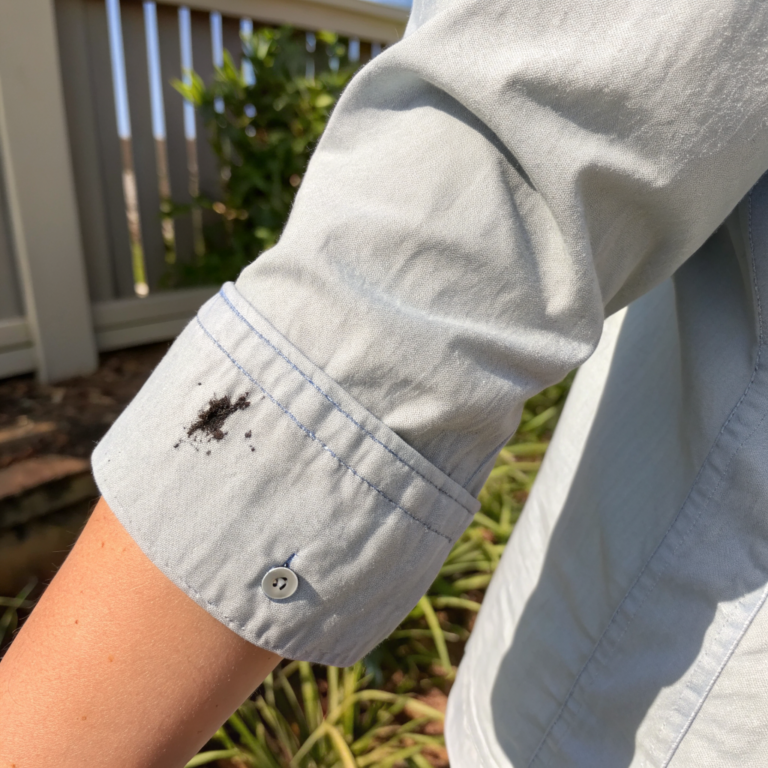
What Mascara Stains Are Made Of
Most mascara formulas combine waxes, oils, and pigment, which is why the stain often looks greasy and dark rather than watery. That combination means water alone rarely lifts it, and a grease-cutting approach usually works better than a simple rinse.
Because pigment is involved, some staining can linger faintly even after the greasy component is removed, especially on lighter fabrics (this behavior is similar to how coffee stains can leave a shadow). Treating the stain promptly generally gives you a better outcome than waiting.
Before You Start: Check the Fabric
Look at the care label before treating any mascara stain, since fiber type changes which products and amount of agitation are safe. Cotton, polyester, and most cotton-blend clothing generally tolerate dish soap and cold-water laundering well.
Silk, wool, suede, and leather are more sensitive to rubbing, heat, and certain solvents, and a mismatched treatment can leave a permanent mark or texture change that the original stain did not cause. When in doubt, treat a hidden inside seam first as a spot test.
How Do You Get Mascara Off of Clothes: Fresh Stains
Fresh mascara usually comes out with a simple soap-based treatment before the wax and pigment have a chance to bind to the fibers. Acting quickly makes the rest of the process shorter and more reliable.
- Gently scrape away any excess mascara with a dull knife edge, a spoon, or a plastic card, working from the outer edge of the stain inward so you do not spread it.
- Apply a small amount of liquid dish soap directly onto the stained area.
- Work the soap in gently with your fingertips or a soft cloth, using light pressure rather than hard scrubbing.
- Rinse the area with cold water and check the stain. If color or greasiness remains, repeat the soap application before laundering.
- Launder the item on a normal cold-water cycle following the care label, then check the spot before drying.
Avoid putting the item in the dryer until the stain is gone, since heat can set any remaining residue and make it harder to remove later.
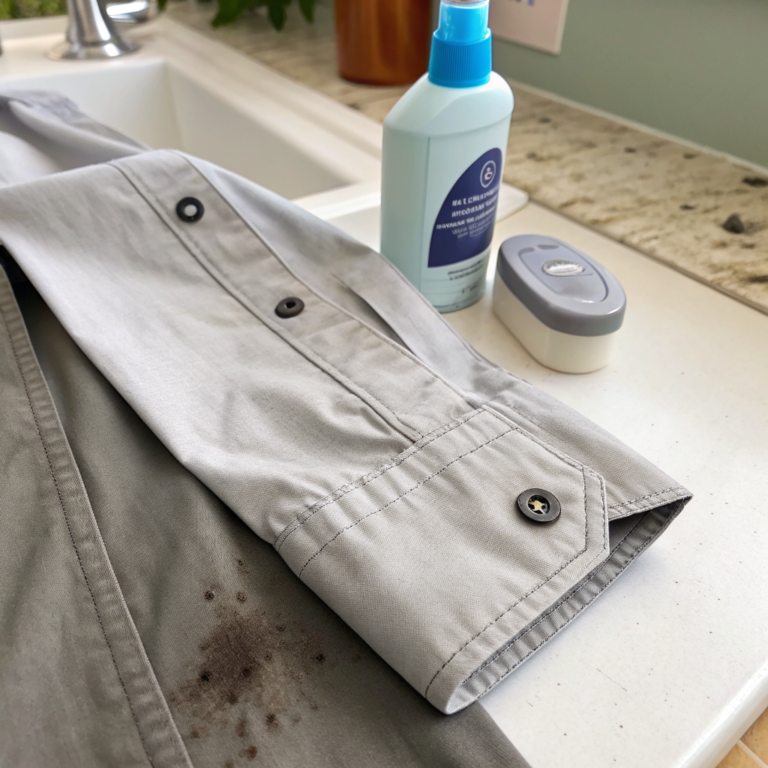
Removing Dried or Set-In Mascara Stains
A dried mascara stain usually needs more soaking time and possibly a stronger pretreatment than a fresh one, but the same soap-based logic still applies. Skip straight to hot water or bleach, and you risk setting the pigment instead of lifting it.
Apply a liquid laundry stain remover or a fresh application of dish soap to the dried spot and let it sit briefly before working it in with a soft brush or cloth. Rinse, check the stain under good light, and repeat if any shadow remains before running the item through a wash cycle. If the care label allows it and the fabric is white or colorfast, an oxygen-based bleach alternative can be added to the wash as a follow-up step rather than a first move.
If the residue is gummy, dried, or tacky, treat it with the same cautious approach used for other sticky, set-in residues on upholstery rather than aggressive scrubbing; guidance for similar issues on couches can be helpful when deciding how much agitation to use (how we handle slime on fabric).
TidyFormula Tip
Check the stain again before drying, since a dryer cycle can lock in any faint pigment shadow that survived the wash.
Mascara on Delicate Fabrics
Silk, wool, and other delicate or dry-clean-only fabrics call for a lighter touch than cotton or polyester. Instead of rubbing dish soap directly into the fibers, blot the area gently with a cloth dampened in cold water to lift loose residue without spreading it.
For dry-clean-only garments, avoid home stain removers altogether if possible and bring the item to a professional cleaner, pointing out the exact spot and, if you know it, what caused it. If you’re treating upholstery or specialty fabric at home, follow fabric-specific guidance such as the recommendations for cleaning a fabric bed frame—the key is minimal moisture and careful blotting rather than vigorous scrubbing.
What to Avoid
- Avoid rubbing the stain hard, especially in a circular motion, since this can push mascara deeper into the fibers or damage delicate fabric surfaces.
- Avoid hot water on a fresh stain, since heat can bind the waxy component to the fabric before you have a chance to lift it out.
- Avoid drying the item until you have confirmed the stain is gone, since dryer heat tends to set any remaining residue.
- Avoid combining bleach with other household cleaning agents. Cleaning agents that should not be combined must not be combined, and bleach in particular should never be mixed with ammonia or other cleaners.
- Avoid skipping the care label check on wool, silk, suede, or leather items, since the wrong product can cause discoloration or texture damage that is harder to fix than the original stain.
Frequently Asked Questions
Does hairspray remove mascara stains from clothes?
Hairspray is sometimes suggested as a home remedy, but it is not a reliable or verified method for lifting mascara, and its alcohol content can affect certain dyes or fabric finishes. A liquid dish soap pretreatment is a more predictable starting point for most washable fabrics.
Can you use makeup remover to treat mascara on clothes?
Some oil-based makeup removers can help loosen mascara on sturdy, colorfast fabrics, since they target the same waxy base as the stain. Test on a hidden seam first, since certain oils can leave their own mark on light-colored or delicate fabrics.
What if the mascara stain is still visible after washing?
Reapply your stain treatment to the same spot before drying, since heat can set any pigment that survived the first wash. Repeating the soap treatment and a cold-water wash cycle once or twice often finishes the job before you need a stronger product.
Is mascara harder to remove from white clothing?
Any leftover pigment tends to show more clearly on white or very light fabric, even after the greasy component is gone. An oxygen-based bleach alternative added to a follow-up wash, if the care label allows it, can help address lingering shadowing on white, colorfast items.
How do you get mascara out of a delicate blouse without ruining it?
Blot gently with a cold, damp cloth rather than rubbing, and avoid applying dish soap directly to silk or other delicate fibers. If the stain does not lift with gentle blotting, a professional cleaner is generally the safer option for dry-clean-only garments.
Everything Mentioned Above
Before you leave, grab the tools you need to get the job done right the first time:
*As an Amazon Associate, TidyFormula earns from qualifying purchases.